




This guide was written and reviewed by Serge, MSc . As a martial artist and natural lifter with over 10 years of training experience, what I share comes from my own training and from digging into the research behind it.
Affiliate disclosure: This site has affiliate links, including Amazon. As an Amazon Associate I earn from qualifying purchases, at no extra cost to you.
You walk into the gym, surrounded by machines, loud music, and fit people who all seem to know exactly what they’re doing. You start strong, but after a few weeks motivation fades, progress stalls, and doubt creeps in.
I want to tell you something, because I’ve trained in a lot of gyms over the years, small ones and big ones, all of it drug-free. That feeling isn’t always your fault. A lot of it is how the system around you is set up. Once you see it clearly, you can stop blaming yourself and start making smarter choices.
Let me walk you through what I’ve actually noticed.
Many Gyms Quietly Count on You Quitting
Most people give up within the first month or two. The workouts feel hard, the soreness lingers, and results take longer than expected. Gym owners know this better than anyone. It’s a big reason so many push 12-month contracts with awkward cancellation policies.
For a lot of the bigger places, it’s less about your transformation and more about locking in your payments before you lose steam. I’ve watched plenty of people sign up full of motivation and quietly stop showing up a few weeks later, still paying every month. If you’ve done that, it isn’t because you’re weak. The setup almost expects it.
Small Gym or Fancy Gym? Your Muscles Don’t Care
Here’s something I noticed training across very different gyms. The small, less equipped, less polished gyms are often far less about money. They don’t look like much. The clean, beautiful, aesthetic gyms charge more, and a lot of what you’re paying for is the look and the feel of the place.
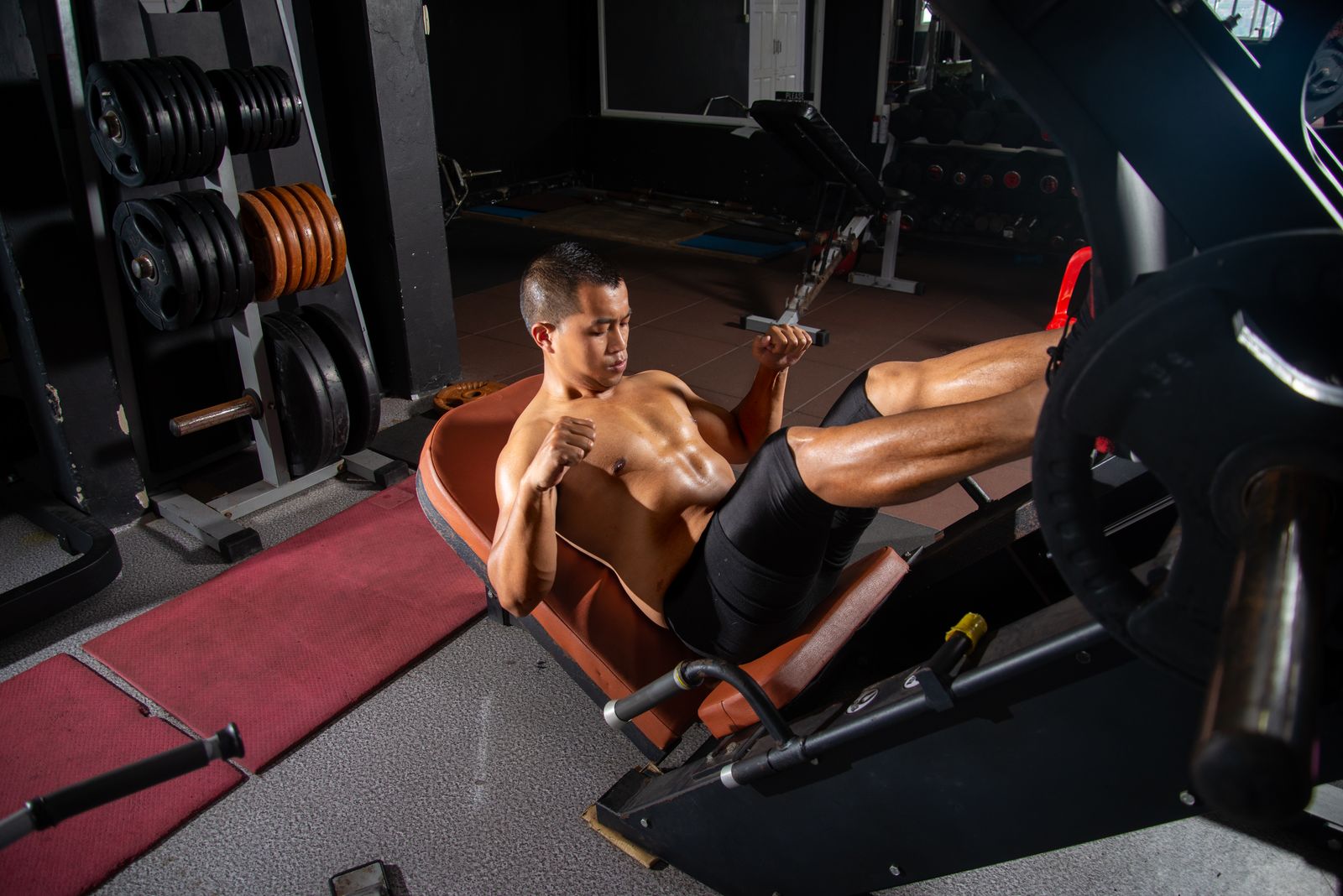
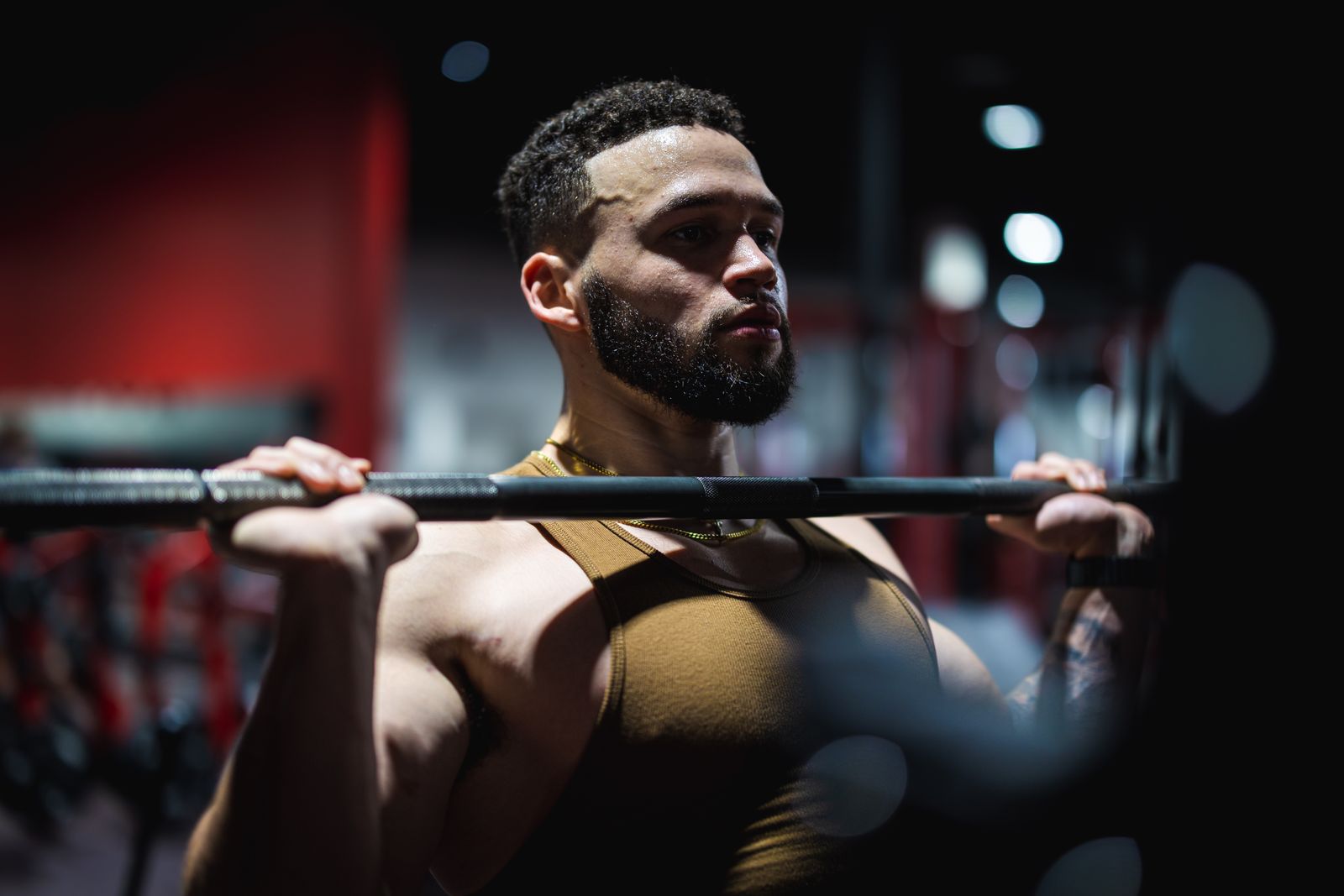
But here’s the truth: your muscles don’t care how pretty the gym is. Muscle has no eyes. It doesn’t know whether you’re in a spotless studio with mood lighting or a cramped room with old, mismatched equipment. It only responds to effort, tension, and consistency. I’ve gotten good work done in basic, no-frills gyms that some people would walk straight back out of.
So if you’re paying a premium for a beautiful gym and it helps you show up, fine. But don’t ever think the aesthetics are what build the body. They aren’t.
You Don’t Need All Those Machines
Gyms are packed with machines that look impressive but often just confuse beginners. The truth is you only need a handful of movements to build real strength, muscle, and endurance. Most of the rest is noise.
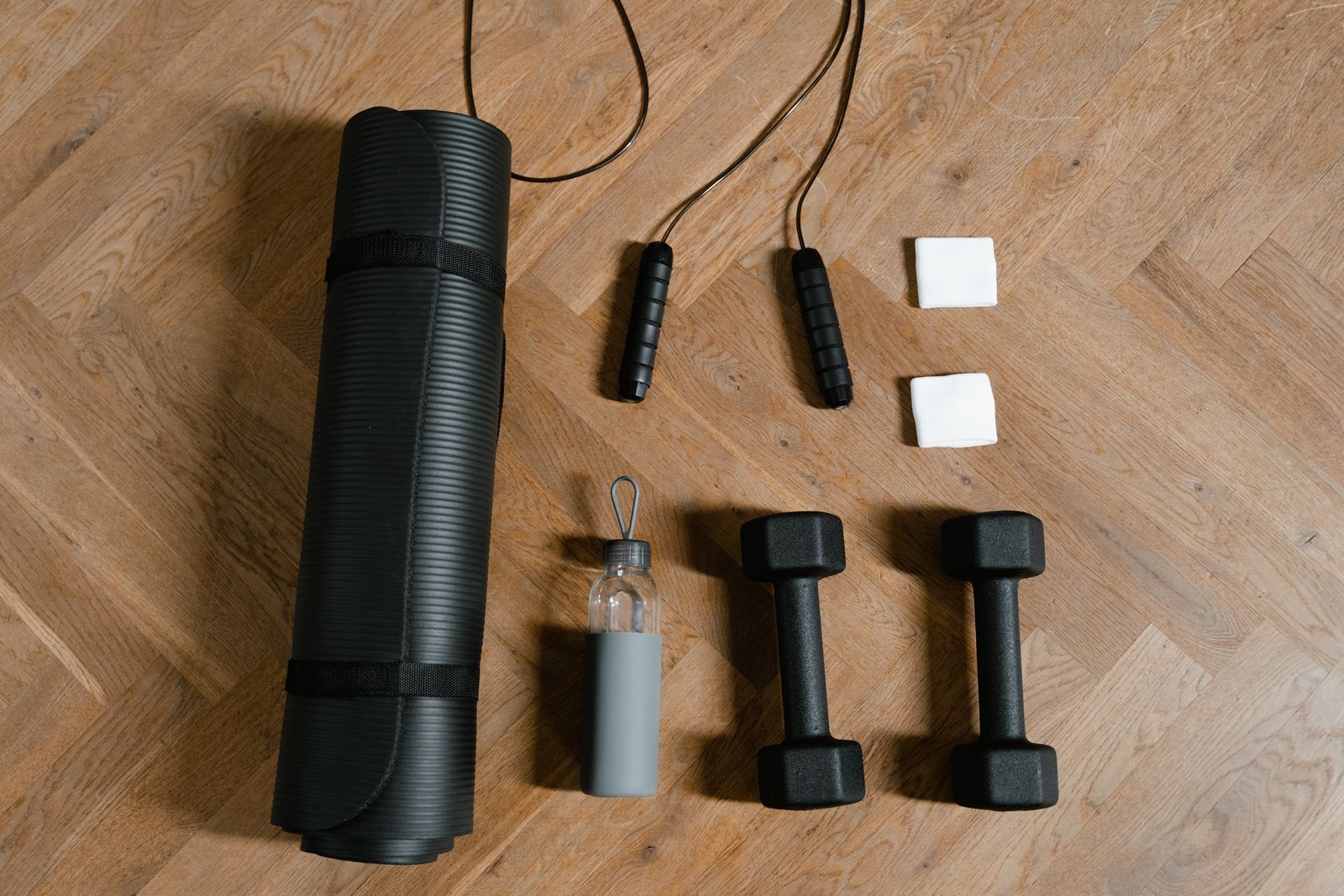
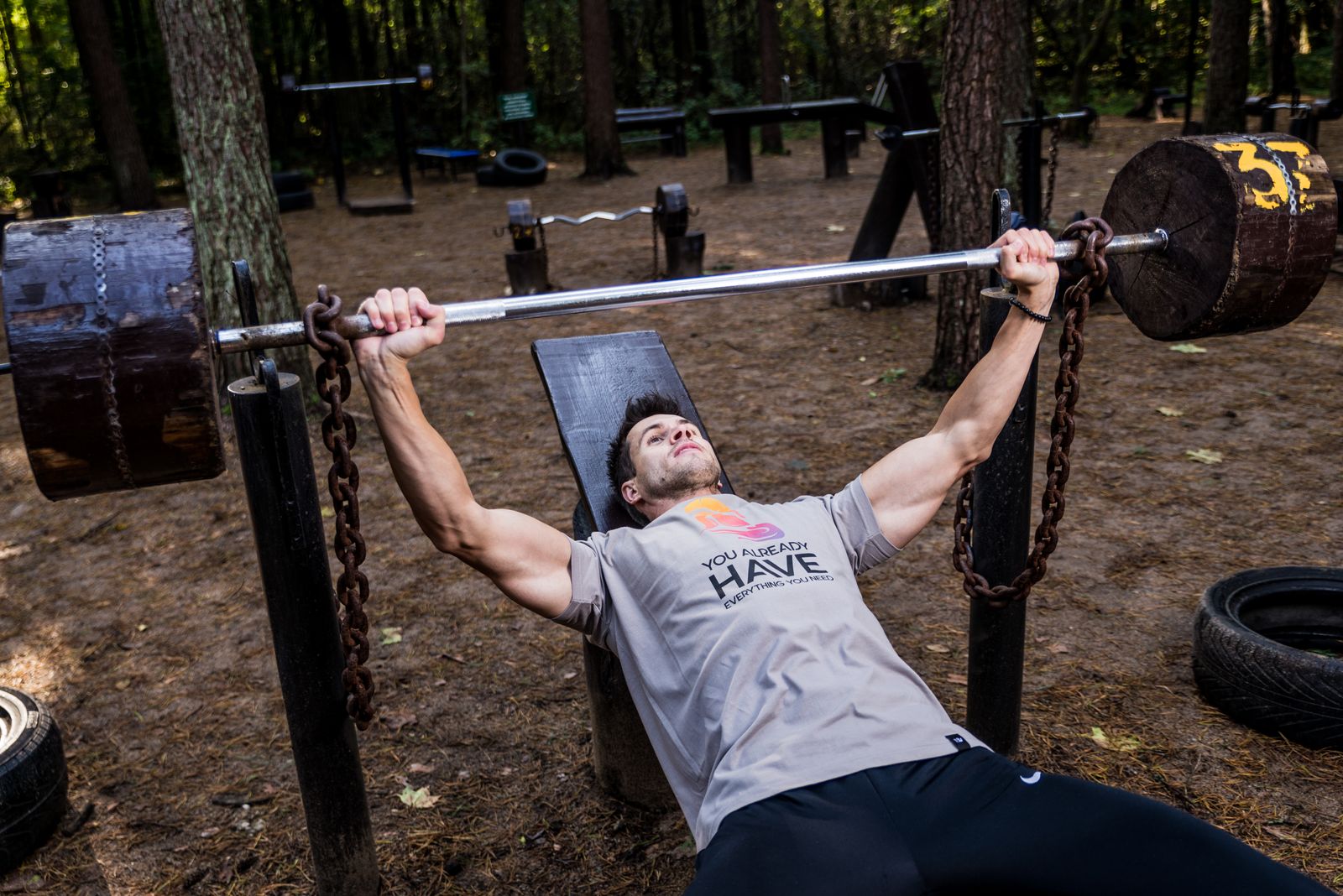
What many gyms won’t emphasise is that simple basics, push-ups, pull-ups, squats, dips, rows, presses, can get you leaner and stronger than plenty of regular gym-goers. Just look at calisthenics athletes. Most train outside or at home with almost no equipment, and the results speak for themselves. Fewer machines just means less perceived value, so the complexity gets sold as if it’s essential. (If you want to see how far minimal equipment can take you, I’ve covered that in detail in my home-training guides.)
The Trainer Upsell
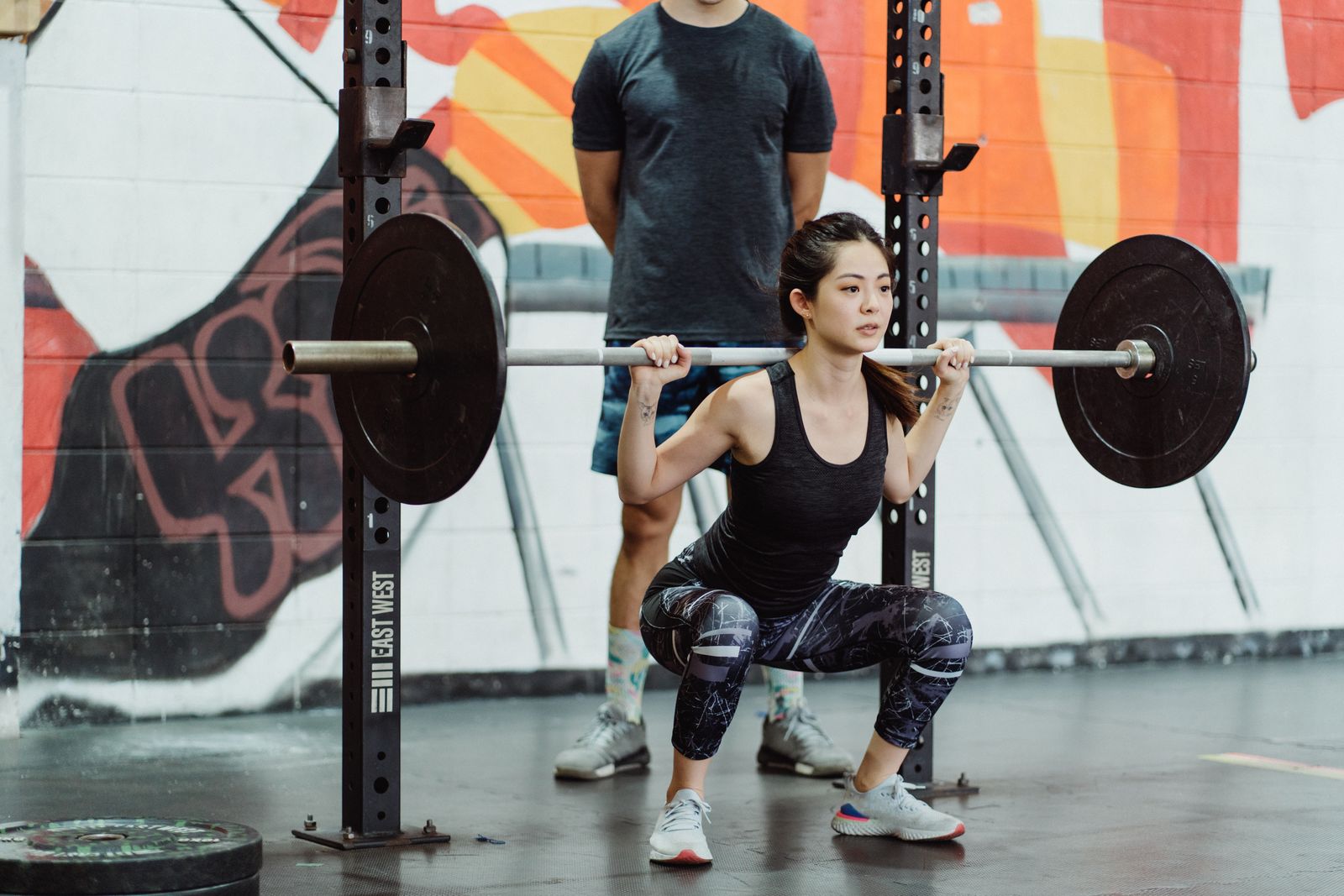
This one’s worth understanding. Most gyms have their own trainers, and there’s usually a push to add one on, for an extra charge, of course. They make you feel special and sell you the confidence that you’ll be in shape in no time.
And look, a genuinely good coach is worth a lot. But some of these trainers won’t tell you the one thing you actually need to hear: that getting in shape is a lot of work and consistency over time. There’s no in-no-time. Selling you fast results feels good and sells sessions, but it sets you up to feel let down when the quick transformation doesn’t arrive. The honest truth, that it takes months and patience, doesn’t sell as well, so it often goes unsaid.
The best coaches do tell you that. They ask about your goals, listen to your history, and build something around you, with no miracle promises. They exist. They’re just the exception, so it’s worth knowing the difference before you pay extra.
The Snack Trap at the Desk
I’ve noticed plenty of gyms selling sugary coffee, cookies, chocolate bars, and energy drinks right at the front desk, the one you pass on the way in and out.
That’s not fitness support. It’s profiting from cravings. You came to train, not to grab processed sugar on your way past. It’s a small thing, but it quietly tells you where some gyms’ priorities sit.
The Physiques You’re Comparing Yourself To
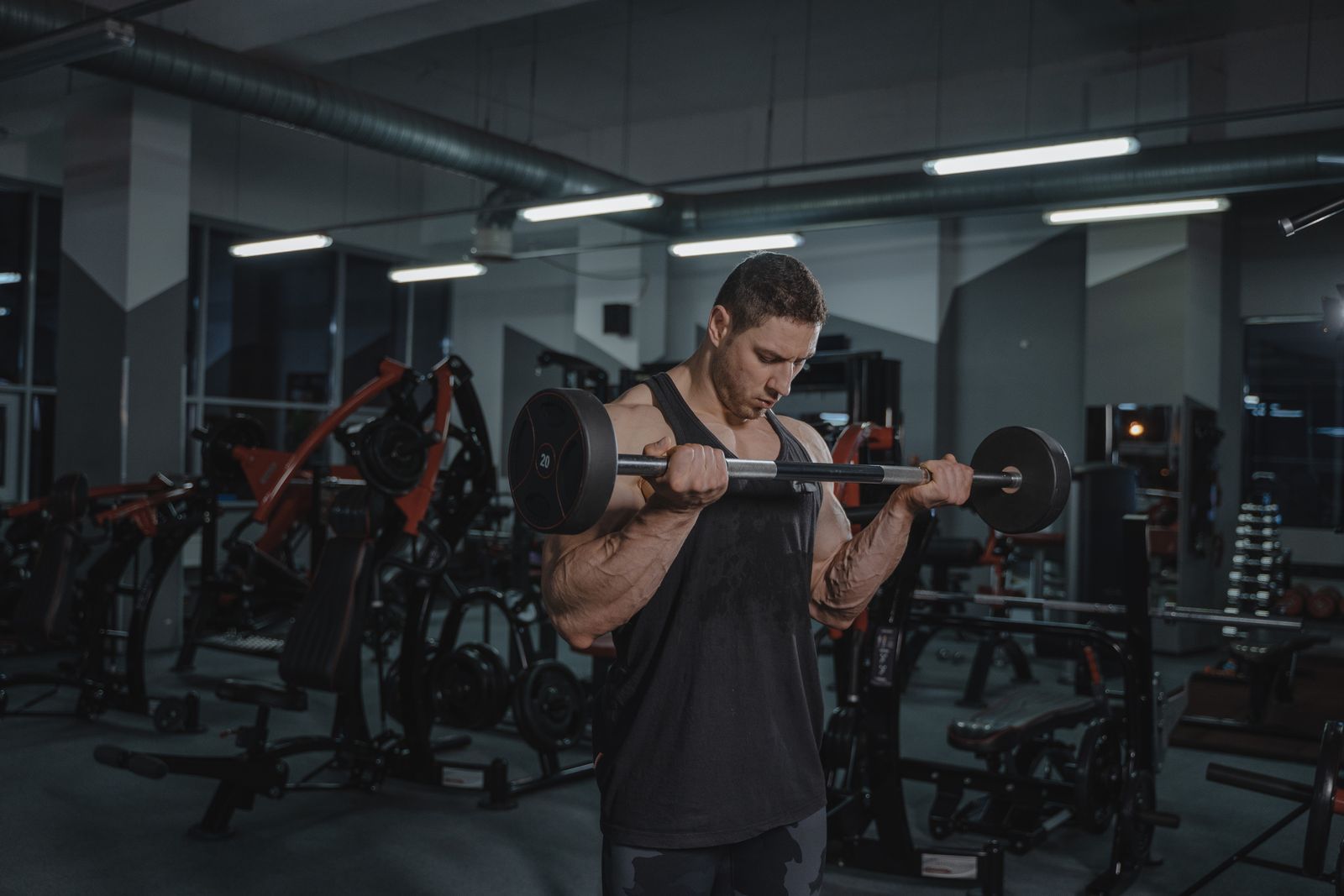
You see someone with shredded abs or lifting double their bodyweight and wonder why you’re not there yet. What rarely gets said is that many of those physiques were built over many years, and in some cases with the help of performance-enhancing drugs.
This isn’t to knock anyone’s work. But you deserve to know. A lot of beginners get discouraged fast because they’re unknowingly comparing their week one to someone’s year ten, or to a look that wasn’t built naturally. I’ve trained drug-free the entire way, so I’ll always tell you that part straight: comparison to those standards will just discourage you, and it’s not even a fair comparison.
So What Really Works
Strip away the noise and it’s simpler than the gym makes it look.
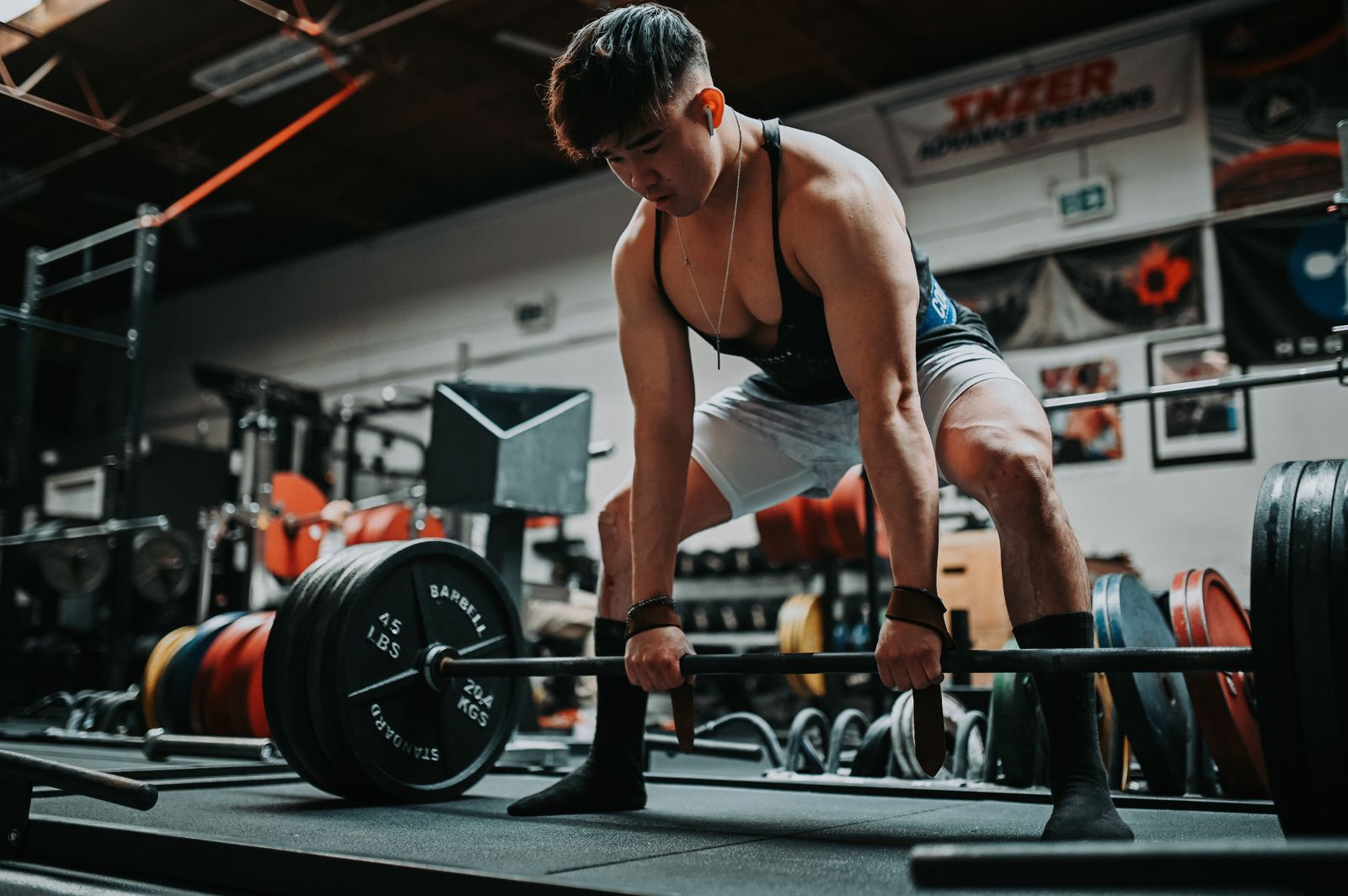
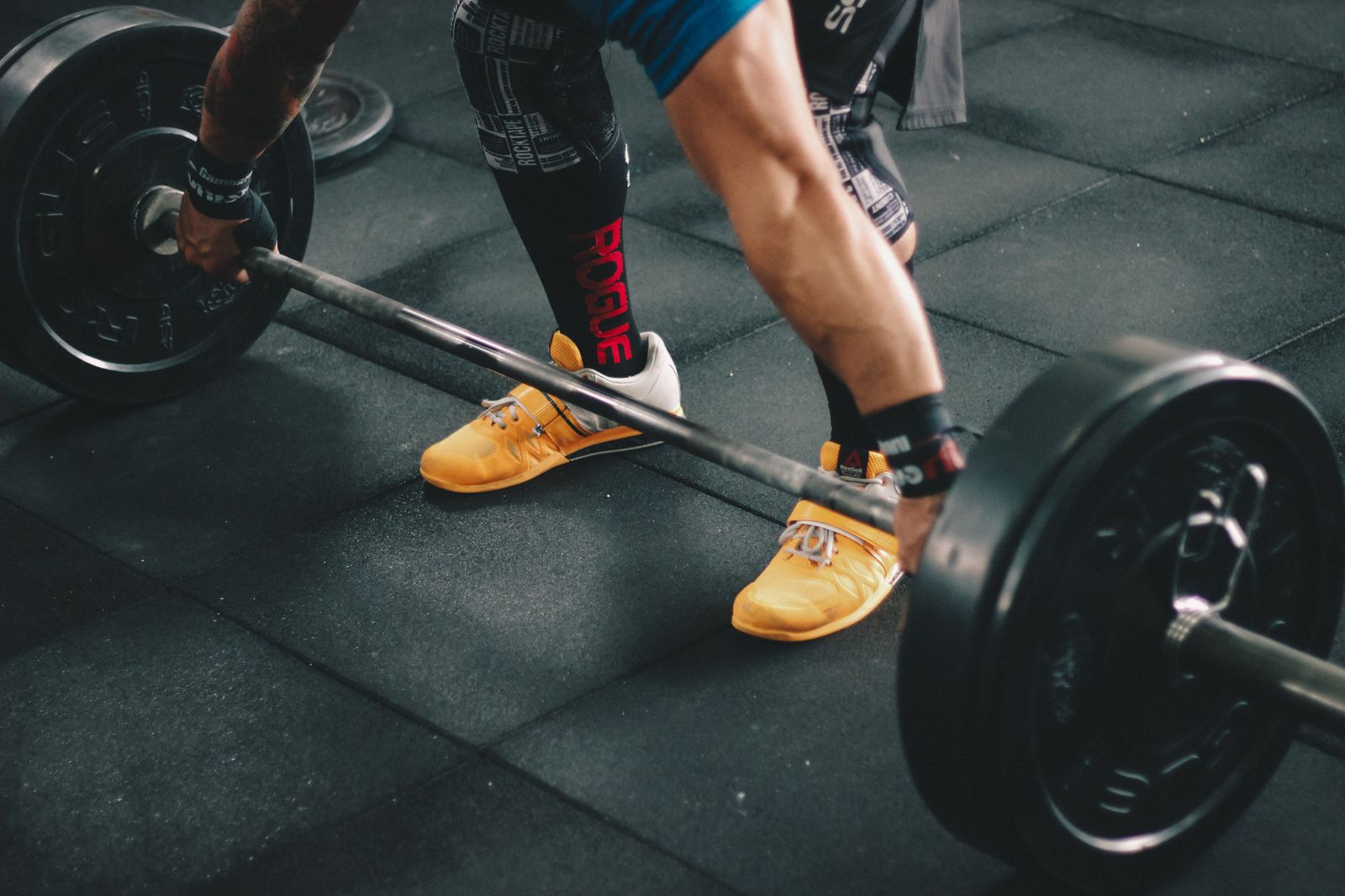
Keep your training basic. Compound lifts or bodyweight moves, squats, rows, presses, pull-ups, dips, and core work, get more done than most of the machines in any building.
Don’t rush into long contracts. Ask about short-term or flexible terms and read the fine print instead of falling for sign-up urgency.
Don’t pay for aesthetics thinking they’re results. A pretty gym is a nice-to-have, not a muscle-builder. Muscle has no eyes.
Be careful with the trainer upsell. A good coach is worth it, but only one who’s honest that real change takes work and time.
Bring your own fuel, and skip the sugar at the desk.
Compare yourself only to your past self, not to enhanced or years-deep physiques.
The Bottom Line
You don’t need a contract to commit to yourself. You don’t need every machine, a beautiful gym, or an upsold trainer to get stronger and feel good. What you need is clarity and consistency.
Most equipment is optional. Most contracts trap you. Most progress takes time. And most of the bodies you admire were built over years, not weeks. Train simply, stay consistent, be patient, and remember that your muscles only respond to the work, not the surroundings. Muscle has no eyes.
If you want a better way to train, start with fewer distractions and smarter choices. Try a no-frills gym, or train at home and join a gym later if you need to. Keep it simple, keep it honest, and keep showing up.
