


This guide was written and reviewed by Serge, MSc . As a martial artist and natural lifter with over 10 years of training experience, what I share comes from my own training and from digging into the research behind it.
Affiliate disclosure: This site has affiliate links, including Amazon. As an Amazon Associate I earn from qualifying purchases, at no extra cost to you.
I’ve been into fitness for over ten years now, drug-free and all natural, and if there’s one lesson I had to learn the hard way, it’s this: the food you eat matters just as much as the workouts you do.
When I first got started, I had this idea that eating as much as I could would eventually turn me into some lean, muscular version of myself. I’d load up on big meals, snack whenever I wanted, and tell myself, “Hey, I’m bulking, this is what it takes.”
What actually happened?
I felt heavy and sluggish, and I didn’t look the way I’d imagined. I gained size, but not the kind I wanted. It took me years to realise the foods I was choosing were holding me back. Once I shifted toward nutrient-dense, whole foods, the fat slowly came off, my workouts felt sharper, and I started feeling a lot better day to day.
So if you’re wondering what foods actually help with losing weight, here’s what worked for me.
Protein First, Always
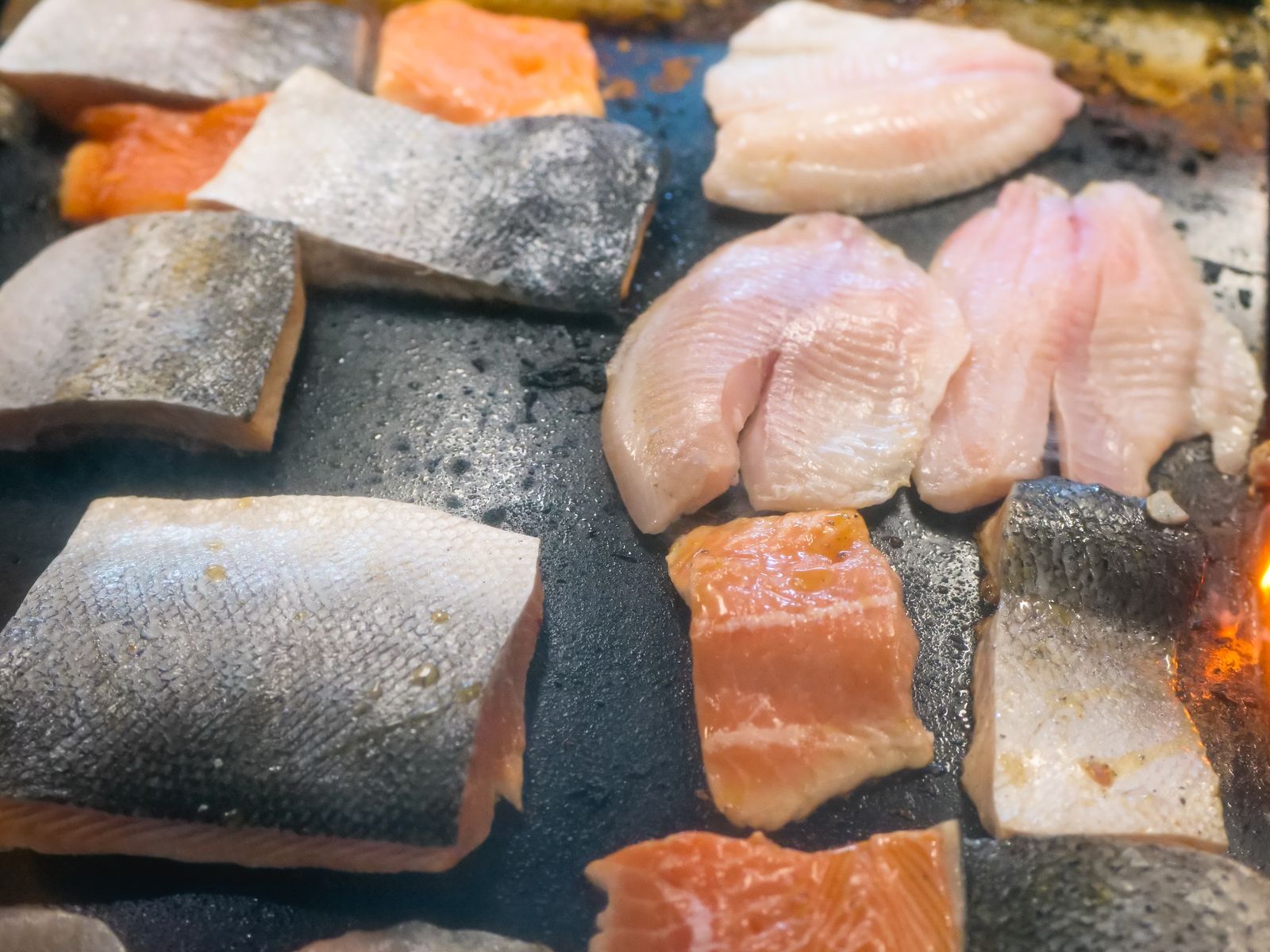
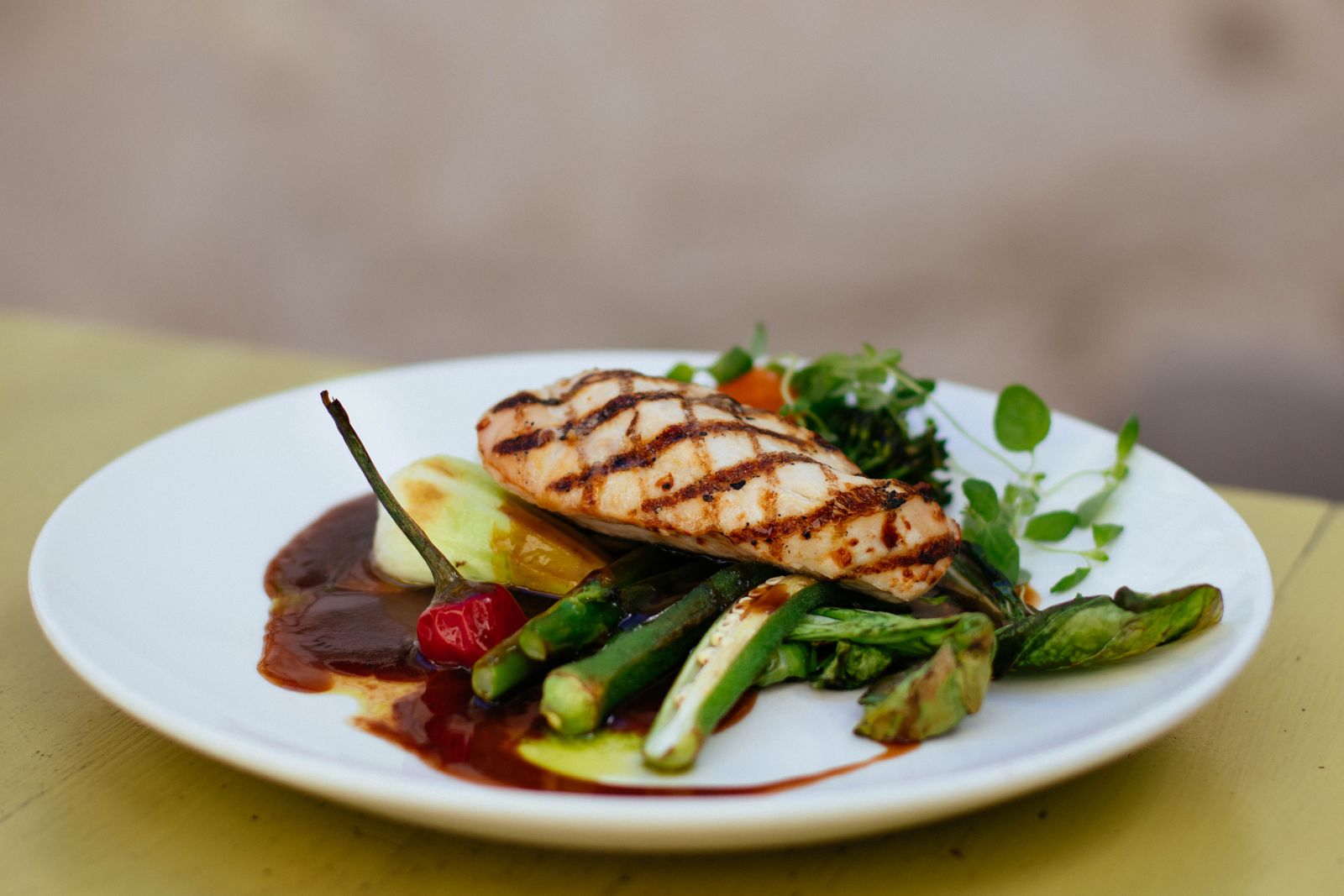
If I could go back and give my younger self one piece of advice, it would be this: eat more protein. Not just shakes and powders, but real protein from chicken, fish, eggs, and beans.
Back then, my breakfasts were all carbs, cereal, toast, maybe a muffin. I’d be starving by 10 a.m. The first time I swapped that for scrambled eggs and some Greek yogurt, I remember thinking, “Wait, I’m not hungry yet?” That was new.
Protein keeps you full, helps you hang onto muscle, and makes eating well a whole lot easier. These days I build every meal around it.
Load Up on Veggies
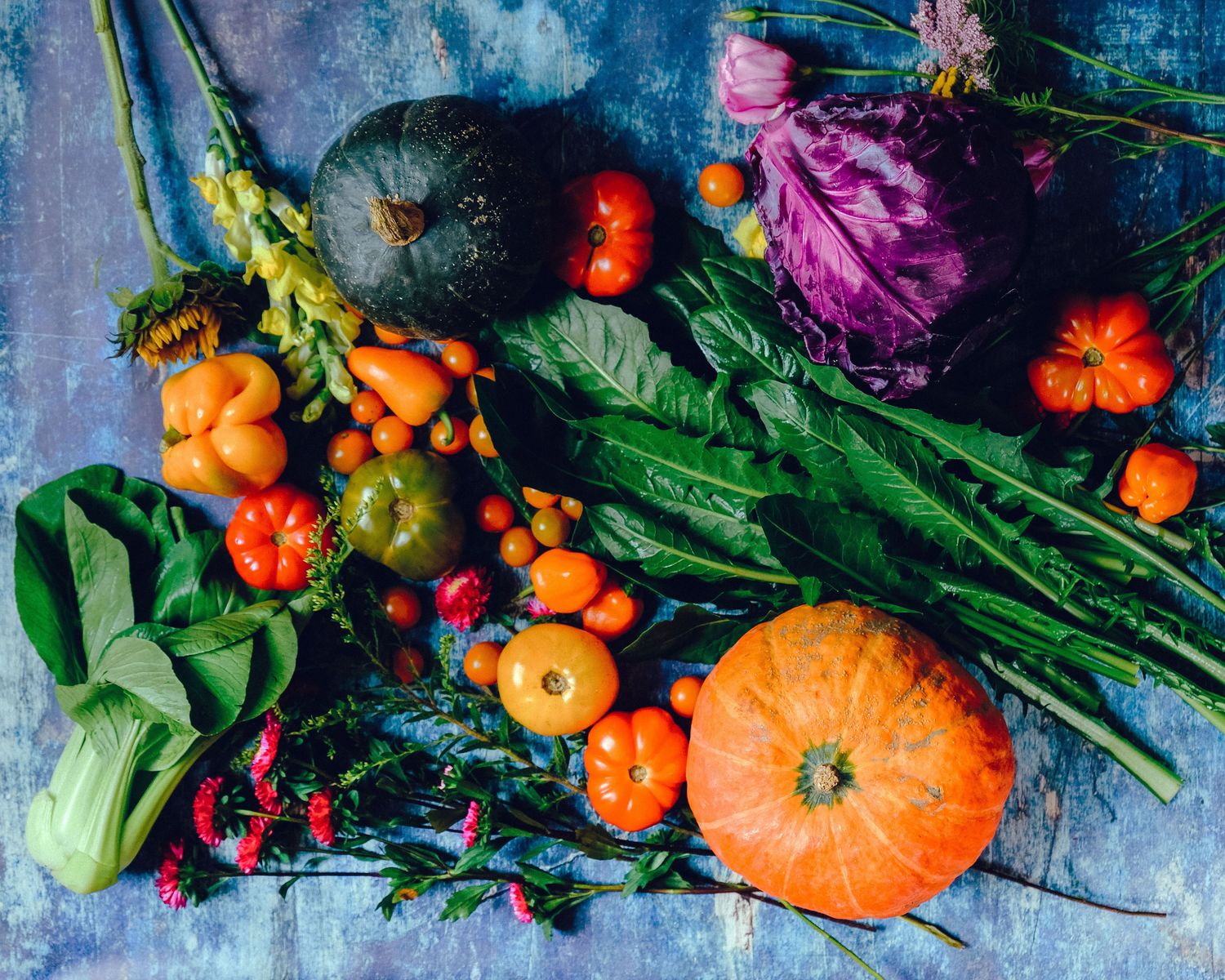
I used to treat vegetables like decorations on my plate, something you push to the side and take a token bite of to feel “healthy.” Big mistake.
The turning point was when I started swapping out half my rice or pasta for vegetables. Instead of a mountain of carbs, I’d pile on broccoli, spinach, or peppers. My meals were still filling, but I was eating lighter without really trying.
And those vitamins and minerals make a real difference in how you feel. Training hard while under-fuelled makes you crash fast. Training hard while fuelled by nutrient-rich food is a completely different story.
Whole Grains Beat Refined Carbs
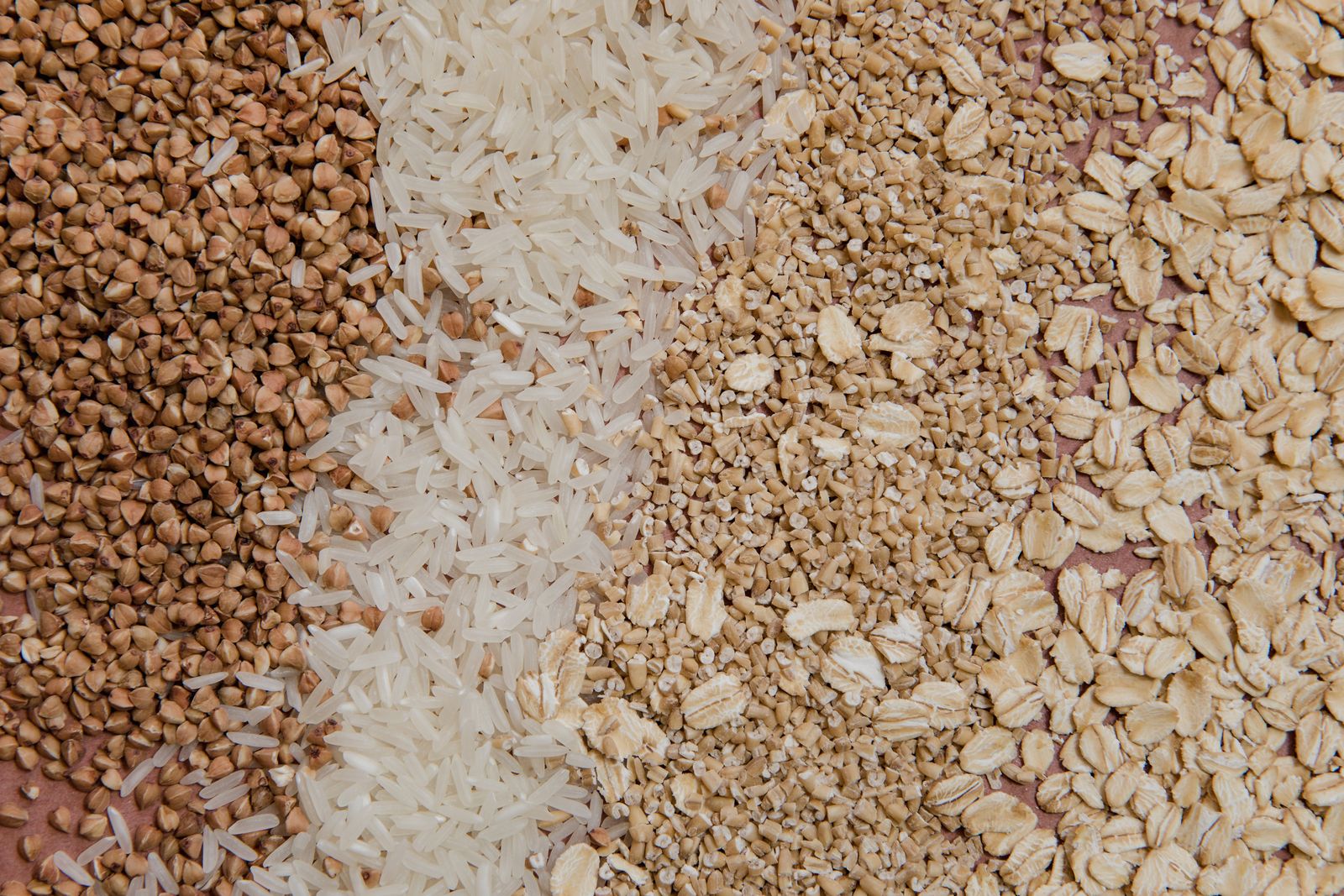
Here’s something I learned the hard way: refined carbs like white bread, sugary snacks, and pastries give you a quick burst and then a crash. I used to live in that cycle, eat, crash, crave more, repeat.
Once I switched to oats in the morning or quinoa with dinner, my energy actually lasted. No more mid-afternoon zombie mode. Whole grains digest slower, keep you fuller, and support steadier training.
Don’t Fear Fats
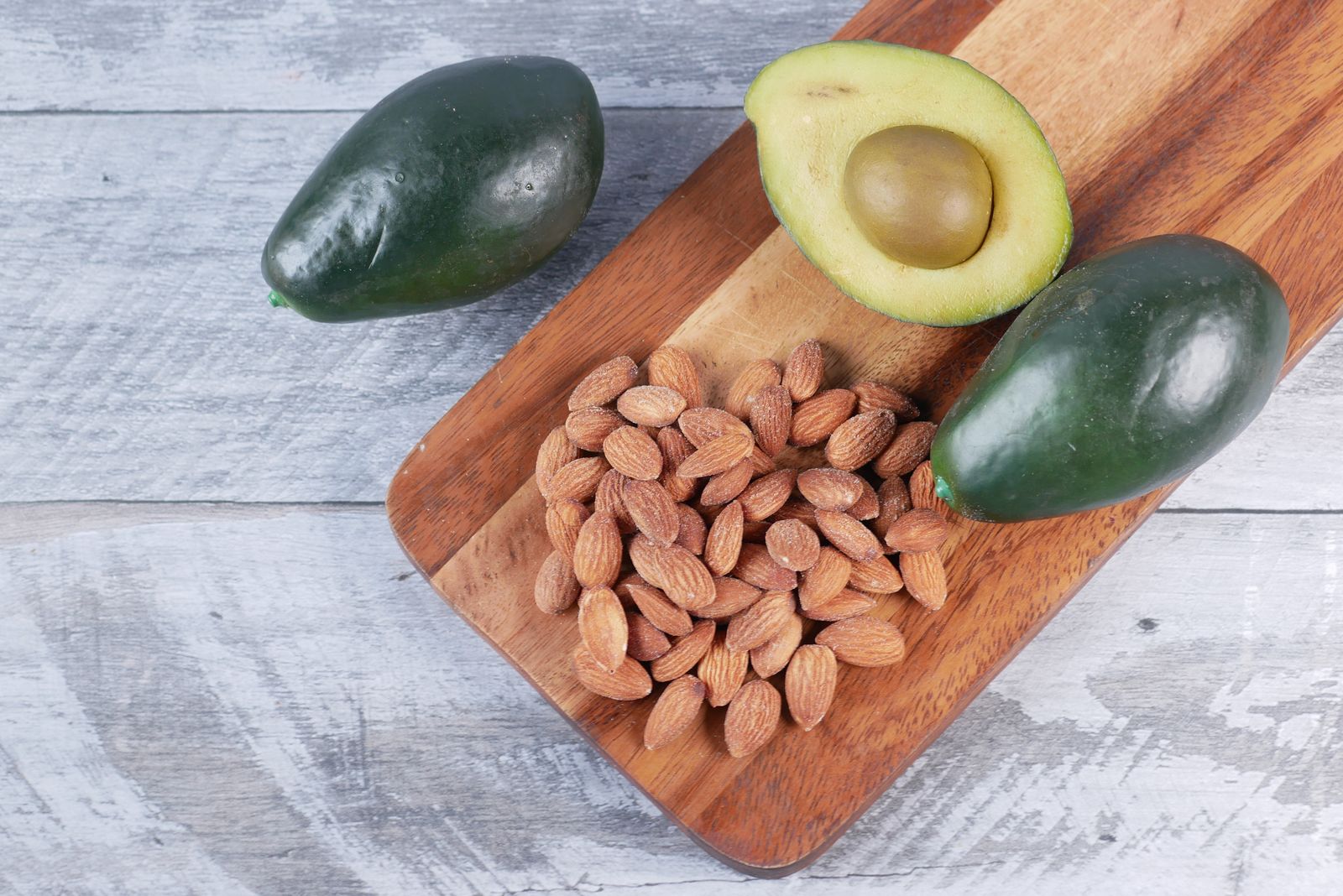
I’ll admit it, I used to avoid avocados and nuts like the plague. I thought fat in food meant fat on my body. Couldn’t have been more wrong.
When I finally gave healthy fats a shot, things changed. A handful of almonds in the afternoon, and suddenly I wasn’t raiding the pantry. A little olive oil on my salad actually made the meal satisfying instead of leaving me craving junk afterward.
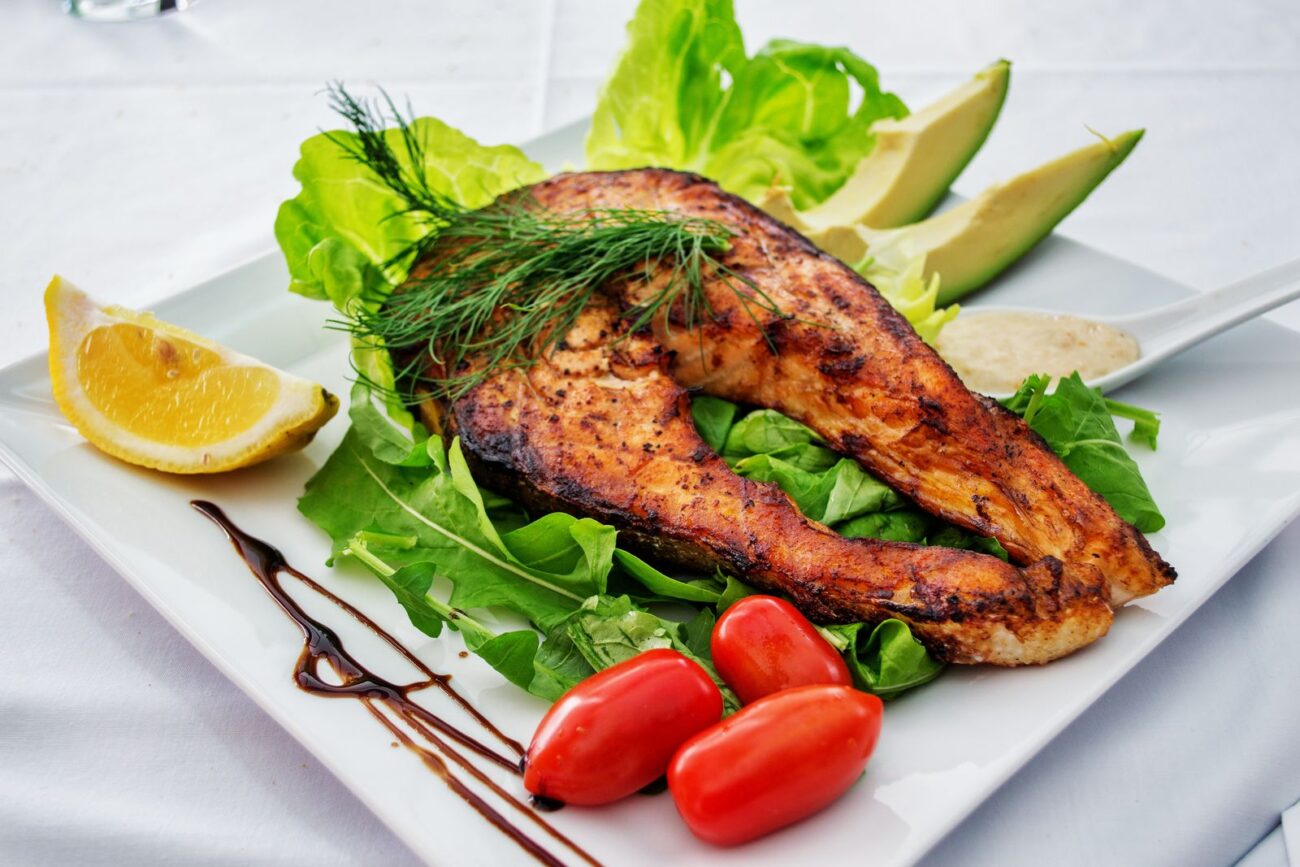
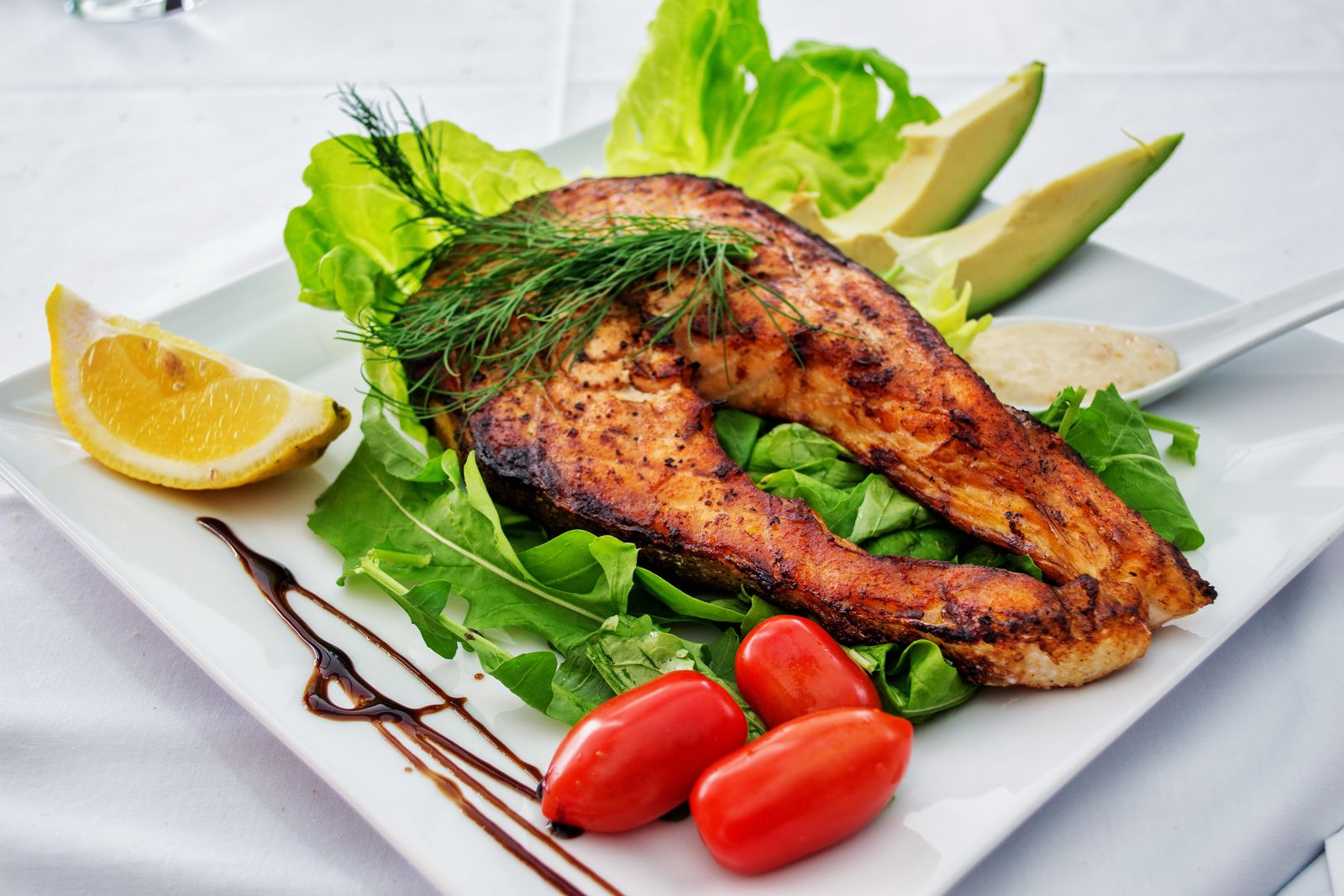
And adding fatty fish like salmon here and there was great for recovery. These days I don’t fear fats, I use them to my advantage.
Smarter Snacking
Snacking was always my weak spot. I’d tell myself, “it’s just a few cookies,” but those added up fast. What I didn’t realise was that I could snack smarter and not feel deprived.
Air-popped popcorn, fresh fruit, cottage cheese, low-fat cheese sticks, these became my go-to options. Still snacks, still satisfying, but lighter. And the more consistent I got with those swaps, the easier everything felt.
Mistakes I Made (That You Can Avoid)
Looking back, here are the biggest mistakes I made early on:
Eating too much of the wrong foods and expecting my workouts to cancel it out.
Avoiding fats completely, thinking they’d ruin my progress.
Leaning on refined carbs for energy, only to crash and crave more junk.
Thinking supplements alone would save me, instead of building my base around real food.
It took time, but learning from those mistakes is what helped me get leaner and actually stay that way.
The Bottom Line
If you’re serious about losing weight, don’t overcomplicate it. Build your meals around lean protein, pack your plate with vegetables, swap refined carbs for whole grains, add some healthy fats, and keep your snacks smart.
That shift, from eating “as much as possible” to eating with intention, completely changed things for me. I went from feeling heavy and sluggish to feeling lean, energetic, and strong in my training.
Food isn’t the enemy. It’s one of your most powerful tools. Use it well, and your body and your training will both reflect the effort you put in.
