










This guide was written and reviewed by Serge, MSc . As a martial artist and natural lifter with over 10 years of training experience, what I share comes from my own training and from digging into the research behind it.
Affiliate disclosure: This site has affiliate links, including Amazon. As an Amazon Associate I earn from qualifying purchases, at no extra cost to you.

Ever feel like you’re doing everything right, hitting the gym, eating what you think is clean, and still nothing changes?
I’ve been there. For over ten years I’ve been all-in on fitness, drug-free and natural, and one of the bigger lessons I’ve learned is this: losing weight isn’t really about burning as many calories as possible. It’s about habits, consistency, and mindset. The people who stay lean aren’t the ones grinding hardest. They’re the ones who built a way of living they can actually keep.
When “More Food and More Workouts” Doesn’t Work
When I first started, I thought eating as much as possible and training as hard as possible would magically give me a lean, muscular body. It didn’t. I gained some size, sure, but I looked soft, not the way I’d imagined.
That’s when it clicked: I needed a smarter approach, not just a harder one. Managing my habits, staying consistent, and being realistic about food changed everything. Doing more wasn’t the answer. Doing the right things repeatedly was.
Small Changes That Add Up
At first it was little things. I started paying attention to what I actually ate instead of guessing. I made some simple swaps that I stuck with, like switching from white rice to sweet potatoes most of the time and keeping rice as more of an occasional thing. Small change, but it added up.
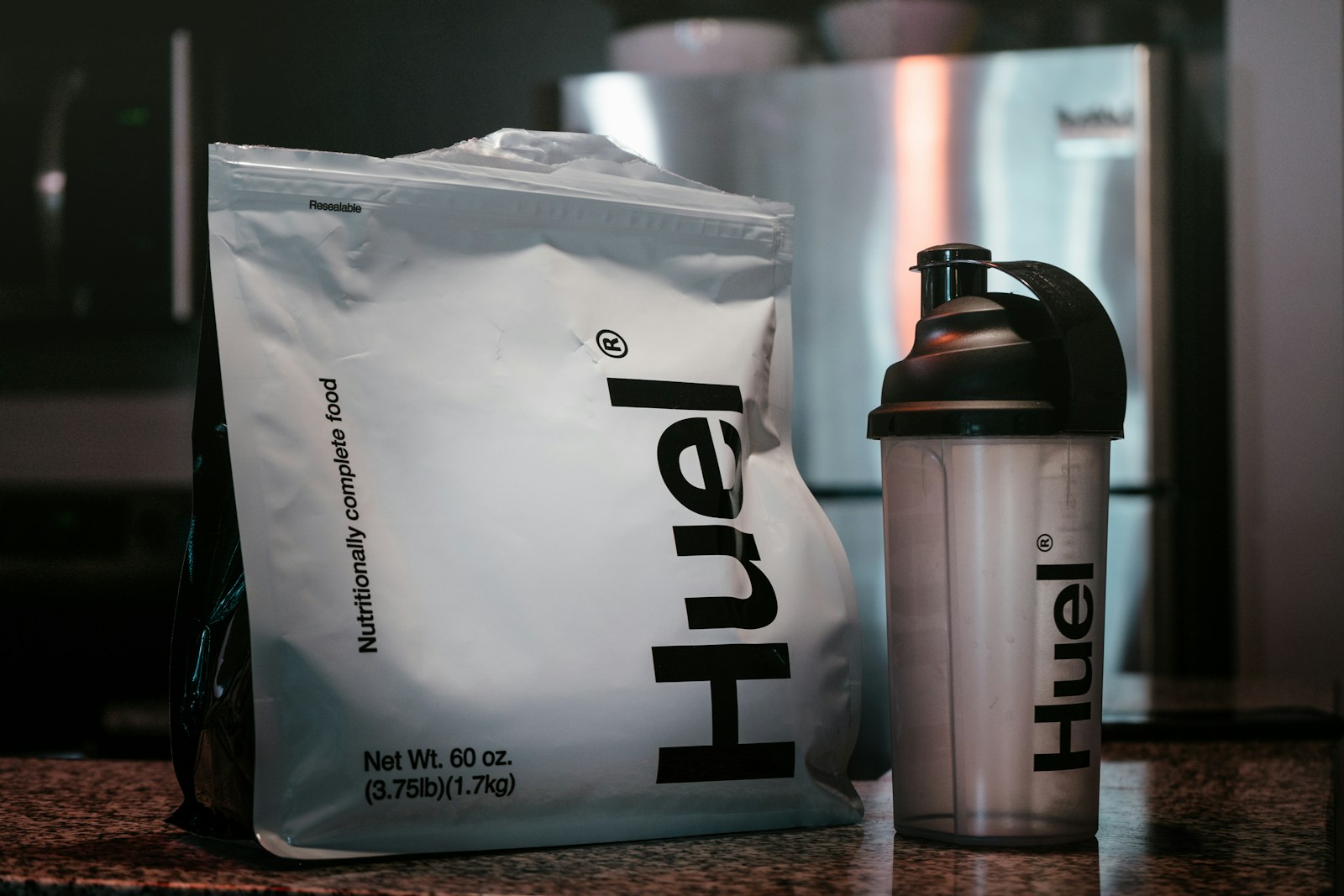
I also got practical about it. I’d buy my proteins in big packages, especially when the shop had them on discount, and take advantage of that. Eating well is a lot easier when the good stuff is already in the house and you’re not paying a premium for it.
Here’s a funny one that genuinely helped me. If you have a physical job, try having your breakfast after you’ve already been working for an hour or so, rather than first thing. Moving on a relatively empty stomach for that first hour ends up being a kind of light morning cardio, sort of, when you’ve got no time for actual cardio. It won’t suit everyone, but it worked for me.
I also swapped late-night snacks for something with protein, took a walk after dinner, and drank more water. Individually, these felt almost too small to matter. But over weeks and months, they added up. That’s the part most people miss. They look for one big dramatic change, when it’s really a stack of small, boring habits done consistently that moves the needle.

Mindset Over the Scale
I used to obsess over the scale. One day it moved, the next it didn’t, and I’d get frustrated and want to quit. Eventually I learned to stop letting a single number run my mood.
Instead I started paying attention to how I felt, my energy, my performance, whether my clothes fit differently. And I learned to celebrate small wins: lifting a bit heavier, finishing a tough session, sticking to my plan for a whole week. Those little victories are what actually keep you going. The scale is just one noisy signal, and a misleading one day to day.
Strength Training Beats Endless Cardio
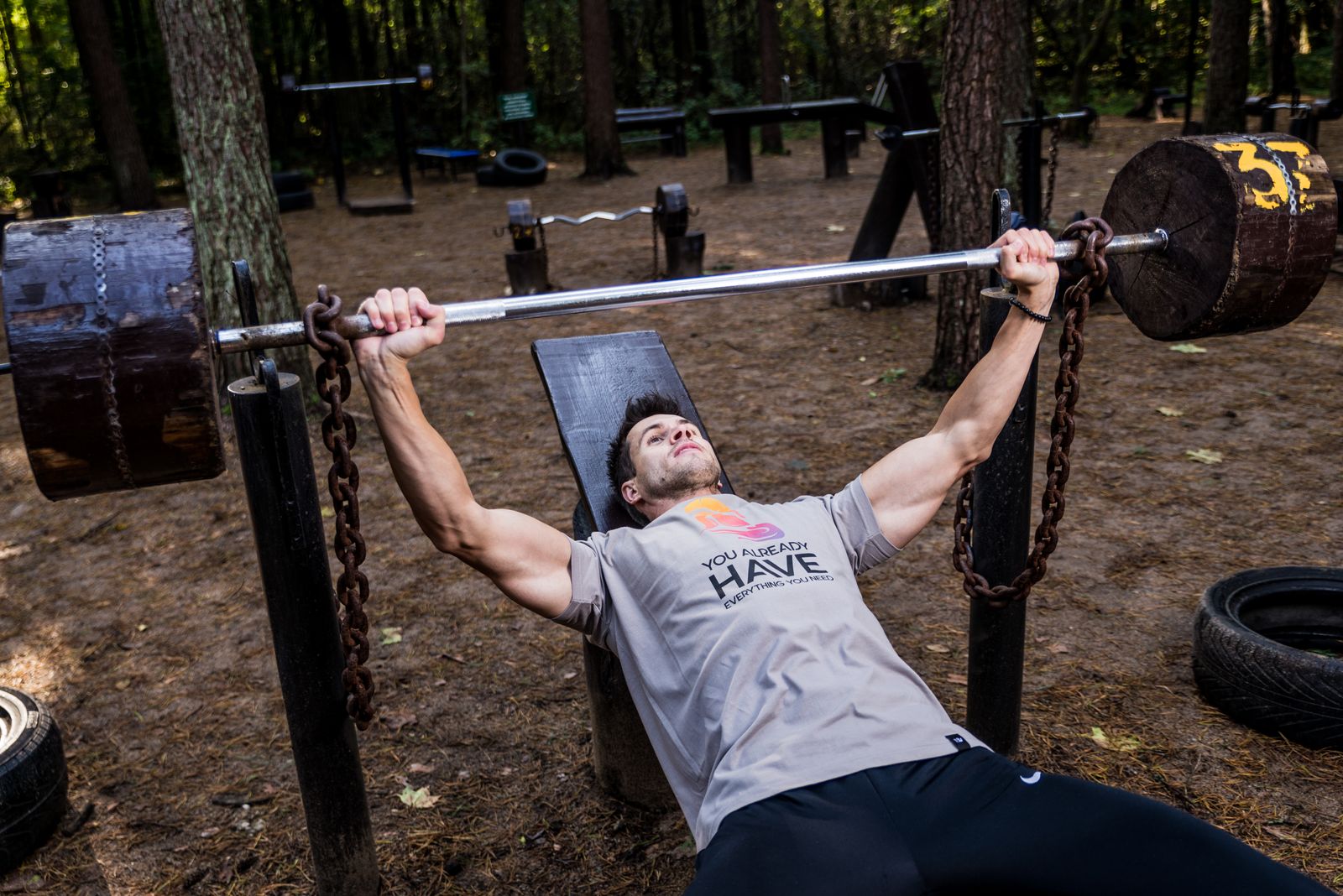
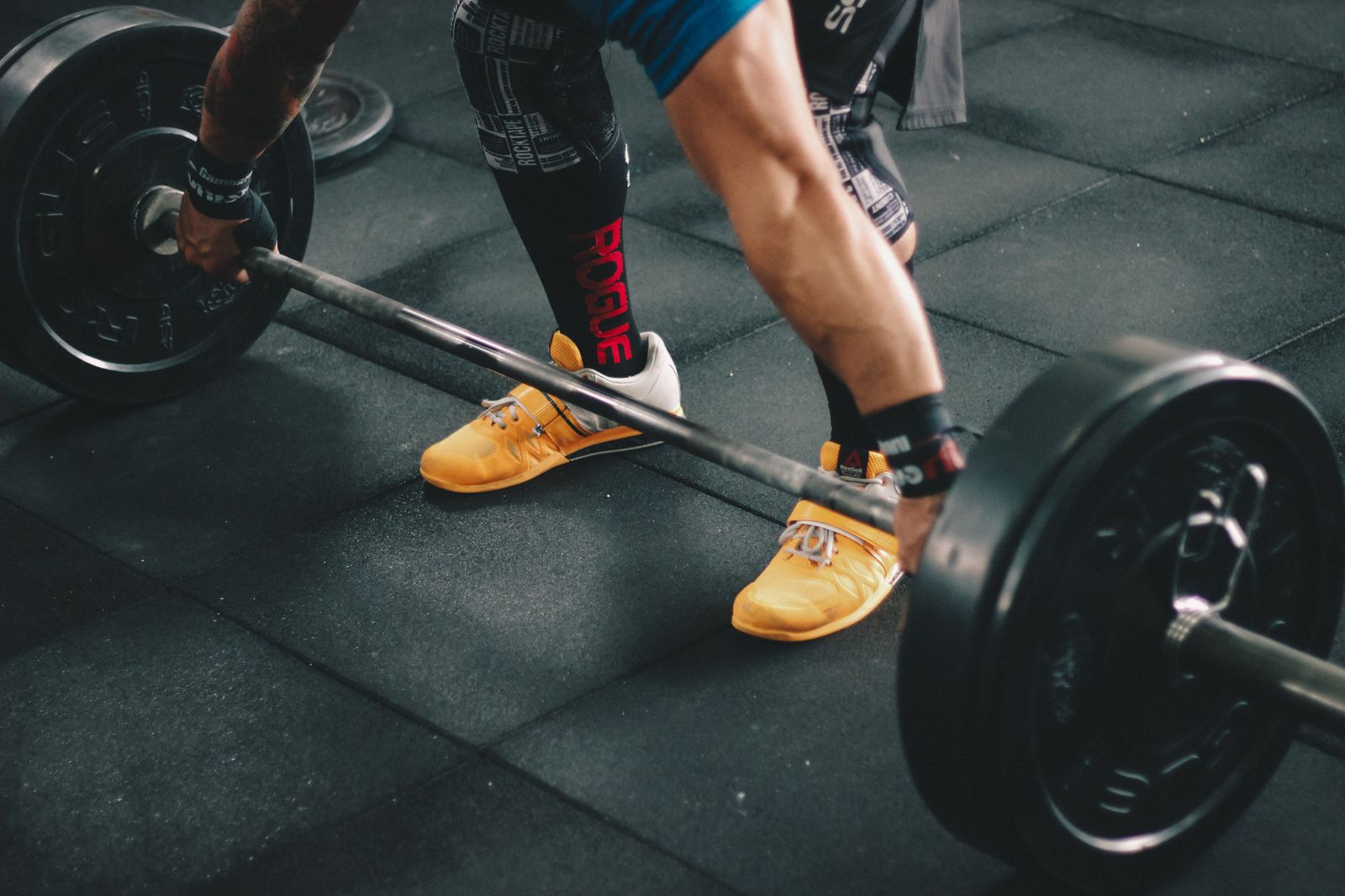
Here’s a big one. I used to think endless cardio would melt the fat off. What actually worked far better was combining strength training with some cardio. Strength work keeps your muscle while you lose fat, and muscle helps you stay leaner over time.
You don’t need anything fancy for this. Push-ups, squats, basic resistance work done consistently change your body over time. Consistency beats intensity here, like it does everywhere else.

Sleep and Recovery Matter More Than People Think
Sleep is something I can’t stress enough. Have you ever noticed how cravings get worse when you’re tired, or how a stressful week wrecks your eating?
When I started prioritising 7 to 8 hours of sleep, scheduling real rest days, and managing stress with walks or just unplugging from my phone, things got noticeably easier. Better rest meant fewer cravings and more steady energy, which made staying consistent far less of a fight. Recovery isn’t separate from results. It’s part of them.
Tracking Progress Without Obsessing
I stopped fixating on the scale and started looking at trends instead: was I getting stronger, did I have more endurance, was my energy better, did my clothes fit differently?
Sometimes the scale didn’t move at all, but everything else was improving. That’s still progress, and learning to see the bigger picture is what kept my motivation up and my frustration down.
Learning From My Mistakes
I made plenty of mistakes. I skipped workouts, overdid it on snacks, and at one point tried an extreme calorie cut while ramping up my training hard.
That last one taught me a lot. The result was fatigue, constant cravings, and terrible workouts. Cutting too hard backfired completely. What finally produced steady results was the opposite of extreme: eating enough nutrient-rich food, pacing my training sensibly, and being patient. Sustainable beat aggressive every time.
The Bottom Line
Weight loss isn’t about doing more. It’s about doing the right things consistently.
Build habits you can actually keep. Focus on energy and performance, not perfection or a single number. Combine strength training with some cardio. Prioritise sleep, recovery, and managing stress. And be patient, because the dramatic shortcuts tend to backfire, while the boring consistent stuff quietly works.
Switching from short-term dieting to long-term habits is what changed my results for good. I went from frustrated and inconsistent to lean, energised, and steady, with no drugs, no extreme measures, and no magic products. Just consistency, given enough time.
