




This guide was written and reviewed by Serge, MSc . As a martial artist and natural lifter with over 10 years of training experience, what I share comes from my own training and from digging into the research behind it.
Affiliate disclosure: This site has affiliate links, including Amazon. As an Amazon Associate I earn from qualifying purchases, at no extra cost to you.
After more than ten years of natural lifting, I’ve learned that recovery isn’t the boring part you do between workouts. It is the part where the results happen. Muscle is built while you recover, not while you train. Early on I underestimated that and slowed my own progress. Once I started taking recovery seriously, everything improved.
Here’s what really helps me recover, kept simple, because the basics matter far more than the fancy stuff.
Sleep Is the Biggest Lever by Far

If I could only fix one thing about someone’s recovery, it would be sleep. It’s where your body does most of its repair, and nothing else comes close. Early on I got by on too little, and my progress and energy suffered for it.
Now I treat sleep as non-negotiable. Aim for a consistent, solid night’s rest, keep the room cool and dark, and get off screens for a bit before bed. No supplement, gadget, or technique makes up for poor sleep, and good sleep quietly fixes a lot of what people blame on other things.
Active Recovery Beats Lying Around

I used to think complete rest was the best recovery. It isn’t, at least not on its own. Gentle movement on off days does more for me.
This is where my forest walks come in. A couple of easy walks a week, plus some light movement, keeps blood flowing to sore muscles and helps me feel fresher for the next session. It doesn’t need to be a workout, just easy, low-intensity movement. Walking, an easy cycle, anything that gets you moving without taxing you. For me the outdoor walks do double duty, they help my body recover and clear my head, which I’ve written about separately.
Keep Up Mobility Work
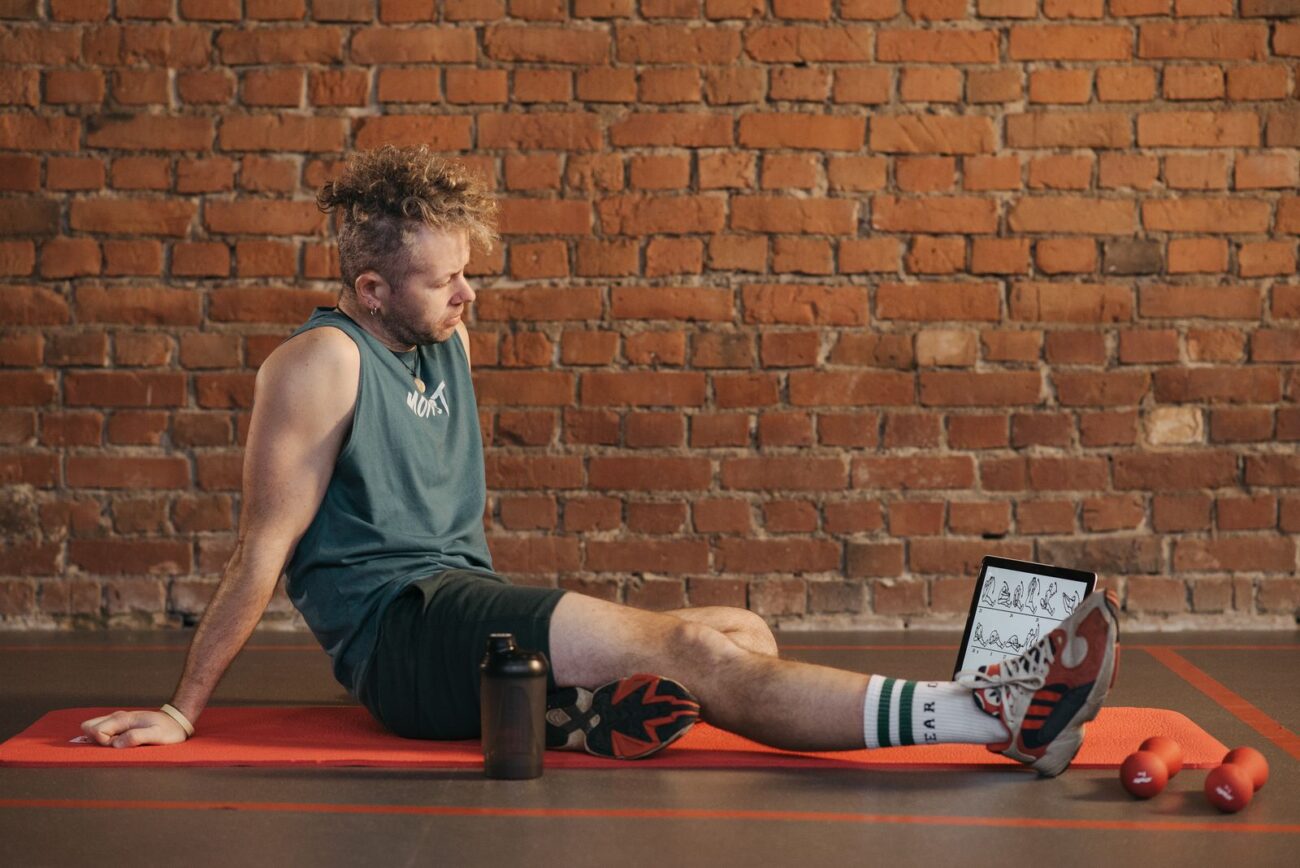
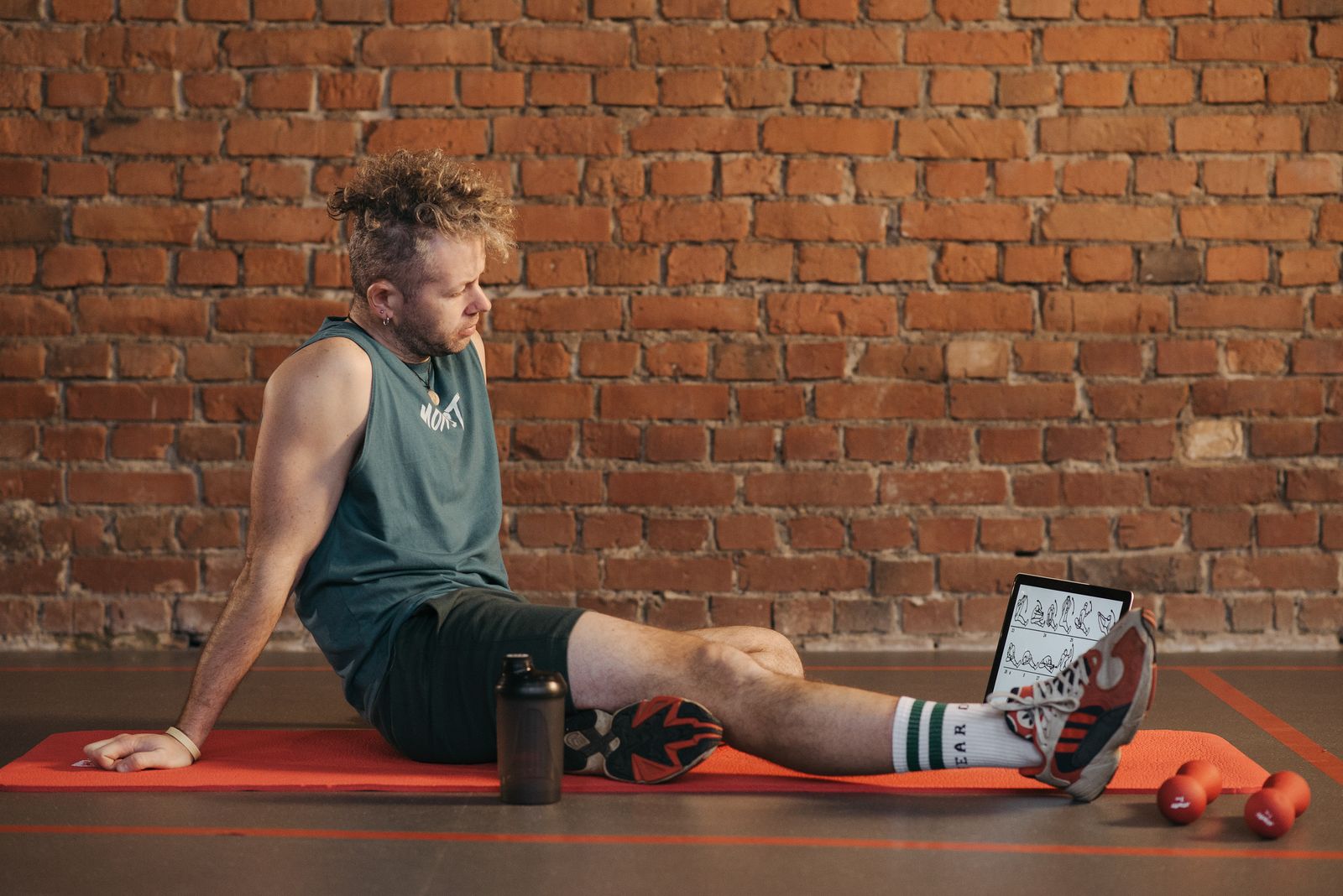
I do dedicated flexibility and mobility work once a week, usually on a rest day. It keeps me loose, maintains my range of motion, and feeds straight back into good form and staying injury-free. I keep it separate from my lifting days, because mobility work is its own job, not a pre-lift warm-up.
I’ve gone deeper into why I think flexibility is the real key to training injury-free in another post, but for recovery purposes, just know that staying mobile helps your body bounce back and move well.
Eat Enough Real Food
Recovery runs on food, but it doesn’t need to be complicated or involve any special products. The main thing is getting enough quality protein from real food, chicken, fish, eggs, beans, and lentils, across the day, since that’s what your muscles rebuild with. Around that, eat a sensible, varied diet with plenty of whole foods.
You don’t need to obsess over exact grams or rush a shake in some narrow window after training. That stuff is overstated. Eat enough good food consistently, and your recovery is mostly handled.
Stay Hydrated
Hydration is easy to overlook but it matters for how you feel and perform. Being low on fluids leaves you flat, crampy, and slow to recover. Drink steadily through the day, and a bit more around hard or hot training sessions when you’re sweating more. Keep it simple, water through the day is the foundation.
Manage Stress
This one’s underrated. When life is stressful and my head is full, my recovery and my training both suffer. Stress works against the very state your body needs to repair and grow in.
So I treat managing it as part of recovery, not something separate. Getting outside, decompressing, keeping life manageable. My forest walks help here too, as much mentally as physically. A calmer head recovers better, in my experience.
The Optional Extras
A few recovery methods get a lot of attention, and some people swear by them: steam rooms, warm Epsom salt baths, foam rolling, massage or a massage gun. If you enjoy them and they help you feel looser and more relaxed, there’s no harm in using them. They can feel good and aid relaxation.
But I’d put them firmly in the “nice extras” category, not the essentials. They’re the cherry on top, not the cake. If your sleep, movement, food, and stress are sorted, these can add a little. If those basics aren’t sorted, no amount of foam rolling or steam will save your recovery. Get the foundation right first.
A Note on Cardio and Recovery
Light cardio is useful for recovery, not just fat loss. Easy walking or cycling boosts circulation and helps deliver blood to sore muscles. The only caution is not to overdo it, piling on excessive hard cardio can eat into your recovery and your gains. Keep recovery cardio genuinely easy, and it helps rather than hurts.
It Happens During Recovery
After a decade of natural lifting, the lesson is simple: muscle growth doesn’t happen in the gym, it happens while you recover from the gym. Get the basics right, sleep, easy movement, enough real food, hydration, and managing stress, and you’ll recover faster, train better, and keep progressing.
The fancy recovery tools are optional. The basics are not. Take care of those, and your body will reward you for it.
