




This tool was built by Serge (MSc) using established strength-training formulas. My background is a lifelong natural lifter with over a decade of drug-free training and a science background (MSc).
My tools are for educational purposes and give practical guidance, not professional advice.
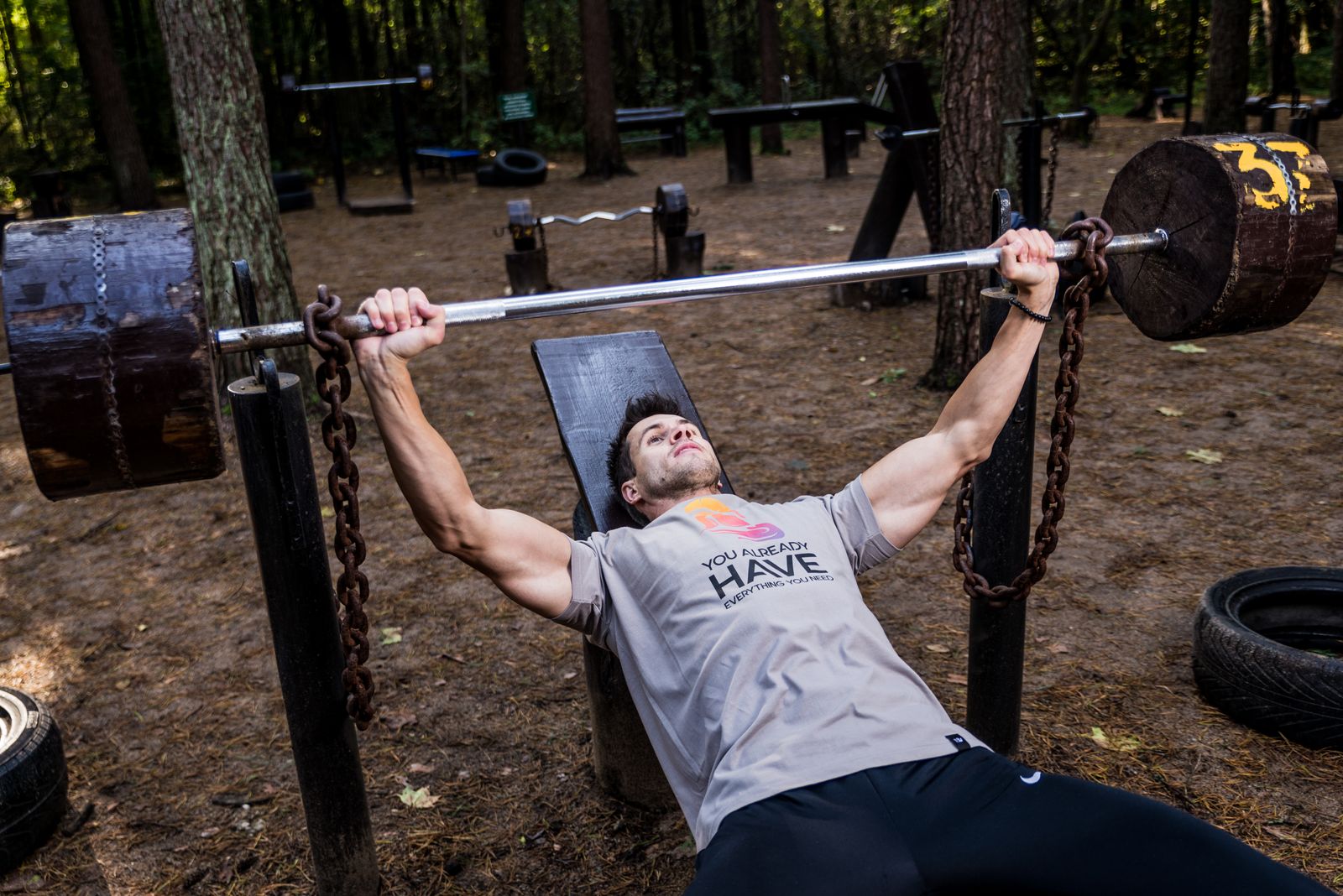
Your one-rep max is the most weight you can lift for a single rep of an exercise. Testing it directly can be risky, so most lifters estimate it from a set they can already do.
Enter a weight and the reps you managed with it, and this tool estimates your one-rep max and gives you a percentage table to plan your working sets. The result is an estimate, not an exact figure.
| Percent of 1RM | Weight | Good for |
|---|---|---|
| 90% | Heavy strength, low reps | |
| 85% | Strength work | |
| 80% | Strength and size | |
| 75% | Muscle building | |
| 70% | Higher-rep sets |
How This Works
This calculator uses two well-known strength formulas, the Epley formula and the Brzycki formula, and averages them for a balanced estimate. Both take the weight you lifted and the number of reps and project what you could lift for a single rep.
The fewer reps you enter, the more accurate the estimate, because the projection is smaller. Sets in the 3 to 6 rep range give the most reliable result.
Understanding Your Result
The main number is your estimated one-rep max. The percentage table below it shows common training loads based on that estimate, so you can pick a weight to match your goal.
Lower reps at higher percentages build strength, while higher reps at lower percentages build size and endurance. Treat these as starting points and adjust to how the weight feels on the day.
Important Limitations
This is an estimate, not a measured max. Your true one-rep max depends on the exercise, your technique, your fatigue, and how you respond to heavier loads.
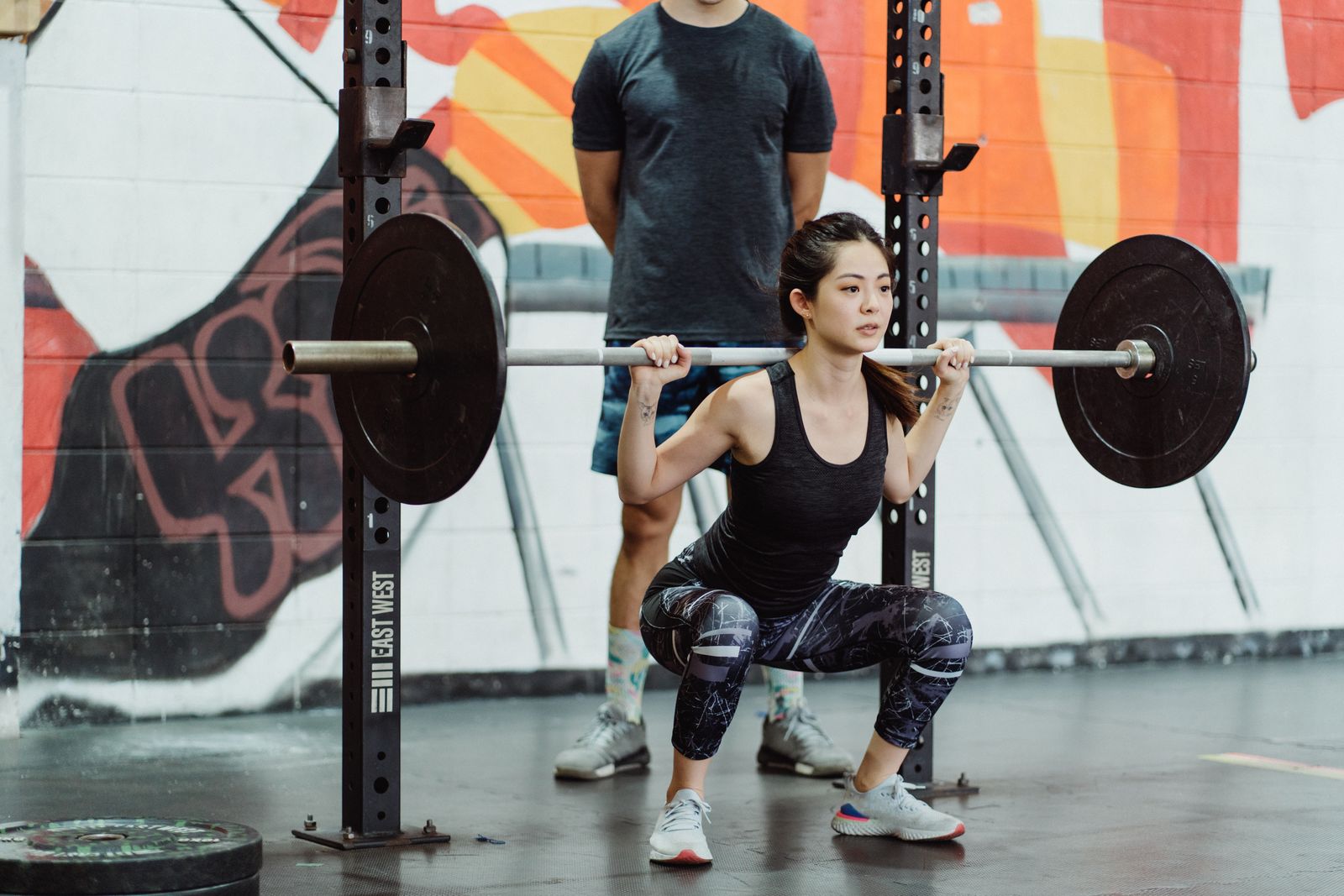
The estimate is least accurate when you enter high rep counts, so keep the reps low for the best guide. Always warm up properly and use a spotter or safety bars when lifting near your limit.
Related Reading
If you want to build the strength behind a bigger max, see my guides on getting your first pull-up, building a strong and resilient back, and training the core for lifters.