





Convert Any Lift in Seconds and Load It Right
Type a weight in either box and see the other unit straight away, plus the nearest number you can actually put on the bar.
This tool was built by Serge (MSc) using the standard conversion of 1 kg to 2.20462 lb. My background is a lifelong natural lifter with over a decade of drug-free training and a science background (MSc).
My tools are for educational purposes and give practical guidance, not professional advice.
Programs come written in one unit and gyms are stocked in the other. Doing the maths in your head between sets is how people end up loading the wrong weight.
What I Use This For
I reach for a converter whenever a program or a video uses the other unit, and I always read the loadable number rather than the exact one. The exact figure is often something like 102.06 kg, which no set of plates can make.
That is why I recommend rounding to a weight you can really load. A small difference of a few hundred grams will not change your training, but loading the wrong plates will cost you a set.
How the Rounding Is Chosen
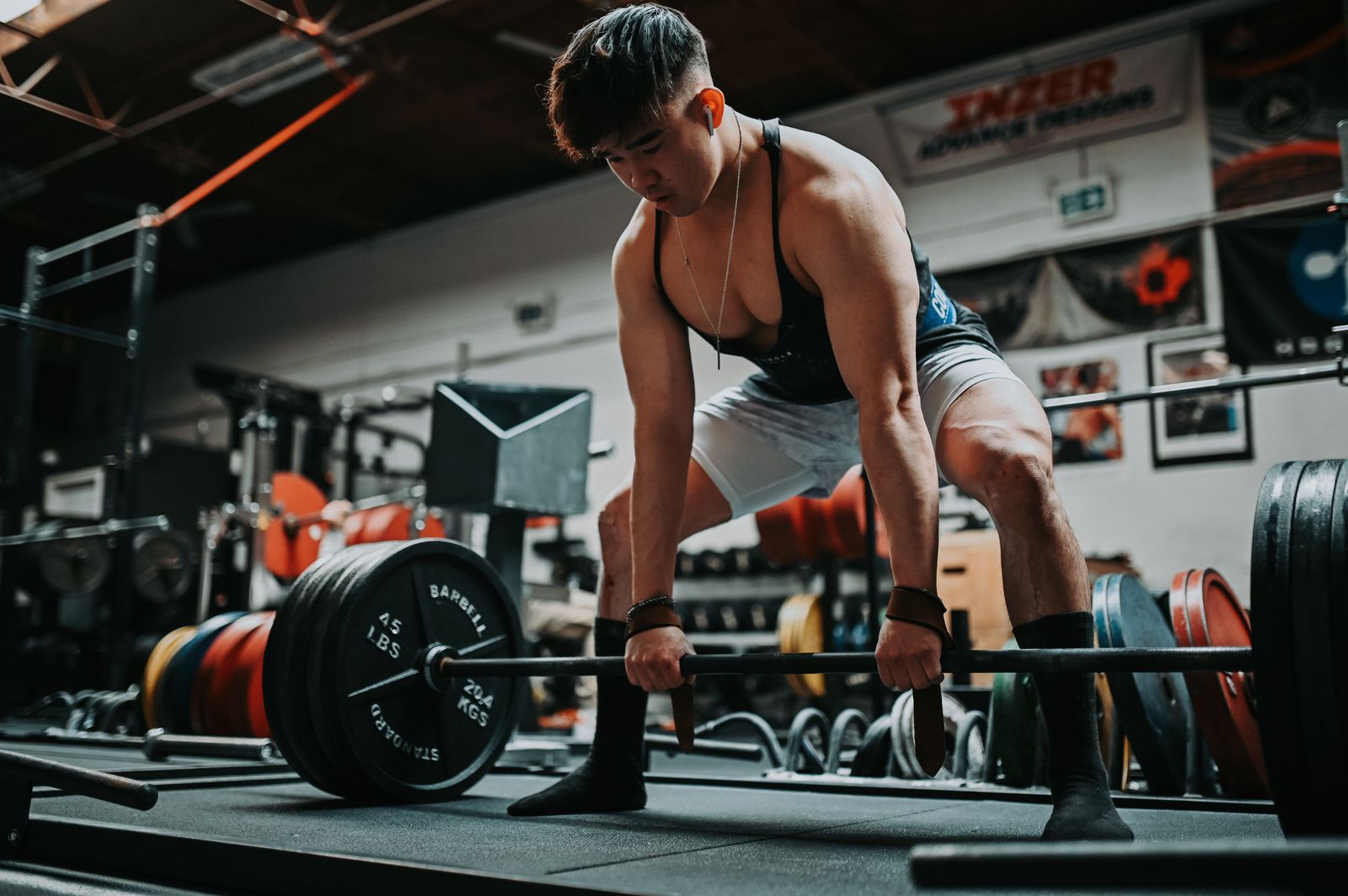
Kilograms are rounded to the nearest 2.5 kg, because a pair of 1.25 kg plates is the smallest standard jump on most bars. Pounds are rounded to the nearest 5 lb, which matches a pair of 2.5 lb plates.
If your gym has fractional plates, you can load closer to the exact figure, and the converted number shown above is the one to aim for.
Common Weights at a Glance
Kilogram plates and bars
Pound plates and bars
Tools to Use Next
Once your numbers are in the right unit, the strength standards calculator shows how your lifts compare for your bodyweight.
And if you are not sure when to move to a heavier weight, the progressive overload calculator gives you the next step after each session.