



This guide was written and reviewed by Serge, MSc . As a martial artist and natural lifter with over 10 years of training experience, what I share comes from my own training and from digging into the research behind it.
Affiliate disclosure: This site has affiliate links, including Amazon. As an Amazon Associate I earn from qualifying purchases, at no extra cost to you.
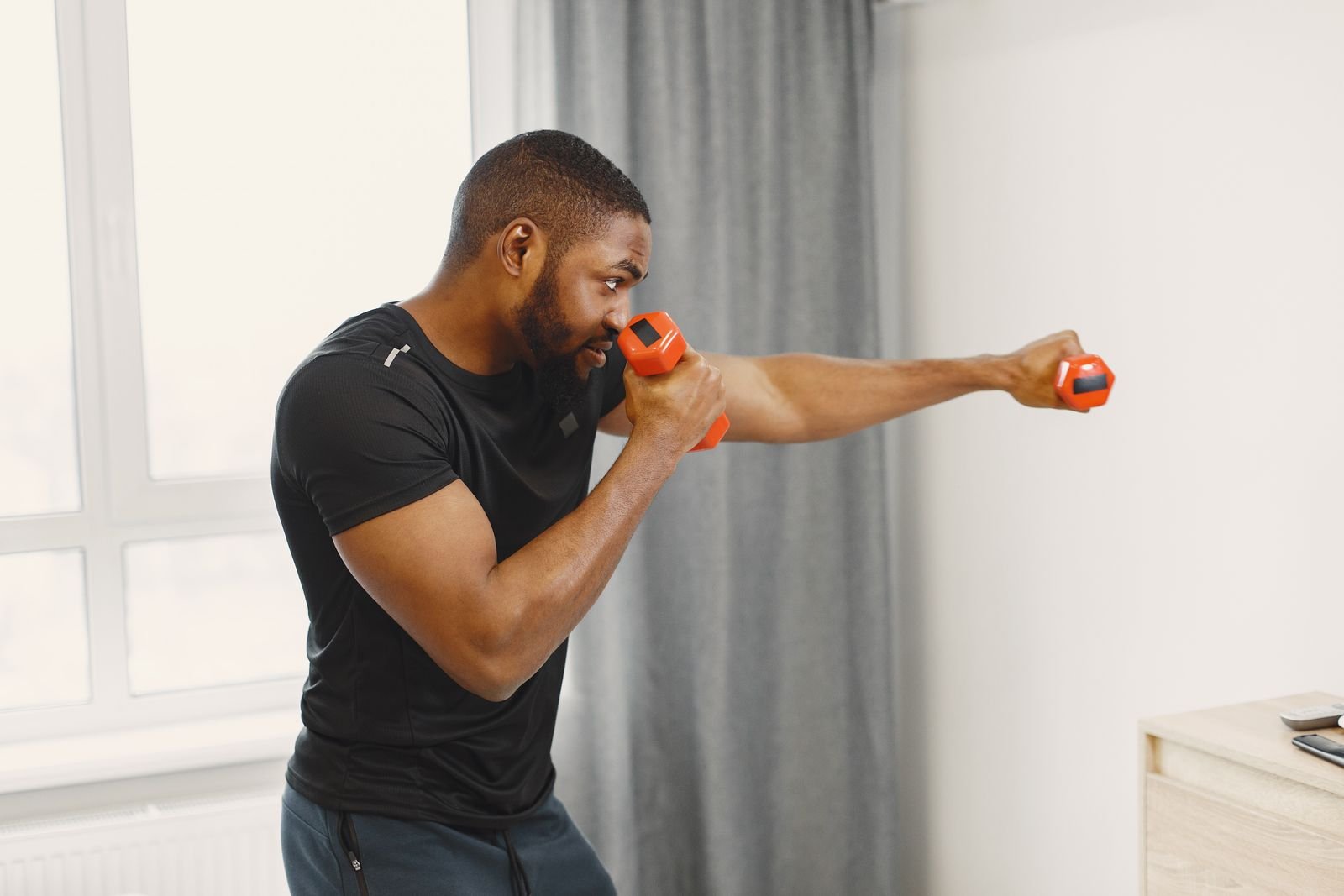
Does lifting weights slow down martial artists?
For years, I thought it did. I have practiced martial arts for more than 15 years, and for most of that time I did not lift at all.
That belief changed because of a friend in the same dojo.
This post is what I saw, what I tried, and what happened in practice.
Why Many Martial Artists Avoid Lifting
The idea is common in dojos. People say big muscles make you stiff. They say a heavier body means slower hands.
My own worry was my gyaku tsuki, the reverse punch in karate. Speed is the whole point of that technique. I did not want to lose it.
So I stayed away from the weights for years. I never tested the idea. I just repeated what I had heard.
The Friend Who Proved It Wrong
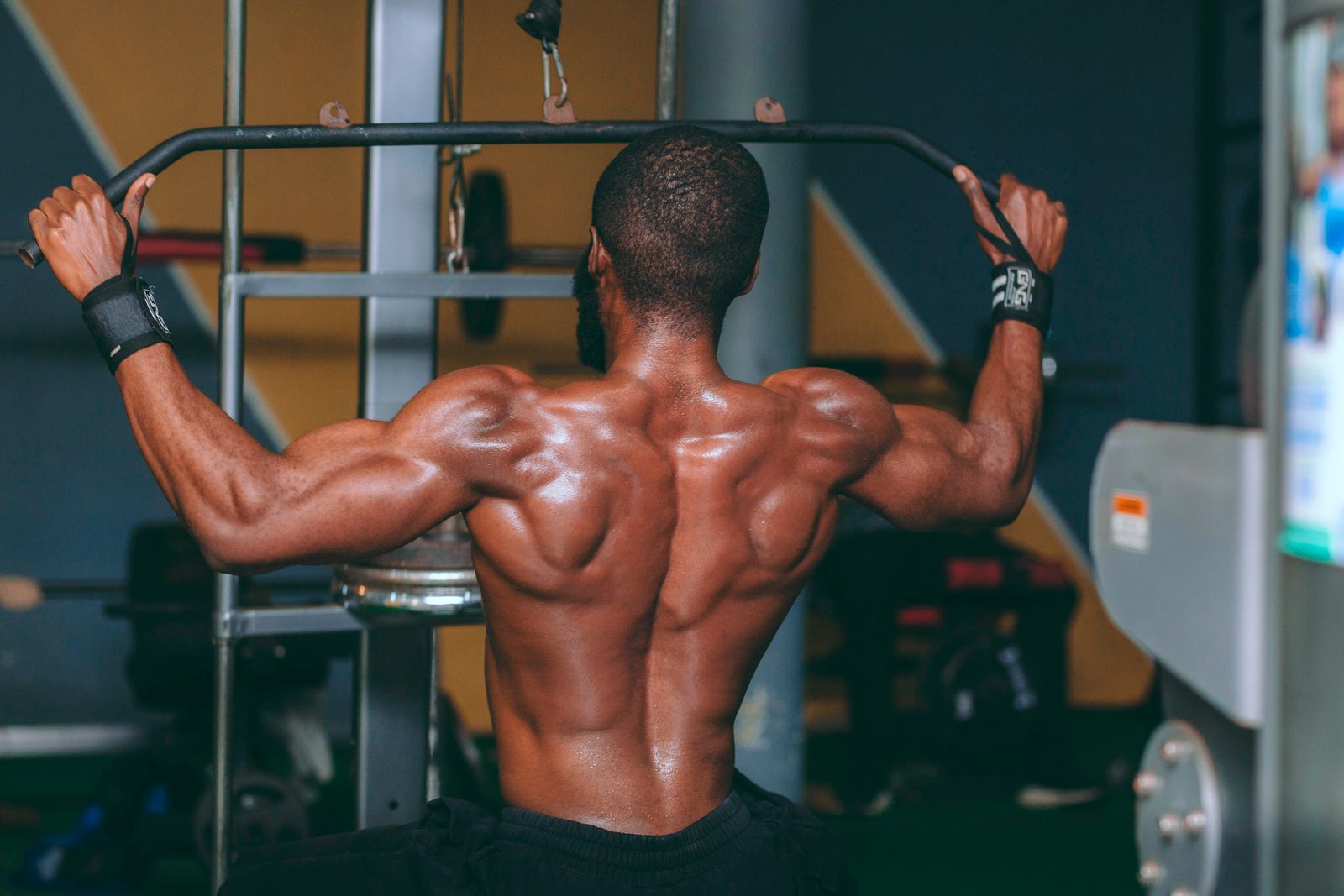
One day I noticed a friend from my dojo. He looked clearly more muscular than before. I asked him what he had changed, and he told me he lifted weights.
I remembered what people said about speed. But he was still fast. His techniques had not slowed down at all.
His new look also made other fighters in the dojo curious. Some of them started to think about lifting too.
What I Saw in His Garage Gym
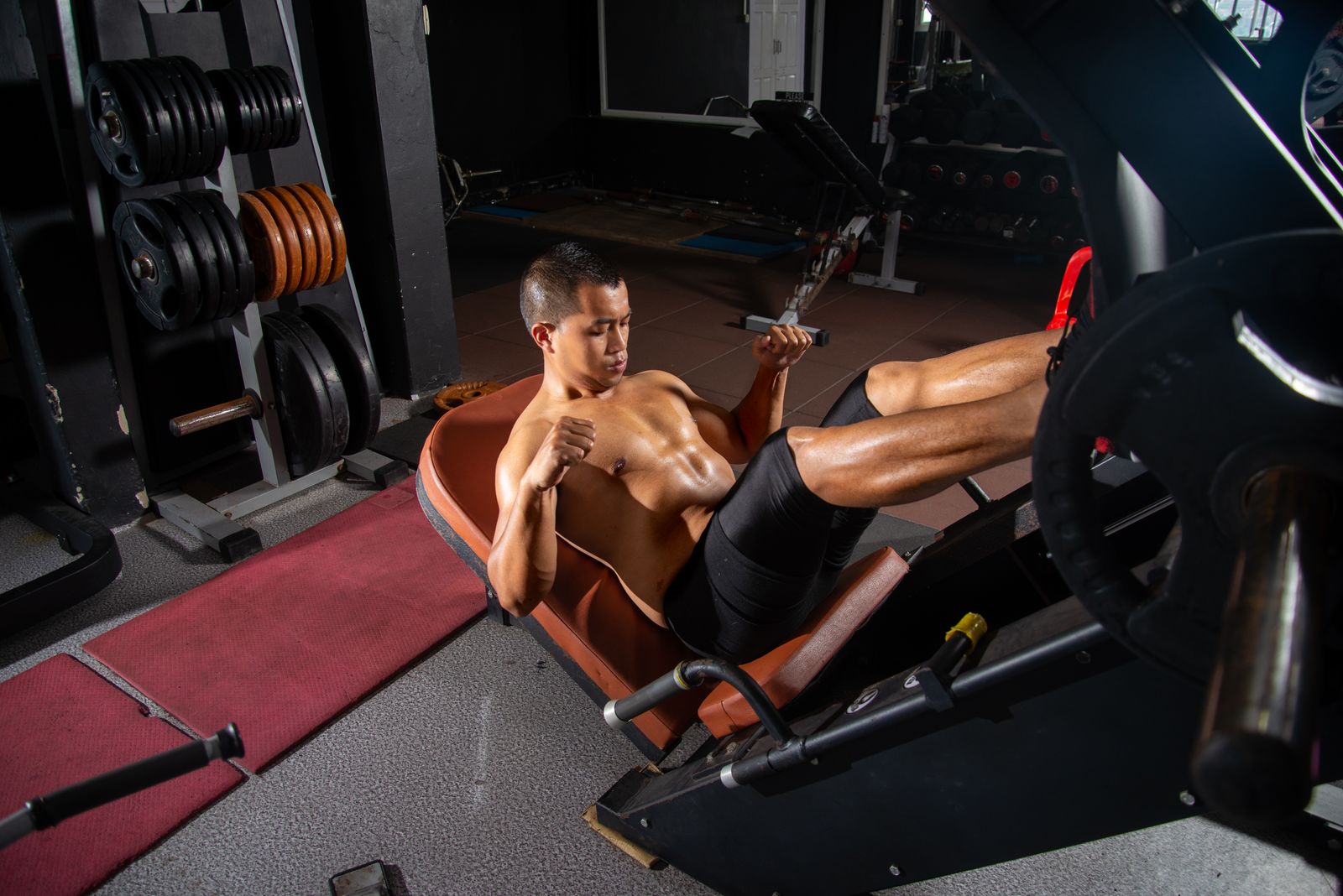
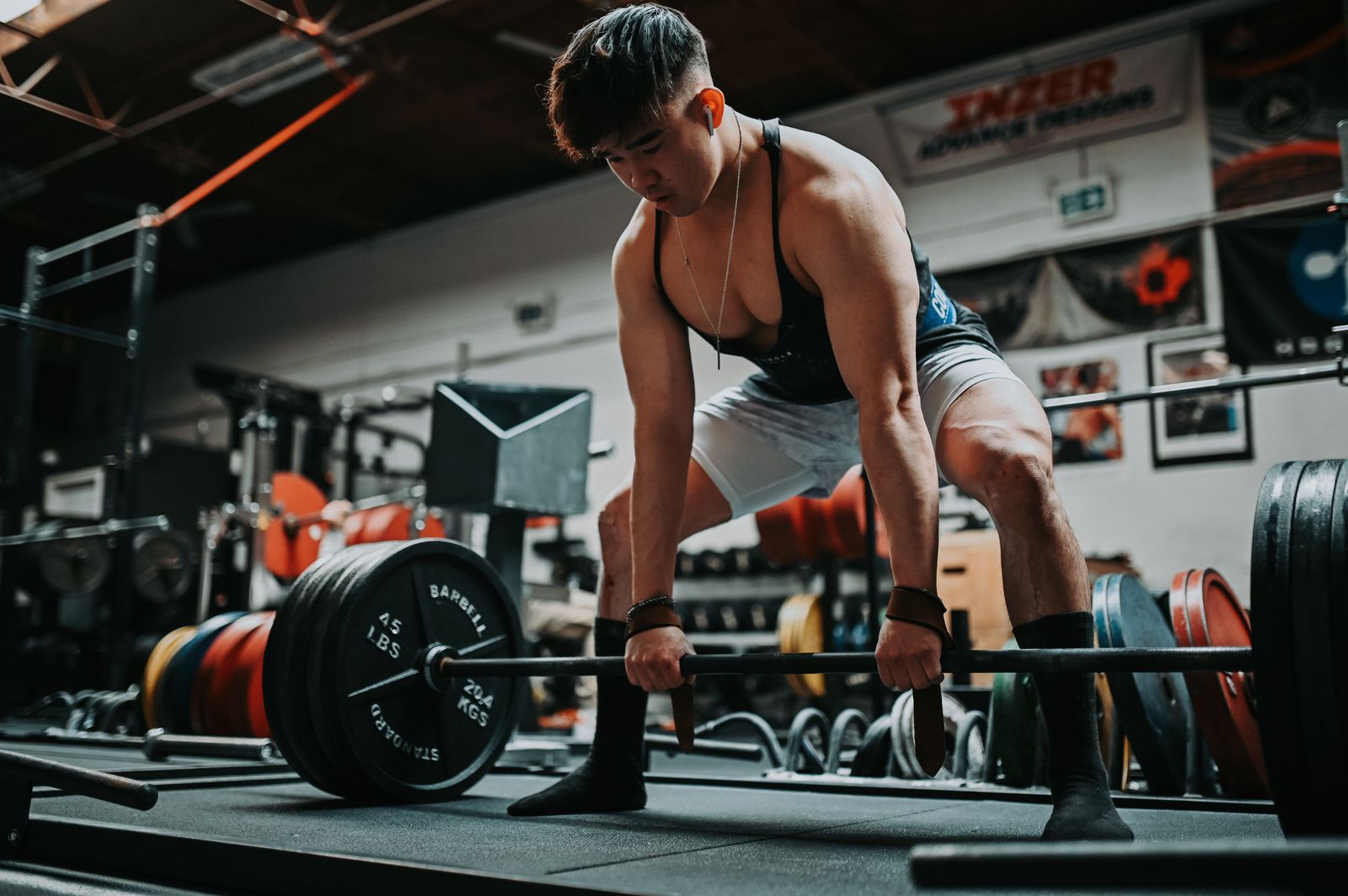
A few weeks after I asked, he showed me how he trained. His gym was a garage. It was a simple setup.
What caught my attention was how he moved. He did not lift in slow motion. Every rep was fast and strong.
He extended fully on each one, as if he were throwing the weight away from him. That is when I understood. Lifting did not have to be slow and grinding.
How We Trained
We trained two to three days a week. We always did it on our days off from martial arts, so the two never clashed.
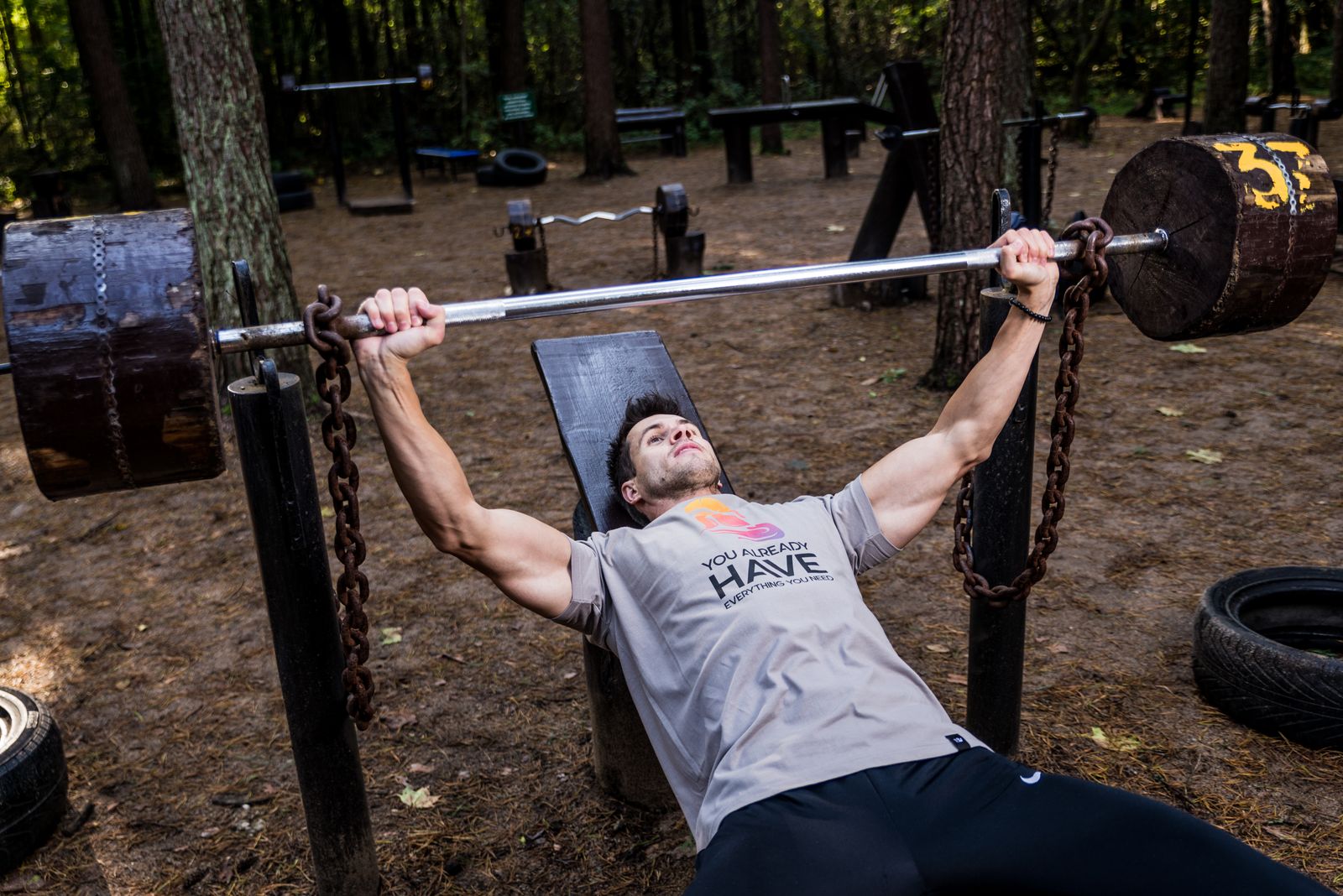
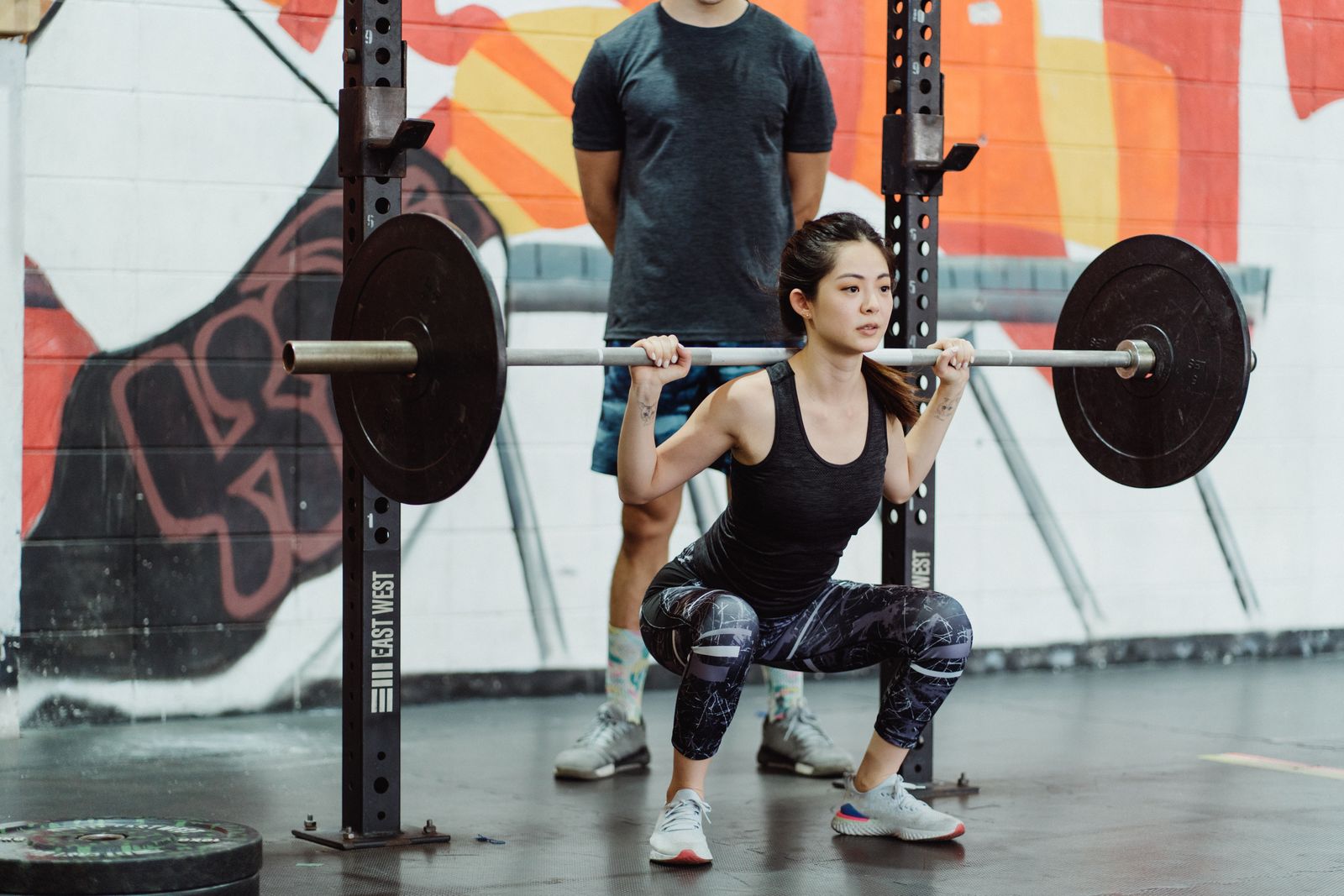
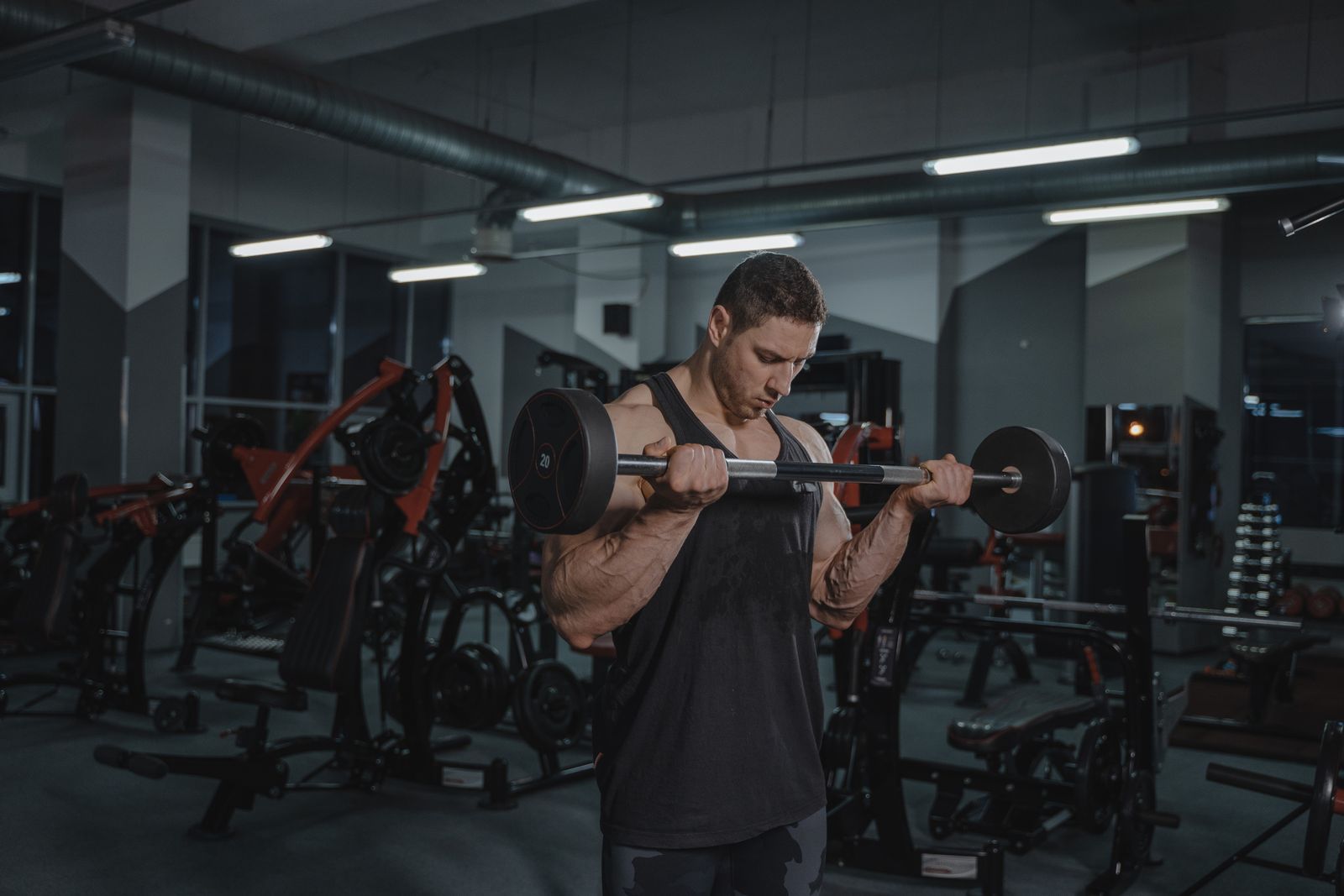
We mainly did bench press and skull crushers, plus work for the biceps. We trained legs rarely, and when we did, it was half squats. Every rep was done with fast intent.
The main idea was speed of effort. Each rep was pushed fast and finished fully, much like a punch.
What Changed in Practice
After I started lifting, I noticed something funny in practice with partners. Many of them could no longer block my punches.
My partners told me my punches felt heavy and aggressive. That was their description, not mine. It was not something I planned.
My speed was not the problem I had feared. The change I felt was in how my punches landed on others.
What I Would Tell You Now
The lesson was about intent. A rep done fast, with full extension, trains a different quality than a rep crawled through. It also matched what I already knew from martial arts, where a good punch is fast and finished.
One thing to add. Our legs got very little work, and that is a gap. If you start lifting, give your legs real attention, since martial arts depends on them. The Dumbbell and Band Home Program includes lower body work you can do at home.
How I Fit Both Into a Busy Week
Life is busy now, so I do not train every day. I still practice martial arts once or twice a week.
Because time is short, I keep lifting simple. I focus on the main movements and good effort, not long sessions. If you are short on time too, the Minimum Effective Dose Plan is built around that idea.
You can read more in the least amount of exercise you need to see results. Rest also matters, so see how long to rest between sets.
If You Practice a Martial Art and Want to Start Lifting
Start light and learn the movements first. Keep the reps short and fast, and stop before your speed drops. That is how we trained, and it is different from slow, high-rep bodybuilding sets.
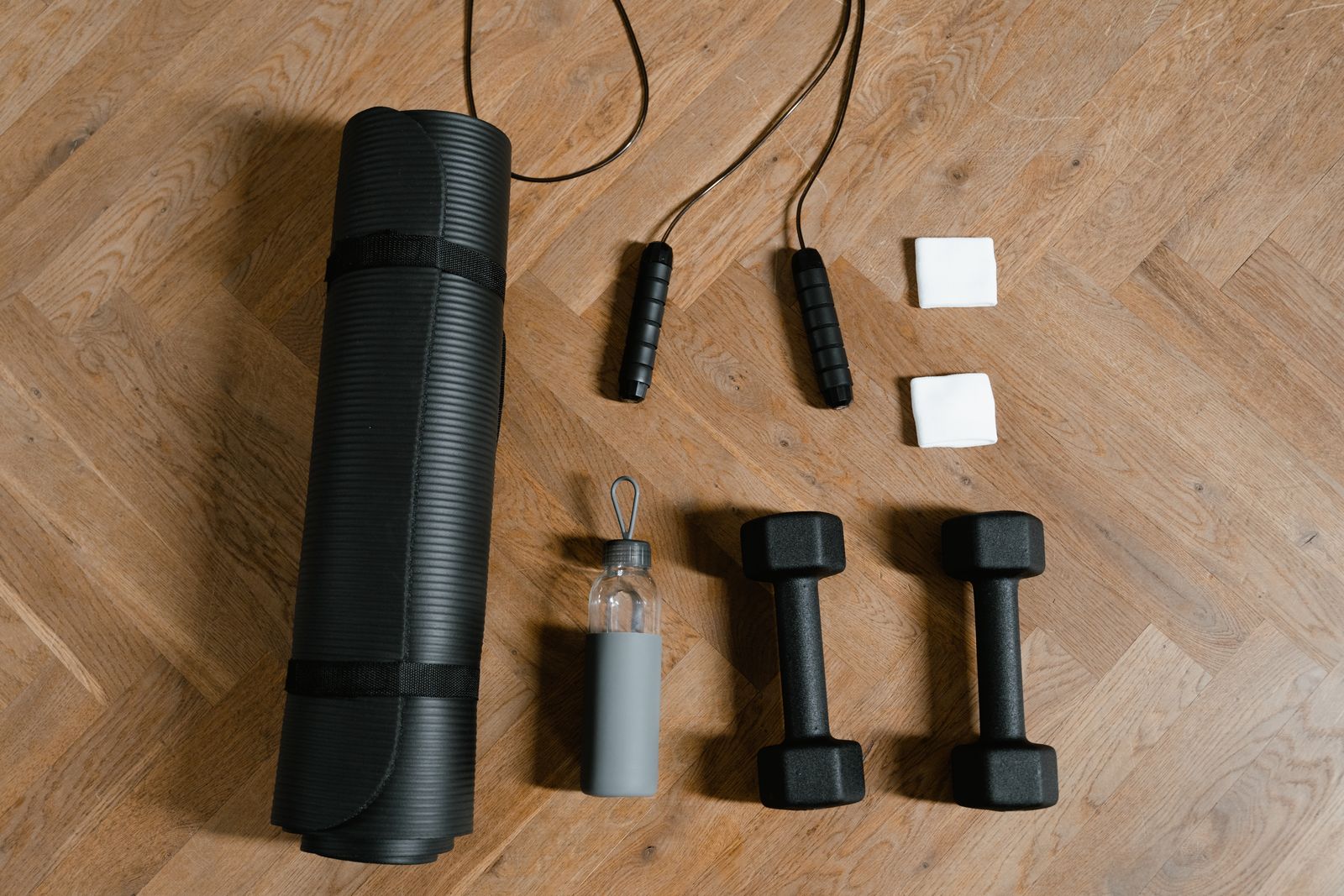
You do not need a big gym. My friend started in a garage. If you are new to lifting, how to start strength training as a beginner covers the basics. See also whether working out at home can build muscle.
Keep your mobility, since martial arts rewards it. Read staying flexible as a natural lifter and try the Hip and Shoulder Mobility for Lifters guide.
A hard sport background also helps, as I wrote in why starting with a challenging sport builds a better foundation.
My Takeaway
More than 20 years of martial arts taught me discipline and body control. A visit to a garage gym taught me that strength and speed can grow together. I wish I had tested the idea sooner.
If you practice a martial art and fear lifting will slow you down, try it with good form and fast, controlled effort. Pay attention to how you feel and move. Your own result is the best proof.
This post shares my personal experience and is not medical advice. If you have an injury or a health condition, talk to a doctor or qualified coach before you change your training.
