



This guide was written and reviewed by Serge, MSc . As a martial artist and natural lifter with over 10 years of training experience, what I share comes from my own training and from digging into the research behind it.
Affiliate disclosure: This site has affiliate links, including Amazon. As an Amazon Associate I earn from qualifying purchases, at no extra cost to you.
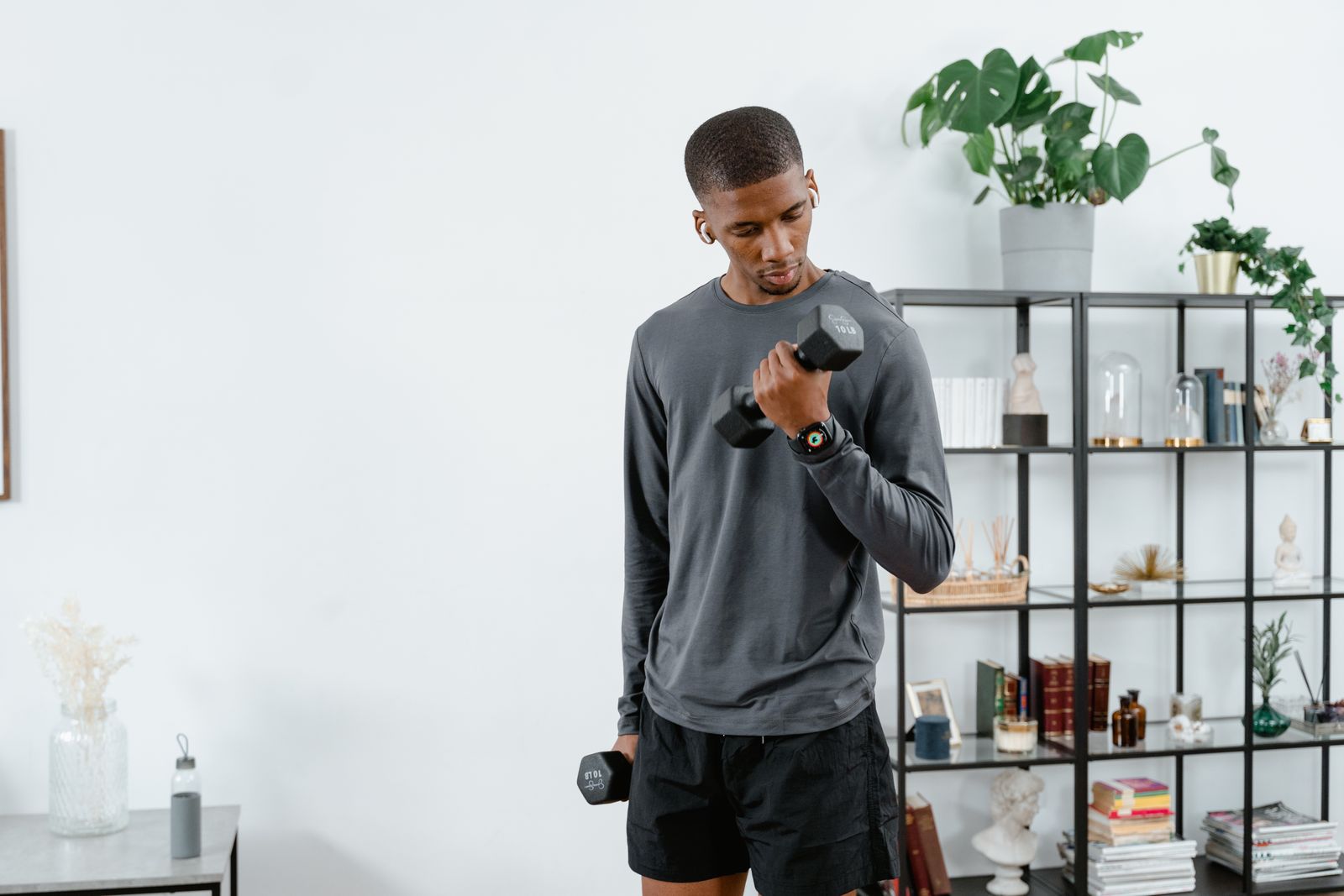
Someone asked me the other day if it’s possible to build muscle at home. I smiled, because I hear it all the time. The short answer: absolutely.
The longer answer is that it takes some creativity, consistency, and a willingness to challenge yourself, but you don’t need a gym to see results.
Let me walk you through exactly how I approach it, so you can do it too.
Why People Think You Can’t Build Muscle at Home
A lot of people think you need barbells, machines, and a fancy gym to grow muscle. And yeah, heavy weights make things easier. I use them myself sometimes, because I love lifting heavy and pushing limits. But muscle growth comes from challenging your muscles consistently, not from the location or the brand of equipment.
At home, your tools might be different, bodyweight, bands, dumbbells, or even household items, but the principle is the same. You just have to know how to make your muscles work hard enough.
Can You Build Muscle at Home Without Any Equipment?
This is the question I get most, so let me answer it directly: yes, you can build muscle at home with no equipment at all, especially as a beginner.
The key is bodyweight training done smart. Push-ups, squats, lunges, and planks are often underestimated, but they can be incredibly effective if done correctly.
It’s not about cranking out endless reps. It’s about feeling the tension in the muscles, moving slowly, pausing at the hardest point, and progressing to tougher variations as you get stronger, like single-leg squats, decline push-ups, or archer push-ups.
When you approach bodyweight exercises this way, even simple movements create serious muscle fatigue and real growth over time. The trick is to keep making them harder as your body adapts, not just doing the same easy reps forever.
Building Muscle at Home With Dumbbells or Resistance Bands
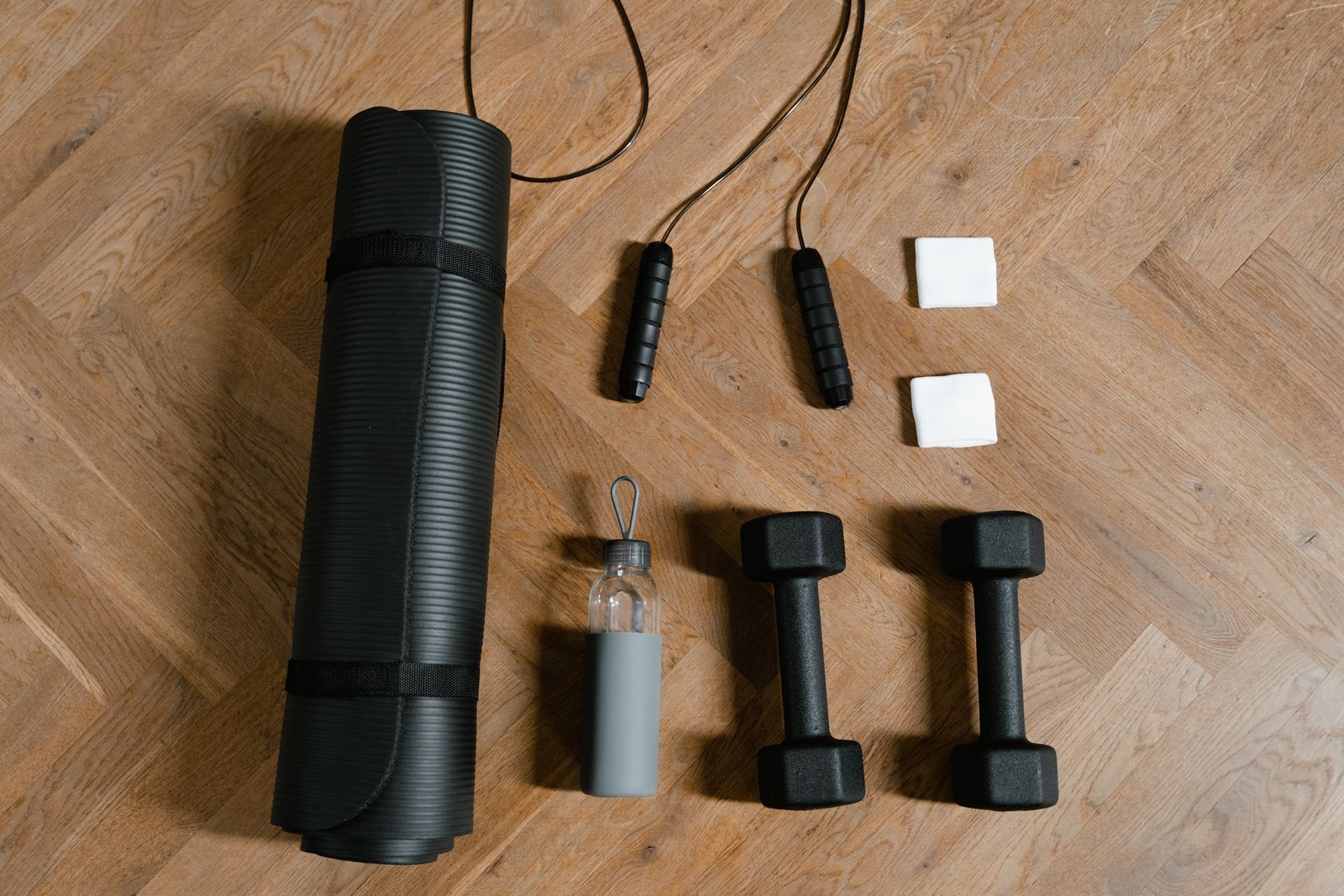
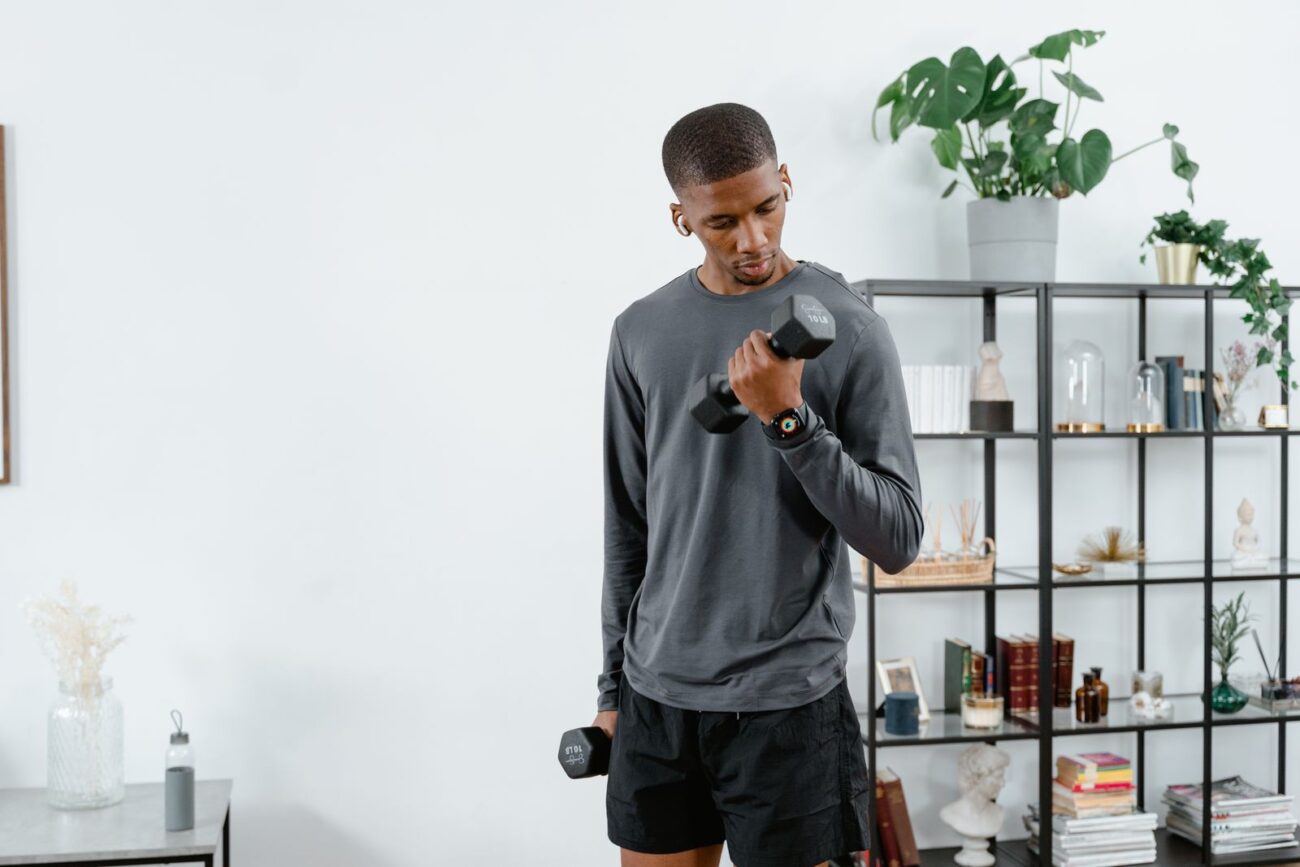
If you have a little equipment, things get even easier. A small pair of adjustable dumbbells and a resistance band can completely change your home workouts, and honestly, they can last you years.
I use them for rows, presses, curls, and pull-aparts to hit all the major muscle groups. The best part is you can gradually increase the difficulty as your strength improves, which is exactly what muscle growth requires.
No dumbbells? No problem. I’ve often used a backpack loaded with books or water jugs for weighted squats, lunges, and presses. The important thing is progressive overload. Even unconventional weights can push your muscles enough to grow.
Household Hacks: Building Muscle With What You Already Own
You don’t need a gym for creative resistance. Chairs, towels, and backpacks can all become powerful tools.
I’ve done dips on chairs, sliders with towels, and added weight to backpacks for squats. Step-ups on a sturdy couch or pull-ups from a solid door frame work surprisingly well too.
The trick is making your muscles work hard enough to adapt, no matter the equipment. With a little imagination, almost any household item can become a tool to challenge your strength.
A Simple Weekly Home Muscle-Building Plan
People often ask how I’d structure a home muscle routine. Here’s an example I often suggest:
Monday: Push-ups, lunges, planks, Bulgarian split squats with a backpack. Tuesday: Dumbbell or band rows, presses, curls, pull-aparts. Wednesday: Conditioning, stairs, jump rope, or HIIT circuits. Thursday: Mobility and core work, to keep your joints healthy. Friday: Mix of bodyweight and dumbbell exercises, focusing on weaker muscles. Saturday: Martial arts drills or agility work. Sunday: Rest or gentle stretching.
Even if you only have 30 to 45 minutes, you can make it count by tracking reps, sets, and how hard each exercise feels, then increasing the intensity over time.
Common Mistakes People Make
Not progressing. Doing the same push-ups or squats week after week won’t help you grow. Add weight, slow down, or increase reps gradually.
Skipping weak areas. Glutes, back, and core are easy to neglect. I always include exercises to balance the body.
Rushing reps. Fast, sloppy movements don’t stimulate growth. Slow, controlled reps with real tension are key.
Ignoring recovery. Muscles don’t grow during the workout, they grow when you rest. Even at home, recovery matters.
Realistic Expectations
First month: you might feel stronger, your muscles tighter, with better endurance.
3 to 6 months: visible changes. Your arms, chest, legs, and glutes start showing more definition.
1 year: significant, sustainable muscle growth, enough that friends might ask if you joined a gym.
How I Stay Motivated at Home
Some people struggle with home workouts because there’s no gym vibe or trainer pushing them. A few things help me.
Track progress. Use a notebook, app, or spreadsheet to log every rep, set, and any added resistance. Tracking keeps you accountable and shows you the improvement over time. Even small increases feel rewarding.
Mix it up. Change exercises, vary your tempo, or shuffle the order of your routine regularly. It keeps workouts interesting and challenges your muscles in new ways.
Set mini-challenges. Give yourself achievable goals, like a harder push-up variation, a little more weight in the backpack, or more time under tension. Small wins keep you pushing week after week.
Summary
So yes, you can build muscle at home. I’ve done it, and I see it every time someone stays consistent and gets creative. You don’t need fancy equipment. You need structure, effort, and a plan that pushes your muscles progressively.
Building muscle at home also teaches you discipline and creativity. You learn to make the most of what you have, focus on the work, and celebrate small improvements. Over time, those small gains add up, and suddenly your home workouts are producing real, noticeable results.
FAQs
Can you build muscle at home without any equipment?
Yes, especially as a beginner. Bodyweight exercises like push-ups, squats, and lunges build real muscle when you focus on tension, control, and progressing to harder variations over time.
Can you build muscle at home with just dumbbells?
Yes. A single pair of adjustable dumbbells lets you train every major muscle group through rows, presses, curls, squats, and more. As long as you keep increasing the challenge, you’ll grow.
Can resistance bands build muscle?
Yes. Bands provide real resistance and are easy to progress by using thicker bands or increasing tension. They work especially well for back, shoulders, and arms.
How often should I train at home to build muscle?
For most people, 3 to 5 focused sessions per week targeting all major muscle groups, with rest days in between. More isn’t better if it costs you recovery.
How soon will I see results?
You can feel stronger in 4 to 6 weeks, see visible progress in 3 to 6 months, and achieve significant growth over a year of consistent training.
What’s the biggest mistake people make?
Not progressively challenging themselves. Muscles grow when they’re pushed beyond their comfort zone, even slightly, week after week. Doing the same easy routine forever is why most people stall.
