





This guide was written and reviewed by Serge, MSc . As a martial artist and natural lifter with over 10 years of training experience, what I share comes from my own training and from digging into the research behind it.
Affiliate disclosure: This site has affiliate links, including Amazon. As an Amazon Associate I earn from qualifying purchases, at no extra cost to you.

When I started lifting, I rested too little. Not because I had some clever reason for it, but because I was impatient. I just wanted to get the reps in, tick the sets off, and move on. Rest felt like wasted time, like I was being lazy if I wasn’t doing something.
And my lifts paid for it.
The first set would feel fine. The second was shakier. By the third I was grinding out ugly, half-rep versions of what I’d done a few minutes earlier, wondering why I felt so weak all of a sudden. I blamed everything except the obvious thing: I wasn’t giving myself enough time to recover between sets.
It took me a while, and a lot of mediocre sessions, to understand something simple. The rest between sets isn’t downtime. It’s part of the work.
Why Rushing Between Sets Backfires
Here’s what I didn’t get as a beginner. When you lift, especially heavy, your muscles and your nervous system both need a moment to recover before they can produce that kind of effort again. Cut the rest short and you’re asking them to perform before they’re ready. The result is exactly what I kept experiencing: each set weaker than the last, form falling apart, fewer good reps.
I was so focused on rep count that I was sacrificing rep quality. And quality is what actually builds strength and muscle. Ten clean, strong reps across well-rested sets beat fifteen sloppy ones that you rushed through gasping.
The irony is that resting more didn’t make my workouts worse or lazier. It made them better. Once I started giving myself proper rest, my later sets stopped collapsing, and I actually got stronger.

How Long I Rest Now
After a decade of lifting, here’s the approach I’ve settled into. I’ll be upfront that I’m not a powerlifter chasing one-rep maxes. Powerlifters often rest even longer, sometimes five minutes or more between heavy attempts, because their whole goal is maximal strength on a single lift. That’s not me. I’m a natural lifter training for strength and a solid physique, and this is what works for someone like me.
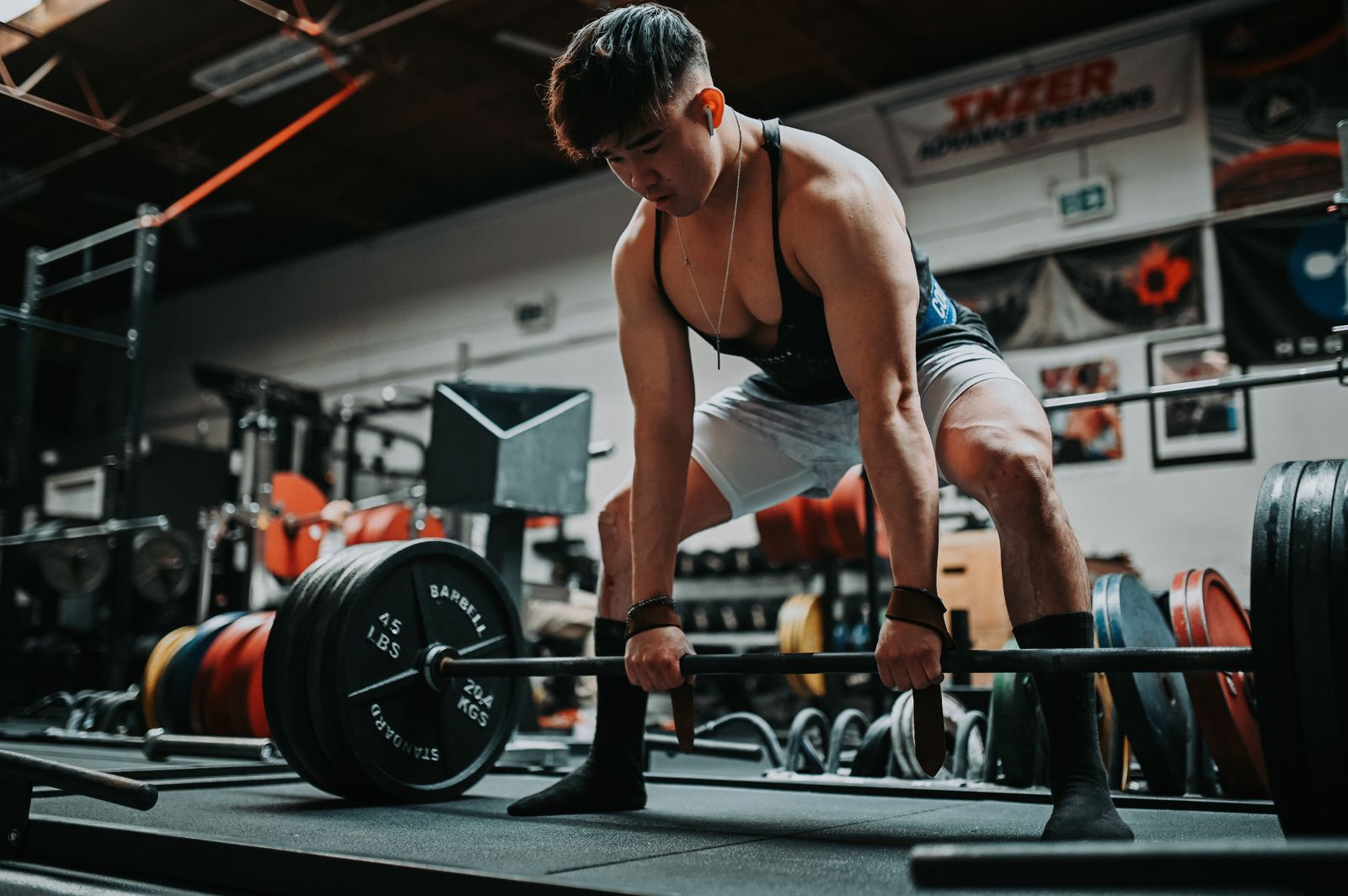
For heavy sets with low reps, the big compound lifts where I’m really loading the weight I rest around two to three minutes. These sets take the most out of you, and you need that time to come back strong for the next one. This is exactly where I used to cheat myself by rushing, and it’s where proper rest made the biggest difference.
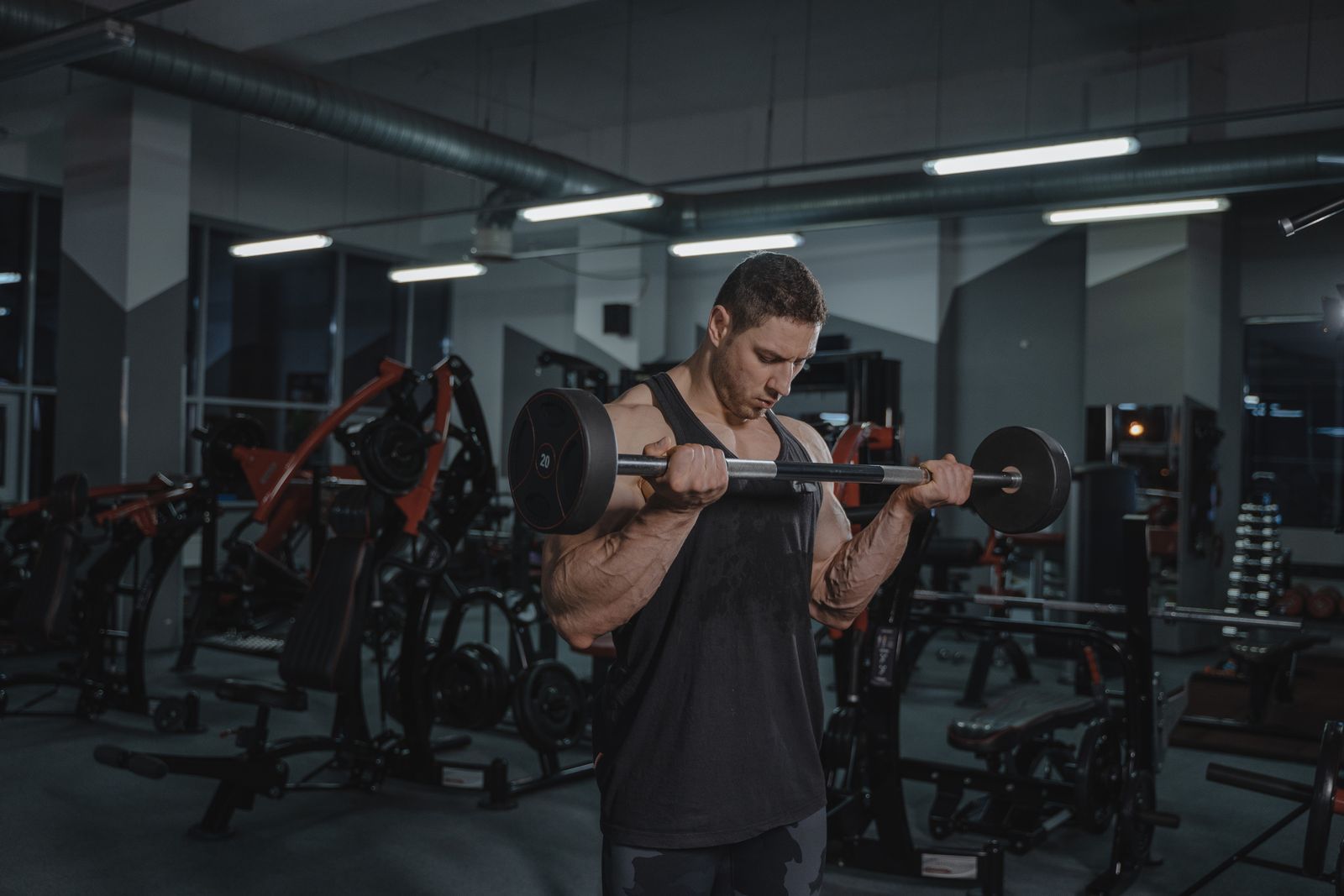
For lighter sets with higher reps, accessory work, higher-rep stuff where I’m chasing the pump or endurance more than raw strength I rest less, around a minute or so. Shorter rest here is fine, and honestly it’s part of the point. You want to keep the intensity up when the weight is lighter.
So the rule I follow is simple: the heavier the set, the longer the rest. It’s not complicated, but it took me real time to actually trust it instead of rushing.
What I Do During Rest
One small habit that helps me: during rest, I walk around a bit rather than just sitting down. Nothing dramatic, just staying loose and keeping a little movement going. I don’t get into long conversations either, unless it’s a quick word with my training partner. I’ve found that if I sit down and start chatting or scrolling, my head leaves the workout and the next set suffers for it. Walking a little and staying focused keeps me in it.
What I’d Tell a Beginner
If you’re early in your lifting and you’re rushing between sets like I did, slow down. Give your heavy sets the two to three minutes they need. Resist the urge to treat rest like wasted time or to measure your workout by how breathless you are.
You’re not there to exhaust yourself as fast as possible. You’re there to lift well, set after set. And lifting well requires being recovered enough to do it. The rest is what makes the next set count.
I wish someone had told me that in my first year. It would’ve saved me a lot of awful third sets.
FAQs
Is one minute enough rest between sets?
For lighter, higher-rep work, a minute is usually fine. For heavy, low-rep strength sets, a minute is typically too short. you’ll likely find your next set noticeably weaker. Those heavier sets generally need two to three minutes.
Does resting longer make my workout less effective?
No, and this surprises a lot of beginners. Resting properly on heavy sets lets you keep your strength and form across all your sets, which builds more strength over time than rushing through weaker reps. Longer rest where it’s needed makes the work better, not lazier.
How long do powerlifters rest compared to regular lifters?
Powerlifters often rest longer, sometimes five minutes or more between maximal lifts, because they’re training for peak single-rep strength. If you’re a general or natural lifter rather than a competitor, you usually don’t need that long, two to three minutes on heavy sets is a practical range.
Should I rest the same amount for every exercise?
Not necessarily. A useful approach is to rest longer on your heavy compound lifts and shorter on lighter accessory or high-rep work. Matching your rest to how demanding the set is tends to work better than using one fixed rest time for everything.
Why do my later sets feel so much weaker?
Often it’s because you’re not resting enough between them. If each set feels worse than the last, try extending your rest on the heavier work and see if your strength holds up better across the session.
