


This guide was written and reviewed by Serge, MSc . As a martial artist and natural lifter with over 10 years of training experience, what I share comes from my own training and from digging into the research behind it.
Affiliate disclosure: This site has affiliate links, including Amazon. As an Amazon Associate I earn from qualifying purchases, at no extra cost to you.

Are you aiming to improve your workout performance and reach your fitness goals more quickly?
EVL BCAAs Amino Acids Powder is a BCAA powder that also adds caffeine and a few other ingredients, according to the listing. It is aimed at recovery, endurance, and energy during training.
Supplements can help at the margins, but they never replace food, sleep, and consistent training. Here is what BCAAs do, what this formula lists, and who should skip it.
What Are BCAAs and Why Do People Use Them?
BCAAs, or branched-chain amino acids, are three essential amino acids: leucine, isoleucine, and valine. You get them from protein foods like meat, fish, eggs, and dairy.
Leucine in particular helps trigger muscle protein synthesis, the process that repairs and builds muscle. That is why many lifters add BCAAs around workouts.
Here is the part many labels skip. If you already eat enough complete protein, extra BCAAs add little, because whole protein already contains them.
BCAAs may matter more when you train fasted or your protein intake is low. To check your own intake, I built a Protein Intake Calculator. It estimates a daily protein range to aim for based on your bodyweight and training.
What the Listing Says About EVL BCAAs
The EVL BCAAs is described as a formula aimed at recovery, endurance, and energy. The details below come from the listing, so check the label for exact amounts.
The BCAA Ratio
Each serving of EVL BCAAs lists BCAAs in a 2:1:1 ratio, per the product page. That ratio puts more leucine than isoleucine or valine, and leucine is the one most tied to muscle protein synthesis.
Check the label for the amount per serving. A common ratio does not make a product better than a good protein meal.
Caffeine From Green Coffee and Green Tea
The listing mentions natural caffeine from green coffee and green tea. Claims that these extracts burn fat are modest at best, so treat the caffeine as the main effect.
The listing positions EVL BCAAs as a gentler option than heavy pre-workout stimulants. Reactions vary, so check the caffeine amount on the label and test your tolerance with less than a full serving.
Remember to count this caffeine with your coffee and any other pre-workout. If you want the bigger picture on energy, my post on training for energy is a good start.
The listing also mentions vitamins B6 and B12, which play a role in normal energy metabolism. They will not give you energy if you are short on sleep or food.
Beta-Alanine and L-Alanine
The listing says EVL BCAAs contains beta-alanine. Research suggests it helps buffer acid build-up during hard efforts lasting roughly one to four minutes, such as higher-rep sets.
Beta-alanine can cause a harmless tingling feeling in the skin. The listing also mentions L-alanine, which the body can use to make glucose, but its effect on lifting performance is likely small.
Hydration and Electrolytes
The listing describes hydration support with electrolytes. Water and a normal diet usually cover this, but a flavored drink helps some people drink more during long sessions.
Sugar-Free and Quality Testing
The listing describes the powder as sugar-free, which keeps calories low. Supplements are loosely regulated, so look for third-party testing on the label rather than trusting a general claim.
BCAAs vs Whole Protein
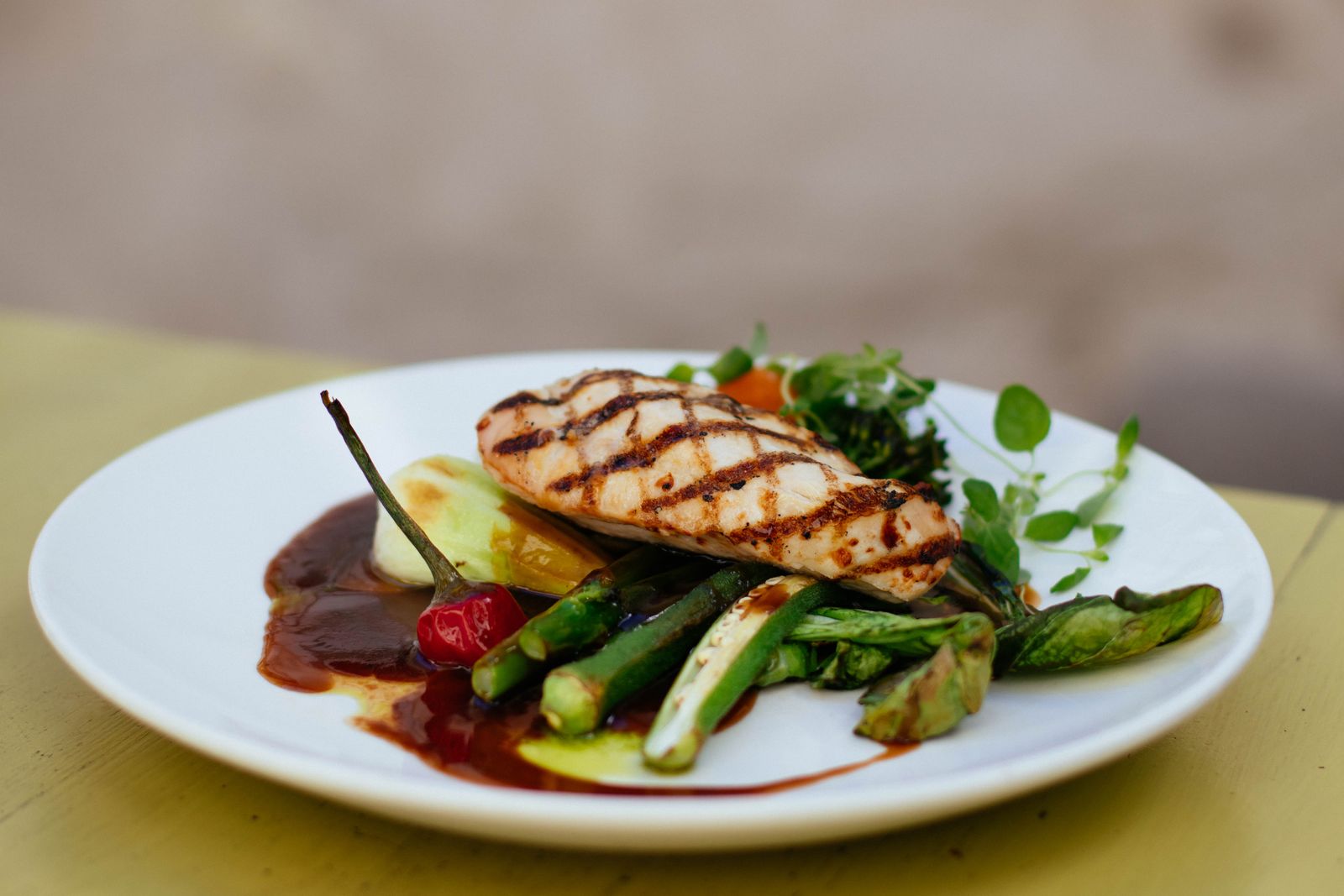
Eggs, chicken, fish, dairy, and a good protein shake all contain BCAAs, plus the other essential amino acids your muscles need. A BCAA powder gives you only three of them. Whole foods also bring iron, calcium, and healthy fats, which a powder cannot.
That makes whole protein the better base for most lifters. A BCAA drink is mainly a convenient, low-calorie option when a meal is hours away.
How I Think About Supplements
As a natural lifter for over a decade, I treat supplements as extras. The basics matter far more: sleep, enough real food, and consistent training.
My post on recovering faster as a natural bodybuilder covers those basics. My post on consistency and patience in natural lifting shows why steady effort beats products.
If food is the gap, a cookbook can help. My review of The Shredded Chef covers high-protein meal prep.
Before you add anything, check your training. If progress has stalled, my post on the no-progress phase may explain it better than a powder.
Labels also make big promises. My posts on bodybuilding myths for natural lifters and what really builds muscle help you sort fact from marketing.
How to Use BCAA Powder
Follow the directions on the label when you mix EVL BCAAs. Powders like this are usually stirred into water and taken before, during, or after training.
Many people take caffeinated powders 20 to 30 minutes before a session. Because of the caffeine, avoid taking it late in the day, since it can disturb your sleep.
If you use it after training, it will not replace a meal with real protein. To see how stimulants affect your pulse during cardio, try my Heart Rate Zone Calculator.
It gives you five heart rate zones from your age, plus a simple plan for how to use them around your lifting.
On days when the problem is motivation rather than energy, a powder will not fix it. My post on how to train when you don’t feel like it gives you a system instead.
What to Check on the Label
Look at the serving size first, because it tells you how much each scoop really gives you. Then find the caffeine amount, since it varies a lot between products.
Prefer labels that list every ingredient amount rather than a hidden blend. A third-party testing seal is a good sign, and allergen notes matter if you have sensitivities.
A Simple Way to Test It
If you want to try a powder, change one thing at a time. Use it for two or three weeks and note your sleep, energy, and training quality. Keep the rest of your routine steady during the test, so you can tell what the powder actually did.
Stop if you feel jittery, your heart races, or your sleep suffers. If you notice no difference, you have your answer, and you can save the money for real food.
Who Should Skip It
Skip it if you already eat plenty of protein, because you will likely gain little. Skip it too if you are sensitive to caffeine or you train late in the evening.
Talk to your doctor first if you are pregnant or nursing, under 18, on medication, or you have a heart condition or high blood pressure. Check the label for ingredients that could cause problems in tested sports.
This post shares general information. It is not medical advice.
Final Thoughts
If you decide to try a BCAA powder, the EVL BCAAs Amino Acids Powder is one option to look at. Treat it as an extra on top of solid basics, and check the current label and reviews before you buy.
Don’t let fatigue decide your next workout!
Whether you are a beginner or an experienced lifter, EVL BCAAs is one way to add convenience to your training. Results still come from the work you put in.
