



This guide was written and reviewed by Serge, MSc . As a martial artist and natural lifter with over 10 years of training experience, what I share comes from my own training and from digging into the research behind it.
Affiliate disclosure: This site has affiliate links, including Amazon. As an Amazon Associate I earn from qualifying purchases, at no extra cost to you.

Most people think muscle grows because of heavy weights, fancy machines, or expensive supplements. I thought that once too. But years before I ever stepped into a real gym, I learned a lesson that changed how I train forever.
I’ve lifted for over a decade, and before that my life revolved around martial arts. I earned my black belt in Shotokan karate through discipline, repetition, and respect for the basics. Strength back then didn’t come from machines. It came from control, consistency, and effort. That early lesson stuck: muscle doesn’t care about equipment. It responds to how you train, how you eat, and how you recover.
So let me strip away the noise and explain what actually builds muscle, and the myths that quietly hold people back.
What Is Muscle Growth
Muscle growth, or hypertrophy, happens when your muscle fibers adapt to stress.
You train. The muscle experiences tension. Tiny damage occurs at the fiber level. Then your body repairs those fibers and adds tissue to handle that stress better next time. That repair process is what makes muscles bigger and stronger.
Here’s the key point most people miss: lifting doesn’t grow muscle. Recovery does. Training only sends the signal. Food and rest do the actual building. That’s why random, unplanned workouts fail, your muscles need repeated, planned stress followed by real recovery.
The 3 Real Drivers of Muscle Growth
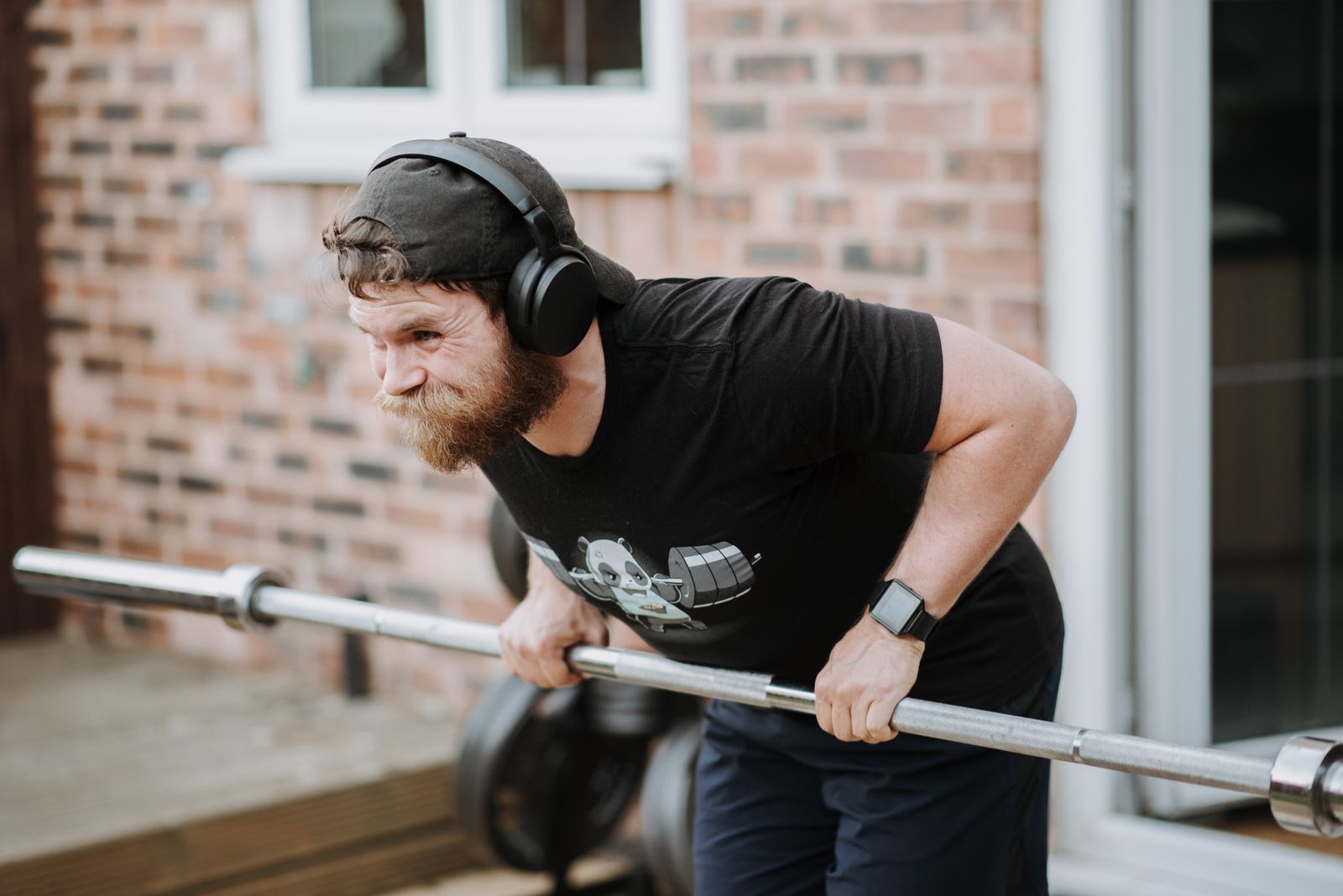
Forget the noise. Muscle growth comes down to three things. Miss one, and progress slows or stops.
1. Progressive overload.
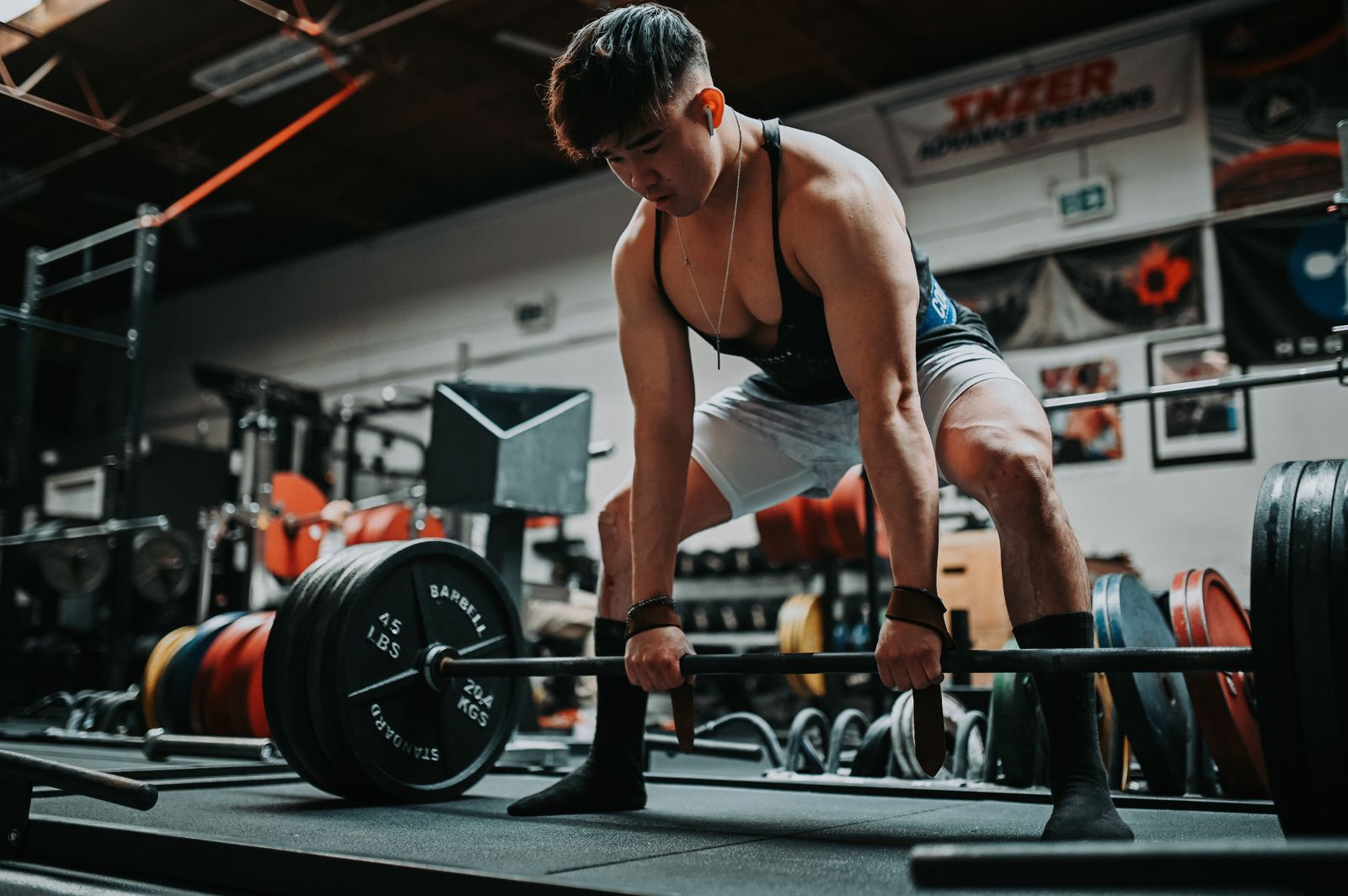
This just means asking your muscles to do slightly more over time, more reps, more weight, better control, longer time under tension, or shorter rest. Muscle only adapts when the stress gradually increases. Doing the same workout for months keeps you exactly the same. You don’t need a complicated routine. You need progression.
2. Enough protein and calories.
Muscle is built from protein, and without enough, repair slows down. You don’t need powders, whole foods like eggs, meat, fish, dairy, beans, and lentils all work. Calories matter too: if your body is short on energy, it focuses on survival, not growth. This doesn’t mean overeating, it means eating enough to support your training. A lot of people train hard, eat too little, then blame genetics, when the real issue is fuel.
3. Recovery and sleep.
Training breaks muscle down. Sleep and rest build it back up. During deep sleep your body does most of its repair work, so poor sleep undercuts everything. Rest days matter for the same reason, muscles grow between workouts, not during them. In karate, rest was built into the training cycle. The same rule applies to lifting: push hard, then recover well.

Common Myths That Slow You Down
Myth: soreness means growth.
Soreness just means you did something your body wasn’t used to. It doesn’t measure progress. You can grow with very little soreness, and plenty of advanced lifters rarely get sore but keep progressing.
Myth: sweat builds muscle.
Sweat cools you down, that’s it. You can sweat buckets and make zero progress. Muscle responds to tension, not how drenched you are.
Myth: supplements are required.
Supplements support good nutrition, they don’t replace it. People built strong bodies long before protein powders existed. Use them only if they help you fill a genuine gap.
Myth: genetics decide everything.
Genetics affect your shape and how fast you grow, not whether you can improve. Most people never get anywhere near their natural potential, not because of genetics, but because their training lacks structure and consistency. Effort beats excuses.
Beginners vs Advanced Lifters
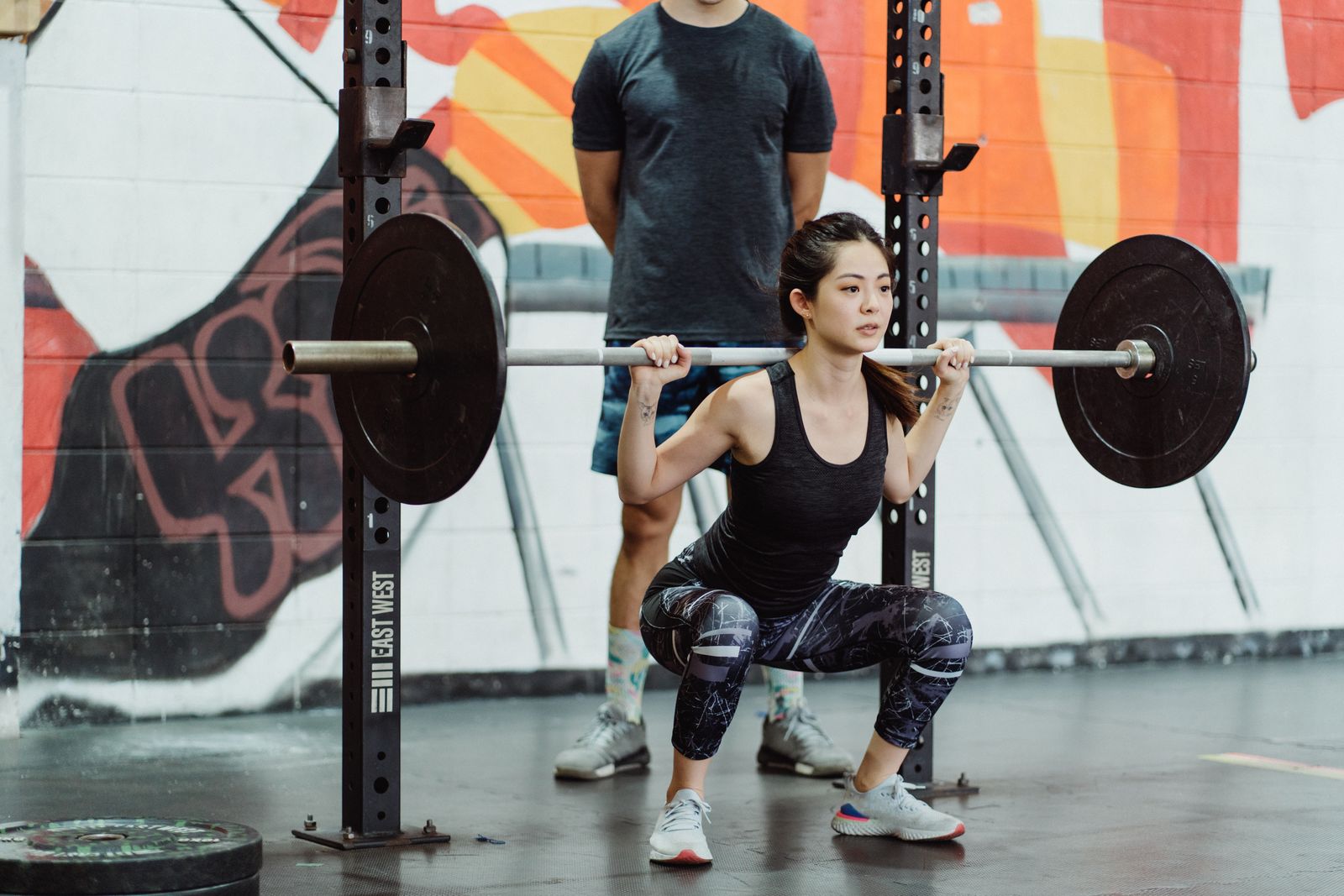
If you’re new, almost any consistent resistance works, progress comes fast, and your job is simply to focus on form and show up regularly. Full-body routines work well, and beginners grow easily when they train consistently and eat enough.
As you get more advanced, progress slows and the details start to matter more, planning, recovery, and small, tracked adjustments. Advanced lifters succeed through patience and smart progression, not by thrashing themselves harder.
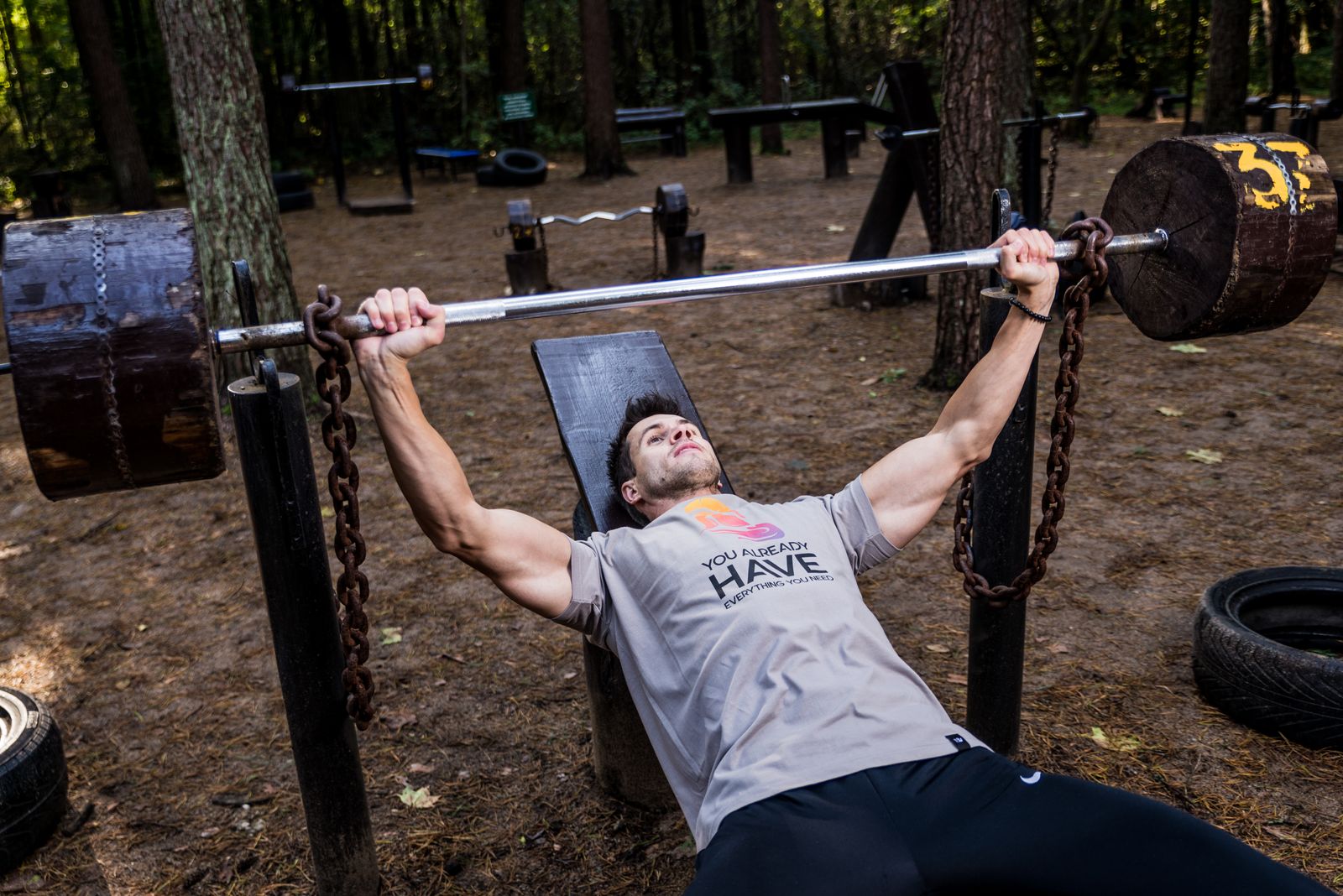
This is exactly why my early backyard training worked so well. Simple stress applied consistently beats a complex plan done poorly.
A Simple Muscle-Building Checklist
Train each muscle group 2 to 3 times per week. Increase the challenge gradually. Eat enough protein daily, supported by enough calories. Sleep 7 to 9 hours. Track your progress. And stay consistent, for months, not weeks.
That’s genuinely most of it. The basics, done consistently over time, are what work.
Why This Works Long Term
Muscle growth rewards patience. Short, intense plans tend to fail. Simple systems repeated over time tend to win. I’ve seen it in martial arts, in backyard gyms, and in fully equipped commercial gyms. The body doesn’t care about trends. It adapts to stress and recovery, full stop.
If you want to apply this without a gym specifically, I’ve covered exactly how to do that in my guides on [building muscle at home] and [training with no equipment]. This post is about the principles underneath all of it, the ones that hold true wherever you train.
Start simple. Pick a routine you can repeat, track it, eat to support it, and sleep well. Strong bodies are built through smart, consistent work, not shortcuts.
FAQs
Does muscle grow during workouts or after them?
After. Training creates the stress and the small damage, but growth happens when you rest, eat, and sleep. Without recovery, muscle doesn’t build.
How long does it take to build muscle naturally?
Visible growth usually starts after 6 to 8 weeks of consistent training, with strength often improving sooner. Bigger changes show after 3 to 6 months, depending on your training, food, and sleep.
Can you build muscle without heavy weights?
Yes. Muscle responds to resistance and tension, not weight alone. Bodyweight, bands, lighter dumbbells, slow reps, and higher volume can all build muscle if they challenge you enough.
Do muscles need to get sore to grow?
No. Soreness is a reaction to new or unfamiliar stress, not a measure of growth. Many people keep progressing with little soreness once their body adapts.
Can you build muscle without protein powder?
Yes. Whole foods like eggs, meat, fish, dairy, beans, and lentils provide plenty of protein. Powder only helps when your food intake falls short.
How much protein do I need to build muscle?
Most people do well with around 1.6 to 2.2 grams of protein per kilogram of bodyweight per day. Going higher than that doesn’t guarantee faster growth.
Is training every day better for muscle growth?
Not usually. Muscles need rest to grow. Training the same muscle hard every single day tends to slow progress rather than speed it up.
Do fancy gyms and machines build muscle faster?
No. Equipment helps, but effort, progression, food, and sleep are what drive results. Simple tools used well beat advanced machines used poorly.
