



This guide was written and reviewed by Serge, MSc . As a martial artist and natural lifter with over 10 years of training experience, what I share comes from my own training and from digging into the research behind it.
Affiliate disclosure: This site has affiliate links, including Amazon. As an Amazon Associate I earn from qualifying purchases, at no extra cost to you.
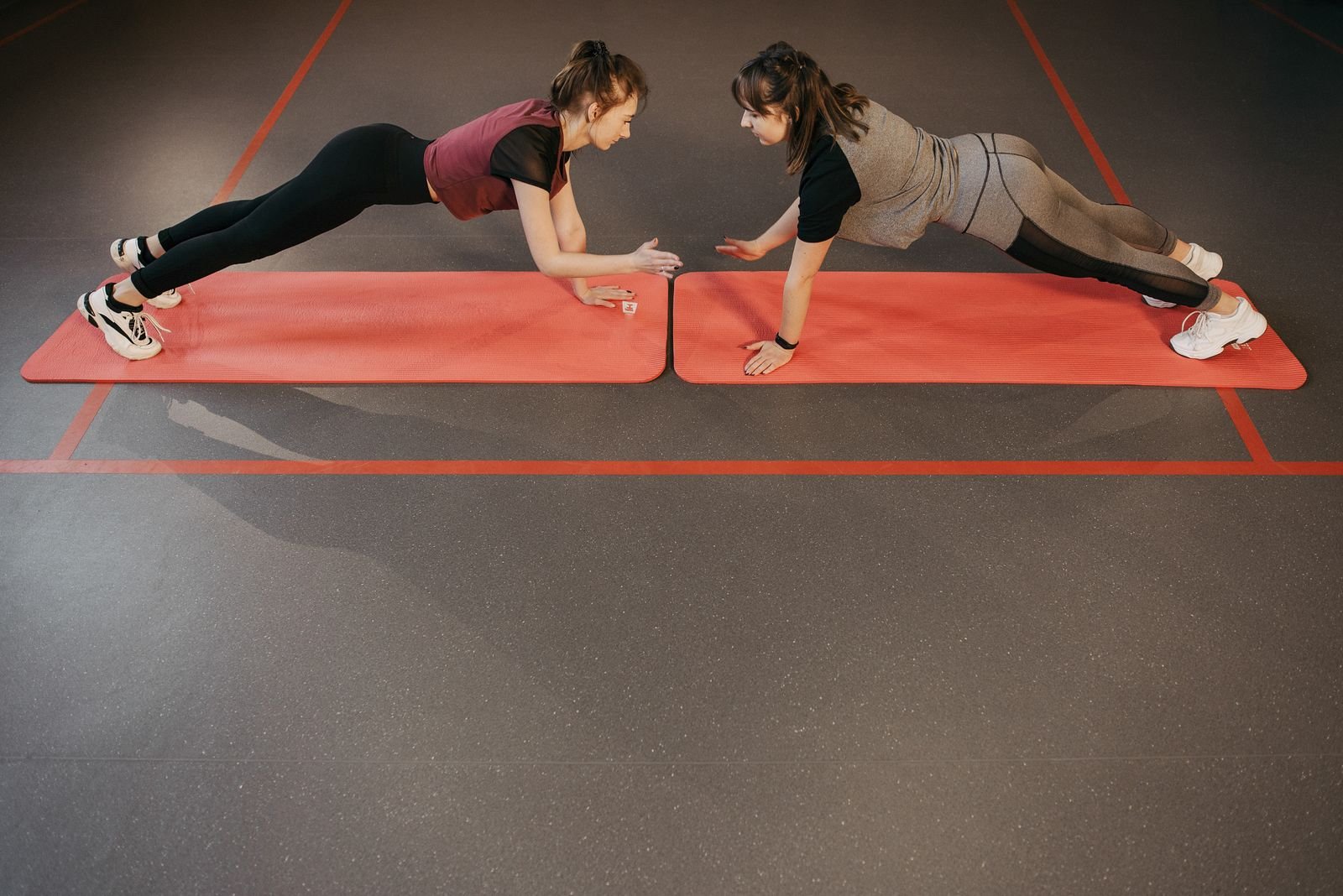
Did you know that the surface you practice on could be causing your lower back pain, knee discomfort, or sore wrists?
A mat will not cure pain, but the wrong surface can make poses harder to hold. Your yoga mat is not just a cushion, and it can change how smooth or sore a session feels.
Whether you flow through yoga poses, stretch in Pilates, or do floor workouts, the right mat supports stability, alignment, and safety. A good one cushions your joints and helps prevent slipping.
In this article I cover the key factors to weigh when choosing a mat: comfort, durability, portability, and easy care. I also look at the Amazon Basics Yoga Mat, how to use a mat for floor training, and who should skip it.
What to Look for in a Yoga Mat
Comfort and Cushioning
A comfortable mat gives your joints enough padding during floor exercises and poses. If it is too thin, your knees, elbows, and wrists can feel strain in long holds.
A mat that is too thick can hurt your balance in standing poses. Many people find a thickness between 1/4 inch and 1/2 inch a good balance of comfort and stability.
Durable Materials
Nitrile butadiene rubber, or NBR, is a synthetic foam rubber. It is soft, cushy, and easy to wipe clean, which is why it is common in budget-friendly mats.
The trade-off is that NBR is usually less dense and less grippy than natural rubber, especially when your hands sweat. Foam can also compress with age, so no mat lasts forever.
Grip and Traction
A slippery mat can break your flow and even lead to a fall. A textured, non-slip surface helps you stay controlled in poses like Tree Pose and in fast Pilates work.
To prevent slipping, choose a yoga mat with a textured surface that provides enhanced grip and traction.
Portability and Storage
If you practice on the go, the mat has to be easy to roll, carry, and store. Look for a carrying strap or handles, and think about how much space you have at home.
A light mat that rolls up neatly fits a small apartment or a gym locker. For more ideas on setting up a small space, read about a home balance trainer for standing balance work.
Easy Care
Your mat collects sweat, oils, and dirt, so pick one you can wipe down after each session. A smooth surface that resists moisture is easiest to keep clean.
Follow the care label for deeper cleaning, and let the mat air dry fully before you roll it up.
Yoga Mat Materials Compared
NBR foam is soft and light, and it suits floor exercises, stretching, and gentle yoga. It is the usual choice if you want comfort without spending much.
Natural rubber and PU mats grip better and feel denser, which helps in sweaty, active practice. They are usually heavier, though, and some people need to avoid natural rubber if they have a latex allergy.
PVC mats are tough and common, and TPE mats sit in between on weight and grip. If you train on hard floors, remember that any thin mat will still feel firm underneath.
Features of the Amazon Basics Yoga Mat
If you want a simple, budget-friendly option, the Amazon Basics Yoga Mat is worth a look. It is a basic foam mat that suits beginners and general floor work.
Thickness
The listing describes a mat that is 1/2 inch thick. That gives extra padding for knees, elbows, and wrists during floor exercises and long holds.
Textured Surface
According to the listing, the surface is textured for traction. Texture helps, but it does not make any mat slip-proof on a smooth floor.
NBR Foam and Carrying Strap
The listing says the mat is NBR foam and comes with an elastic carrying strap. That makes it easy to roll up, carry, and store.
Size
The listing gives the size as about 74 inches long and 24 inches wide. Taller people should check their height against the length before ordering.
Using Your Mat for Floor Training
A mat is not only for yoga. From a lifter’s point of view, it matters most for core work, mobility, and stretching.
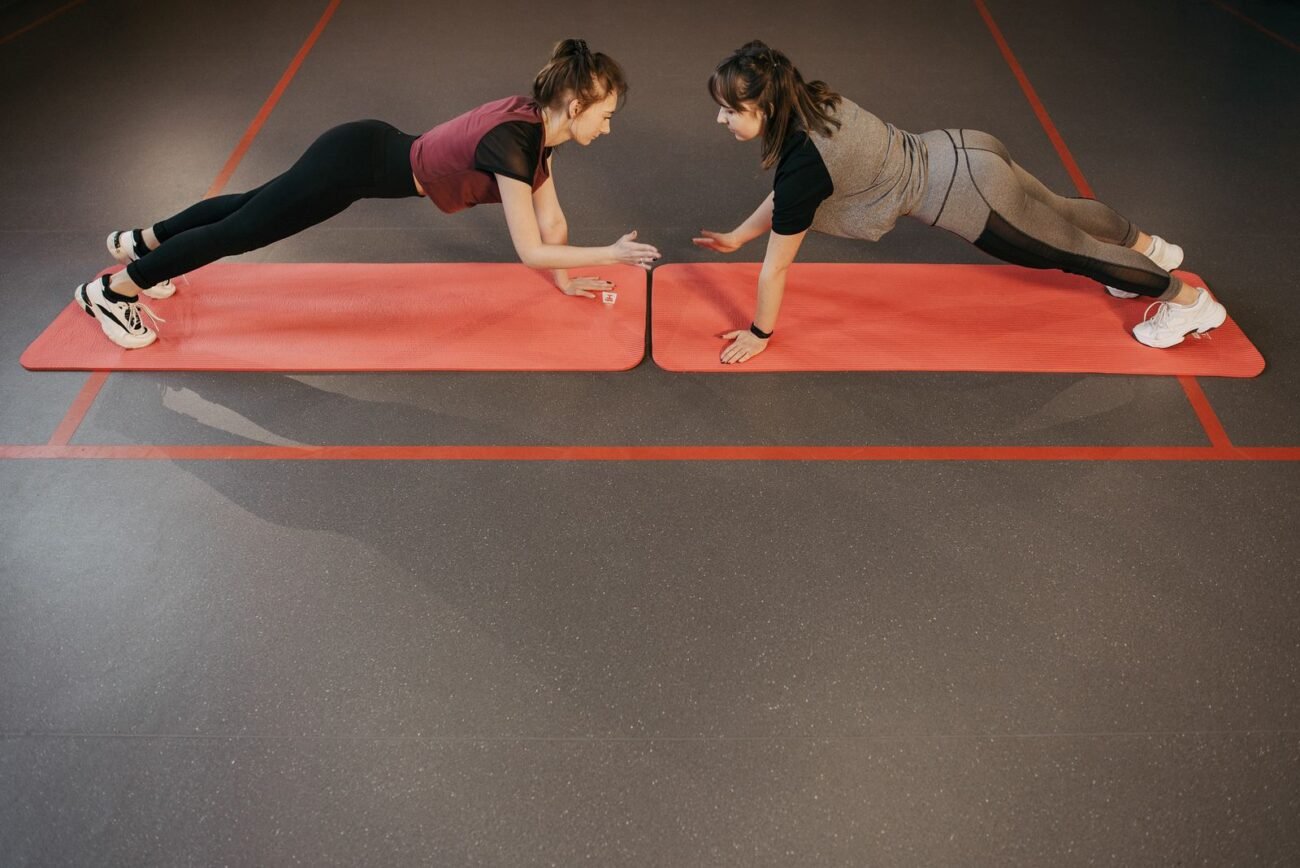
Planks, bridges, and sit-ups feel better on a cushioned surface. For plank and floor ideas, see my guide to smarter core training for lifters, or the Vinsguir ab roller wheel.
Bridges also help your hips, and my post on Glute Lab explains why. For a full session with no gear, read my 100 no-equipment workouts and bodyweight training guide.
A Sample 10-Minute Floor Routine
This is a general example, not a program. Start with two minutes of cat-cow and child’s pose to warm your spine.
Then do 2 sets of 10 glute bridges and a 20-second plank. Rest about 30 seconds between sets.
Finish with hamstring and hip stretches for about 30 seconds each side. Never force a stretch, and breathe through it.
For a wider mobility plan, read about staying flexible as a natural lifter. If you feel tight afterward, try foam rolling.
Limits and Safety
A thicker mat can feel wobbly in standing poses, so go slowly with balance work. If the mat curls at the edges, flatten it before you start.
Do not use a mat on a wet or very smooth floor without checking the grip first. On carpet, the mat can shift, so test it with light movements.
If you have ongoing back, knee, or wrist pain, a mat will not fix it. Ask a doctor or physiotherapist, and place the mat on a firm, level surface.
This post gives general information and is not medical advice.
Who It Suits and Who Should Skip It
It suits beginners, home exercisers, and anyone who wants a light, low-cost mat for stretching and floor work.
Skip it if you sweat a lot in hot yoga or need strong grip. A denser rubber or PU mat will serve you better, and a foam mat may wear faster with heavy use.
Summary
The Amazon Basics Yoga Mat is a simple, cushioned option with a textured surface and a carrying strap, according to the listing. It suits floor work, stretching, and beginner yoga.
Match the thickness and material to how you train, and check the size and care label before you buy.
This is general information, not medical advice. If you have an injury or a medical condition, ask your doctor before you start.
Prepared to Upgrade Your Yoga Practice?
Enhance your practice and comfort by investing in this high-quality yoga mat!
FAQs: Amazon Basics Yoga Mat
What material is this yoga mat made of?
The listing says NBR foam, which is soft, cushy, and light. It gives good padding for many kinds of exercise.
How thick is the mat?
The listing gives 1/2 inch. That adds cushioning for your joints during yoga, Pilates, and floor workouts.
Is the surface slippery?
The listing describes a textured surface for traction. Test it on your own floor, since grip also depends on sweat and the floor itself.
Can it be used for different workouts?
Yes. It suits yoga, stretching, and floor exercises. Its foam makes it comfortable for most low-impact activity.
Is it easy to carry and store?
The listing says it comes with an elastic strap for rolled-up storage and carrying.
How do I clean the mat?
Wipe it down after use. For deeper cleaning, follow the care label and let it air dry.
Will it keep its shape over time?
Foam mats can compress with age, so I cannot promise how long it will last. Check recent buyer reviews for long-term feedback.
What size is the mat?
The listing gives about 74 inches long, 24 inches wide, and 1/2 inch thick. Compare that with your height and floor space.
Would I recommend it?
It is a simple, budget-friendly mat for beginners and general floor work. If you want more grip or density, look at rubber or PU mats instead.
