



This guide was written and reviewed by Serge, MSc . As a martial artist and natural lifter with over 10 years of training experience, what I share comes from my own training and from digging into the research behind it.
Affiliate disclosure: This site has affiliate links, including Amazon. As an Amazon Associate I earn from qualifying purchases, at no extra cost to you.
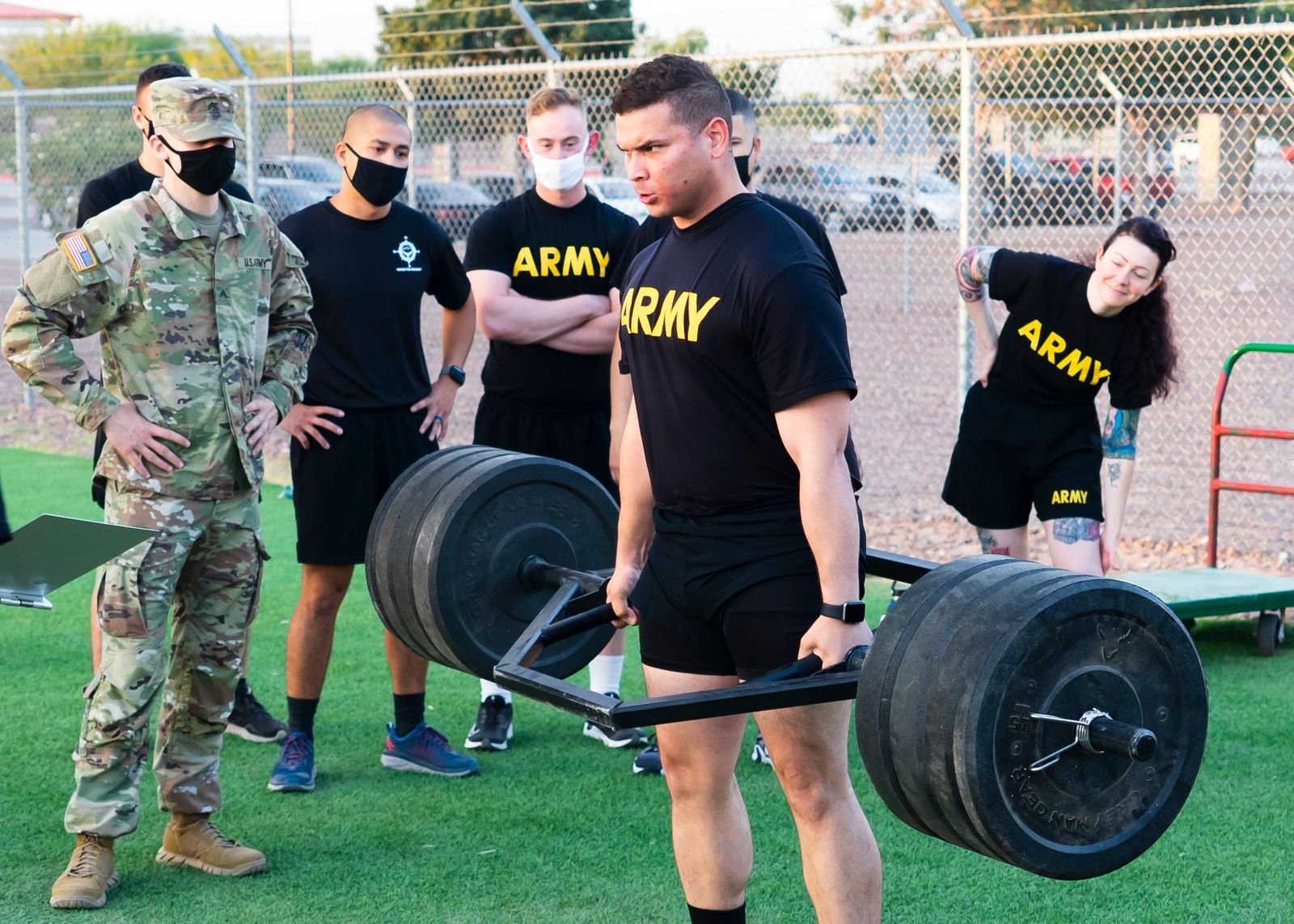
Have you heard about the CAP Barbell Olympic Trap Bar?
If you want to lift more effectively, consider adding a trap bar to your routine. This versatile tool can help you build muscle and put less strain on your body during workouts.
It is not only about hoisting weight. It is about better technique, more control, and a more comfortable lift.
Let’s look at why the CAP Barbell Olympic Trap Bar could become your go-to piece of gear.
Why the CAP Barbell Olympic Trap Bar Stands Out
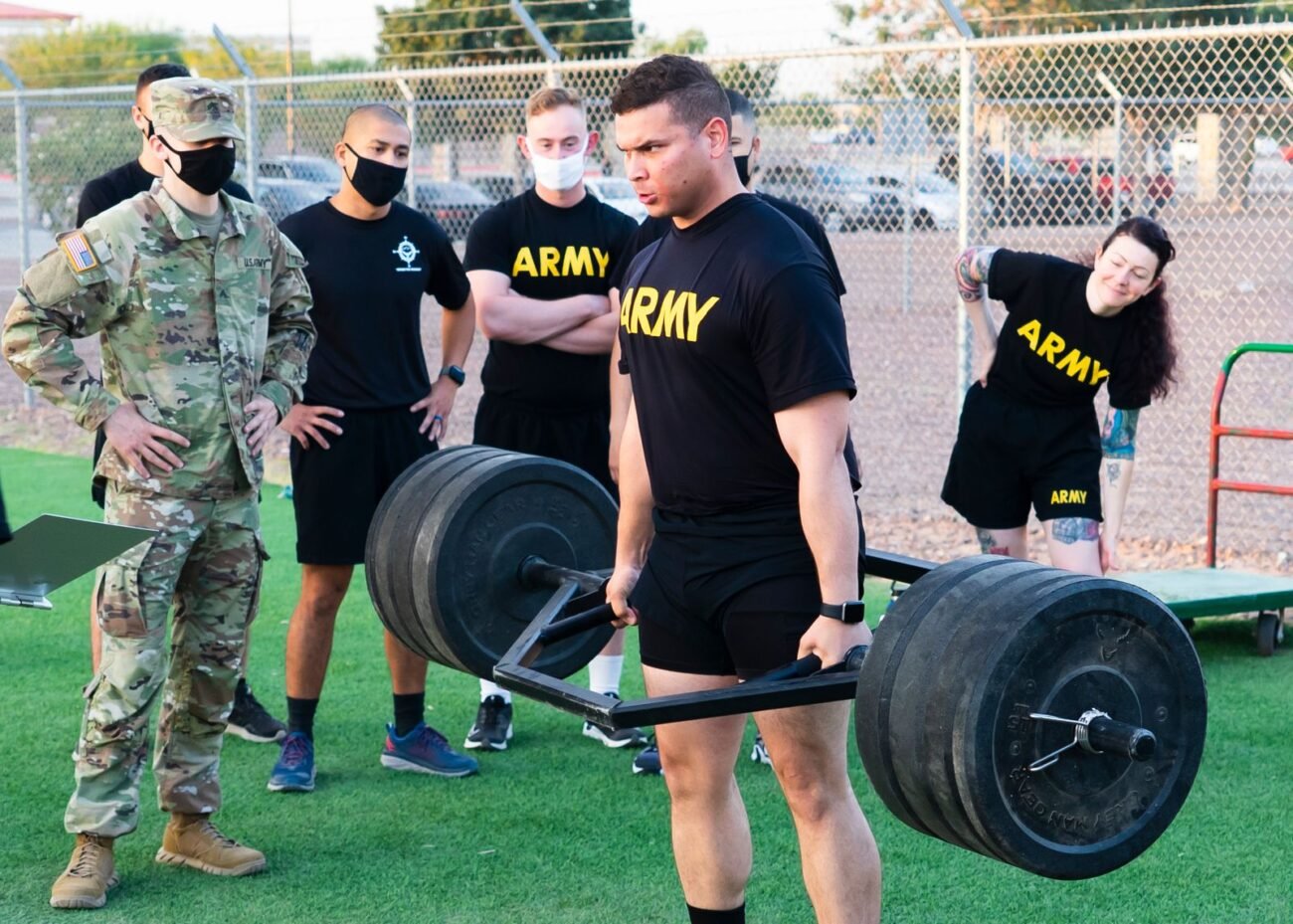
A trap bar is not a typical lifting bar. It is built for lifts such as deadlifts, shrugs, and squat-style pulls, with a design that many lifters find comfortable and easier to control.
I’ve noticed that many lifters shy away from these exercises because of perceived risks or difficulty. A trap bar can make them feel more approachable.
Here is why this trap bar stands out.
Built to Last
According to the listing, the bar is made from alloy steel with a black finish, built for heavy lifts. Check the product page for the exact weight, dimensions, and weight capacity before you buy.
Sized for Home Gyms
If you work out at home and space is tight, the CAP Barbell Olympic Trap Bar is worth a look. The listing describes a compact design with 9.5-inch loadable sleeves for your plates.
Measure your space and check your plates before you order.
Get the CAP Barbell Olympic Trap Bar →
How the Trap Bar Makes Lifting Easier
A Better Hold
One of the standout features of the CAP Barbell Olympic Trap Bar is its grip. The neutral grip design lets you hold the bar comfortably, with less strain on your wrists.
That helps during longer sets and heavy pulls. If your grip gives out first, read my post on why grip strength matters. My review of adjustable lifting wrist straps covers a simple aid.
Raised Sleeves for Less Back Strain
The raised sleeves are a thoughtful design feature. They let you start the lift from a higher position, which many lifters find more natural than pulling from the floor with a straight bar.
They also make loading and unloading plates easier, since you bend down less. That can save your back and knees some extra strain.
A trap bar can feel friendlier to the lower back, but it does not make back pain safe to ignore. If you have back pain, see a doctor or physiotherapist before you pull heavy.
Full-Body Training With the CAP Barbell Olympic Trap Bar
The CAP Barbell Olympic Trap Bar is useful for more than deadlifts. Here are the main lifts I would use it for.
Deadlifts
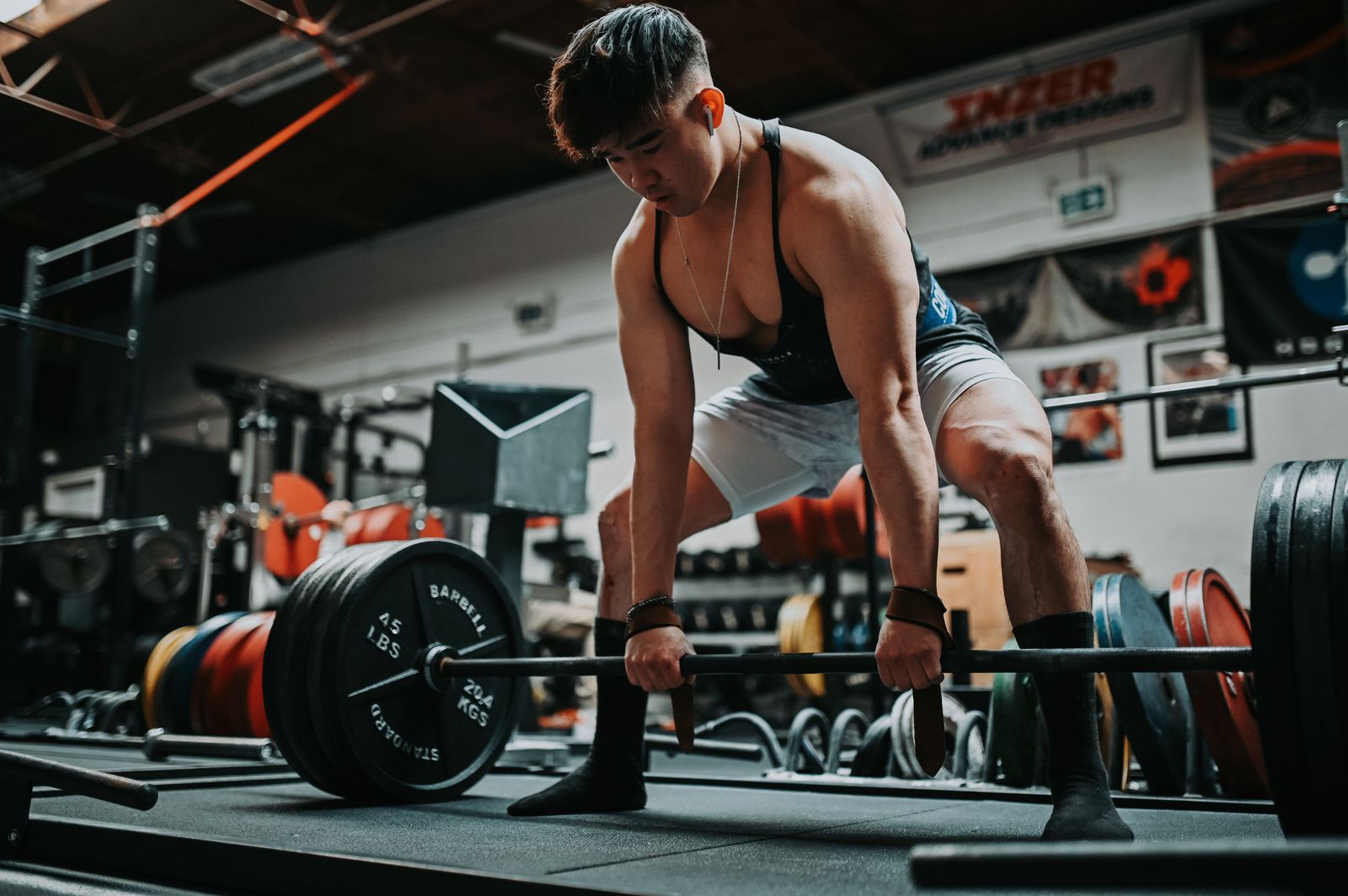
Deadlifts are one of the best exercises for total-body strength. After more than ten years of natural lifting, I treat them as a skill to practice, not just a number to chase.
The neutral grip helps keep your body aligned, which many lifters find easier on the back and shoulders. The raised sleeves also make setup simpler.
Warm up before heavy sets. I built a Warm-Up Set Calculator. It gives you a simple set of ramp-up loads leading to your working weight, so you lift prepared.
If a lift feels off, check your form. My post on signs your lifting form needs work can help you spot problems.
Shrugs
For your traps, the upper back muscles, the trap bar is a good fit. It lets you shrug more comfortably, without straining your wrists or hands.
This is one of the reasons I personally love using the trap bar, especially for shrugs. The shorter length helps me keep great balance during the lift.
With longer Olympic bars, I often find it hard to stabilize the bar, but the trap bar feels much more controlled. My guide to strength training anatomy shows where the traps sit.
Squats
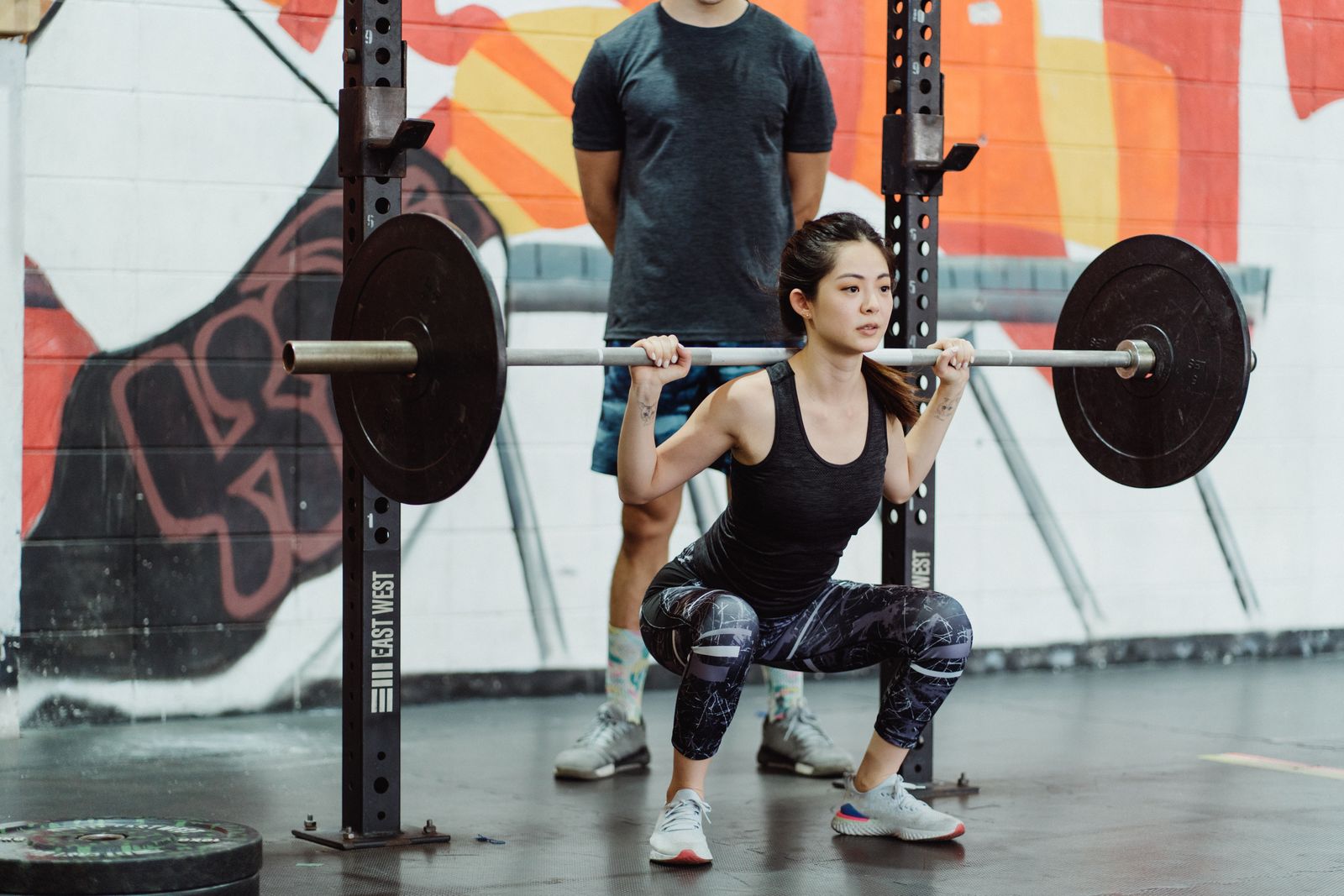
If you want to improve your squat form, the trap bar can help. It lets you stay more upright, which suits people who struggle to keep their back straight in regular squats.
That position can shift more of the work to your legs and take some load off your lower back.
A Simple Way to Start
This is a general example, not a program. Warm up, then use a light weight for a few sets of five to eight reps, and focus on a smooth, controlled pull.
Add weight slowly over the weeks. I created a Progressive Overload Calculator for this. You enter your last session and get your next weight, your rep target, and a short outlook for the sessions after it.
Pair pulls with rows and pulldowns for a balanced back. My posts on building a big back with three exercises and building a strong and resilient back cover that side.
For your heaviest sets, some lifters like extra support. My review of the Dark Iron weightlifting belt covers one option.
What to Check Before You Buy
Read the product page for the weight capacity, the dimensions, and the warranty terms. These details can change, so I do not quote them here.
Check that your plates have the standard Olympic hole size, and measure the floor space you need for loading. Leave room to walk around the bar.
Think about your goals too. If you mostly want leg and back work with a neutral grip, a trap bar fits well. If you plan to compete, you will still need a straight bar for practice.
Who It Suits and Who Should Skip It
A trap bar suits lifters who want a comfortable deadlift, a neutral grip, and a simple way to train the whole body at home. It also suits anyone learning the deadlift pattern.
Skip it if you compete in a sport that requires a straight barbell. Skip it for now if you have an injury or a medical condition and have not been cleared to lift. This post shares my personal experience and general information. It is not medical advice.
Final Thoughts
If you want a tool that improves your form and eases back strain, the CAP Barbell Olympic Trap Bar is a strong addition to a home gym. It can also help you lift heavy with less discomfort.
It is not a magic fix, and your technique still matters. Used with good form and steady progress, it can make heavy lifting feel more controlled.
Get the CAP Barbell Olympic Trap Bar →
FAQs
What is the maximum weight capacity of this trap bar?
The weight capacity is listed on the product page. Check it against the weights you plan to lift, and do not rely on a number from a blog.
What are the dimensions of the bar?
Check the product page for length, width, and height, and measure your space first. The listing describes 9.5-inch loadable sleeves.
Is the grip comfortable for lifting?
The listing describes neutral grips and raised sleeves designed to reduce strain. Comfort varies from lifter to lifter.
What type of exercises can I do with this bar?
This trap bar suits full-body workouts, including shrugs, deadlifts, farmer carries, and other strength exercises that use large muscle groups.
What material is the bar made of?
The listing describes alloy steel with a black finish, built for durability.
Is it suitable for a home gym?
Often, yes. It has a compact design, but measure your space before you order.
Does it include any safety features?
The listing mentions feet that protect your floor and help stability while loading. Check the product page for the full details.
Can it be used with Olympic weights?
The listing describes it as compatible with standard Olympic plates. Make sure your plates fit before you order.
What warranty does this bar come with?
Warranty terms come from CAP Barbell and the seller. Read them on the product page before you buy.
