












This guide was written and reviewed by Serge, MSc . As a martial artist and natural lifter with over 10 years of training experience, what I share comes from my own training and from digging into the research behind it.
Affiliate disclosure: This site has affiliate links, including Amazon. As an Amazon Associate I earn from qualifying purchases, at no extra cost to you.
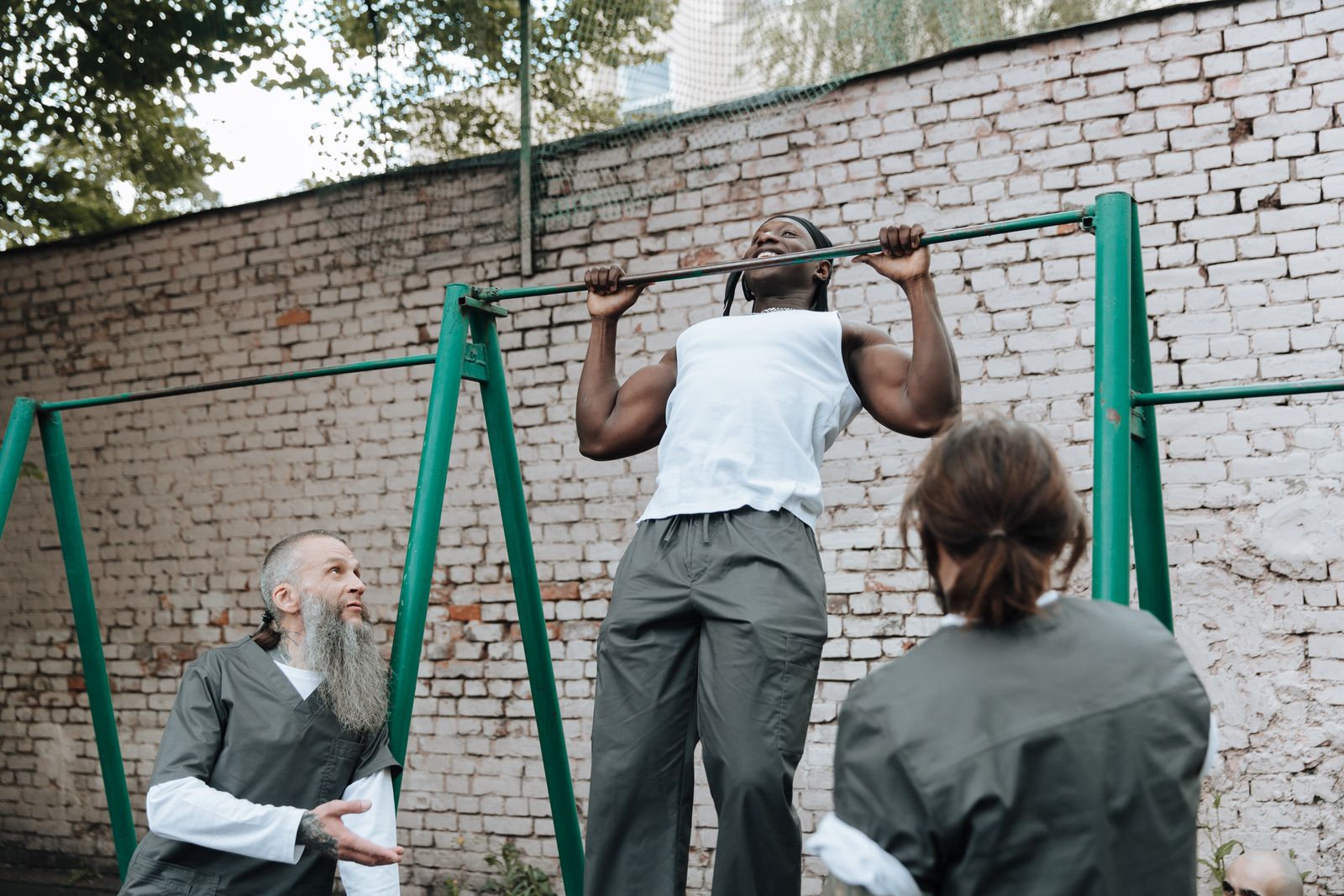
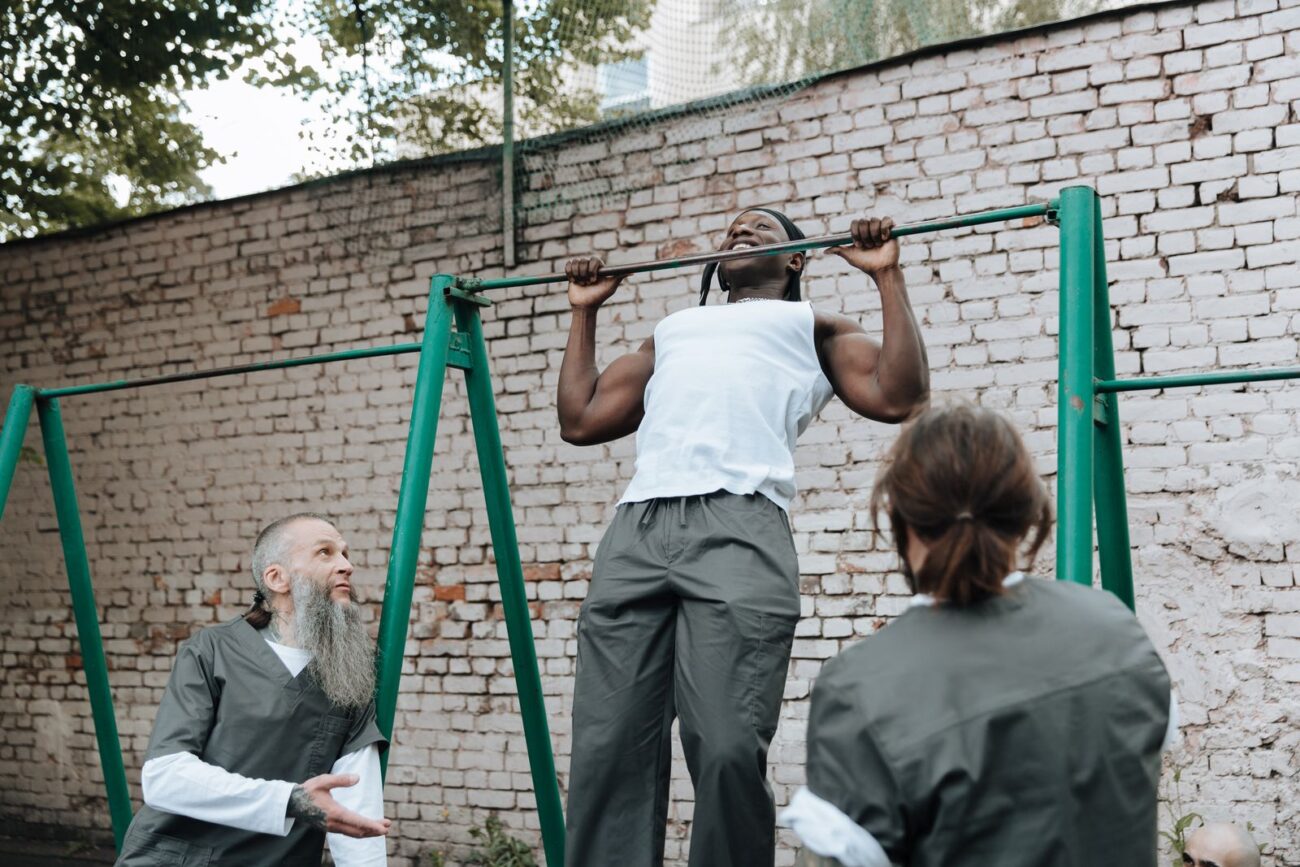
Most of my early back work happened on a pull-up bar fixed to a frame next to a basketball court near my place.
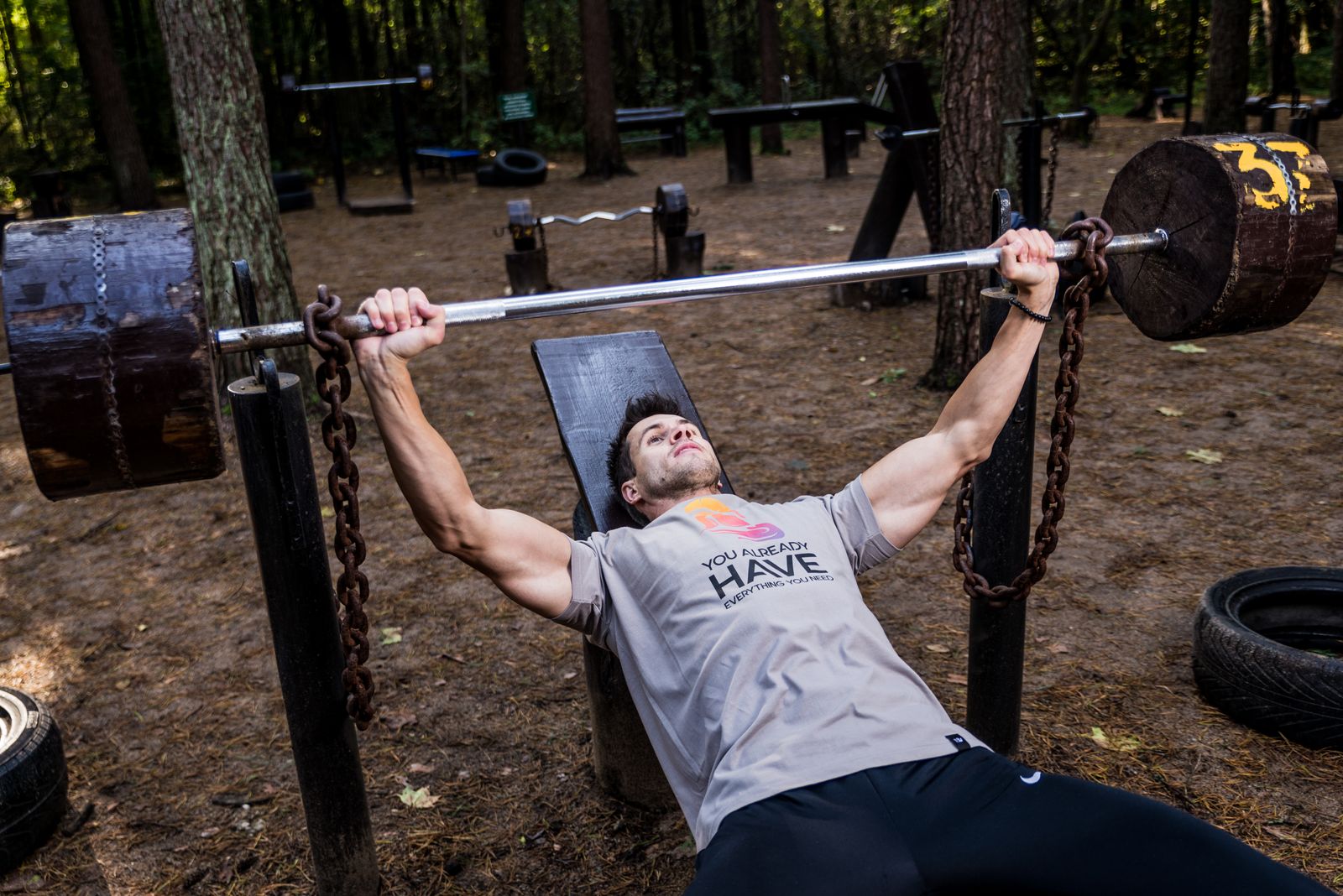
For weights I borrowed a friend’s backyard setup, the one built from cement filled car parts, a clutch here, a brake disc there. It was crude. It also taught me something the machines never did: a back gets strong from steady pulling and patient reps, not from fancy equipment.
I have trained drug free for over ten years, and my back is one of the parts I am proudest of, because I built most of it from almost nothing.
This guide covers the exercises that moved the needle for me, how I lay out a back day now, and one early mistake that cost me months. Whether you are starting on a bar in your yard or working in a full gym, the same ideas carry over.
Why a Strong Back Is Worth the Work
Your back is not a single muscle. It is a layered system running from your neck down to your hips, wrapped around the spine, and it carries you through nearly everything you do. Build it well and a few things shift.
Posture holds up better. If you spend hours at a desk or looking down at a phone, strong back muscles pull you upright instead of letting you fold into a slouch.
Lifting and sport get steadier. A solid back gives the rest of your body something to brace against, whether you are carrying groceries up the stairs or pulling a loaded bar off the floor.
You stay more durable. When the muscles around your spine are balanced and capable, ordinary loading is less likely to catch you out.
Movement feels freer. More strength through the back usually comes with a better range of motion, so day to day movement feels less stiff.
The Exercises That Built My Back
I will start with the heavy compound lifts and work down toward the bodyweight and stability moves you can do almost anywhere.
Deadlifts
The deadlift trains almost everything at once: back, legs, core, grip. Done properly it is one of the best strength builders there is. Set your feet about hip width, take hold of a barbell or a pair of dumbbells in front of you, and keep your back flat with your chest up.
Brace your core, then stand by driving your hips and knees together until you are tall. Lower it under control and reset. This is also the lift where I learned my hardest lesson, which I will get to below.

Pull-Ups and Chin-Ups
These were my foundation, the first real back builder I ever had. Hang from a bar with your palms facing away, then pull until your chin clears it and lower all the way back down.
Turn your palms toward you and it becomes a chin-up, which brings the biceps in a little more. If you cannot manage one yet, do not worry, I could not either when I started. Slow negatives and a band under your feet will get you there.

Bent-Over Rows
Rows hit the middle of the back, and a back routine without them is missing a big piece. Hold a dumbbell in each hand, hinge at the hips with a slight bend in the knees, and keep your back flat.
Pull the weights toward your stomach while squeezing your shoulder blades together, then lower under control. Resist the urge to heave them up with momentum.

If you have a gym, this is one I lean on hard, and I use it in a particular way. I run through every grip, wide, narrow, and the angles in between, for at least four sets.
The lats are a big fan shaped muscle, and any single grip only catches part of that fan, so I move around to develop the whole thing. Pull the bar to your chest with a slight lean back and control the way up just as much as the way down.

Seated Rows
Another strong middle back option, and you can do it on a cable stack or with a resistance band anchored at your feet. Pull the handle toward you with a flat back, squeeze, then extend your arms back out slowly. Keep your torso fairly still rather than rocking for extra weight.

Back Extensions
These build the lower back and reinforce good spinal position. On a back extension bench, lock your feet in, hinge at the hips to lower your torso, then rise until your body is in a straight line. No machine, no problem: lie face down on the floor and lift your chest and shoulders, hold a beat, and lower.

Supermans
A simple floor move that lights up the whole back. Lie face down with your arms reached out in front of you, lift your arms and legs off the ground at the same time, hold briefly, then lower. No equipment needed, which is why it was in my early rotation.

Bird-Dogs
This one builds stability as much as strength, and it ties the back to the core. Start on all fours, hands under shoulders and knees under hips. Reach one arm forward while extending the opposite leg behind you, hold for a second, then switch sides. Slow and controlled beats fast and sloppy every time.

The Mistake That Cost Me Months
Here is the lesson I promised. Early on I tried to lift as heavy as guys who were clearly enhanced, matching their numbers on deadlifts and rows as if my body ran on the same fuel.
It did not. I burned my technique chasing weight, and ego-lifting like that is how you end up hurt. Form beats weight, every time. A clean row with a weight you control does more for your back than a heavy one you yank and round your spine to move. I wish someone had hammered this into me sooner.
How I Lay Out a Back Day Now
These days I train back twice a week, and the two sessions look different on purpose. One is a heavy compound day, deadlifts and rows, lower reps, real load. The other is lighter, built around technique and machines, where I slow everything down and chase a clean contraction instead of a big number. That split lets me push hard without grinding my form into the dirt.
A few rules I keep no matter the day. I warm up with movement rather than static stretching, a few lighter sets and some easy mobility to get blood into the area.
I watch my form on every rep, because the moment it breaks down is the moment the exercise stops working and starts risking injury. And I add weight slowly, only once the current load feels controlled, so progress comes from strength rather than ego.
Summary
A strong back is built with patience, not in a hurry. Pick a handful of these movements, train them consistently, keep your form clean, and add load gradually.
I built most of mine on a backyard bar with no real equipment, so I can tell you the gear matters far less than showing up and pulling with intent. Stick with it, and your back becomes a foundation that holds up the rest of your training and the rest of your life.
