




This guide was written and reviewed by Serge, MSc . As a martial artist and natural lifter with over 10 years of training experience, what I share comes from my own training and from digging into the research behind it.
Affiliate disclosure: This site has affiliate links, including Amazon. As an Amazon Associate I earn from qualifying purchases, at no extra cost to you.

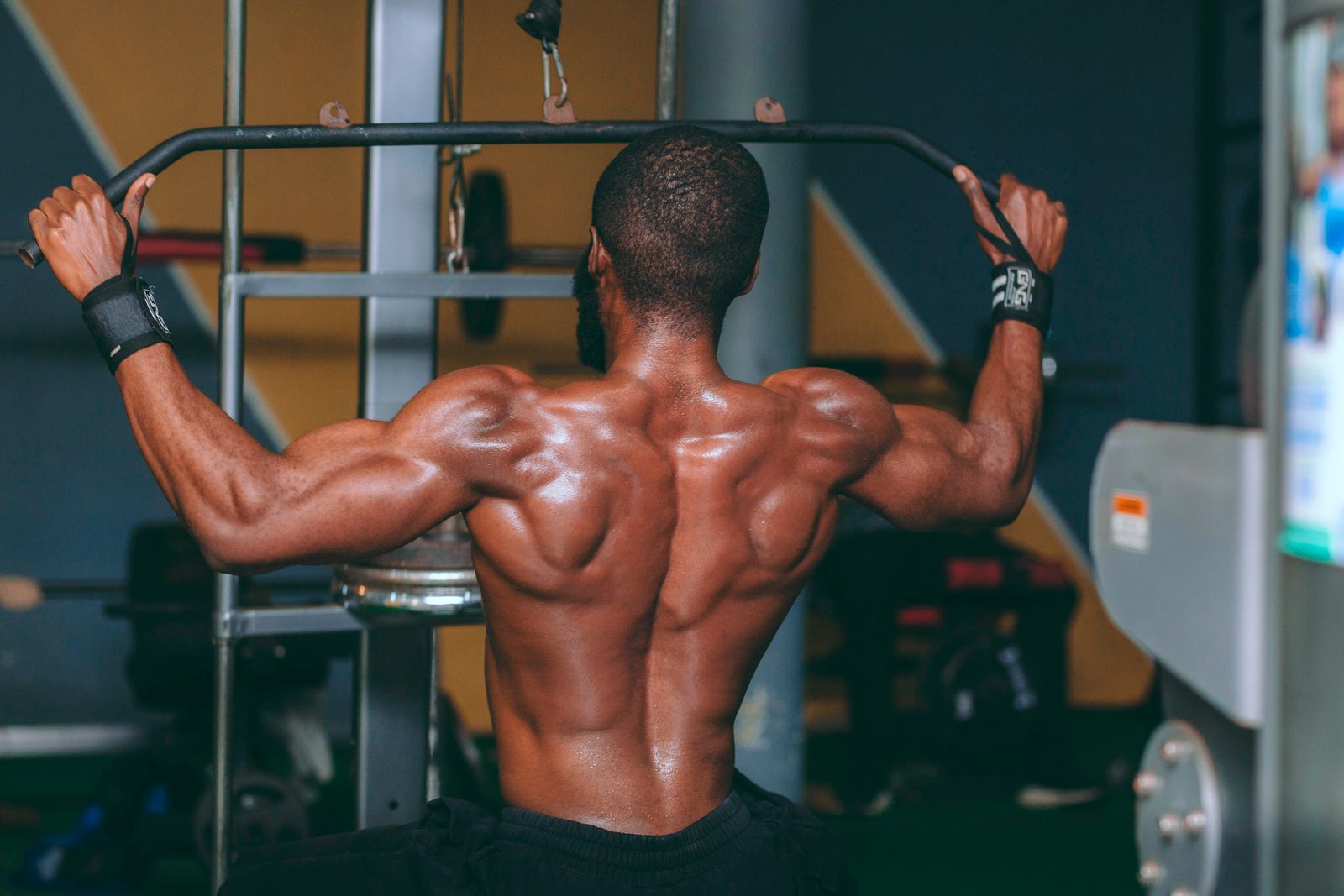
If you want a strong, massive back but have little time in the gym, three key exercises can go a long way.
Pick compound exercises that work several muscle groups and let you add weight as you get stronger. Done correctly and consistently, they build both size and strength in your back.
In this article I break down the three best exercises for a big back. I also share tips to get the most from them.
The Benefits of a Strong Back
Your back is one of the largest muscle groups in your body. It plays a key role in lifting, standing tall, and even walking.

A strong back improves posture and balance. It also makes other lifts, such as squats and deadlifts, easier.
To build a big back, target the lats, traps, rhomboids, and erector spinae. Also work the smaller muscles that stabilize your spine and shoulders. For back health, see how to build a strong and resilient back.
The Three Best Exercises for a Big Back
These three exercises are my top picks for a bigger back. Each one works multiple muscles, so a few movements give you a full back workout.
They are compound exercises. That means they work several muscles at once and let you add weight gradually for better growth.
Deadlifts
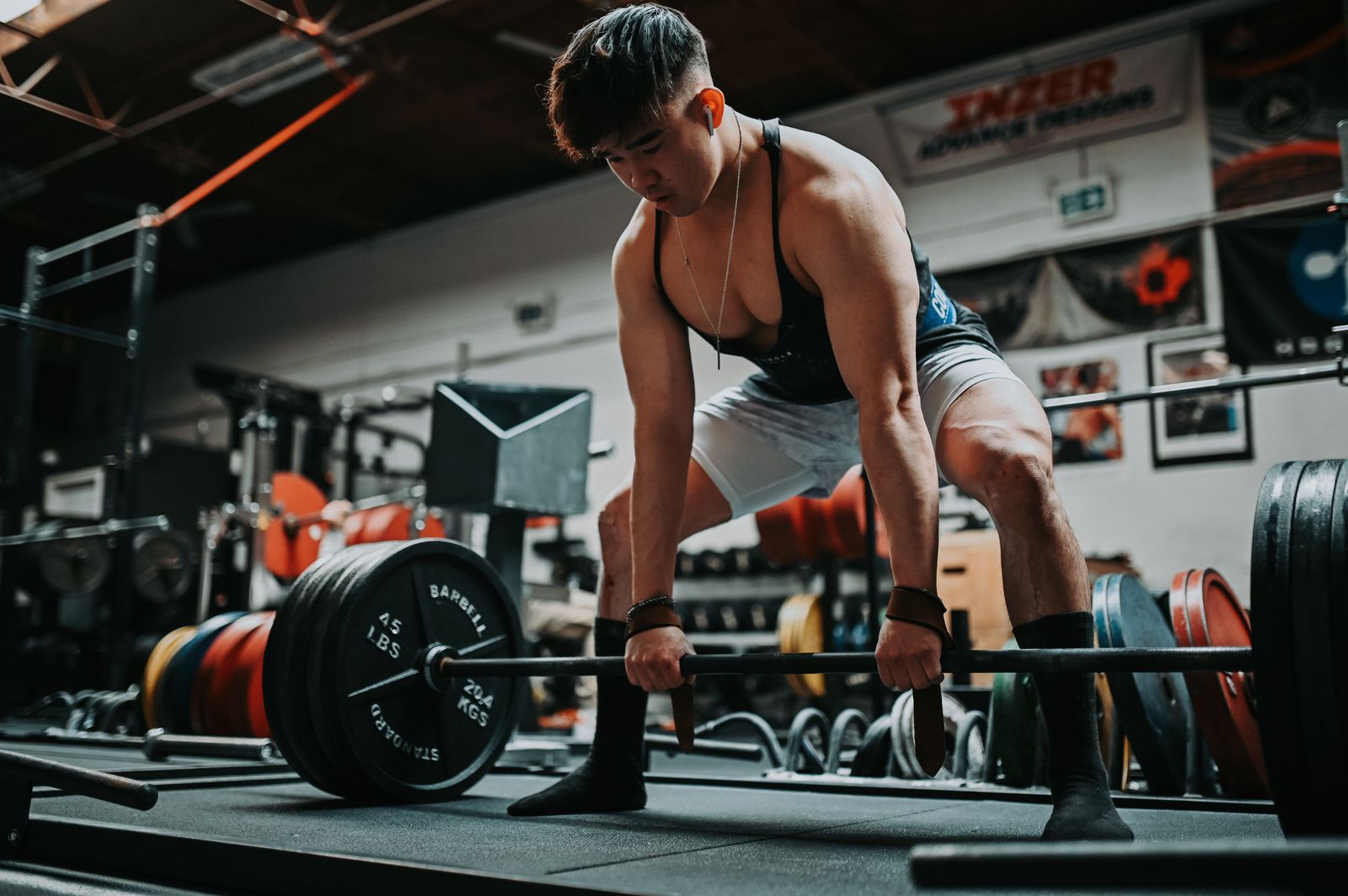
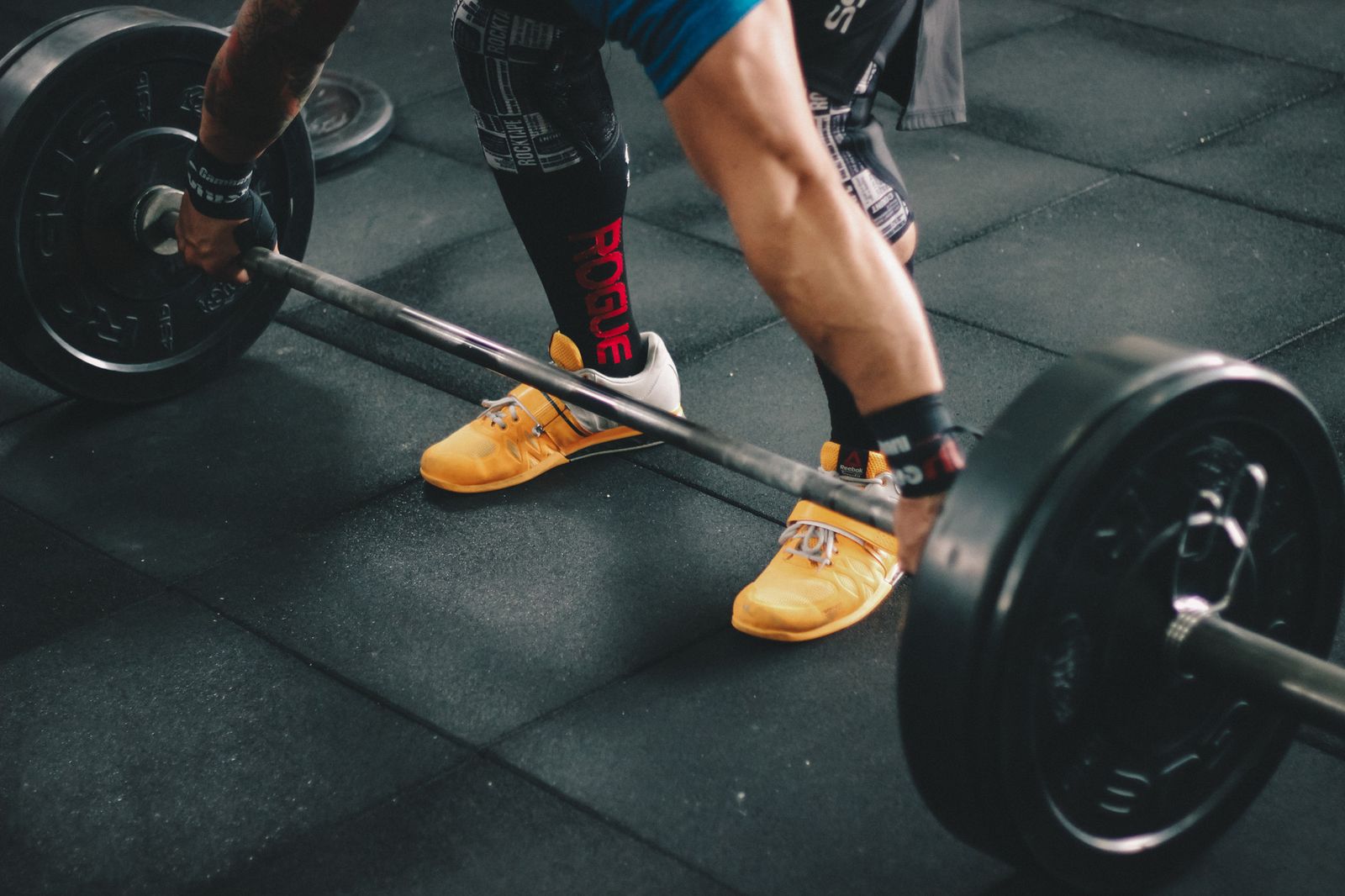
Deadlifts are one of the best exercises for building strength and size in your back. They target the lower back, upper back, traps, and lats. They also engage the hamstrings, glutes, and core.
With heavy weight and proper form, deadlifts work your entire back. Whether you want more size or more strength, they deserve a place in your routine. For the wider picture, see the best exercises for building strength, muscle mass, and functional fitness.

Stand tall with your feet hip-width apart and the barbell in front of you. Bend your knees and push your hips back to grip the bar just outside your knees. Keep your back straight, chest up, and core engaged.
Push through your heels and stand up tall, straightening your hips and knees together. Lower the bar with control, keeping your back flat and core tight.
The conventional deadlift focuses more on the lower back and hamstrings. The sumo deadlift uses a wider stance and targets the hips and glutes more.
Begin with lighter weights so you can learn proper form. Keep a neutral back to avoid rounding, and increase the weight gradually. If your grip gives out first, I reviewed adjustable weightlifting wrist straps.

Pull-Ups
Pull-ups are one of the best bodyweight exercises for the lats, traps, and biceps. They also build grip strength and engage your core.
When I started lifting over 10 years ago, I had no gym. I built a solid back using just one exercise: pull-ups.
I did a lot of pull-ups every day, which gave me a strong back foundation. Eventually I added compound lifts such as deadlifts and bent-over rows for a more balanced, powerful back.
Grab the bar with your palms facing away and your hands slightly wider than shoulder-width. Hang with straight arms and a tight core. Pull up by driving your elbows down and back, aiming to bring your chest toward the bar.
Lower yourself slowly until your arms are straight.
Chin-ups use a palms-facing-you grip and emphasize the biceps. Wide-grip pull-ups target the lats. Assisted pull-ups use a machine or a resistance band if you cannot do a standard pull-up yet.
If you want your first rep, I created The First Pull-Up Blueprint.
To track your progress, I built a Pull-Up Progress Calculator. Enter your best pull-up count and goal to see your training stage, weekly sets, and a rough timeline.
Bent-Over Rows
Bent-over rows are an excellent exercise for the mid-back, lats, and traps. You pull weight toward your body from a bent-over position, which works the back through a full range of motion.
You can do them with a barbell, dumbbells, or a cable machine. That lets you switch things up depending on what you have.

Stand with your feet shoulder-width apart and grab a barbell with an overhand grip, hands shoulder-width apart. Bend forward at the hips, keeping your back flat and chest up.
Pull the bar toward your lower chest by driving your elbows back. Squeeze your shoulder blades together at the top, then lower the bar with control.
Single-arm dumbbell rows help address muscle imbalances. T-bar rows target the upper back and traps. Seated cable rows focus on the lats and mid-back. For another lat-focused option, see the best grip for lat pulldowns.
Putting It Together
Add these three exercises to your routine with correct form, progressive overload, and consistency. That is how you build a larger back.
I built a Progressive Overload Calculator for the overload part. Enter your last session and it gives you your next weight, your rep target, and a short outlook.
Rest, nutrition, and recovery matter just as much. Learn how to recover faster as a natural bodybuilder so your back can grow.
Good form also keeps you injury-free. Read how to train safely and build strength without injury.
Summary
Deadlifts, pull-ups, and bent-over rows will set you up for a strong, massive back. Focus on progressive overload, keep your form in check, and stay consistent.
It is not about endless sets. It is about gradually lifting more and challenging your muscles. If you want a wider back, see how to get a V-taper body.
My Back-Training FAQs
Can you really build a big back with just three exercises?
Yes. With progressive overload and consistency, deadlifts, pull-ups, and bent-over rows are enough to build a strong, full back. It is not about piling on exercises. It is about getting stronger at the main ones over time.
Are deadlifts necessary for building a back?
Most people would say they are not strictly necessary, and that is fair. Personally, I find them valuable for back thickness and overall strength, so they earn their place in my training.
If you cannot deadlift because of an injury or another reason, you can skip them. Lower-back machines are a gentler option when heavy deadlifts are not possible. If you have an injury, ask your doctor or physiotherapist first. This is general information, not medical advice.
Do pull-ups alone build a good back?
Pull-ups build a real back, and I know that from experience. When I started lifting over ten years ago, I had no gym, just a pull-up bar. That single exercise built my back foundation.
They will take you a long way on their own. I eventually added deadlifts and rows because they rounded out my back with more thickness and overall strength. For bar options, see my review of the Ally Peaks pull-up bar.
How often should I train my back?
I train back twice a week, and it works well. The first session is heavy compound work. The second is lighter, with more focus on technique, mostly on machines.
That split lets me push hard one day. On the other, I refine form and add volume without burning out.
What is the most common back-training mistake?
The one I had to learn from myself was going as heavy as enhanced lifters do and letting my technique fall apart. As a natural lifter, chasing weights that wreck your form does not build a better back. It just invites injury.
Lifting a manageable weight with clean technique and adding to it gradually beats ego-lifting every time.
Barbell or dumbbell rows, which should I use?
I mix all the variations instead of sticking to one. Barbell rows let you load the most weight. Dumbbell rows help even out side-to-side imbalances.
Cable or machine rows are great for controlled technique work. Rotating through them covers the back from different angles, which is part of why I use all three main back movements together.
