


This guide was written and reviewed by Serge, MSc . As a martial artist and natural lifter with over 10 years of training experience, what I share comes from my own training and from digging into the research behind it.
Affiliate disclosure: This site has affiliate links, including Amazon. As an Amazon Associate I earn from qualifying purchases, at no extra cost to you.
Grip strength is vital for both athletic performance and everyday tasks.
Whether you lift weights, play sports, or do daily chores, your hands and forearms are crucial. As a lifter and martial artist, I see grip as a limiter that is worth training on purpose.
In this guide I explain why grip matters, the three main types of grip, and how to train them. I also look at the FitBeast kit, its limits, and who should skip it.
Why Grip Strength Matters
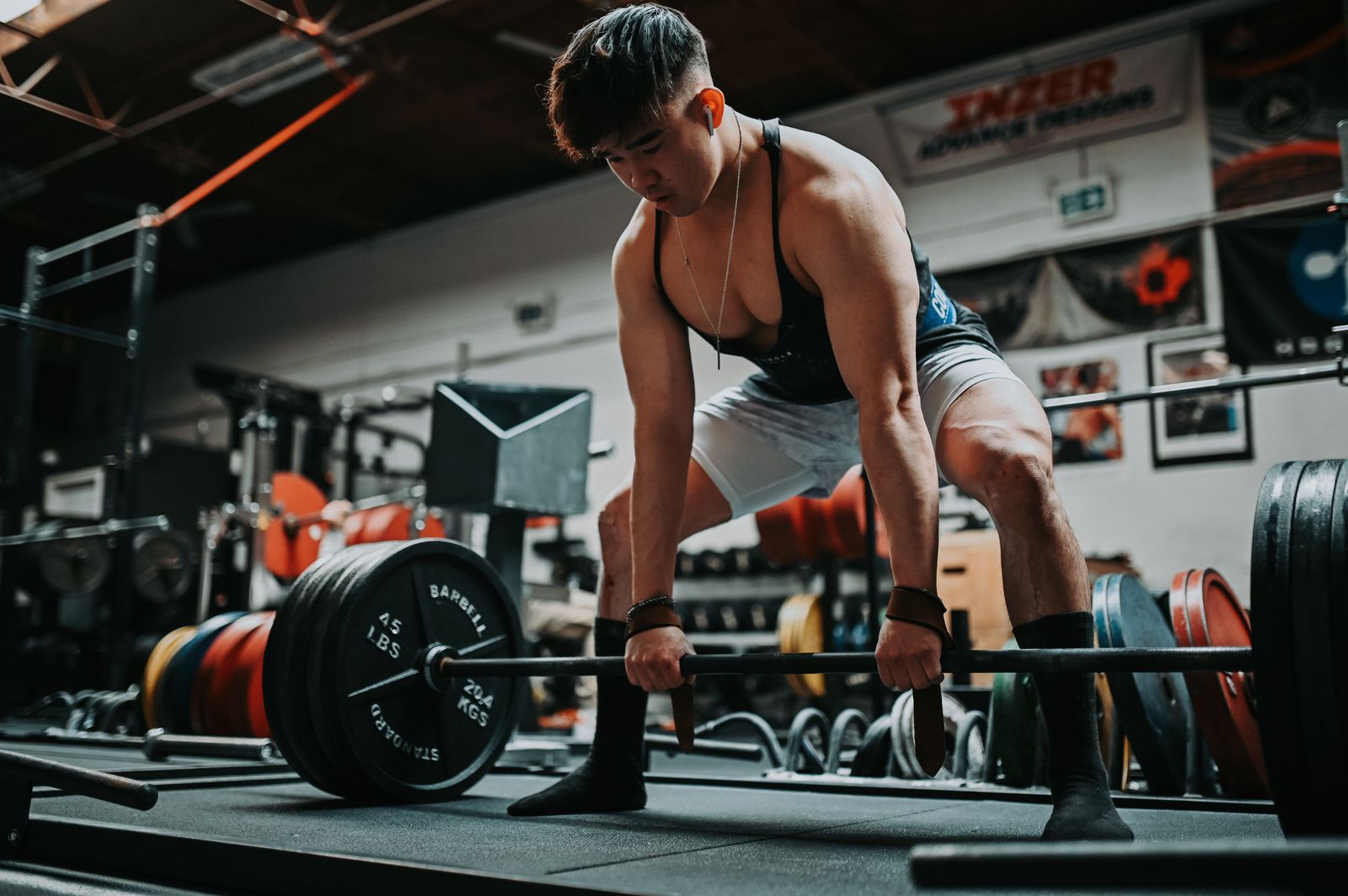
A strong grip lets you hold on to heavy weights for longer. That helps on deadlifts, rows, and pull-ups, where your hands often give out before your back does.
If your forearms tire first, you cannot work the target muscles hard enough. Training your grip removes that weak link.
Grip also matters outside the gym. It helps you carry heavy bags, open jars, and enjoy sports like rock climbing or tennis.
Straps are a useful tool on heavy pulling days, and I cover them in my review of the adjustable wrist straps. Training your grip is a separate job, though, and the two work well together.
The Three Types of Grip Strength
Crushing Grip
Crushing grip is your ability to close your hand into a tight fist. It helps on barbell lifts, dumbbell curls, and kettlebell swings, and it also helps with groceries and jars.
Support Grip
Support grip is your ability to hold something for a long time. You use it in deadlifts, pull-ups, and hanging from a bar.
It keeps you steady in long sets and heavy lifts. For a hanging challenge at home, see my review of the Ally Peaks pull-up bar.
Pinch Grip
Pinch grip is the strength between your fingers and thumb. It helps you hold flat objects like weight plates, and it matters in climbing and some strongman events.
How to Train Grip Strength
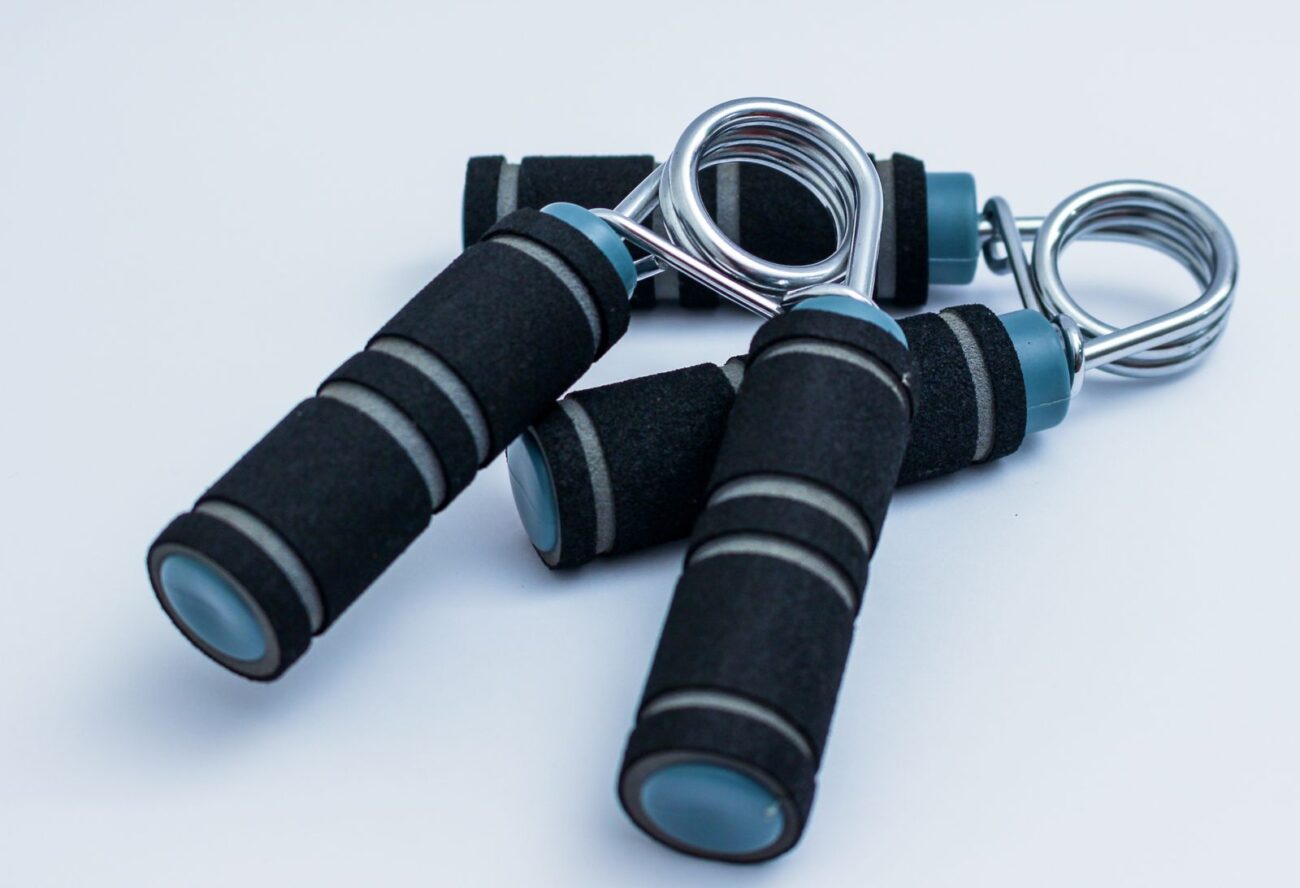
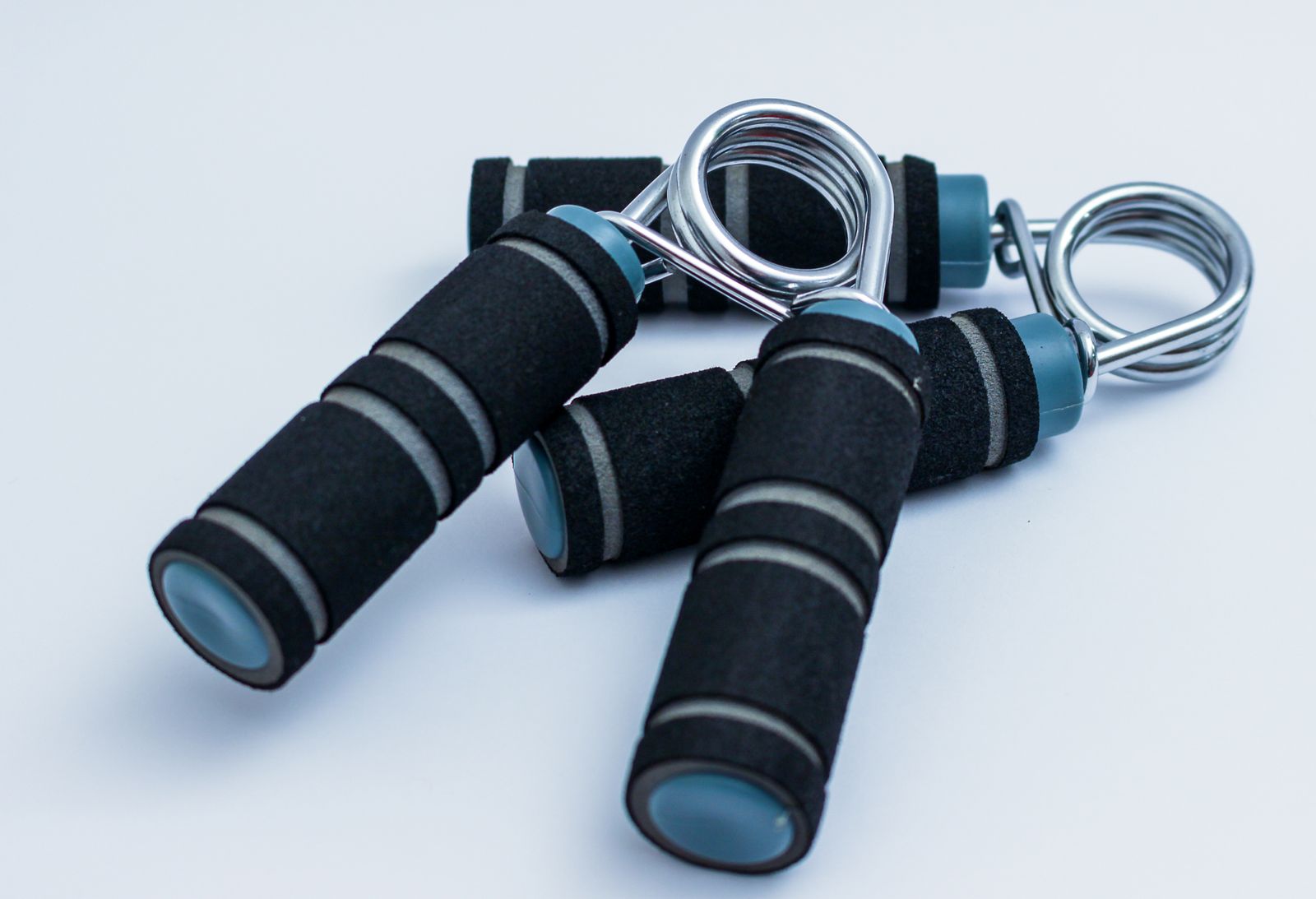
One of the simplest ways to build grip is to use a grip strengthener. It targets the muscles in your forearms and hands, and it fits into any routine.
High Reps, Low Resistance
To build endurance, use a lighter setting and do 15 to 20 or more reps. This suits people whose hands fatigue in pull-ups or rows.
Low Reps, High Resistance
For strength, use a harder setting and do 5 to 8 reps. This suits lifters who want to hold heavier weights in deadlifts.
Isometric Holds
Hold the gripper in a squeezed position for as long as you can with good form. This trains your support grip and carries over to holding heavy loads.
A Sample Week
This is a general example, not a program. Train your grip two to four times a week, and mix endurance days with strength days.
Use short sessions of 5 to 10 minutes after your lifting, not before. Fresh hands matter for heavy sets, so warm up well first.
To plan your warm-up, I built a Warm-Up Set Calculator. It gives you a simple set of ramp-up loads leading to your working weight, so you lift prepared.
Grip Training Beyond a Gripper
A gripper is only one tool. Heavy carries, dead hangs, and kettlebell swings all train your hands too, as I explain in my guide to kettlebell training.
Battle ropes also test your hands, and I review one in my post on the Brobantle battle rope. Thicker handles on dumbbells can add variety, as in my review of neoprene dumbbell hand weights.
Your grip choice on the bar matters as well. See my post on the best grip for lat pulldowns.
If your goal is more pull-ups, start with my guide to getting your first pull-up at home. I also created a Pull-Up Progress Calculator that shows your training stage, weekly sets, and a rough timeline.
Features of the FitBeast Grip Strengthener Kit
Here are the features I would check, based on the listing.
What Is in the Kit
The FitBeast Grip Strengthener kit comes with several tools, according to the listing. These are two adjustable hand grippers, a wrist workout tool, a finger stretcher band, a grip ring, and a stress relief ball.
That covers crushing, support, and pinch work in one set.
Adjustable Resistance
According to the listing, the hand grippers adjust from 10 to 132 pounds. That wide range lets beginners start light and stronger users progress.
Check the product page for the current details, since listings change. Choose a level that lets you finish your reps with control.
Counter and Comfort
The listing describes a built-in counter that tracks each press, and you reset it by turning the button. The handles are contoured and made of non-slip rubber, according to the listing.
This helps you track progress, but the FitBeast grip strengthener is still a hand tool, so check how it feels in your own hand.
It is compact and light, so you can use it at home, at the gym, or while traveling.
Limits and Safety
Overuse is the main risk. Doing too many reps too often can strain the tendons in your hands and forearms.
Start with a light setting, warm up your hands and wrists, and rest between sessions. Stop if you feel sharp pain, numbness, or tingling.
If you have arthritis, tendon problems, carpal tunnel symptoms, or a recent hand injury, ask a doctor first. Teens and older adults should use a low setting and build up slowly.
A gripper helps your hands, but it does not replace good lifting technique. This post gives general information and is not medical advice.
Who It Suits and Who Should Skip It
The FitBeast Grip Strengthener kit suits lifters, climbers, martial artists, and anyone who wants stronger hands. It can also help people who spend long hours typing or playing an instrument, if they build up slowly.
Skip it if you have painful or swollen hands or wrists that have not been checked. Skip it too if you only want a single resistance level, because this kit is built around adjustable ones.
Summary
Better grip supports your lifting and your daily tasks. Using a tool like the FitBeast Grip Strengthener kit can help you train your hands and forearms in a simple, repeatable way.
Train two to four times a week, rest between sessions, and build up slowly. In my view, grip is one of the cheapest upgrades to your training.
This is general information, not medical advice. If you have an injury or a medical condition, ask your doctor before you start.
FAQs: FitBeast Grip Strengthener Kit
What muscles does it train?
It works your forearms, hands, fingers, and wrists. That supports lifting, sports, and daily tasks.
How does the adjustable resistance work?
The listing says the grippers adjust from 10 to 132 pounds. Start at a comfortable level and increase it as you get stronger.
How often should I train?
Two to four times a week is a common guide. Alternate endurance and strength sessions, and avoid overtraining.
Can beginners use it?
Yes, with a low setting and short sessions. Build up slowly and stop if anything hurts.
What comes in the kit?
The listing mentions two hand grippers, a wrist tool, a finger stretcher band, a grip ring, and a stress relief ball.
How does the counter work?
It counts each press, and you turn the button to reset it. That helps you track reps over time.
How do I avoid overuse?
Warm up, use good form, and avoid too many reps in one session. Leave time to recover between workouts.
Would I recommend it?
For a low-cost way to train your hands, a gripper kit is a sensible tool. Pick a setting you can control and keep sessions short.
