



This guide was written and reviewed by Serge, MSc . As a martial artist and natural lifter with over 10 years of training experience, what I share comes from my own training and from digging into the research behind it.
Affiliate disclosure: This site has affiliate links, including Amazon. As an Amazon Associate I earn from qualifying purchases, at no extra cost to you.
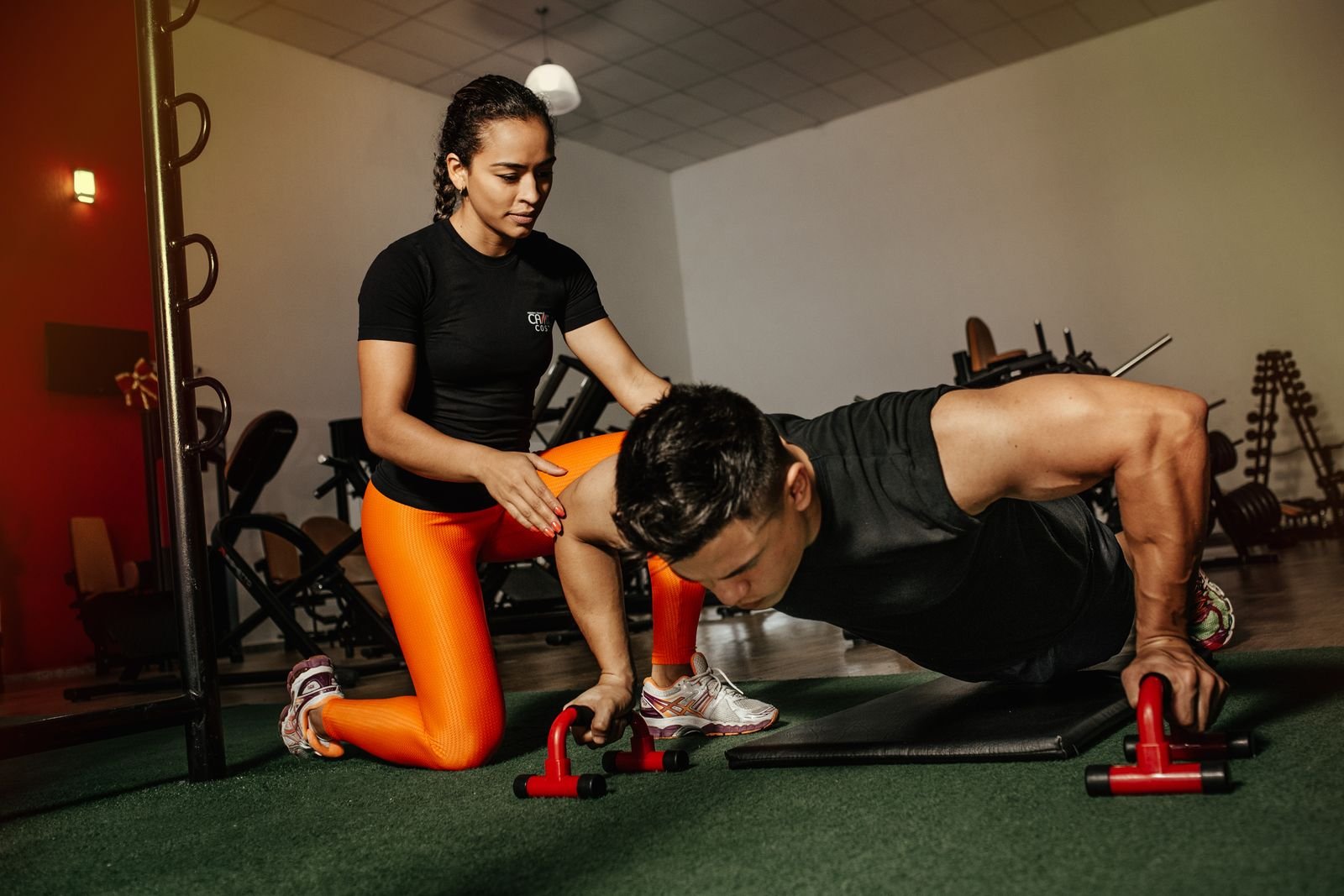
Looking for a way to make your push-ups more effective and engaging?
Push-ups have been a core part of my training for over a decade. When I did not have a gym, I relied on a pull-up bar at home and did countless push-ups.
At the time, my only goal was punching power. I was not thinking about wrist protection, range of motion, or full-body activation. My focus was arm and chest strength for martial arts practice.
Later, as I became more serious about fitness, I saw how much maximum stretch and range of motion matter in every exercise. That led me to push-ups with raised hands. They engage the chest and triceps in a way that is somewhat similar to dips.
Raising the hands allows a deeper range of motion and better wrist alignment. Push-up bars are a simple tool that can make every push-up more effective.
This post contains affiliate links. I may earn a commission if you buy through them, at no extra cost to you.
About Push-Up Bars
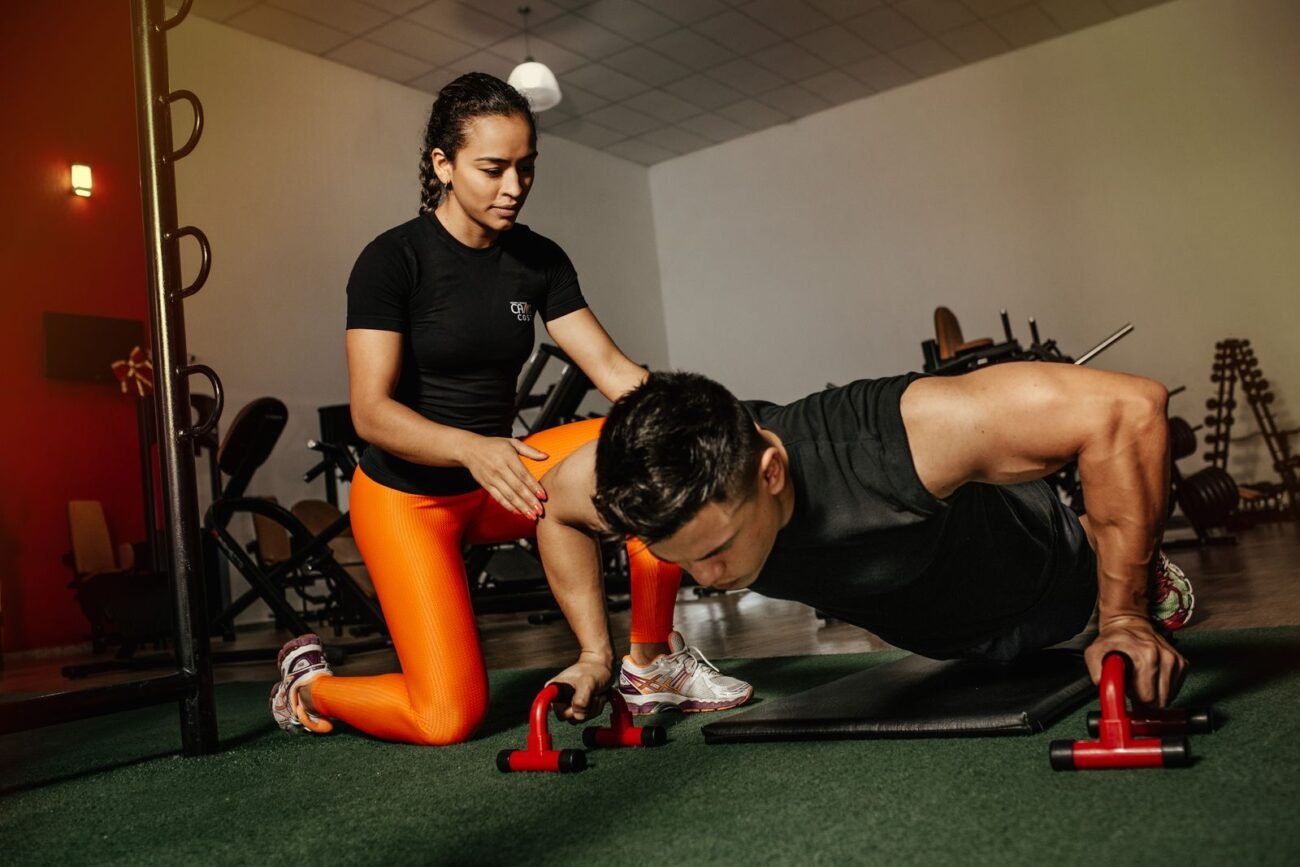
Push-up bars are small tools with a big effect. By lifting your hands off the floor, they let your chest, shoulders, and triceps lower further than in a standard push-up. That deeper movement can improve upper-body strength.
Looking back, I see that without the bars I was limiting myself. I was getting strong, but the bars pushed my muscles further and added stretch.
The extra depth also challenges the core and stabilizers. It brings in the back too, so the workout becomes more complete.
They are compact and lightweight, so you can train anywhere, from your living room to the park. For routines without equipment, try these home workouts.
Why They Work
A simple adjustment can add a lot to a familiar exercise. Standard push-ups can strain the wrists and limit depth. Push-up bars help with both problems.
They keep the wrists aligned and reduce discomfort. They also allow a fuller range of motion, so the muscles work through a longer stretch.
Personally, adding push-up bars to my routine revealed muscles I had not fully activated before. What began as a tool for punching power became a way to train stretch, range, and strength across the chest, triceps, shoulders, and back.
Push-up bars also allow progression. Beginners can start with controlled movements. Advanced lifters can try variations such as incline or pike push-ups.
The Redipo Ergonomic Push-Up Bars
Among the options, the Redipo Ergonomic Push-Up Bars stand out for durability, design, and practicality. They are made from polypropylene and support up to 300 pounds. They are also lightweight and portable.
Rubberized feet add stability on hardwood, tile, carpet, or gym floors. The ergonomic design helps keep your wrists aligned and allows deeper push-ups.
They are compact and easy to store, so they suit home or outdoor workouts. Redipo advertises a money-back guarantee.
If you prefer a board, I reviewed the HOTWAVE push-up board.
Integrating Push-Up Bars Into Your Routine
Using push-up bars well takes more than holding them while you lower your body. Form matters. Keep your body straight, brace your core, and control every repetition.
Beginners can start with a moderate range of motion. Deepen the movement as strength improves. Advanced lifters can try wide-grip, diamond, or pike push-ups.
Good form and gradual progress also help you train safely and build strength without injury.
For more bodyweight strength, I created the Home Strong Method Bodyweight Program. It fits well with bodyweight training.
Pair your pushing with pulling by working toward your first pull-up at home. I also reviewed the Ally Peaks pull-up bar.
To track that progress, I built a Pull-Up Progress Calculator. Enter your best pull-up count and goal to see your training stage, weekly sets, and a rough timeline.
Resistance bands are another way to add load. I reviewed the WHATAFIT resistance bands if you want a portable set.
If you train without a gym, read about building strength at home with no machines, no crowds, no excuses.
In my experience, push-up bars turned a simple arm-strength exercise into a full upper-body and core workout. What was once about punching power became about how maximum stretch and range of motion improve every repetition.
Summary
Push-up bars are a simple way to turn a basic exercise into a full upper-body, core, and mobility workout. From my experience, they revealed muscles I was not fully activating. They also showed me the importance of maximum stretch and range of motion.
The Redipo Ergonomic Push-Up Bars offer durability, stability, and portability. They suit home, outdoor, and travel workouts. Using them can deepen your push-ups and challenge more muscles.
Frequently Asked Questions
Which muscles do push-up bars target?
Mainly the chest, triceps, shoulders, abs, and back. The raised hand position allows deeper movement for fuller activation.
Are they suitable for beginners?
Yes. The ergonomic design can reduce wrist strain, which makes push-ups more comfortable. Start with a shallow range and go deeper over time.
How much weight can they support?
Each Redipo bar holds up to 300 lbs, which suits most users.
Will they stay stable on different surfaces?
Yes. Rubberized feet help prevent slipping on hardwood, carpet, or tile.
Can I take them to the gym or outdoors?
Yes. They are lightweight, compact, and portable.
How do they protect my wrists?
The ergonomic design keeps your wrists in a more neutral position, which reduces strain.
If you have wrist pain or an injury, ask your doctor or physiotherapist first. This is general information, not medical advice.
What if I am not satisfied with the product?
Redipo advertises a money-back guarantee. Check the current return terms on the Amazon listing.
