



This guide was written and reviewed by Serge, MSc . As a martial artist and natural lifter with over 10 years of training experience, what I share comes from my own training and from digging into the research behind it.
Affiliate disclosure: This site has affiliate links, including Amazon. As an Amazon Associate I earn from qualifying purchases, at no extra cost to you.
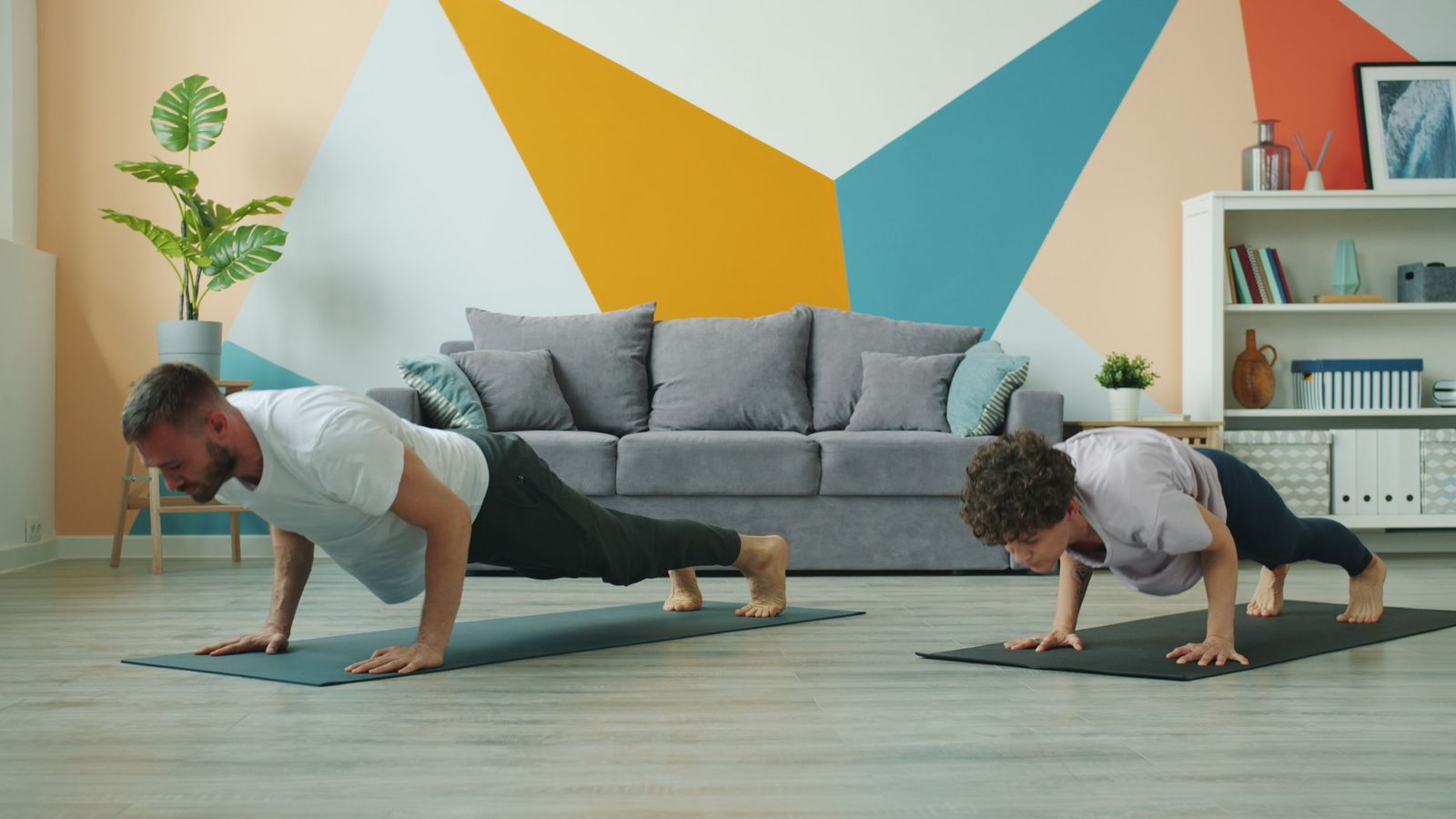
I’ve been training for over a decade now. Fitness, martial arts, strength work. All natural. No PEDs. No shortcuts. Just consistency.
And if there’s one thing I’ve learned, it’s this: you don’t need a fancy gym to get strong.
I’ve trained in commercial gyms, dojos, garages, and my own living room. The location doesn’t matter as much as people think. What matters is how you train.
Home Workouts vs. The Gym
When I first started training at home, I doubted it.
No machines. No heavy barbells. No gym atmosphere. It felt limited.
But over time I realized something important: your body doesn’t know where you are. It only knows tension.
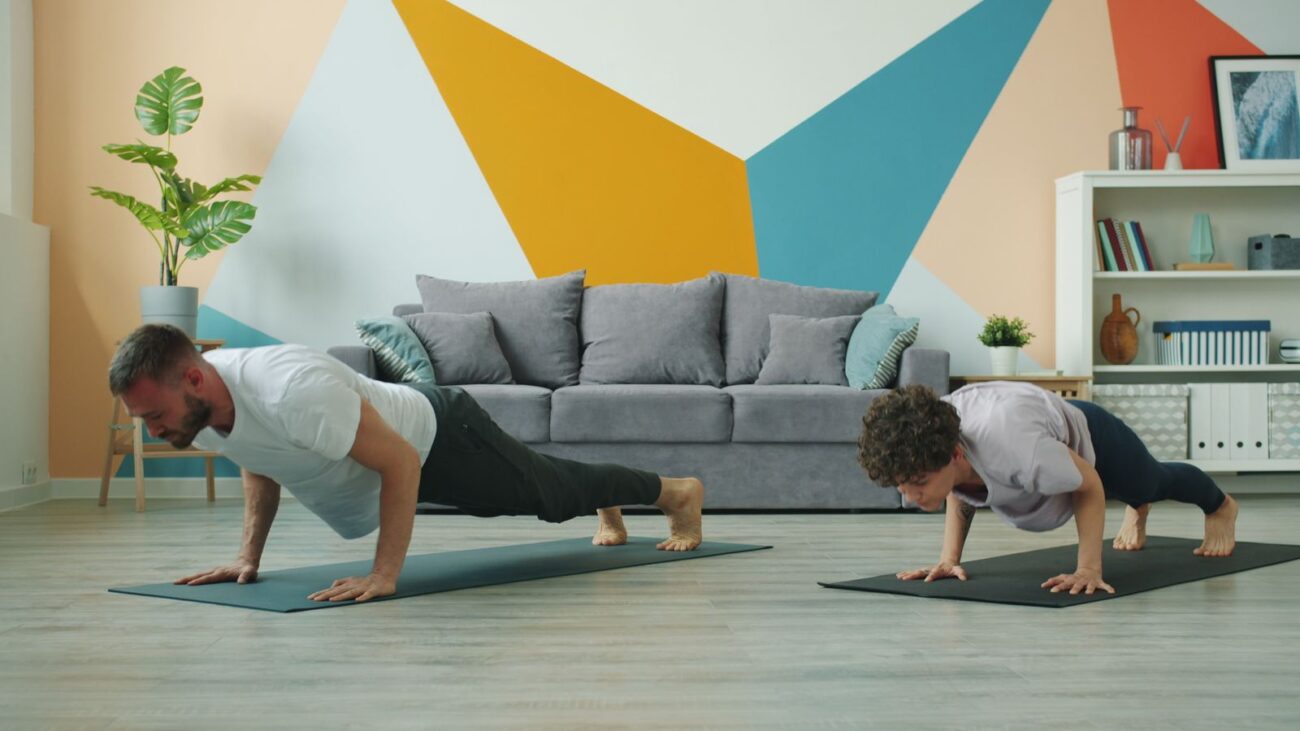
If your push-ups are hard, they build strength. If your squats burn, they work. If your heart rate is high, your conditioning improves.
The gym gives you variety. Home gives you focus. No waiting for equipment. No distractions. No excuses.
And sometimes, that’s an advantage.
What Actually Makes Home Workouts Effective
I’ve seen people get in great shape at home. I’ve also seen people quit after two weeks.
The difference isn’t equipment. It’s structure.
If you randomly drop down and do 20 push-ups here and there, nothing changes. But if you follow a plan, track your reps, and push yourself a little more each week? That’s when progress starts.
I like keeping things simple. Sometimes I use basic structures like 3 exercises, 3 sets each. Or 5 exercises, 5 sets, short rest. Or timed circuits for conditioning. Nothing fancy. Just organized effort.
Progressive Overload (The Lesson I Learned)
At one point, I kept doing the same number of push-ups every single day. Same reps. Same pace.
And I stopped improving.
That’s when it clicked: your body adapts fast. If you don’t increase the challenge, you plateau.
At home, progression can look like adding reps, slowing the tempo, increasing time under tension, using bands or dumbbells, or shortening rest periods.
You don’t need more equipment. You need more challenge.
The Types of Home Workouts That Work Best
Over the years, here’s what I’ve found works consistently.
Bodyweight Training.
Push-ups, squats, lunges, planks, dips. These are fundamentals. I still use them weekly. One simple routine I like: 10 push-ups, 15 squats, a 30-second plank, 10 lunges per leg. Repeat 3 to 4 rounds. It’s simple. It works.
Dumbbells and Resistance Bands.
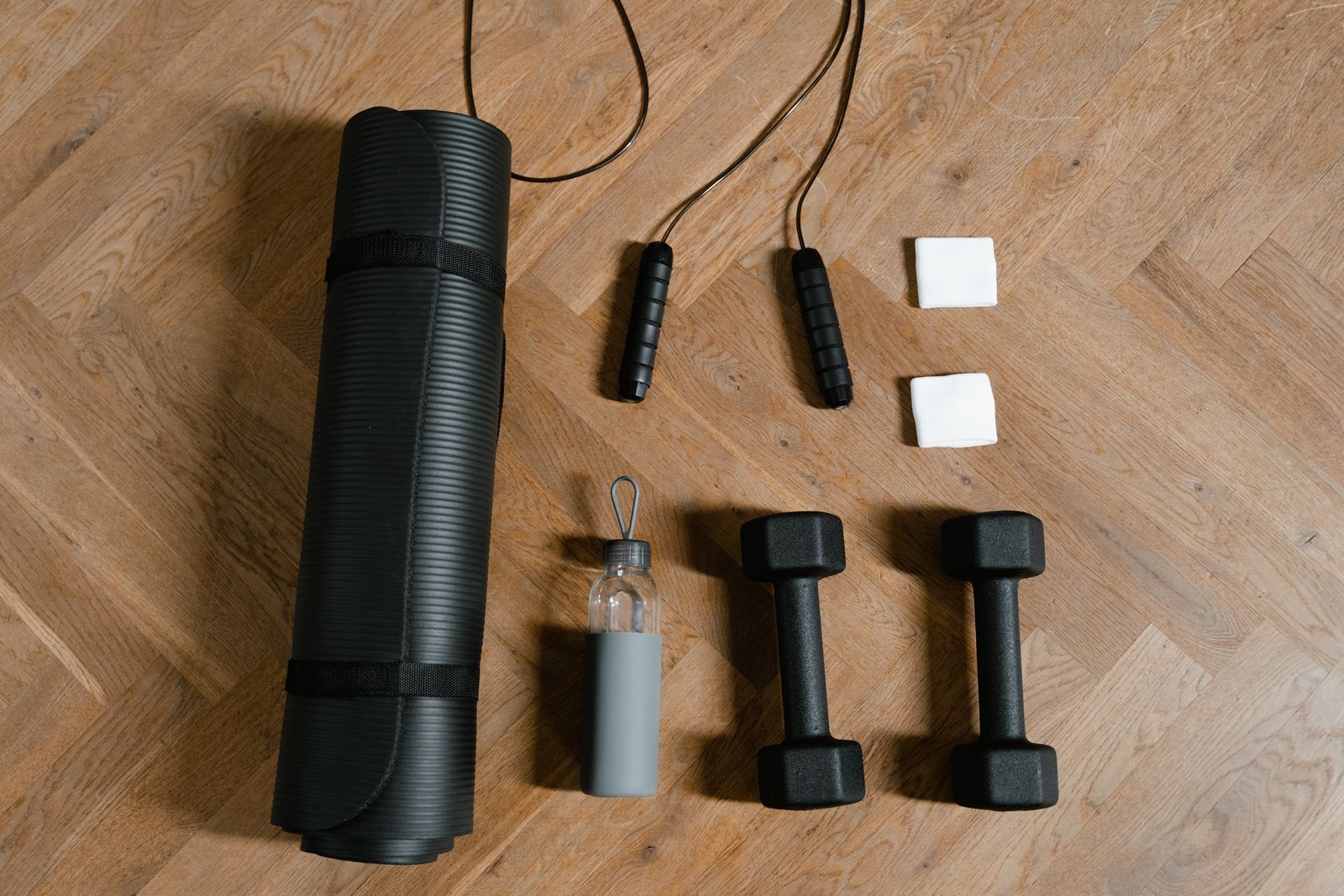
A small pair of dumbbells and a resistance band can last you years. Rows, presses, curls, deadlifts. You can hit your whole body without a machine in sight. You don’t need a full rack. You need enough resistance to challenge yourself.
Conditioning and Cardio.
Home cardio doesn’t have to mean jogging in place. Jump rope. Stair sprints. Burpees. HIIT intervals. Sometimes I’ll do 30 seconds of burpees, 30 seconds rest, then jumping jacks, rest, repeat for 10 rounds. It’s brutal. And it works.
What My Week Usually Looks Like
Nothing complicated. Strength circuits one day. Dumbbell full-body work another. A conditioning session midweek. Mobility or martial arts drills on other days. Rest when needed.
I don’t go 100% every single day. That’s a mistake I made early on. Now I train hard, but sustainably. I’d rather train at 70 to 80% for years than burn out in a month.
Common Mistakes I’ve Seen (And Made)
Skipping warm-ups. Repeating the exact same routine for months. Trying to copy gym programs without gym equipment. Ignoring rest.
Home workouts aren’t “easier.” You can absolutely overtrain at home if you’re not careful. Recovery matters.
What Real Progress Actually Looks Like
This part is important. Progress is usually quiet.
Push-ups feel easier. You recover faster. You’re less winded. Movements feel smoother.
Then one day you realize you’re stronger than you were a few months ago.
Most people quit before they get to that point. Discipline beats intensity every time.
Questions I Get All the Time About Home Training
Can I actually build muscle at home?
Yes. Muscle responds to resistance and progression, not your location. I’ve built and maintained strength at home with bodyweight, dumbbells, and bands. If you keep increasing the challenge, you’ll grow. If you don’t, you won’t.
Can I lose weight working out at home?
Absolutely, if you combine training with realistic eating habits. Circuits and HIIT burn calories. Strength training builds muscle, which helps long term. But workouts alone won’t fix poor nutrition. Consistency in both areas is what works.
How often should I train?
For most people, 3 to 5 focused sessions per week. Not 7 days of punishment. Train. Recover. Repeat.
Do I need equipment?
No. Bodyweight alone can take you far. But a pair of dumbbells and a resistance band make progression easier and more efficient. You don’t need a home gym setup. You just need enough resistance to challenge yourself.
How do I stay motivated at home?
You don’t rely on motivation. You build a habit. Motivation fades. Structure stays. Track your workouts. Seeing improvement is motivating enough.
Can beginners really get results at home?
Yes, and beginners often improve fast.
How long until I see results?
If you train consistently, you’ll feel stronger in 4 to 6 weeks. Visible changes take longer. Months, not days. The people who succeed are the ones who don’t quit after the first month.
Summary
Home workouts test your discipline more than your strength.
At the gym, the environment pushes you. At home, it’s just you. But if you can build that habit, if training becomes something you do automatically, then you don’t need machines, crowds, or a membership. You need to keep pushing yourself.
I’ve trained naturally for over 10 years using these principles. No shortcuts. No expensive programs. Just structured effort over time. And that’s enough.
Don’t let anyone convince you their expensive program is the only way to get results, especially if they’re not living the discipline they’re selling. Fitness isn’t complicated. Consistency, effort, and progression will always matter more than fancy marketing.
