



This guide was written and reviewed by Serge, MSc . As a martial artist and natural lifter with over 10 years of training experience, what I share comes from my own training and from digging into the research behind it.
Affiliate disclosure: This site has affiliate links, including Amazon. As an Amazon Associate I earn from qualifying purchases, at no extra cost to you.
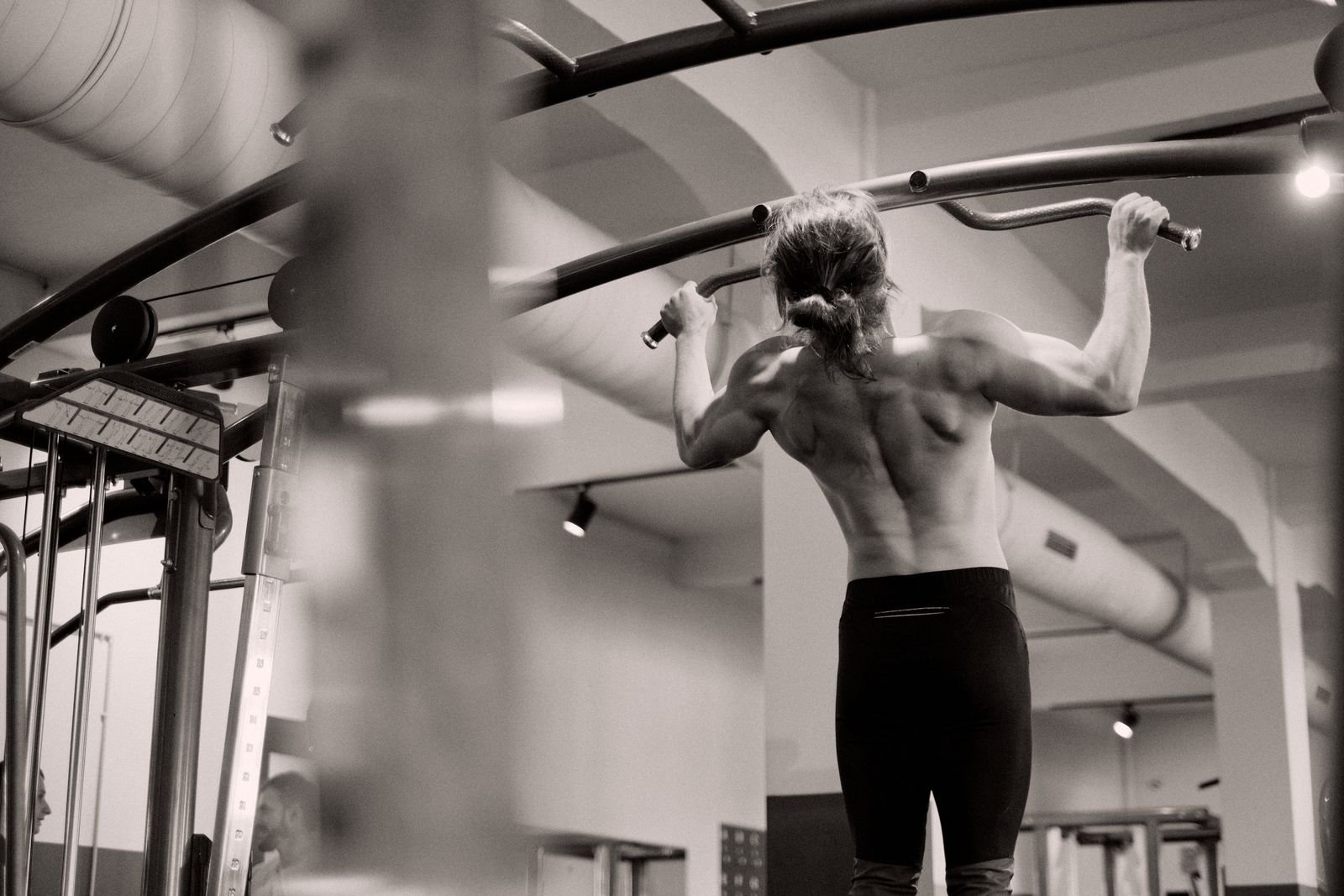
Want an exercise that can build serious upper body strength without a room full of gym equipment?
For me, pull-ups have always been one of my favorites. When I first started lifting, my “gym” was pretty basic, no machines, no fancy setup. Just a pull-up bar and a lot of trial and error.
If you’ve read some of my previous posts, you might remember me mentioning how that bar was basically the only equipment I had. At first, even a single pull-up felt like a huge challenge. But over time, that simple movement helped me build strength, endurance, and confidence.
In this guide, I’ll explain the key benefits of pull-ups, the muscles they target, and why they deserve a place in almost any workout routine.
The Importance of Pull-Ups in Your Fitness Routine.
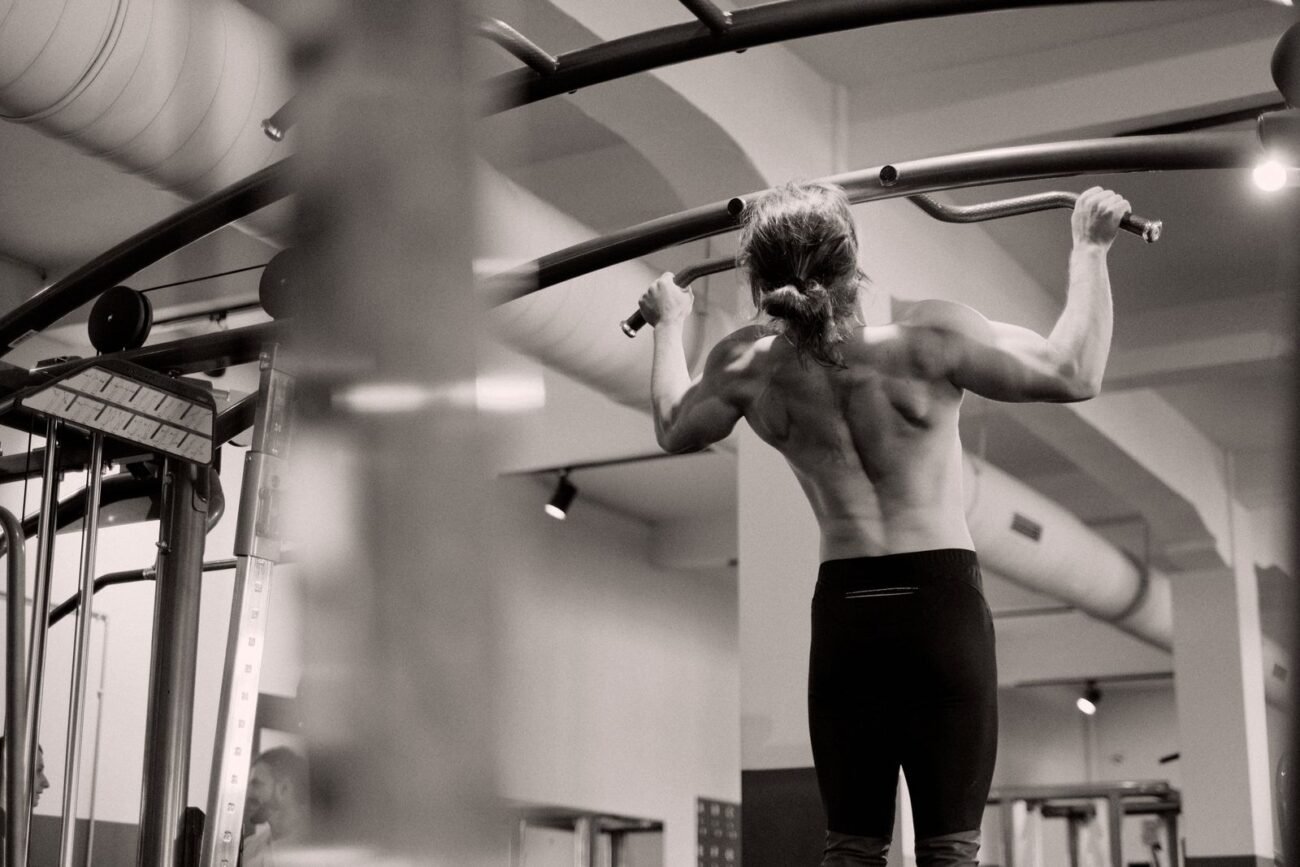
Pull-ups are a compound exercise which means they work multiple muscle groups at the same time. This makes them highly effective for building functional strength, especially in the upper body.
Unlike isolation exercises, such as bicep curls, pull-ups engage your back, arms, shoulders, and core all at once, making them a time-efficient and powerful addition to any workout regimen.
If you’re serious about building upper body strength and improving posture, there’s no better exercise to include than pull-ups.
They offer a scalable approach, meaning you can adjust the intensity as you progress. Whether you’re a beginner struggling with just a few reps or an advanced athlete performing weighted pull-ups, the pull-up can be tailored to meet your current fitness level.
This is an affiliate link, meaning I may earn a commission if you purchase, at no extra cost to you.
The Targeted Muscles During Pull-Ups.
Pull-ups are one of the best ways to target and strengthen the muscles of your back and arms. But their benefits extend far beyond just your lats and biceps.

Here’s a breakdown of the key muscle groups engaged during a pull-up:
1. Latissimus Dorsi (Lats).
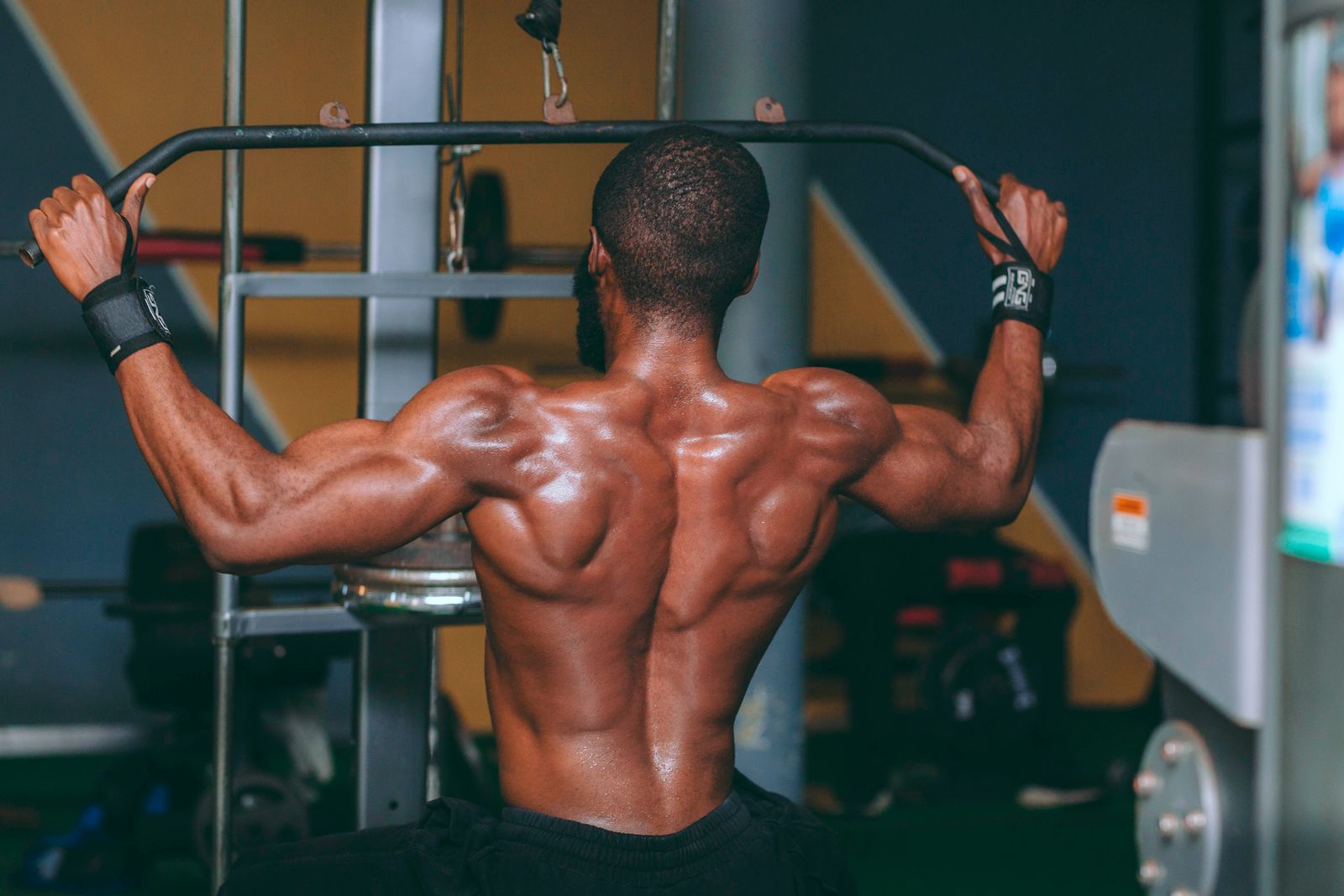
The lats are the large muscles in your back that give you that “V” shape. When you pull yourself up, your lats are the primary muscles responsible for lifting your body.
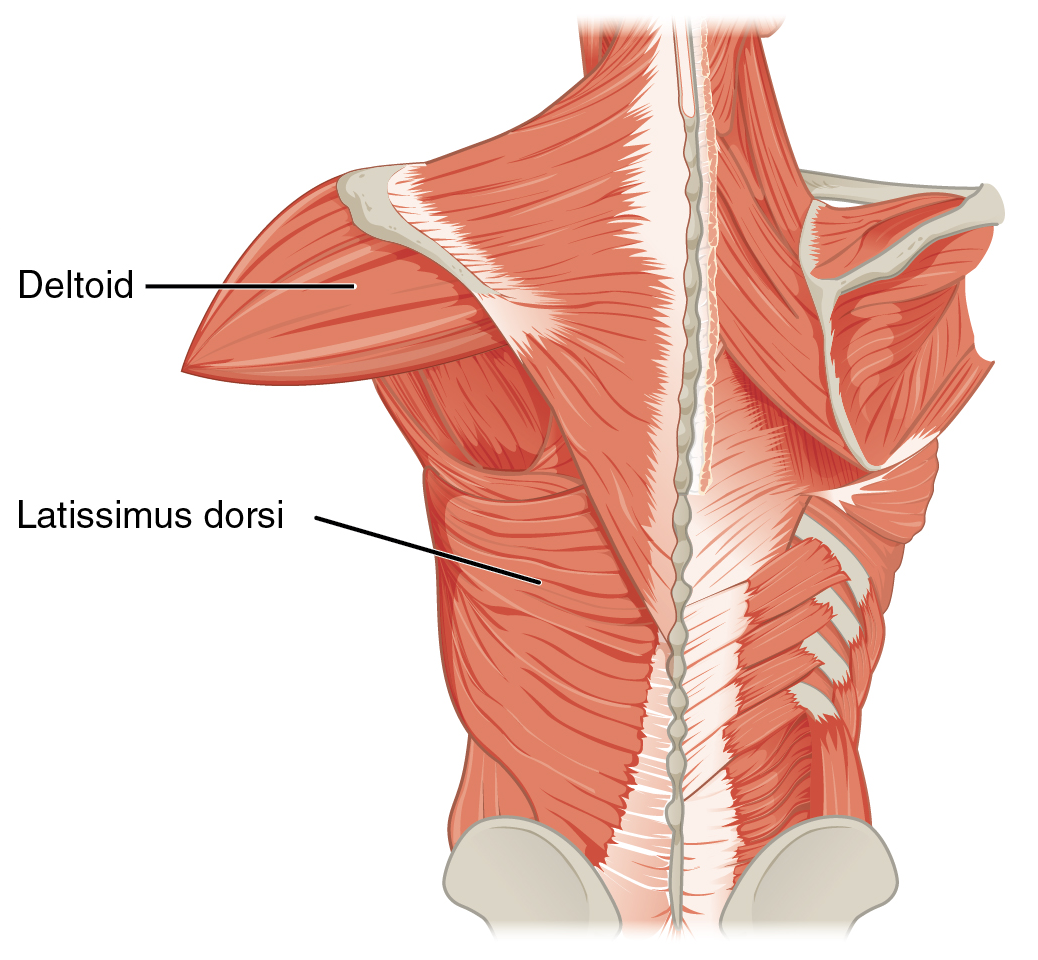
Depending on your grip (wide or narrow), you can emphasize different parts of your lats. Wide grip pull-ups, for example, tend to target the upper portion of the back, while a closer grip can help engage the lower lats.
2. Biceps.
Your biceps play a critical role during pull-ups, especially when using a neutral or underhand grip (chin-ups). They work to bend your elbows as you pull yourself up.
If you’re focusing on building arm strength, increasing your pull-up volume is one of the best ways to develop your biceps.

3. Shoulders (Deltoids).
Although your deltoids (shoulders) aren’t the primary muscles targeted, they still contribute to the movement, particularly when pulling your arms overhead.
A wider grip can activate the shoulders more intensely, helping you build rounded and defined delts.

4. Core Muscles (Abs and Obliques).
Pull-ups require a stable and engaged core to prevent your body from swinging during the movement. Your abs and obliques work to stabilize your torso, making pull-ups an excellent exercise for strengthening your midsection as well.

5. Traps and Rhomboids.
Your traps and rhomboids, located in the upper back, also get activated as you pull your body upwards. These muscles are responsible for pulling your shoulder blades together, which helps you maintain good posture and stability during the movement.

By targeting all of these muscles, pull-ups provide a full-body workout, particularly for the upper body and core, while also helping you build better posture and overall strength.
This is an affiliate link, meaning I may earn a commission if you purchase, at no extra cost to you.
Strategies for Perfecting Your Pull-Ups.
If you’re new to pull-ups or have struggled to perform them in the past, don’t be discouraged. Pull-ups are a challenging exercise, but with practice and the right technique, you can improve quickly.
I recommend the following tips to help you master pull-ups:
1. Start with Assisted Pull-Ups: If you can’t do a full pull-up yet, try using resistance bands or an assisted pull-up machine to help you perform the movement with less body weight.

Engage your lats and avoid swinging your legs. Proper form will prevent injury and make the exercise more effective.
2. Gradually Increase Reps: Start with a few reps and progressively add more as you get stronger. When I started, I was doing just 6 pull-ups, but now I can crank out 30 or more.
The beauty of pull-ups is that you can make them progressively harder over time, either by increasing your reps or adding weight. The key to my success has been consistency sticking with it and gradually pushing myself to improve.
3. Mix Up Your Grip: Try different hand positions (wide, neutral, and close grip) to target different parts of your back, shoulders, and arms.

The Ally Peaks Pull-Up Bar.
Keep in mind that you don’t need a gym membership to do pull-ups; you can easily set up a pull-up bar in your own home.
I highly recommend the Ally Peaks Pull-Up Bar as the perfect addition to your home gym.
The Ally Peaks Pull Up Bar for Doorway is a fantastic option. After experiencing the benefits of pull-ups firsthand, I can confidently say that this pull-up bar has been an excellent addition to my home gym.
It provides a sturdy and reliable platform to perform pull-ups, dips, push-ups, and more, all in the comfort of your own space.
Here’s why it is an excellent investment for anyone serious about building upper body strength:
1. Heavy-Duty Construction: Made from 1.7mm thickened alloy steel, this bar is strong and durable, supporting up to 440 lbs.
It’s perfect for both beginners and advanced users, offering the stability needed for safe and effective workouts.
2. Multi-Functionality: This pull-up bar isn’t just for pull-ups. You can also use it for dips, push-ups, hanging crunches, and leg raises, making it a versatile addition to your fitness routine.
3. Upgraded Silicone Protection: The double silicone protection ensures that your door frame stays free from damage while you work out.
This feature is especially great for renters or anyone concerned about leaving marks on their walls.
4. Easy Installation: No drilling required. You can quickly set up the bar in just a few minutes without the need for screws or permanent fixtures.
5. Portable and Space-Saving: This pull-up bar is lightweight and can be easily stored when not in use, making it ideal for small spaces.
6. 180-Day Free Return: The 180-day return policy gives you peace of mind with your purchase, ensuring you can try the product risk-free.
In summary, the Ally Peaks Pull-Up Bar for Doorway is an effective and durable piece of equipment that enhances home workouts by allowing for pull-ups, core exercises, and dips.
It’s a cost-effective, space-saving solution for anyone serious about building upper body strength and achieving fitness goals.
FAQs
Will this pull-up bar damage my door frame?
No. It features double silicone protection pads designed to prevent marks or scratches when installed properly.
How much weight can the Ally Peaks Pull-Up Bar support?
The heavy-duty steel construction supports up to 440 lbs, making it strong enough for most users.
What exercises can you do with this pull-up bar?
You can perform pull-ups, chin-ups, dips, push-ups, hanging leg raises, and crunches, allowing you to train your upper body and core.
Does the bar require drilling or permanent installation?
No. It uses a leverage design that fits securely into a doorway without screws or drilling.
What door sizes does it fit?
It fits standard doorways between 24″ and 32″ wide with a frame depth of 4.7″ to 8.27″.
Is it easy to install and remove?
Yes. The bar can be installed or removed in seconds, making it convenient for home workouts.
As a lifter with over a decade of experience, would I recommend it?
Yes. In my opinion, a sturdy doorway pull-up bar like this is one of the simplest and most effective tools for building upper body strength at home, especially if you don’t want bulky gym equipment.
This is an affiliate link, meaning I may earn a commission if you purchase, at no extra cost to you.
