




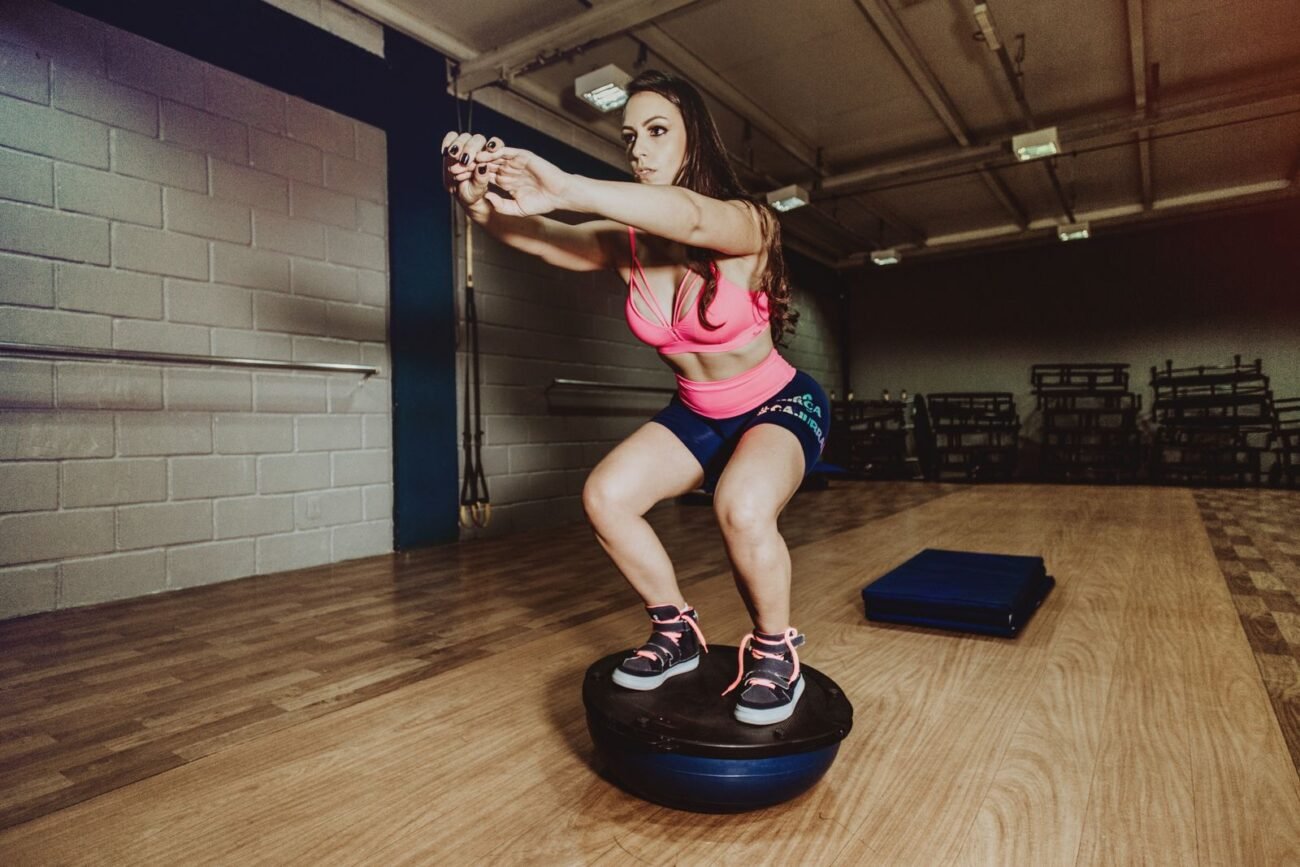
This guide was written and reviewed by Serge, MSc . As a martial artist and natural lifter with over 10 years of training experience, what I share comes from my own training and from digging into the research behind it.
Affiliate disclosure: This site has affiliate links, including Amazon. As an Amazon Associate I earn from qualifying purchases, at no extra cost to you.
Think your workouts are complete?
Most people skip one crucial element: balance. It strengthens muscles, sharpens coordination, and improves flexibility. It also makes every exercise feel more effective.
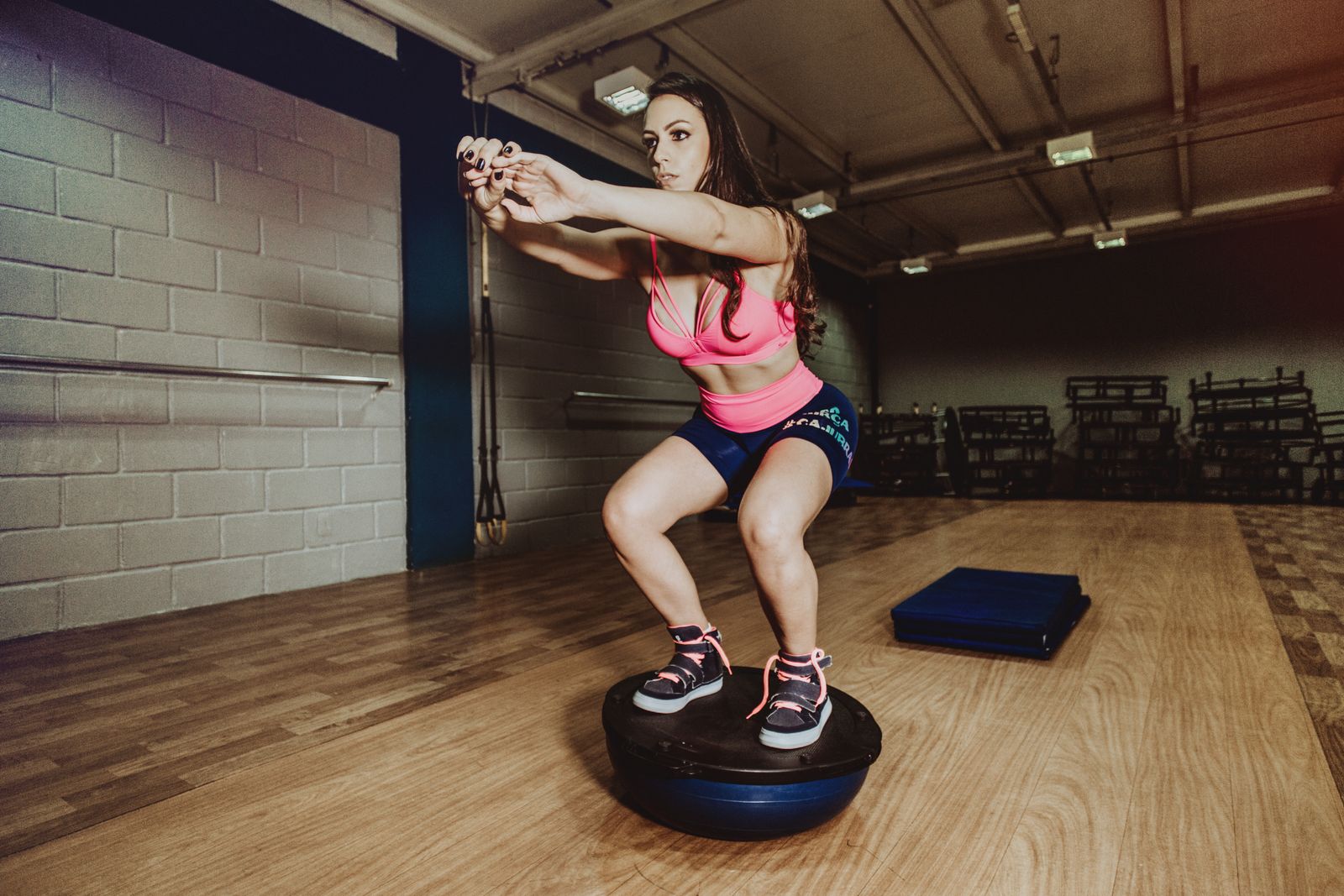
The BOSU Home Balance Trainer is a simple way to add it. This versatile tool activates multiple muscle groups at once. It makes squats, lunges, and planks feel completely different, in a good way.
It suits beginners and experienced lifters alike. Here is why the BOSU is more than another piece of equipment.
This post contains affiliate links. I may earn a commission if you buy through them, at no extra cost to you.
What Is the BOSU Home Balance Trainer?
The BOSU Home Balance Trainer is a versatile fitness device with a unique design. It has a half-ball shape. One side is an inflatable dome, and the other is a stable, flat base.
The name BOSU stands for “Both Sides Up”. You can use either side to change the exercise.
This dual-function design suits many workouts. It works for balance training and core strengthening. It also works for flexibility and cardio.
Main Features and Benefits of the BOSU Home Balance Trainer
Dual-Sided Design for Versatility
One of the standout features of the BOSU Home Balance Trainer is its dual-sided design. You can flip it over to use the dome side or the flat side, depending on the exercise.
The dome side challenges your balance. It forces your body to engage stabilizing muscles. The flat side gives a more stable surface, which suits strength training with adjustable dumbbells.
This flexibility makes the BOSU a useful tool for all fitness levels.
Sturdy and Durable Build
It is made from rubberized materials and built to last. The construction should stand up to hard workouts.
The surface is also non-slip, which adds stability during exercises. Whether you do core work, strength training, or balance drills, the sturdy design helps keep you safe.
Adjustable Firmness for Custom Intensity
Another great feature of the BOSU Home Balance Trainer is its adjustable firmness. You can inflate or deflate the dome to suit your needs.
For a harder workout, leave it softer to increase instability. To make it firmer and more stable, inflate it more. That makes it adaptable to all levels and workout types.
Compact and Easy to Store
Unlike bulky gym machines, it is compact and easy to store. That is perfect for home gyms with limited space.
When you are done, you can deflate it or store it away. Despite its small size, it offers a wide range of workouts. For more ideas on small-space setups, see these home gym equipment packages for every fitness level.
Non-Slip Surface for Safety
Safety is a priority, and the BOSU Home Balance Trainer delivers there. The top side has a textured, non-slip surface that helps you stay secure.
Whether you do squats, push-ups, or yoga poses, it gives you confidence to push yourself. Still, learn how to use gym equipment properly first, and keep your form controlled.
A Full-Body Fitness Tool
The BOSU Home Balance Trainer is not just a balance tool. It is an all-in-one fitness device.
It works for core strengthening, such as planks and crunches. Pair it with smarter core training for lifters to get more from it. It suits lower-body work such as squats and lunges, and upper-body work such as push-ups and dumbbell presses.
It also works for flexibility and mobility, such as yoga and Pilates. My take on staying flexible as a natural lifter fits well here. I also created The 10-Minute Morning Mobility Routine for a quick daily start.
For cardio routines such as jumping and stepping, a jump rope is another simple option. To pace that work, I built a Heart Rate Zone Calculator. It gives you five heart rate zones from your age, plus a simple plan for using them around your lifting.
With this tool, you can target every muscle group.
Who Should Use the BOSU Home Balance Trainer?
The BOSU Home Balance Trainer suits a wide range of people.
Beginners can improve balance and coordination in a safe, controlled way. Intermediate and advanced users can push core strength and agility further. Athletes can work on balance, agility, and performance in their sport.
Older adults can use it to improve balance and reduce the risk of falls. Yoga and Pilates fans can use it to deepen their practice.
People recovering from an injury can use it to rebuild strength and joint stability. If that is you, check with a physio or doctor first.
My Take on the BOSU Home Balance Trainer
As a natural lifter with over a decade of experience, I believe the BOSU Home Balance Trainer is a useful tool for fitness enthusiasts.
It is more than a balance tool. It engages multiple muscle groups and can support flexibility, strength, and cardio work.
True fitness goes beyond lifting weights. It also needs stability and core engagement. This tool gives you a versatile platform for exercises that challenge your body in different ways.
Whether you are a beginner or an experienced lifter, adding it to your routine can improve balance and core control. Balance work also supports safer lifting, in line with how I train safely and build strength without injury.
If you want a bodyweight plan to use it with, I created The Home-Strong Method.
BOSU Home Balance Trainer FAQs
How often should I use the BOSU for best results?
For noticeable gains in balance, strength, and coordination, use it 3 to 5 times a week. Short daily sessions of 10 to 20 minutes can also help maintain stability and core engagement.
Can the BOSU help prevent injuries?
It may help. Regular use trains stabilizing muscles and improves balance and coordination. That can reduce the risk of falls and some exercise-related injuries, especially for older adults and athletes.
It is not a cure-all. It does not replace advice from a physio or doctor.
How do I clean and maintain my BOSU?
Wipe the surface with a damp cloth and mild soap after use. Avoid harsh chemicals and abrasive scrubbers. Check the dome regularly for air leaks, and keep the non-slip surface free of dust and sweat.
Can I use the BOSU with weights or resistance bands?
Yes. You can add dumbbells, kettlebells, or a resistance band set while standing, squatting, or doing balance exercises. Start light, because the unstable surface makes every load feel harder.
Is the BOSU portable enough for trips or outdoor workouts?
Yes. It is lightweight and compact. You can deflate it, store it, and carry it easily. That makes it handy for outdoor workouts, travel, or moving between home gym spaces.
How do I choose between the flat side and the dome side?
Use the dome side for balance, stability, and core exercises. Use the flat side for more controlled strength work, or if you are a beginner. Switching sides lets you progress and add variety.
Can kids or teenagers use the BOSU safely?
It is designed for adults. Teens can use it under adult supervision for balance, agility, or core exercises. Keep exercises age-appropriate, and avoid overloading the dome to prevent accidents.
