



This guide was written and reviewed by Serge, MSc . As a martial artist and natural lifter with over 10 years of training experience, what I share comes from my own training and from digging into the research behind it.
Affiliate disclosure: This site has affiliate links, including Amazon. As an Amazon Associate I earn from qualifying purchases, at no extra cost to you.
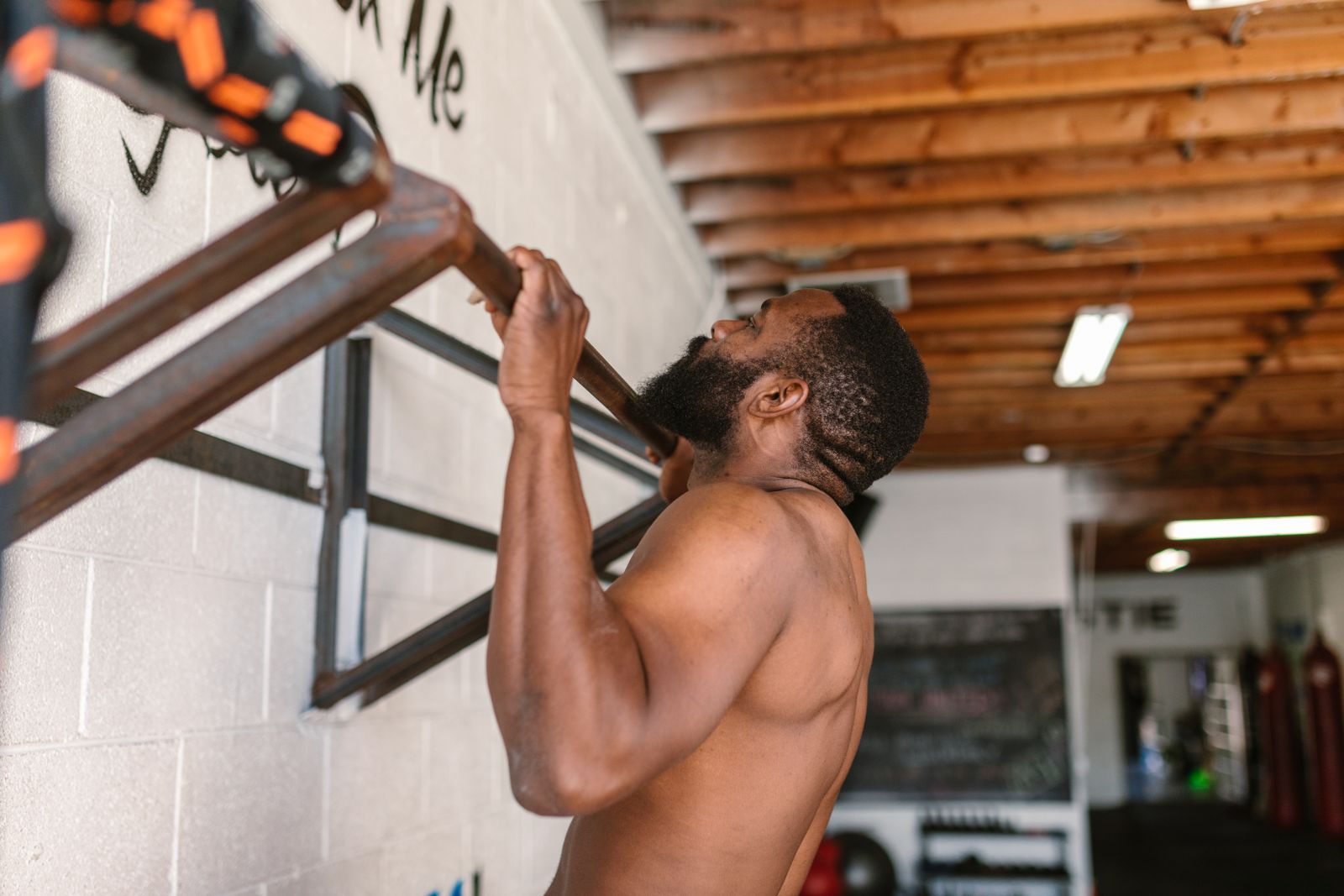
Few exercises compare to pull-ups for building upper body strength. I started training without a gym membership, and I can tell you from experience that this one simple movement is incredibly powerful.
With nothing but a pull-up bar, I made pull-ups one of my real strengths, and they became the foundation everything else was built on. If you are always looking for ways to improve your training, this is one worth paying attention to.
Why Upper Body Strength Matters
Upper body strength is not just for the gym. Stronger arms, shoulders, and back help with daily life, carrying things, playing sports, holding good posture, and staying resilient against injury. Whether you want to perform better or just feel more capable in your own body, building real upper body strength is worth the effort.
Why Pull-Ups Are Worth Doing
Pull-ups are a compound exercise, meaning they work several muscle groups at once. Where an isolation exercise hits a single muscle, a pull-up trains your back, shoulders, arms, and core together in one movement.

A few reasons they earn their place in any program:
They build functional strength. Pull-ups mirror real pulling movements, so the strength carries over to actual life, not just to the bar.
They are versatile. Change your grip and you change the emphasis, from more back to more biceps, all from the same basic movement.
They need almost nothing. A bar is all it takes, no full gym required, which is exactly why they suit home training so well. It is the same reason they worked for me when I had no money and no gym, just a bar and my own bodyweight. I wrote more about that in my post on building strength at home with no money or gym.
They scale with you. As you get stronger, you add reps, then weight, then harder variations. The challenge never runs out.
How to Start Doing Pull-Ups
Pull-ups can look intimidating, especially if you cannot do one yet. That is normal, almost nobody starts able to do them. With the right approach you can build up to your first one and beyond.
Step 1: Get a solid bar. You need a pull-up bar that holds your weight securely. A doorway bar works well for home, just make sure it is fitted properly and safely before you trust it with your full weight. If you do not have one, a good doorway bar is the cheapest, most useful piece of upper-body equipment you can own, I go into the one I would point people to in my post on the Ally Peaks Pull Up Bar.
Step 2: Build up with easier versions. If you cannot do a full pull-up yet, start with these:
Negative pull-ups: jump or step to the top position, then lower yourself down as slowly as you can. This trains the exact muscles you need, even before you can pull up.

Band-assisted pull-ups: loop a resistance band over the bar and put a foot or knee in it. The band takes some of your weight, so you can practise the full movement and reduce the assistance over time.

Isometric holds: hold yourself at the top of the bar, chin up, for as long as you can. This builds the strength and endurance to hold a strong position.

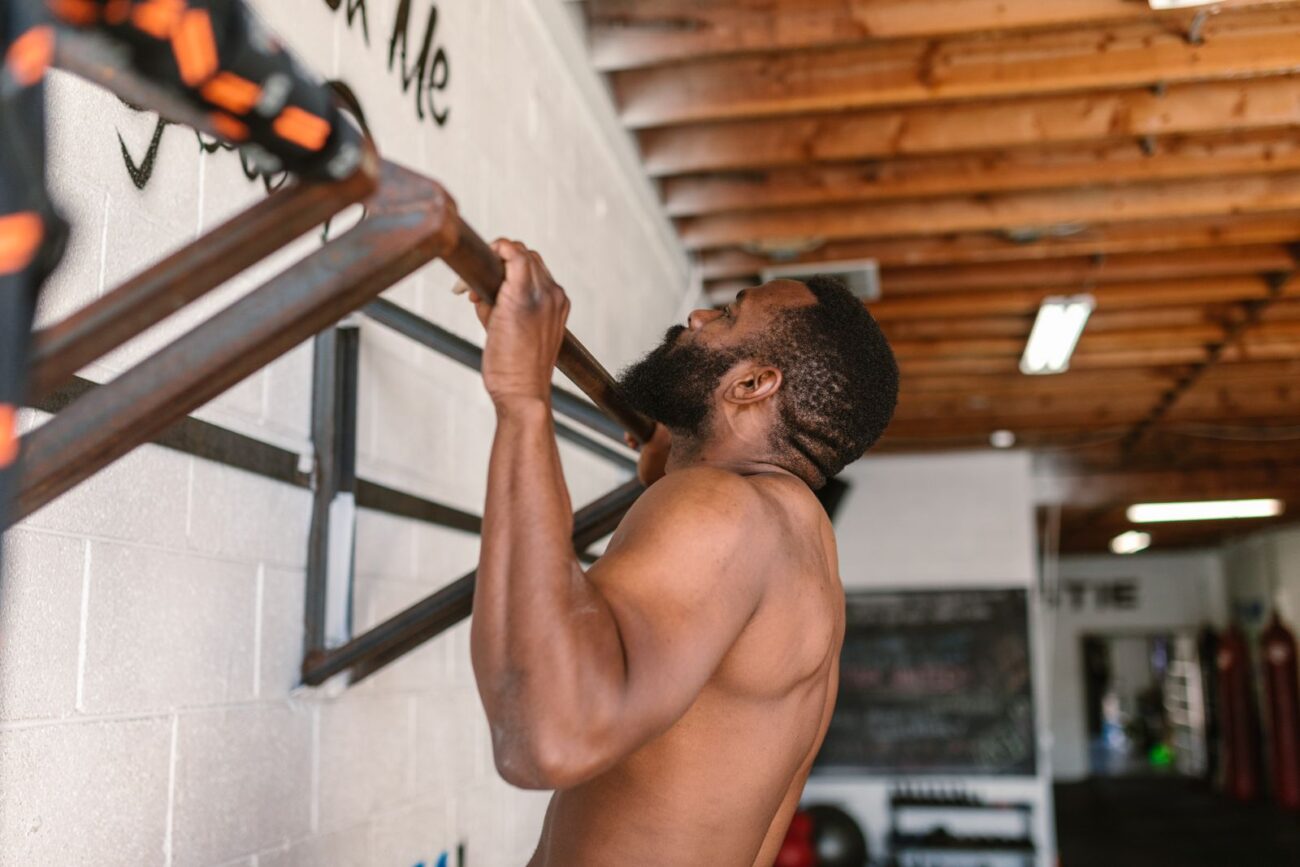
Step 3: Get the form right. Good form keeps you safe and makes the exercise work properly:
Take an overhand grip, hands roughly shoulder-width apart.
Brace your core and keep your body controlled, no swinging.
Pull by driving your elbows down until your chin clears the bar.
Lower yourself back down slowly and under control, rather than dropping.
Step 4: Make it a habit. Train pull-ups two to three times a week. Once you have the basic movement, start rotating grips to hit the muscles differently:

Wide grip puts more emphasis on the back.
Chin-up grip (palms facing you) brings in more biceps.
Close grip works the back and arms in a different way.
As I said, pull-ups were the anchor of my training. With no money for a gym, all I had was my bodyweight and a bar, and over time that built a strong, defined upper body. It is proof that you do not need a full gym for real results. If you want the bigger picture of how I trained that way, it ties into my approach to no-equipment, bodyweight training.
The Limits Worth Knowing
I will not pretend a bar does everything. Pull-ups are one of the best upper-body builders there is, but a complete program eventually needs more, pushing movements, leg work, and real load as you get stronger. Still, as a starting point and a lifelong staple, few things give you more for less. A pull-up bar in a doorway is one of the highest-value pieces of equipment you can own.
So if you want a stronger upper body and a place to start that costs almost nothing, this is it. Get a solid bar, build up patiently with the easier versions, train consistently, and let the variations keep challenging you as you grow.
Frequently Asked Questions
How often should I train pull-ups?
Two to three times a week works well for most people. That gives enough practice to improve while leaving time to recover between sessions.
I cannot do a single pull-up. Where do I start?
Start with negatives, band-assisted pull-ups, and holds. These build the exact strength you need, so you can work up to your first full rep over time.
Do I need a gym for pull-ups?
No. A solid doorway bar and your own bodyweight are enough. Pull-ups were the foundation of my own training long before I had any gym.
What muscles do pull-ups work?
Mainly your back (especially the lats), along with your shoulders, arms, and core. Changing your grip shifts the emphasis between back and biceps.
How long until I can do a full pull-up?
It depends on your starting point and how consistent you are. With regular practice on the easier versions, many people get their first pull-up within a few weeks to a couple of months.
Are pull-ups or chin-ups better?
Neither is better, they just emphasise different muscles. Pull-ups (overhand) hit the back more, chin-ups (underhand) bring in more biceps. Using both is a good idea.
