











This guide was written and reviewed by Serge, MSc . As a martial artist and natural lifter with over 10 years of training experience, what I share comes from my own training and from digging into the research behind it.
Affiliate disclosure: This site has affiliate links, including Amazon. As an Amazon Associate I earn from qualifying purchases, at no extra cost to you.

After more than ten years of training, the benefit I value most isn’t the physical one.
It’s what exercise does for my head. People talk a lot about exercise for strength, fat loss, or health. Those are real.
But the thing that keeps me coming back, especially on the days I don’t feel like it, is simpler. Moving my body clears my mind. It leaves me calmer, sharper, and more focused than almost anything else I do.
Let me explain what that actually feels like, because it’s the part I think gets undersold. If motivation is your problem, my post on low-motivation workout systems covers what I do on those days.
Morning Movement Leaves Me Calm and Clear
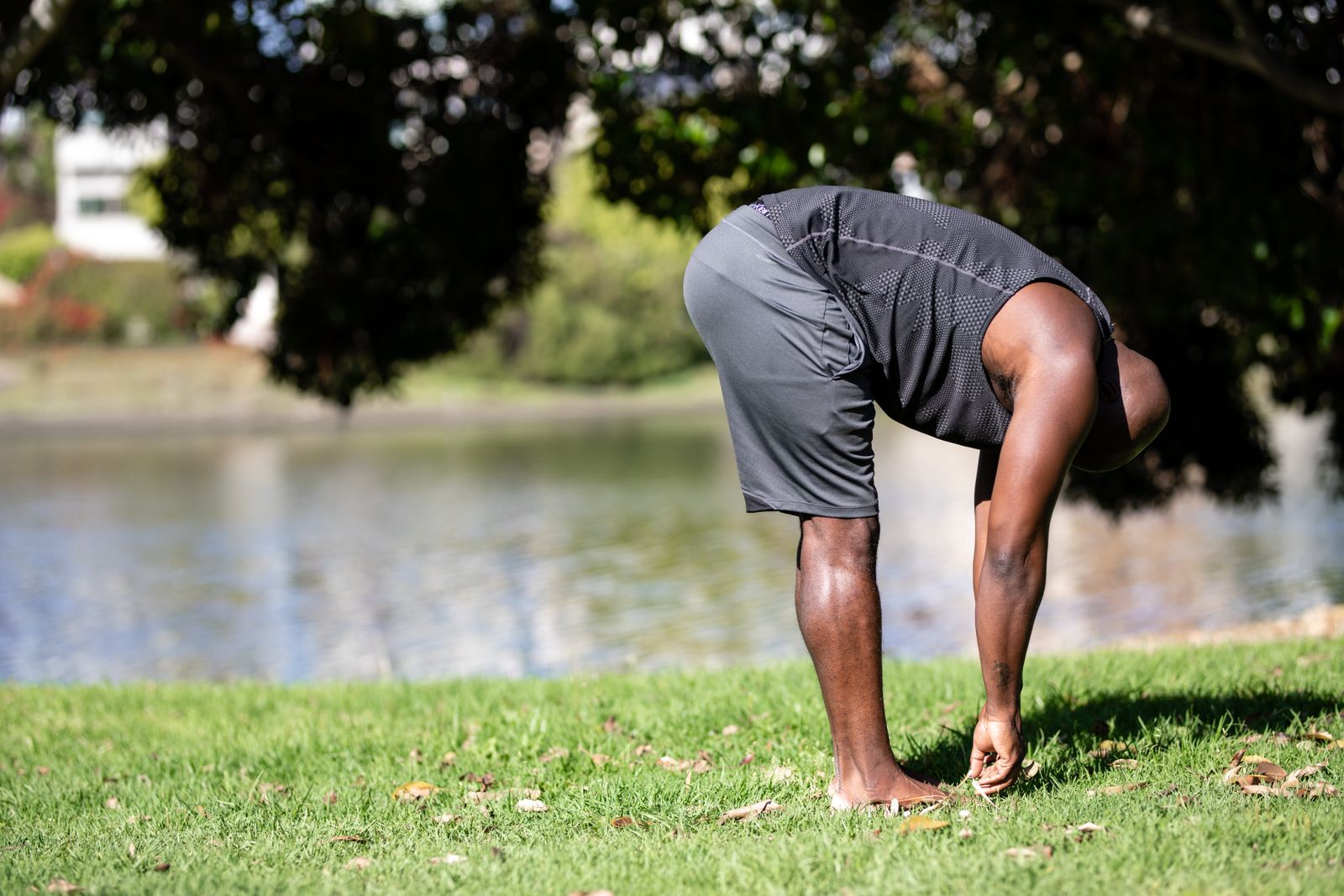
The effect is strongest for me in the morning. A session early in the day leaves me feeling calm and refreshed, not drained. My head is clearer, my thinking is sharper, and I carry that steadiness into the day.
It isn’t a dramatic high, and it’s quieter than that. More like the mental noise settles, and what’s left is focus. On mornings I move, I just handle the day better. On mornings I don’t, I can feel the difference.
A Pocket of Peace in a Noisy Life
Here’s the part that matters most to me. Life today is busy and loud. There’s constant noise, endless demands, and plenty of unstable people and situations pulling at your attention. Real peace is genuinely hard to find.
Exercise gives me that peace. For the length of a session or a walk, I get to cut off from everything and just be with myself and the movement. No noise, no demands, no one to manage.
It becomes a rare chance for self-focus, a small window where my mind gets to settle and reset.
I think a lot of people are quietly starved of that kind of quiet. You don’t need meditation retreats or anything elaborate to get it. You just need to move, on your own, for a while. If you have no gym, my post on building strength at home shows how to do it in your own space.
Getting Outside Resets My Head

The mental reset is even stronger for me outdoors. I take long forest walks. Being among the trees, away from screens and noise, clears my head in a way an indoor session doesn’t quite match. I come back feeling lighter and more focused.
Now, the forest is my thing. You don’t need to go find a forest by any means. The point isn’t the trees specifically. It’s getting outside and moving in some calm, open space, wherever you have one.
A park, a quiet street, a trail, a riverside, anywhere you can walk and let your mind go quiet works. The benefit is in the outdoor movement and the headspace it gives you, not in any particular location.
A long walk is easy cardio, and I like to mix it with weights. I explain why in my post on combining weightlifting and cardio.
If you want to know how hard to push, I built a Heart Rate Zone Calculator. It gives you five heart rate zones from your age, plus a simple plan for how to use them around your lifting.
Why Time Off Is Good, Up to a Point
I’m a big believer in rest, so this isn’t a push to train nonstop. Training less often is fine, and I cover that in my post on how often to work out for muscle gain.
Taking a few days off feels recovering to me, both physically and mentally. A short break can leave you fresher and more eager to get back to it. Rest is part of the process, not a failure of it.
But there’s a line. When I go off for too long, the good “recovering” feeling turns into something else. I start to feel off, a bit flat and restless. Worse, I risk losing track of the habit and the motivation that holds it together.
The mental benefit fades, and getting started again gets harder the longer I leave it. I break down that pattern in my post on the psychology of skipping workouts.
My Answer: Reduce, Don’t Stop
So over the years I’ve landed on a simple approach. When I need a break, I don’t stop completely. I reduce.
Instead of going cold, I drop the frequency, sometimes down to just twice a week. Or I swap a full session for a short, easy home workout. Nothing demanding. Just enough to keep the thread alive: the habit, the routine, and that mental clarity I rely on.
That way I get the recovery I need without losing the momentum or the headspace. It’s the difference between resting and quitting. Keeping even a little movement going is what stops a break from turning into a stop.
If you wonder how little is enough, read my post on the least amount of exercise you need to see results. It is a useful guide for weeks when time is short.
A Simple Way to Start
This is a general example, not a program. If you are not moving much now, start with a 20 to 30 minute walk, three days a week. Go at a pace where you can still talk.
Pick a time you can repeat, and morning works well for many people. Keep your phone in your pocket for the first half of the walk. Notice how your head feels when you finish, and compare that with how you felt before you started.
After two weeks, add a fourth day or a few bodyweight moves at home. Keep it easy enough that you want to do it again. Consistency matters more than effort here, and I cover that in my post on consistency and patience in natural lifting.
When Exercise Is Not Enough
Exercise helps my mind, but I want to be clear about its limits. I am a lifter, not a doctor, and what works for me may not work for you. Mood, stress, and sleep are shaped by many things.
If you feel persistently low, anxious, or hopeless, talk to a doctor or a mental health professional. Exercise can support treatment, but it should not replace it. If you ever think about harming yourself, contact your local emergency services or a crisis line right away.
This post shares my personal experience and general information. It is not medical advice.
The Mental Side Is the Real Reason I Keep Going
If you’ve only ever thought about exercise as a way to change how your body looks, pay attention to what it does for your mind. For me, that’s become the main reason I train at all.
The calm after a morning session. The clear head after a walk outside. The pocket of peace and focus in an otherwise noisy life.
Those are the benefits I’d miss the most if I stopped, far more than any physical change. And they’re available to anyone willing to move regularly, wherever they are.
So move for your body if you like. But don’t overlook what it does for your head. That might turn out to be the part that keeps you coming back.
