



This guide was written and reviewed by Serge, MSc . As a martial artist and natural lifter with over 10 years of training experience, what I share comes from my own training and from digging into the research behind it.
Affiliate disclosure: This site has affiliate links, including Amazon. As an Amazon Associate I earn from qualifying purchases, at no extra cost to you.
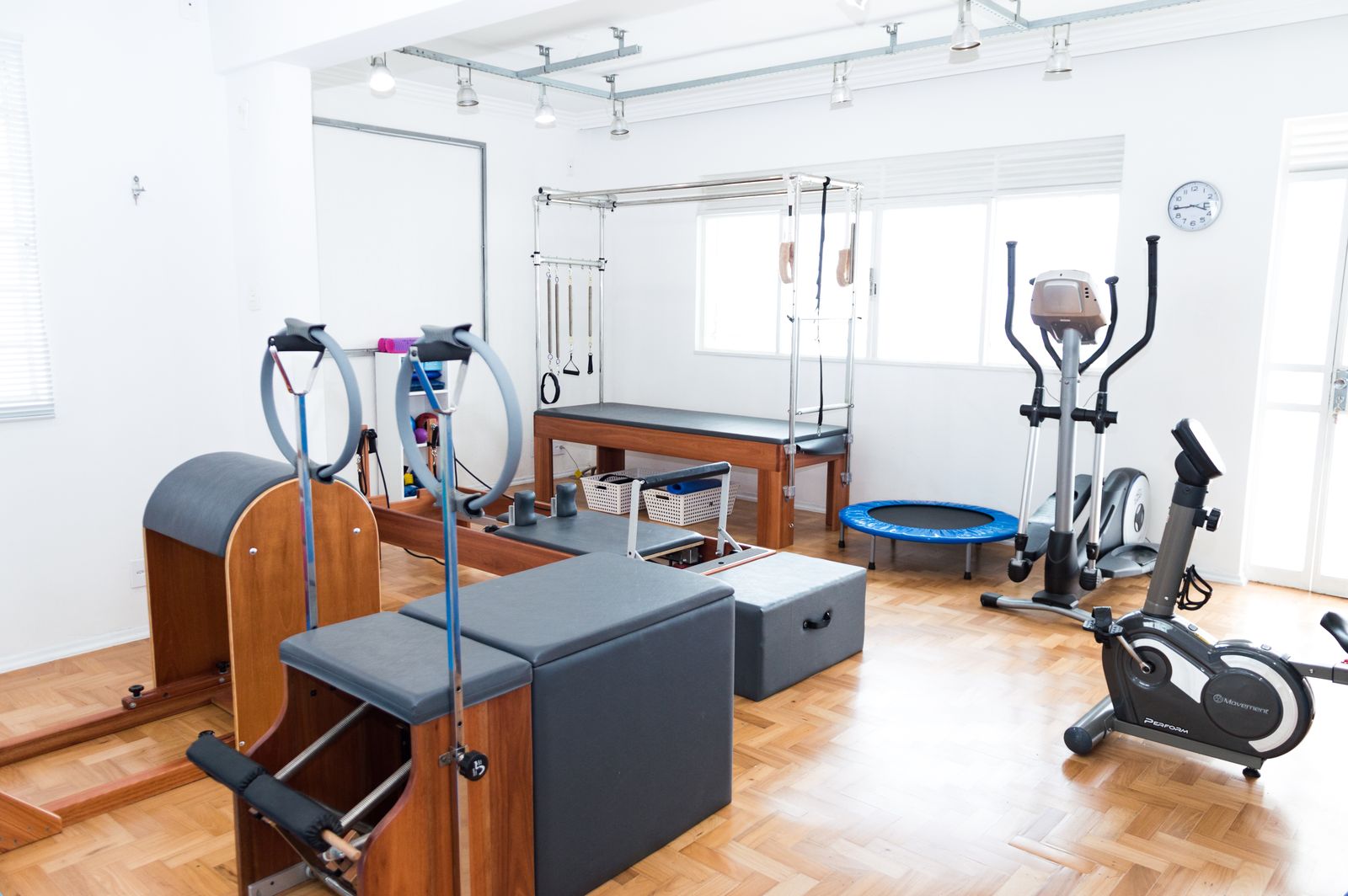
You don’t need a fancy gym or a pile of expensive equipment to get in real shape. After more than a decade of training, I’ve learned that results come from dedication, smart choices, and consistency, not from how much you spend. A good home gym is one of the best ways to prove that.
Over the years I’ve experimented with all kinds of equipment, routines, and setups, building several home gyms along the way. I know what’s worth buying and what isn’t, and I know how to keep it affordable. Whether you want to lose fat, build muscle, or just stay fit, here’s how to put together a home gym that supports your goals without draining your wallet.
Why Build a Home Gym?
For me, the biggest advantage of a home gym is the cost. I’ve watched plenty of people pour hundreds, even thousands, into gym memberships they barely use. With the right equipment, a home setup can cover almost everything you need for a fraction of that over time.
You also skip the hidden costs that come with commercial gyms, class fees, add-on services, awkward cancellation charges. At home, those simply don’t exist.
Then there’s the time. Not commuting to a gym has given me back hours I now put into actual training, meal prep, and recovery, the things that genuinely move the needle. For a lot of people, the convenience of training at home is the single biggest factor in staying consistent, and consistency is what produces results.
Setting Up Your Space on a Budget
You don’t need a garage or a basement. I’ve turned a corner of a living room into a perfectly good workout space. It’s about using what you have efficiently, not about having a dedicated room.
Two things people overlook: ventilation and lighting. Decent airflow and good light make a real difference to how comfortable and motivated you feel while training. Get those right and you’ll want to use the space more.
Organization matters too. Early on I let equipment pile up, and it made everything harder. Once I sorted out simple storage, bins for bands and dumbbells, wall hooks for jump ropes, the space actually worked. Compact, multi-purpose gear like adjustable dumbbells also saves a lot of room while still covering plenty of exercises.
The Essential Equipment
After testing a lot of gear over the years, here are the pieces I think earn their place in a budget home gym, the versatile, affordable, durable ones.
Dumbbells: the foundation.
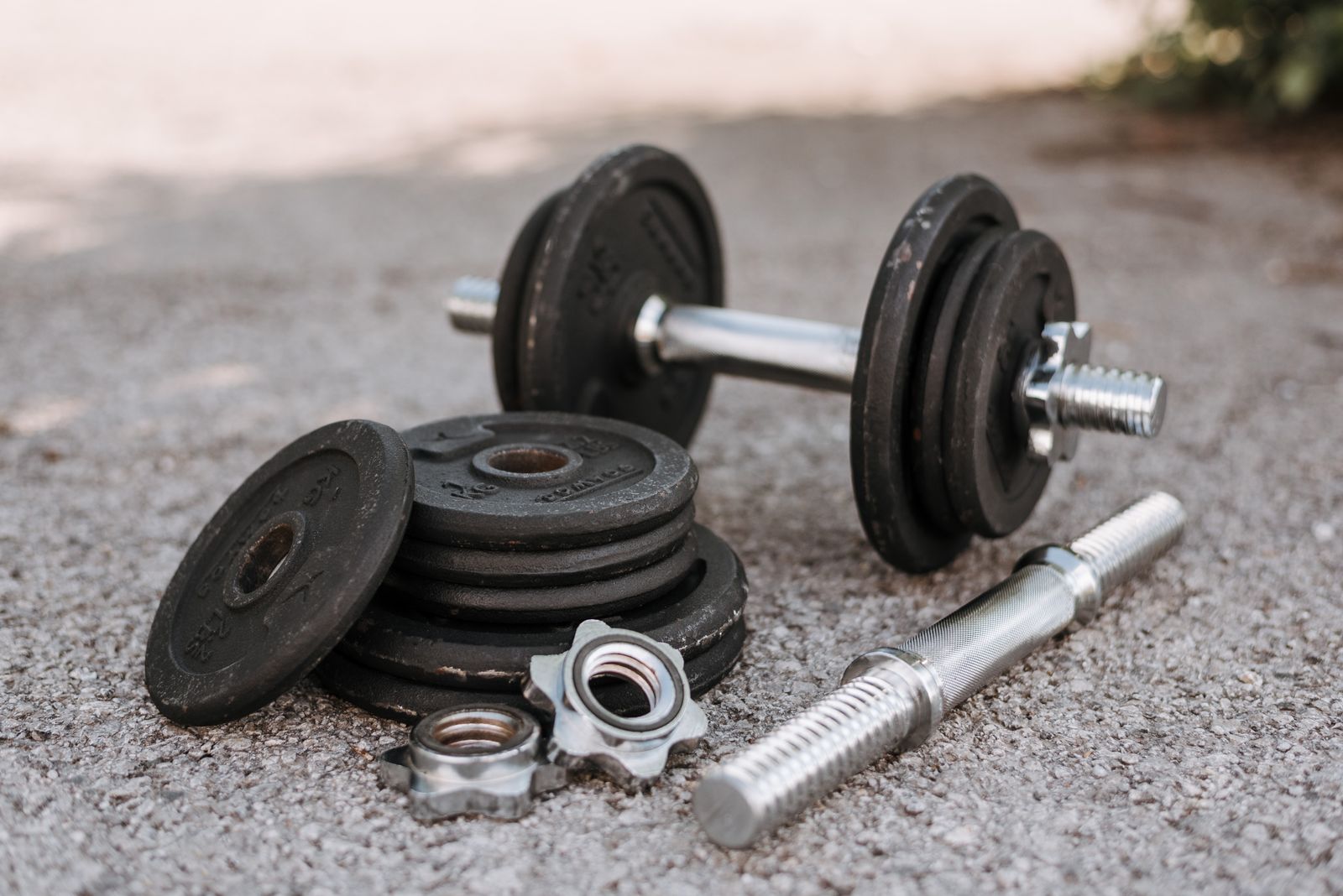
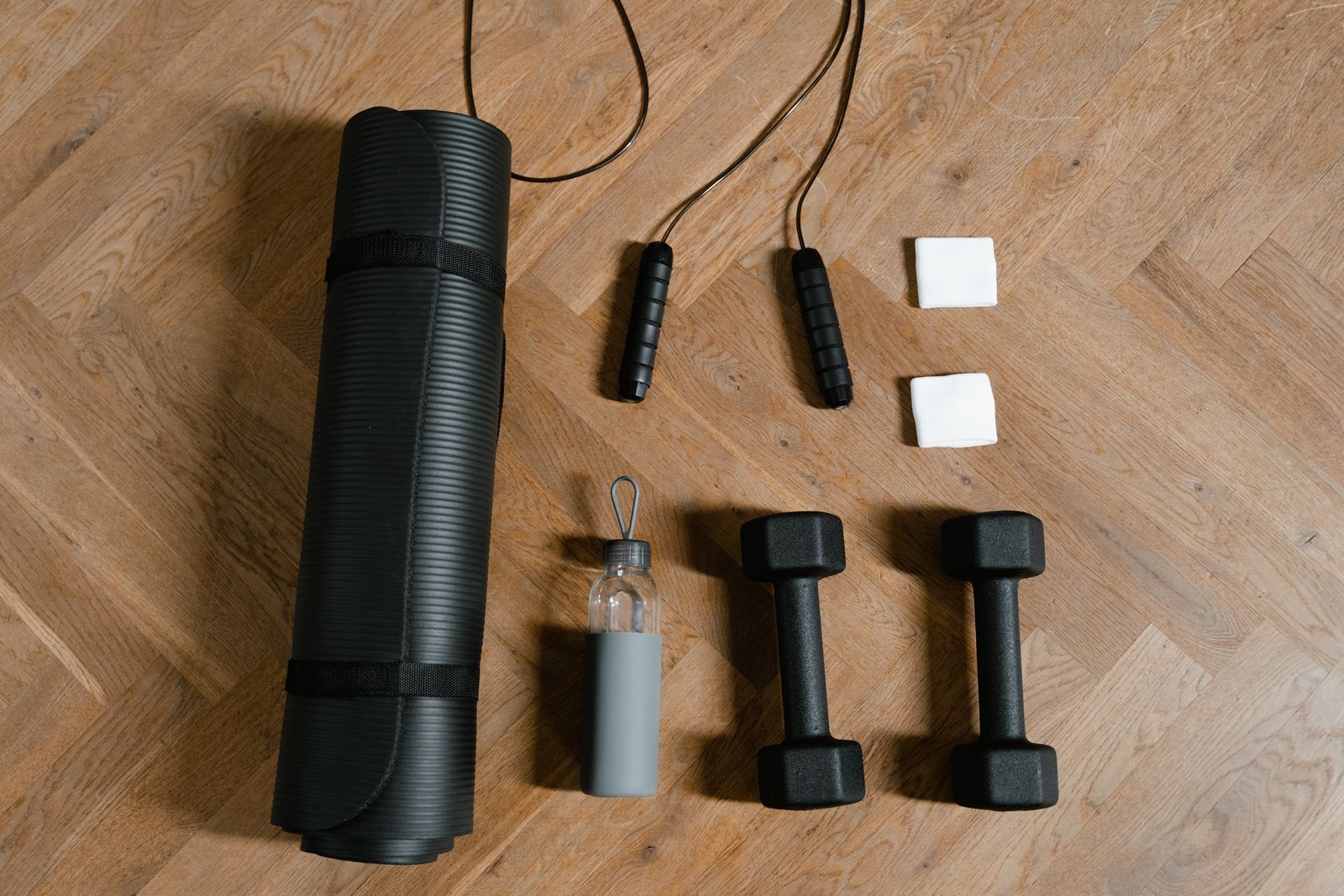
Dumbbells are the backbone of home strength training. They cover a huge range of exercises, squats, lunges, presses, rows, and suit beginners and experienced lifters alike. If I had to point to one best investment, it’s adjustable dumbbells: they let you change the weight as you get stronger, saving both money and space. I’ve used adjustable dumbbells for years and rate them highly for durability and convenience.
Resistance bands: affordable and effective.
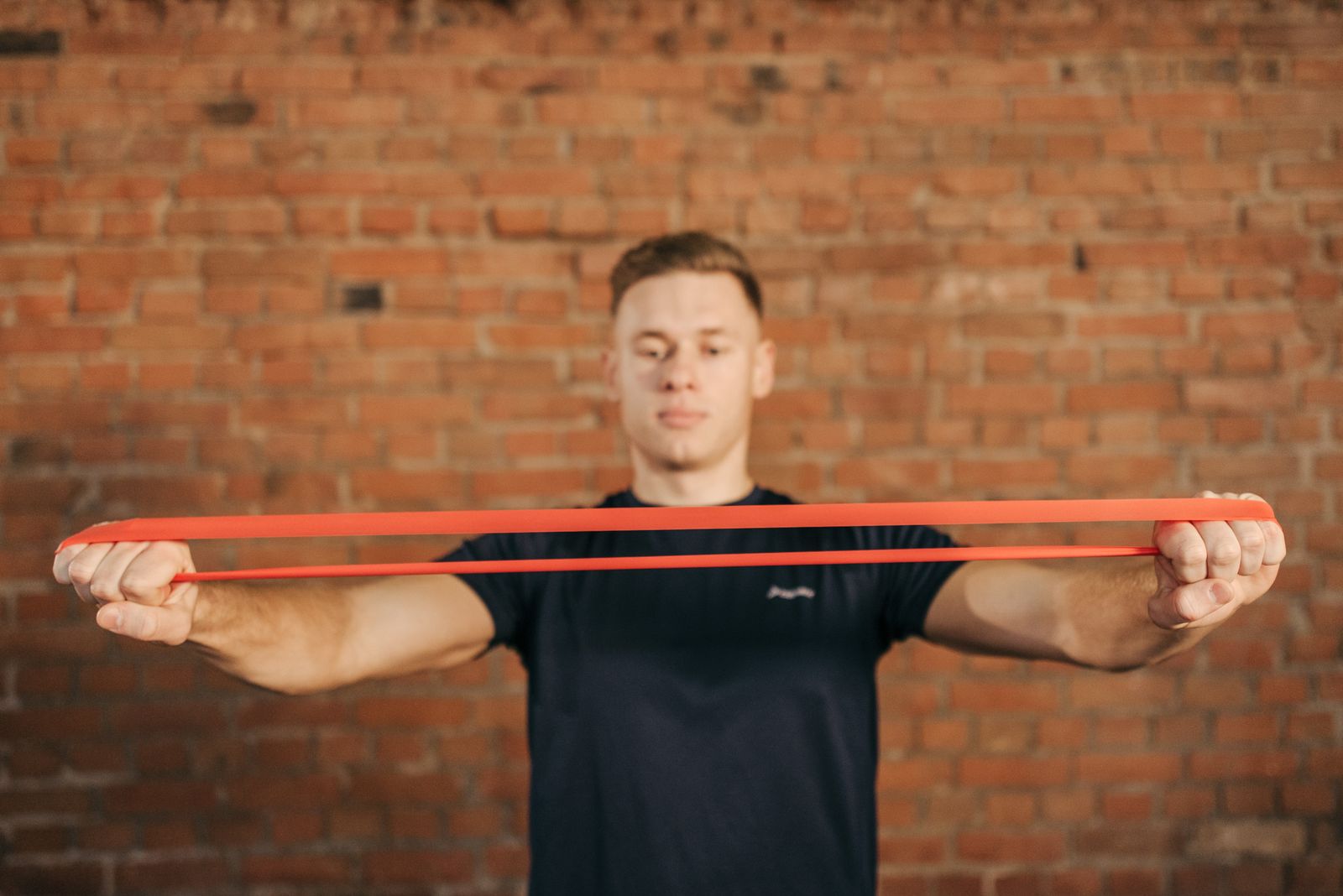
Bands add resistance to bodyweight movements and are great for building strength and improving mobility without heavy weights. A set with varying resistance levels is cheap, portable, and adds a lot of options to your training. They’re one of the best value items you can buy.
Kettlebell: full-body work.
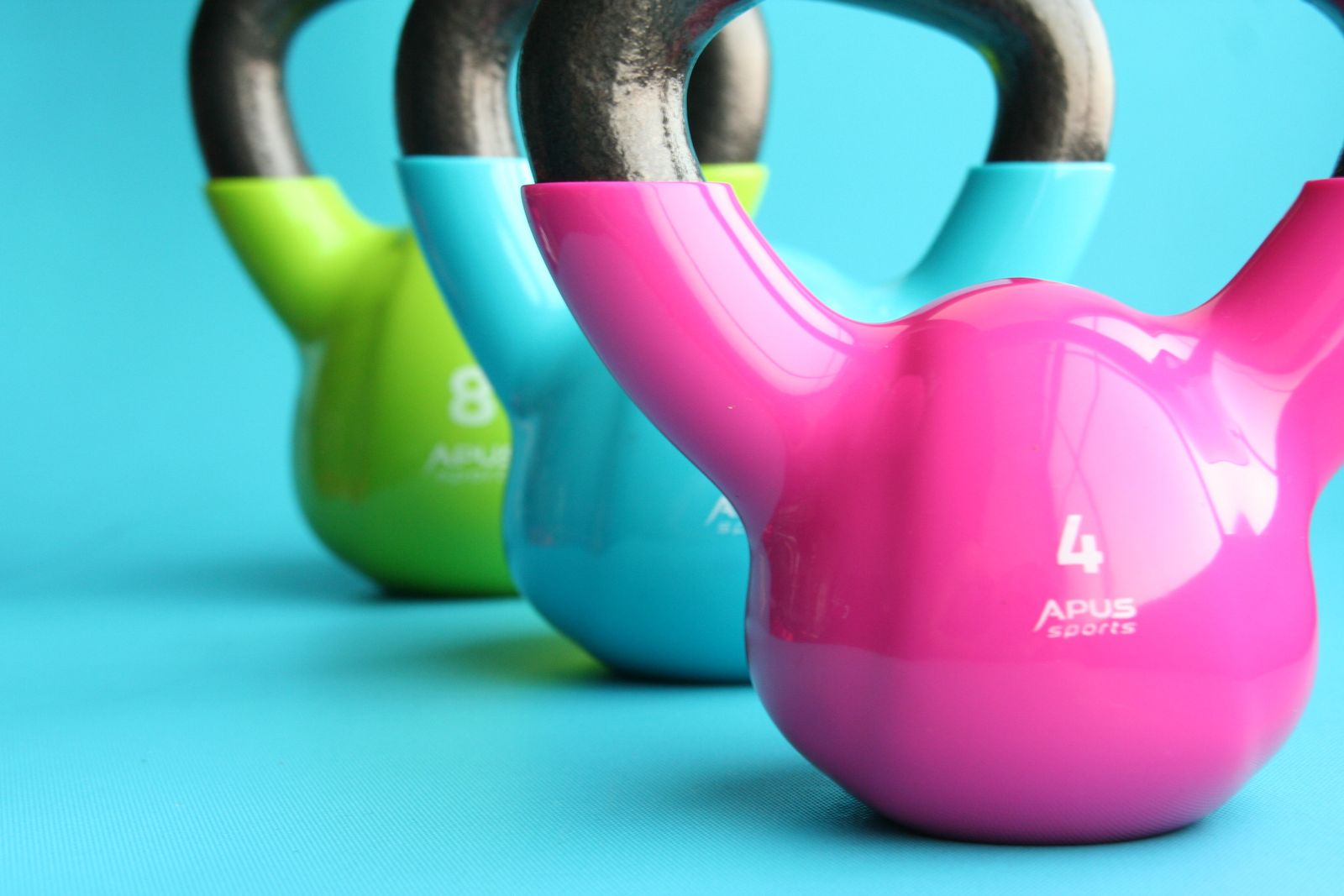
Kettlebells blend strength and cardio in movements like swings and goblet squats, so they’re efficient for both conditioning and building muscle. Start with a moderate weight and focus on form, the technique matters more here than with most gear. They’re often overlooked, but I’ve found them genuinely useful for all levels.
Jump rope: cardio on a budget.
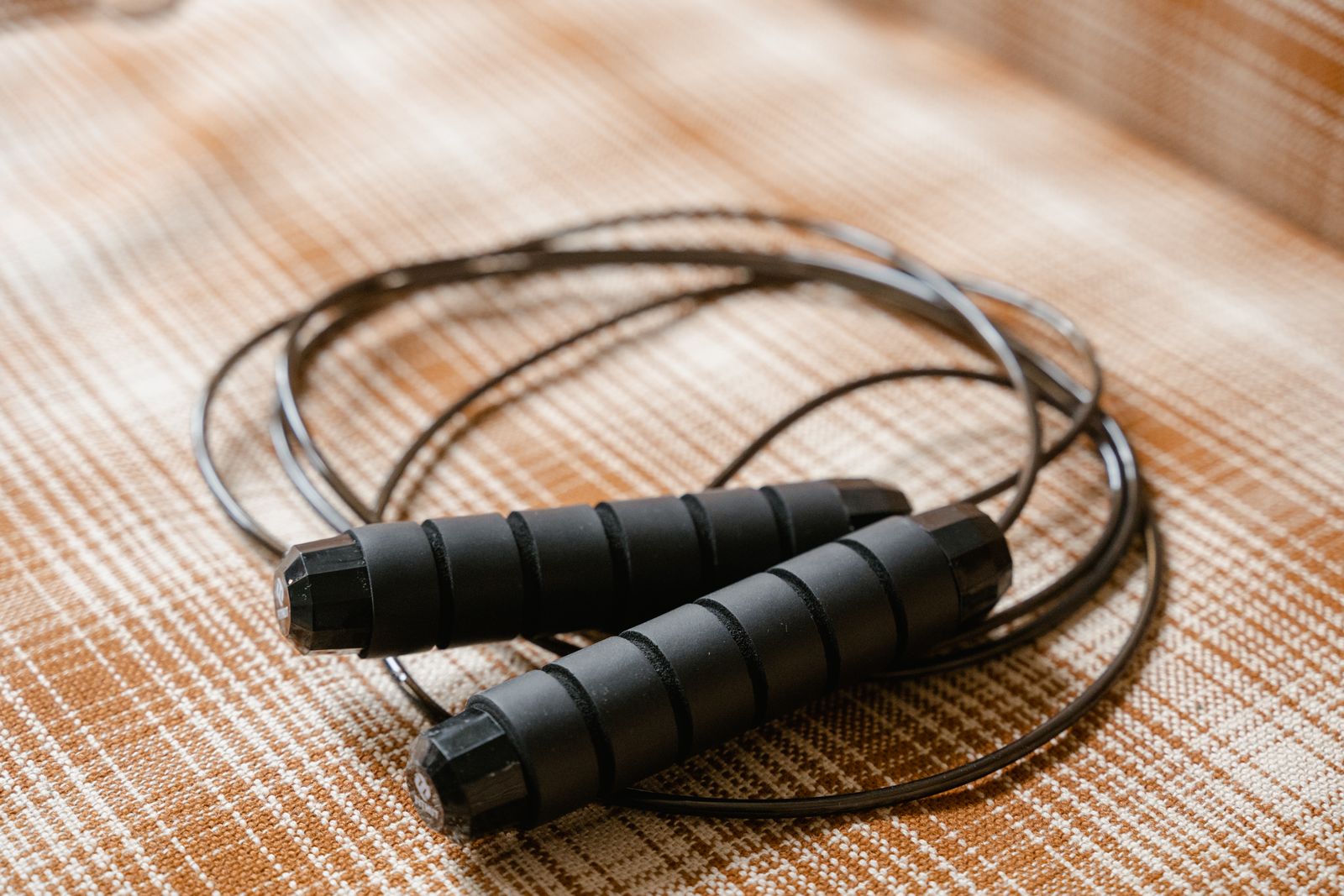
A jump rope is one of the cheapest and most effective cardio tools there is. It builds endurance, coordination, and agility, stores anywhere, and costs very little. I use one in my own routine and it’s hard to beat for the price.
Exercise mat: comfort and protection.
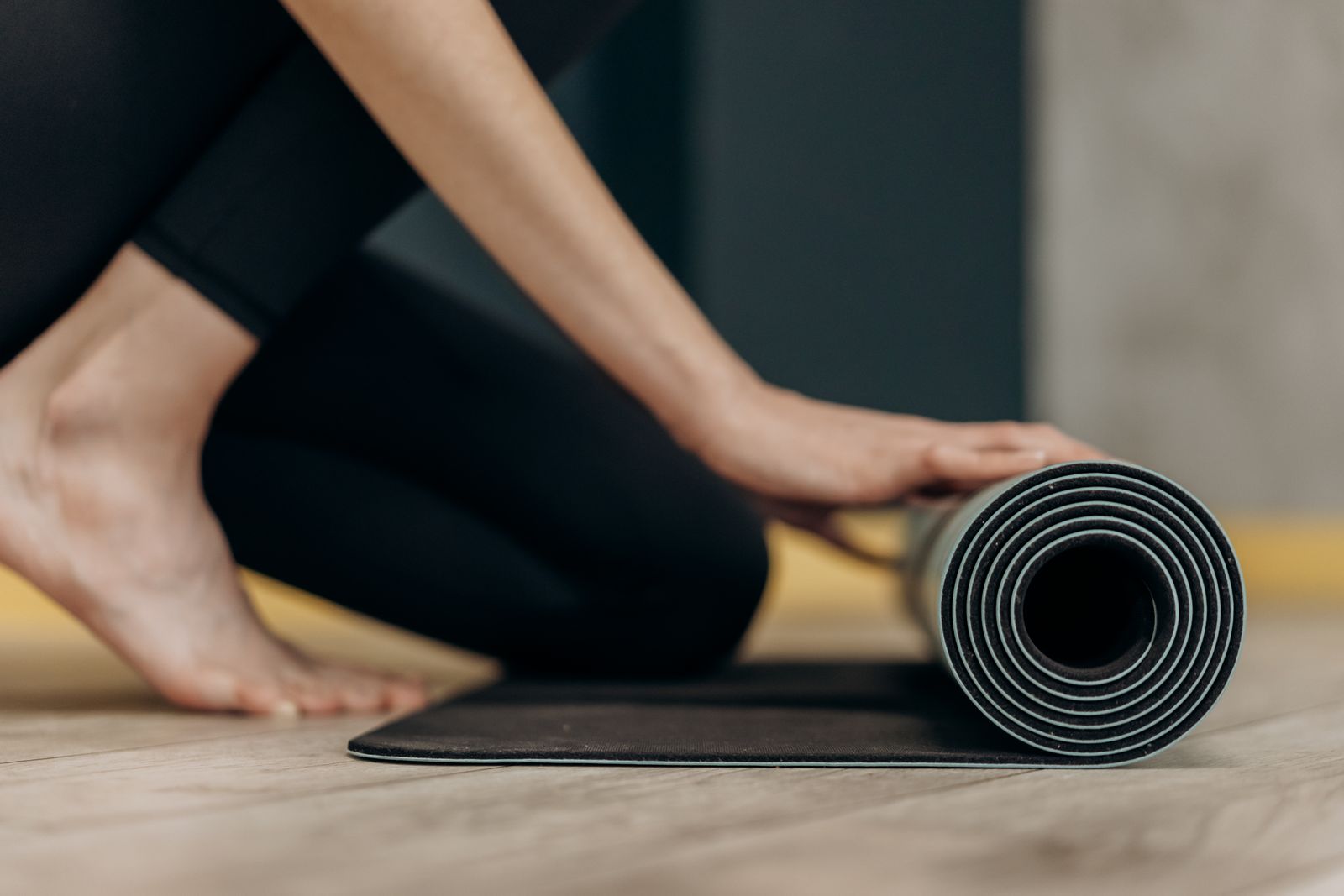
A dedicated mat has made a real difference for me on floor work, protecting knees and back during planks, core work, and stretching, and giving you a clean, comfortable space. It’s tempting to grab the cheapest one, but a mat with decent padding and grip lasts for years and is worth the small extra cost.
Pull-up bar: upper-body strength.

Pull-ups are one of the best movements for back, shoulders, and arms. A doorway pull-up bar is a solid, space-saving option if you have a sturdy frame to mount it on, simple to set up and effective for upper-body work. If you go this route, choose one that’s well-built and secure, since stability is everything with a pull-up bar.
Stability ball: core and balance.
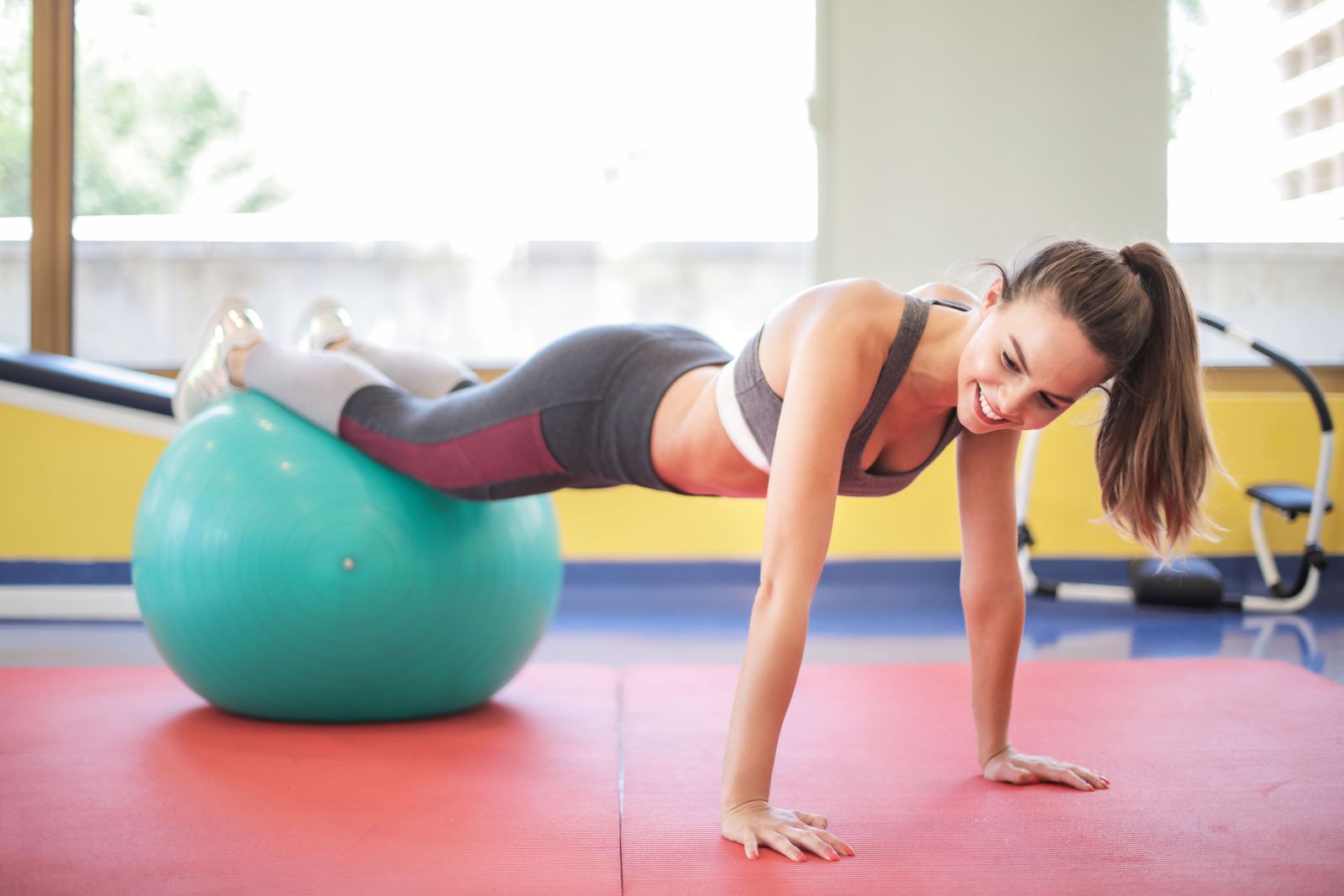
A stability ball is a cheap, compact tool for core training, balance work, and stretching. Just buy a good-quality one so you’re not dealing with deflation or durability issues.
Foam roller: recovery and flexibility.
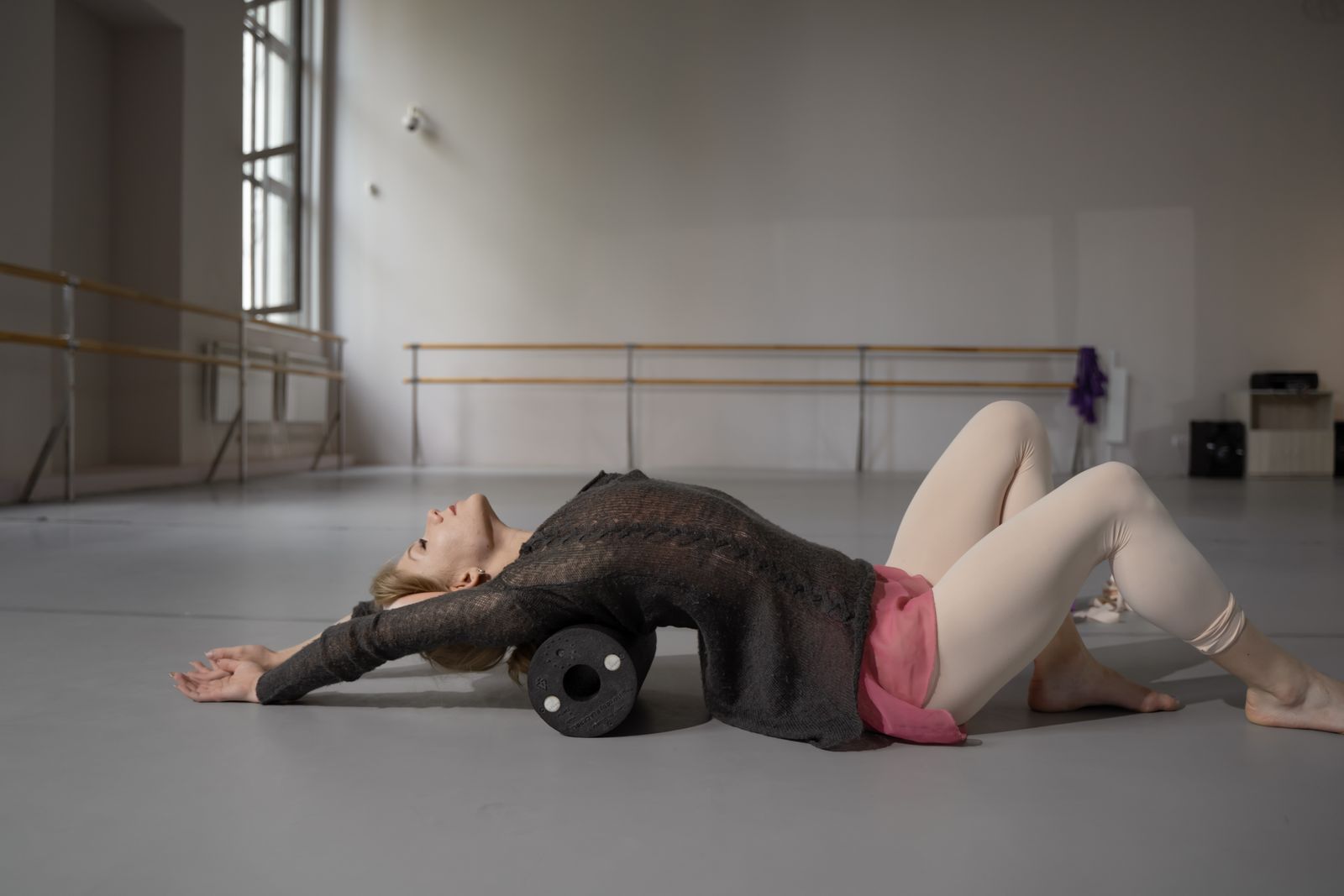
A foam roller is part of my recovery routine, useful for easing tightness and helping mobility after harder sessions. It’s a small investment that pays off if you take recovery seriously.
Adjustable bench: versatility.
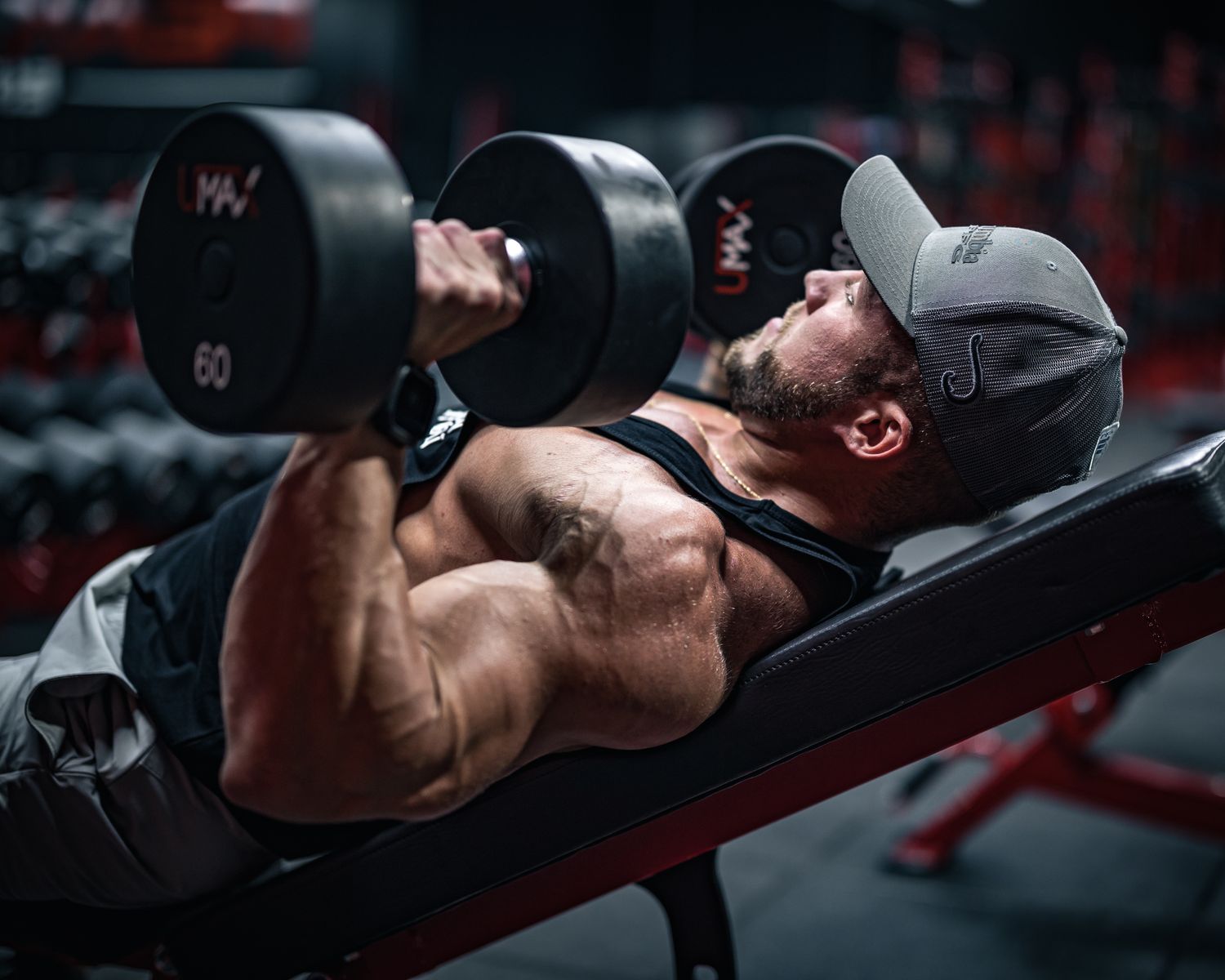
An adjustable bench opens up a lot of exercises, presses, step-ups, core work, and pairs perfectly with dumbbells. A sturdy one is well worth it and tends to be among the most-used pieces in a home gym.
Ab roller: core work.
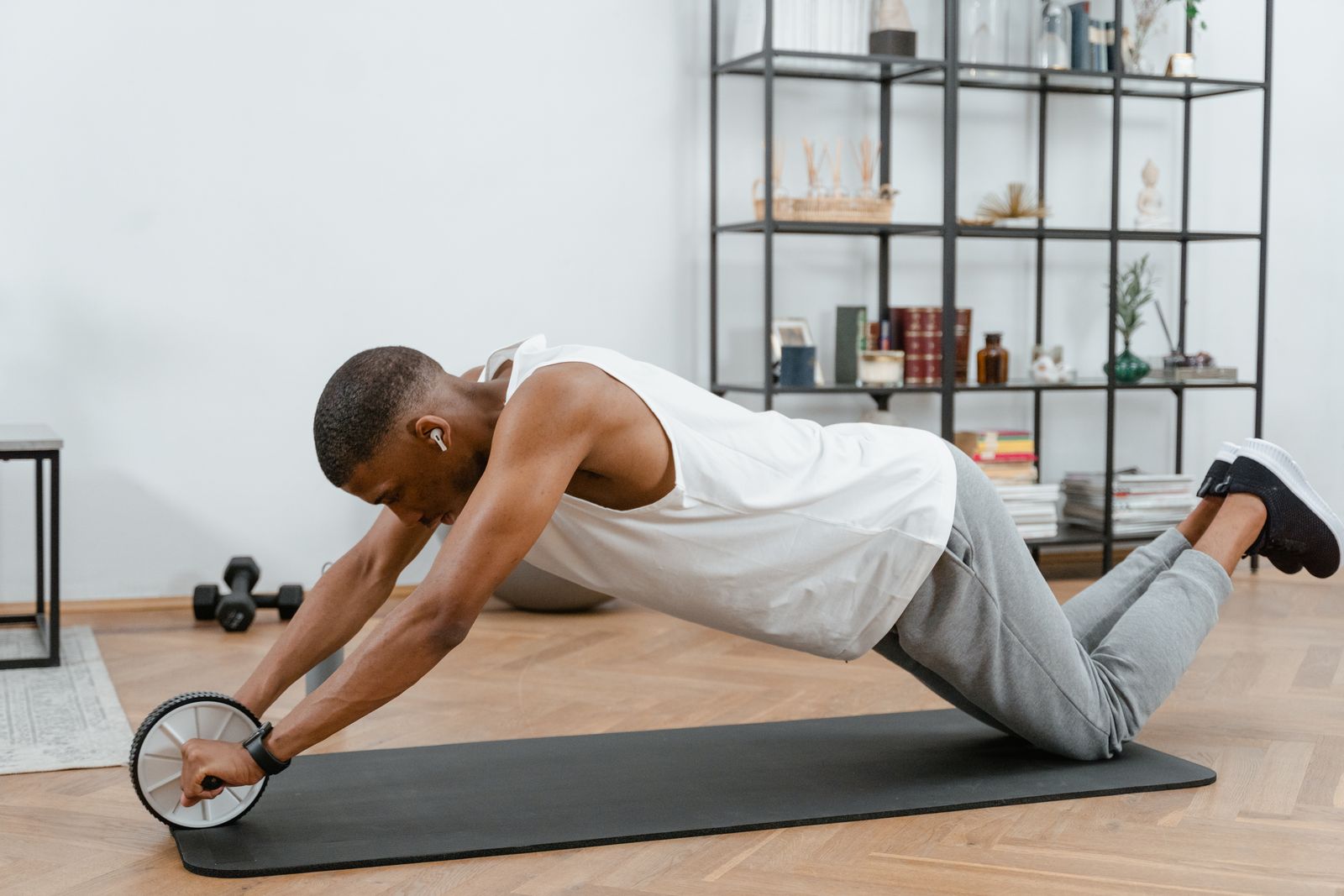
An ab roller is a small, cheap tool that delivers a genuinely tough core workout. For the price, it’s an easy add for an efficient midsection session.
Getting the Most From a Budget Setup
Having the gear is only half of it. The real results come from how you use it. Mix up your routines so your body keeps adapting and you avoid plateaus, combining bodyweight work with dumbbells, kettlebells, and bands gives you almost endless variety from a small amount of equipment.
Free resources can help too. There are plenty of solid workout videos online that cost nothing. Just be selective about who you follow, not all of it is reliable, so lean toward well-established, credible sources. I’ve also written a number of training guides on this site that pair well with this equipment, covering how to actually build muscle and structure your sessions at home.
A Quick Word on Nutrition
This wasn’t meant to be part of an equipment guide, but it’s too important to skip. After years of changing my own body, I can tell you that what you eat shapes your results as much as how you train. Building muscle, losing fat, and recovering all depend heavily on your nutrition.
You don’t need anything fancy here, just sensible, consistent eating built around real food, which I’ve covered in more detail in my posts on nutrition and natural fat loss.
Summary
After more than a decade in fitness, I’m convinced that building a home gym on a budget is one of the smartest moves you can make. You don’t need a costly membership or high-end equipment. With the right handful of versatile pieces, you can build a setup that supports your training for years, on your schedule, in your own space.
Start with the essentials, add as you go, and put the money you save into consistency instead. That’s what builds results.
FAQs
How much does a budget home gym cost?
You can start with just a few hundred dollars using versatile tools like adjustable dumbbells, resistance bands, and a jump rope.
How much space do I need?
Even a small corner of a room can work, as long as you have enough space to move safely.
Are home workouts as effective as gyms?
With consistent training and the right exercises, home workouts can build real strength, endurance, and muscle.
What should beginners buy first?
Start with adjustable dumbbells, resistance bands, a jump rope, and a mat for maximum versatility.
Can I build muscle at home?
Yes. Bodyweight exercises combined with dumbbells or bands are enough to stimulate growth.
How can I keep a small home gym organized?
Use shelves, hooks, or bins to store equipment neatly and accessibly.
How often should I train?
Training three to five times a week is enough to see steady progress.
Do I need machines for a complete home gym?
No. Free weights, bands, and bodyweight exercises are often more flexible and just as effective.
Why include recovery tools?
Foam rollers and mats help reduce soreness, improve flexibility, and lower injury risk.
Can a home gym support long-term goals?
Yes. It makes training convenient and consistent, which is the real key to lasting results.
