









This guide was written and reviewed by Serge, MSc . As a biologist, martial artist, and natural lifter with over 10 years of training experience, I provide workouts, tips, and recommendations grounded in research and proven results.

What really separates the people who see steady gains from those who hit constant plateaus?
Over a decade ago, my goal was simple: to build muscle, get stronger, and improve my overall fitness. At the time, I had no idea what the journey would actually entail or how many lessons I would learn along the way.
The road to strength, health, and natural physique development isn’t quick, easy, or straightforward. It’s a process built on the foundations of consistency and patience, two core principles that I’ve learned to embrace and value deeply over the years.
In this blog post, I want to share the key lessons I’ve learned about the importance of consistency and patience in achieving long-term gains as a natural lifter.
Whether you’re just starting or you’ve been lifting for years, I believe these insights will help you navigate your own fitness journey and stay focused on the long-term vision.

The Power of Consistency: Showing Up Every Day
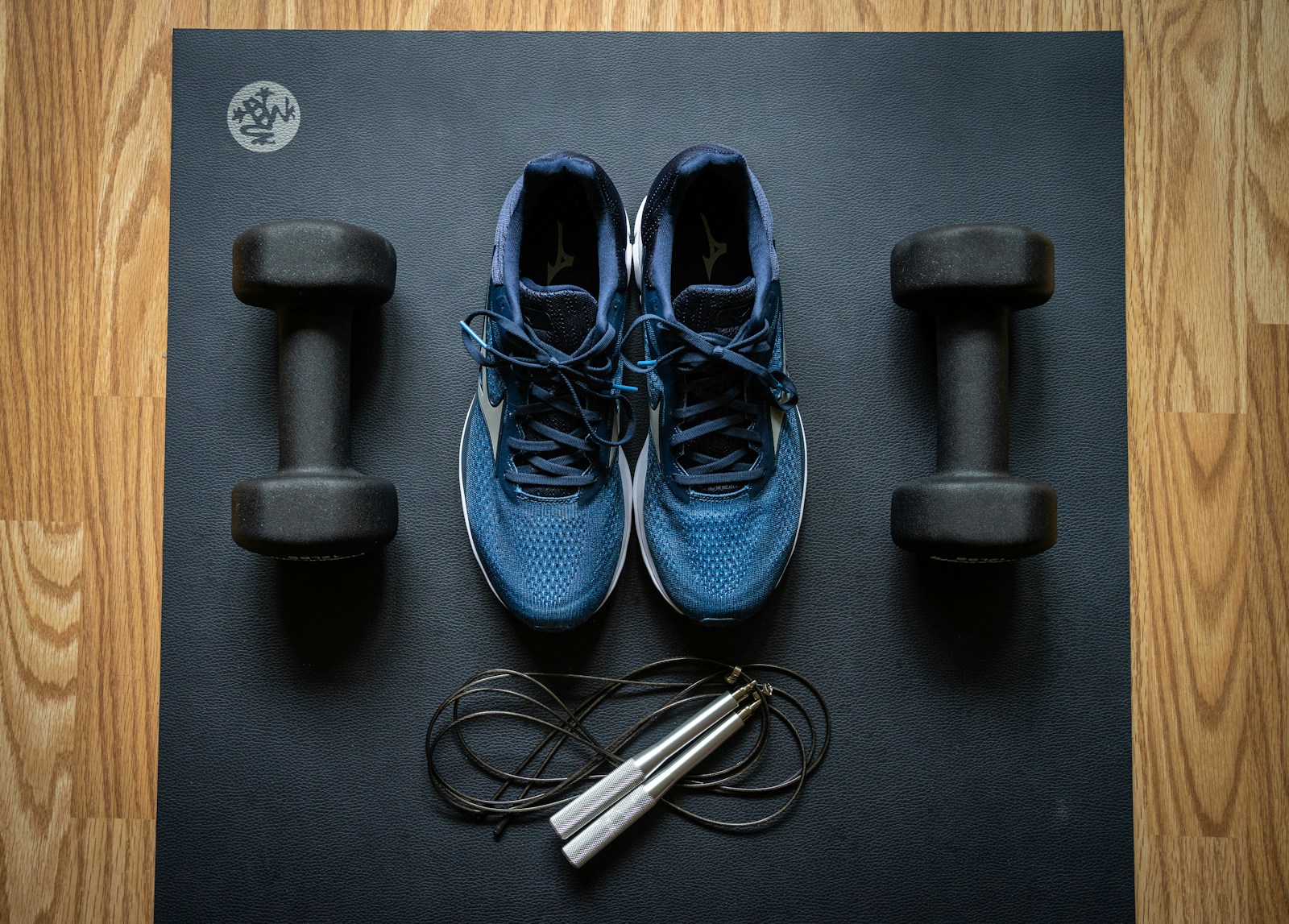
One of the first things I learned when embarking on my natural lifting journey was that consistency is king. When I started out, I didn’t have access to a gym or fancy equipment, just my bodyweight, determination, and a few basic dumbbells.
But I did have one thing that I relied on: I showed up. I stuck to my workouts week after week, month after month, regardless of how small or big the progress seemed.
At first, the changes were barely noticeable. I would look in the mirror, expecting to see huge muscles overnight, but all I saw were small, incremental improvements. Some days were frustrating, especially when progress seemed to plateau.
But over time, I realized that consistency wasn’t just about showing up for the workouts; it was about committing to the process itself, the long-term journey that required embracing the grind, no matter how slow it seemed at times.
Consistency Builds Momentum
What I didn’t see in those early years was the momentum that was quietly building under the surface. It wasn’t until later that I recognized how critical *consistent effort was.
Every rep, every set, every workout contributed to my overall progress, even if it wasn’t always apparent. It was the sum of these efforts that added up over the years. There were no shortcuts, no instant results, but the consistency of putting in the work each day led to strength gains, muscle growth, and a stronger body.
Being consistent means showing up even when you don’t feel like it. It means pushing through tiredness, distractions, and setbacks, knowing that every workout is an investment in your future. The best thing about consistency is that it compounds over time.
Missing one or two workouts might seem like a small thing, but skipping workouts repeatedly can derail progress. It’s the habit of sticking to a workout schedule, however imperfect, that will ultimately lead to the gains you’re working toward.
Patience: Understanding That Progress Takes Time
Another crucial lesson I’ve learned in my 10+ years of lifting is that patience is just as important as consistency. In today’s world, we’re used to instant gratification, whether it’s quick results in fitness apps, fast food, or social media likes. But when it comes to natural lifting, true progress requires time, commitment, and a slow, steady buildup.
In the beginning, I made the common mistake of wanting to see quick results. I saw others in the gym gaining muscle faster, and I couldn’t help but feel frustrated. It’s easy to get caught up in the idea that the more effort you put in, the faster you should see results, but that’s simply not how the body works, especially when you’re lifting naturally.
Muscle Growth Is Slow but Steady
Muscle growth, especially for natural lifters, isn’t a fast process. Our bodies don’t have the shortcuts that come from performance-enhancing drugs (PEDs), so every ounce of muscle gain takes time.
That doesn’t mean it’s impossible, it just means that if you want to see results, you need to stick with it, even when those results don’t come as fast as you might hope.
At first, I would measure my progress by how much weight I was lifting or how my body looked in the mirror. But over time, I realized that the true measure of progress was my commitment to the long-term process. Muscle doesn’t grow overnight. Strength doesn’t appear after a few weeks of lifting. But when you look back after a year or two, the changes are undeniable.
It’s not about rushing the process, but trusting it.
Patience Leads to Sustainable Gains
The beauty of patience is that it leads to sustainable gains. Unlike quick fixes that might give you temporary results, consistent, patient progress leads to long-lasting strength and muscle.
By focusing on gradual improvements, I ensured that my muscles and body adapted in a way that would be sustainable for years to come. It wasn’t about chasing an instant transformation, it was about building a strong foundation for the future.
Dealing with Setbacks and Plateaus
Another important lesson I’ve learned about consistency and patience is how to deal with setbacks and plateaus. As a natural lifter, I’ve had my fair share of times when it felt like I wasn’t making any progress.
Whether it was a period of slower muscle gain or struggling with an injury, I quickly learned that setbacks are part of the process.
When you hit a plateau, it can be discouraging. You’ve been working hard, and yet your gains seem to have stalled. But plateaus are inevitable.
The key is not to let them derail your motivation. Instead, I learned to view plateaus as challenges, opportunities to change things up, try new exercises, or reassess my training plan. Plateaus teach you patience, and how to persist even when progress isn’t immediately visible.
Summary
Over 10+ years of natural lifting, the lessons are clear: consistency and patience are the keys to sustainable strength, muscle growth, and long-term results. Quick fixes and shortcuts won’t deliver what steady, disciplined effort can.
By showing up for the process every day and trusting gradual progress, anyone can build a stronger, healthier, and more confident body over time.
Stay consistent, trust the process, and push forward!
FAQs
How fast will I see results?
Feel stronger in 4–6 weeks, see visible changes in 3–6 months, and build lasting gains over a year, trust the process!
Do I need a gym to make progress?
Nope. Bodyweight, dumbbells, or bands work , effort and progressive challenge matter more than location.
What if I hit a plateau?
Change your exercises, increase reps, or tweak intensity. Plateaus are part of growth, not a stop sign.
How do I stay motivated?
Track progress and focus on long-term goals. Habits beat short-lived motivation every time!
