







This guide was written and reviewed by Serge, MSc . As a biologist, martial artist, and natural lifter with over 10 years of training experience, I provide workouts, tips, and recommendations grounded in research and proven results.
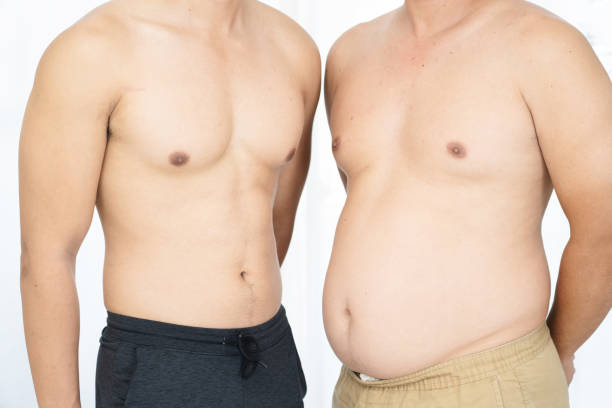
Do you actually believe someone can go from overweight to fit… or is that just social media hype?
That’s what a friend asked me at the gym one evening while we were resting between sets.
He wasn’t joking.
He was serious. Frustrated. Tired of starting over.
He said he’d tried diets. Tried cardio phases. Tried cutting carbs. Tried going “all in” for a month. And every time, he ended up back where he started.
So I asked him something simple:
Did you try to change your body… or did you try to change your habits?
He didn’t answer right away.
Because that’s the real difference.
The Problem With Most Fat-to-Fit Attempts
Most people don’t fail because they’re incapable.
They fail because they go to war with their body.
They starve it.
They exhaust it.
They punish it.
For a few weeks, motivation carries them. The scale drops quickly. Water weight disappears. Compliments start coming in.
Then energy crashes.
Hunger spikes.
Life gets busy.
And the old habits quietly return.
The body wasn’t the problem.
The strategy was.
What I’ve Actually Seen Work
Over the years, I’ve watched people transform. Not influencers. Not enhanced athletes. Just normal people.
The ones who succeeded looked completely ordinary at first.
They didn’t crash diet.
They didn’t train six days a week from day one.
They didn’t cut out every food they enjoyed.
They made smaller decisions, and repeated them.
They started lifting weights two or three times a week.
They walked more.
They increased protein.
They stopped drinking calories.
They slept better.
Nothing extreme.
But they didn’t stop.
And that’s where the change happened.
The Gym Isn’t a Fat-Loss Tool
This is something most beginners misunderstand.
The gym doesn’t “burn fat.”
The gym builds muscle.
And muscle changes everything.
When you strength train, your body gets a signal: keep this tissue. Preserve it. Support it. Adapt to it.
When you only diet and do cardio, your body gets a different signal: conserve energy.
That’s why so many people lose weight but don’t look fit. They shrink, but they don’t change shape.
The real fat-to-fit shift happens when fat decreases and muscle is preserved (or built).
That requires resistance training.
Not punishment workouts.
Not endless treadmill sessions.
Just progressive effort over time.
The Conversation Continued…
My friend said, “So what, I just lift and wait?”
I told him no, you lift and you control intake intelligently.
Fat loss is about energy balance. If you consistently consume slightly fewer calories than you burn, your body has no choice but to tap into stored energy.
But “slightly” is the keyword.
Too aggressive?
You burn out.
Too restrictive?
You quit.
Too fast?
You lose muscle.
The sweet spot is sustainable discomfort, not suffering.
The Psychological Shift Nobody Talks About
The biggest change isn’t physical.
It’s identity.
At some point, successful people stop saying:
“I’m trying to lose weight.”
And they start saying:
“I train.”
That shift matters.
Because when you identify as someone who trains, missing a workout feels unusual. Eating well feels normal. Sleeping enough becomes priority.
It’s no longer a temporary phase.
It’s who you are.
And when identity changes, behavior follows naturally.
What Real Progress Actually Looks Like
This is the part that discourages most people.
Progress is boring.
It’s adding 5 pounds to a lift.
It’s doing one more rep than last week.
It’s noticing stairs don’t leave you breathless.
It’s your clothes fitting differently.
The scale may not move every week.
Some weeks it won’t move at all.
But body composition can still improve.
Supplements, Helpful, Not Magical
My friend eventually asked, “What about fat burners?”
That’s where expectations need a reality check.
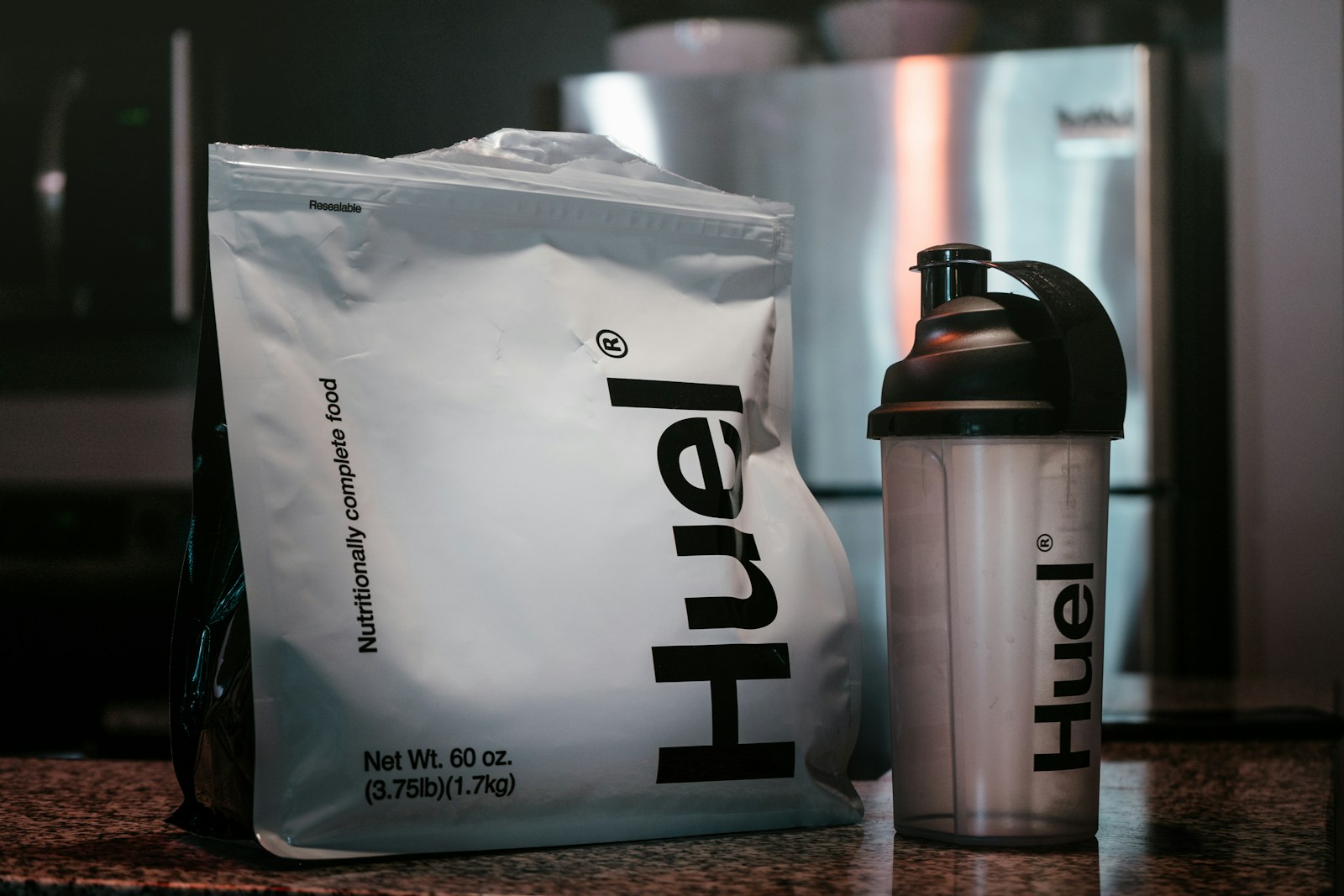
Supplements can help, but they’re not a quick fix. Protein powder can make it easier to hit your daily protein target. Creatine can support strength and performance. Omega-3s may help with recovery and overall health.
But none of them can compensate for inconsistency.
If supplements alone worked, everyone would be in great shape.
They don’t replace discipline, they simply support the habits you’re already building.
The Hard Truth
Here’s what I told him before we left the gym:
You don’t need a new program.
You don’t need a detox.
You don’t need to suffer.
You need six months of consistency.
That’s it.
Six months of controlled eating.
Six months of progressive lifting.
Six months of not quitting when motivation fades.
Most people never give themselves that window.
They judge results after three weeks.
Transformation isn’t about intensity.
It’s about duration.
The Ending of That Conversation
A few months later, I saw my friend again.
He hadn’t changed overnight.
But he looked stronger.
Leaner.
More confident.
Not because he found a secret.
Because he stopped giving up.
Fat to fit isn’t a miracle.
It’s math, muscle, and mindset applied consistently over time.
If you’re waiting for motivation, you’ll keep waiting.
If you’re waiting for perfect conditions, they won’t come.
Start.
Stay consistent.
Adjust when needed.
Keep going.
The transformation isn’t flashy.
But it’s always there for the person who refuses to quit.
FAQs
How long does it really take to go from overweight to fit?
Noticeable changes often begin within 8–12 weeks. Significant transformations typically take 6–12 months depending on starting point and consistency. The key is sustainability, not speed.
Can I lose fat and build muscle at the same time?
If you’re a beginner or returning after a break, yes, it’s possible. Prioritizing strength training and sufficient protein intake makes this more likely. Over time, the process becomes more gradual.
Do I need cardio?
Cardio helps with heart health and calorie expenditure, but strength training should be the foundation. Moderate cardio supports fat loss, it doesn’t replace resistance work.
What’s the biggest mistake beginners make?
Going extreme. Cutting too many calories, doing too much cardio, and expecting instant change. That approach rarely lasts.
