




This guide was written and reviewed by Serge, MSc . As a martial artist and natural lifter with over 10 years of training experience, what I share comes from my own training and from digging into the research behind it.
Affiliate disclosure: This site has affiliate links, including Amazon. As an Amazon Associate I earn from qualifying purchases, at no extra cost to you.
My first sport was Shotokan karate, and earning my black belt gave me discipline, body control, and core strength that made lifting easier later. But the real lessons about how often to train came through a lot of trial and error, and a fair few mistakes.
When I first switched to strength training, I didn’t even join a gym. I started with a pull-up bar at a local basketball court, working through every variation I could think of, pull-ups, chin-ups, wide grip, narrow grip, muscle-ups, static holds, explosive reps. Over months my back widened, my arms grew, and my grip got strong.
But there was a problem: my legs. Calisthenics is fantastic for the upper body, but progressive overload is nearly impossible for your legs with bodyweight alone. I did squats, lunges, and jumps, but my quads and glutes just weren’t growing. That’s when I joined a gym and discovered what weighted training does for legs. Squats, deadlifts, and leg presses gave me the growth calisthenics never could.
Over the past decade I’ve experimented with different frequencies, durations, splits, and recovery routines. I’ve made plenty of mistakes, from overtraining to chasing weight over form. Here’s what I’ve actually learned about how often, and how long, to train.
How Often Should You Train to Build Muscle?
Frequency is the question I get most. The honest answer is that it depends on your experience, recovery, and goals.
Beginners: 2 to 3 full-body sessions per week.
If you’re starting out, this is plenty. Hitting every muscle daily isn’t necessary and just leads to burnout. Full-body routines let you learn proper movement patterns, build a strength foundation, and stimulate muscle without overtraining.
When I first trained on the pull-up bar, I stuck to three sessions a week, alternating upper-body work with basic leg movements. That let me learn control and build strength gradually.
My early mistake: I tried to train every single day, thinking more was better. The result was soreness that lasted for days and almost no progress. Consistency beat intensity once I figured that out.
Intermediate lifters: 3 to 5 sessions per week.
Once you’ve built a base, you can add structure with splits. An upper/lower split (two upper, two lower) works well, as does push/pull/legs. When I joined a gym and realised my legs needed weight, I ran a four-day split, two upper and two lower days, hitting each muscle group twice a week. That allowed growth without overtraining.
Advanced lifters: 5 to 6 sessions per week.
Higher frequency can work, but only if recovery is prioritised. Early on I trained six days straight with heavy weights and ended up with shoulder and lower-back strain. Now I rotate heavy, moderate, and lighter sessions, and always keep at least one full rest day.
How Long Should Each Workout Be?
You don’t need hours in the gym. For most people, 45 to 75 minutes per session is the sweet spot. Longer sessions usually just mean fatigue and dropping intensity, especially as a natural lifter.
Here’s how I structure mine:
Warm-up (5 to 10 minutes): dynamic stretches, mobility, light cardio, to prepare the joints, muscles, and nervous system.
Compound lifts (20 to 35 minutes): squats, deadlifts, bench, overhead press. Focus on form and progressive overload, not ego.
Accessory work (10 to 20 minutes): curls, lateral raises, triceps, calves. Smaller muscles that support the main lifts.
Cool-down (5 to 10 minutes): stretching, foam rolling, light mobility.
Even a short warm-up matters. Years ago, skipping warm-ups before heavy squats gave me knee pain that set me back for weeks.
How Often Should You Train Each Muscle Group?
Frequency per muscle matters more than your total number of workouts. From experience: beginners do well hitting each muscle 2 to 3 times a week, intermediates with upper and lower twice a week, and advanced lifters around 2 to 3 times per muscle while adjusting volume and intensity.
This is exactly where my calisthenics phase fell short. Pull-ups and dips hit my upper body from every angle, so it grew fast. But my legs lagged badly until I added weighted squats, deadlifts, and leg presses, which finally balanced out my physique.
A Weekly Plan That’s Worked for Me
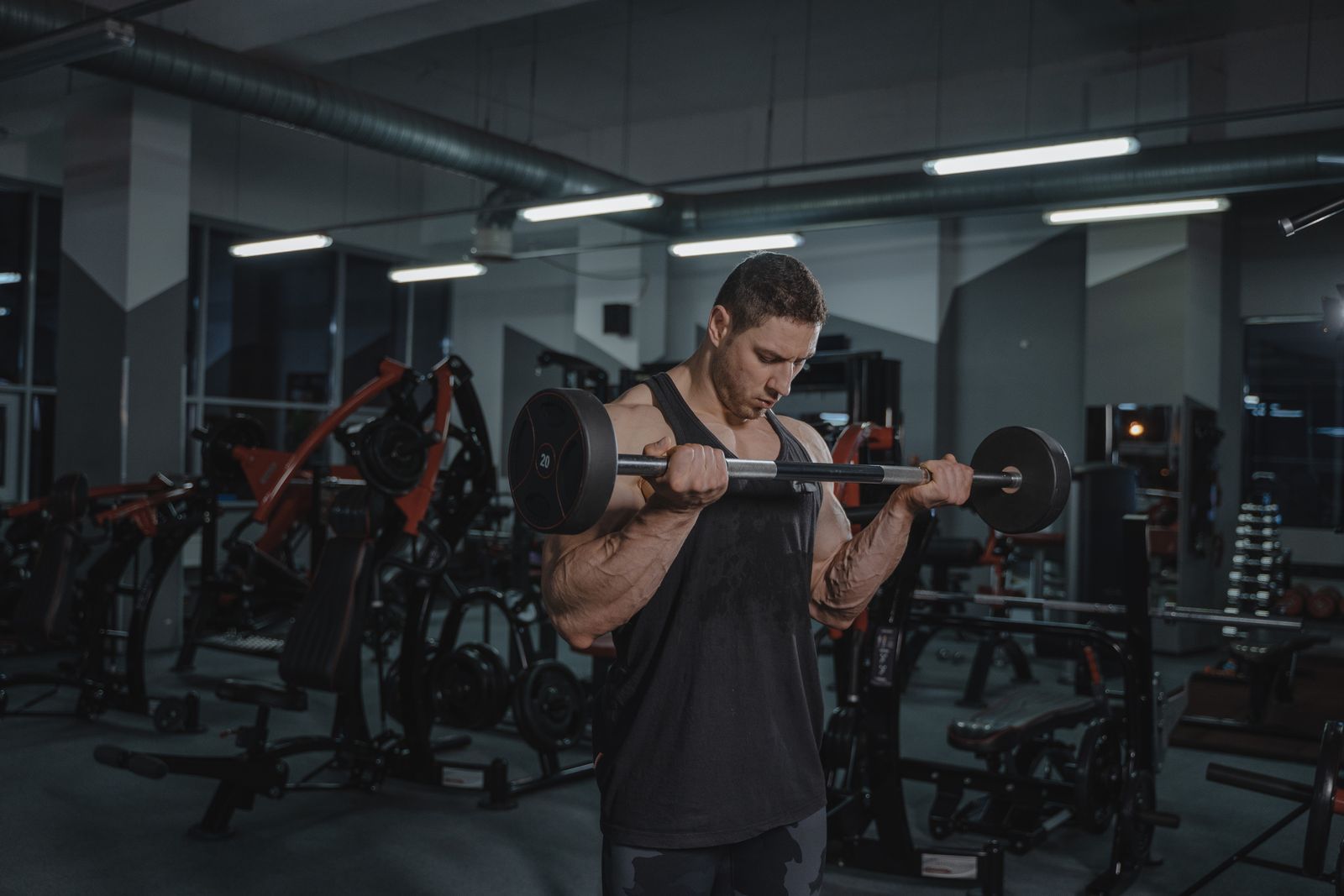
Day 1, Upper Body (Strength): Bench Press 4×8, Pull-Ups 4xMax, Overhead Press 3×10, Bicep Curls 3×12, Lateral Raises 3×15.
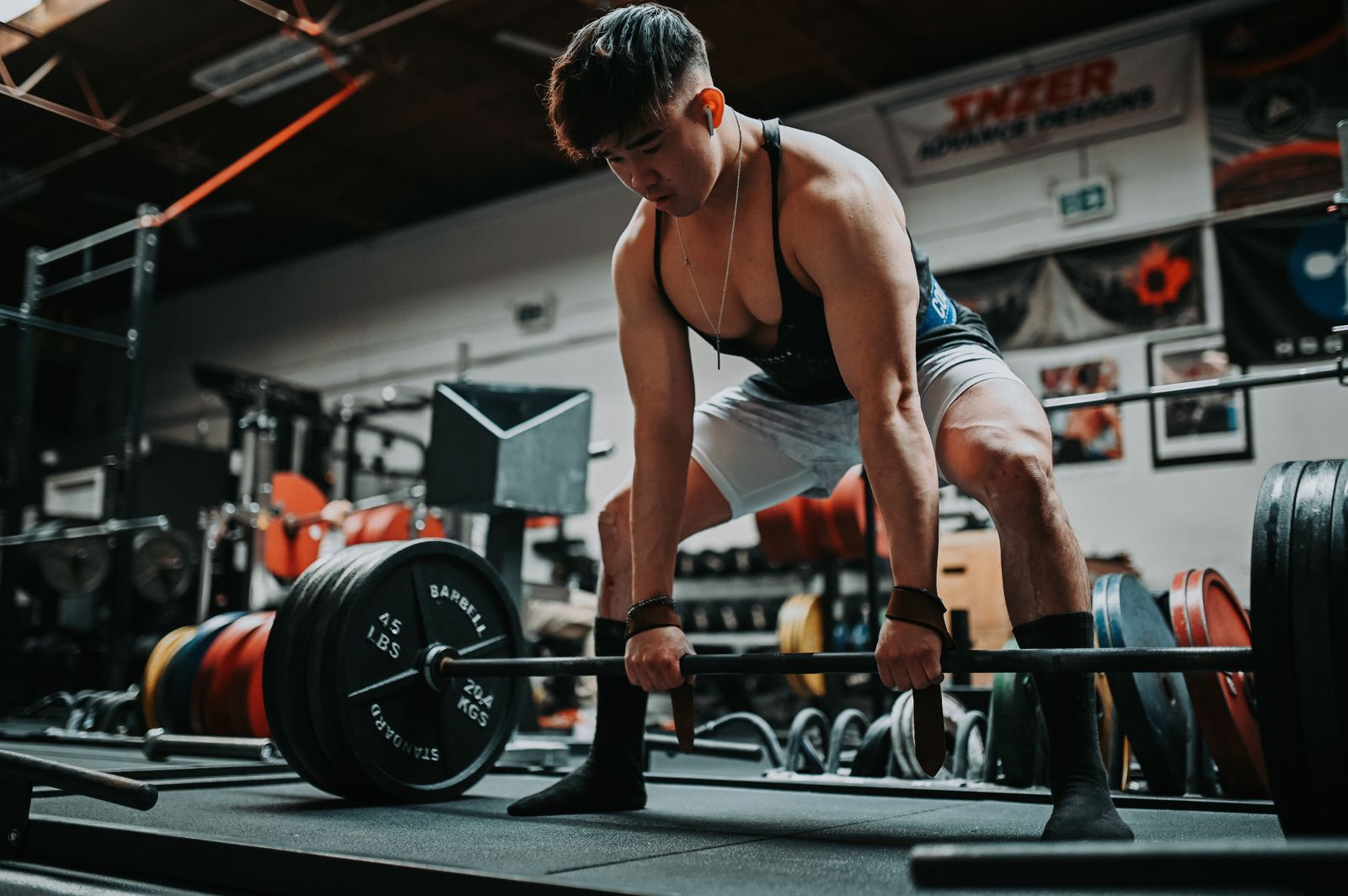
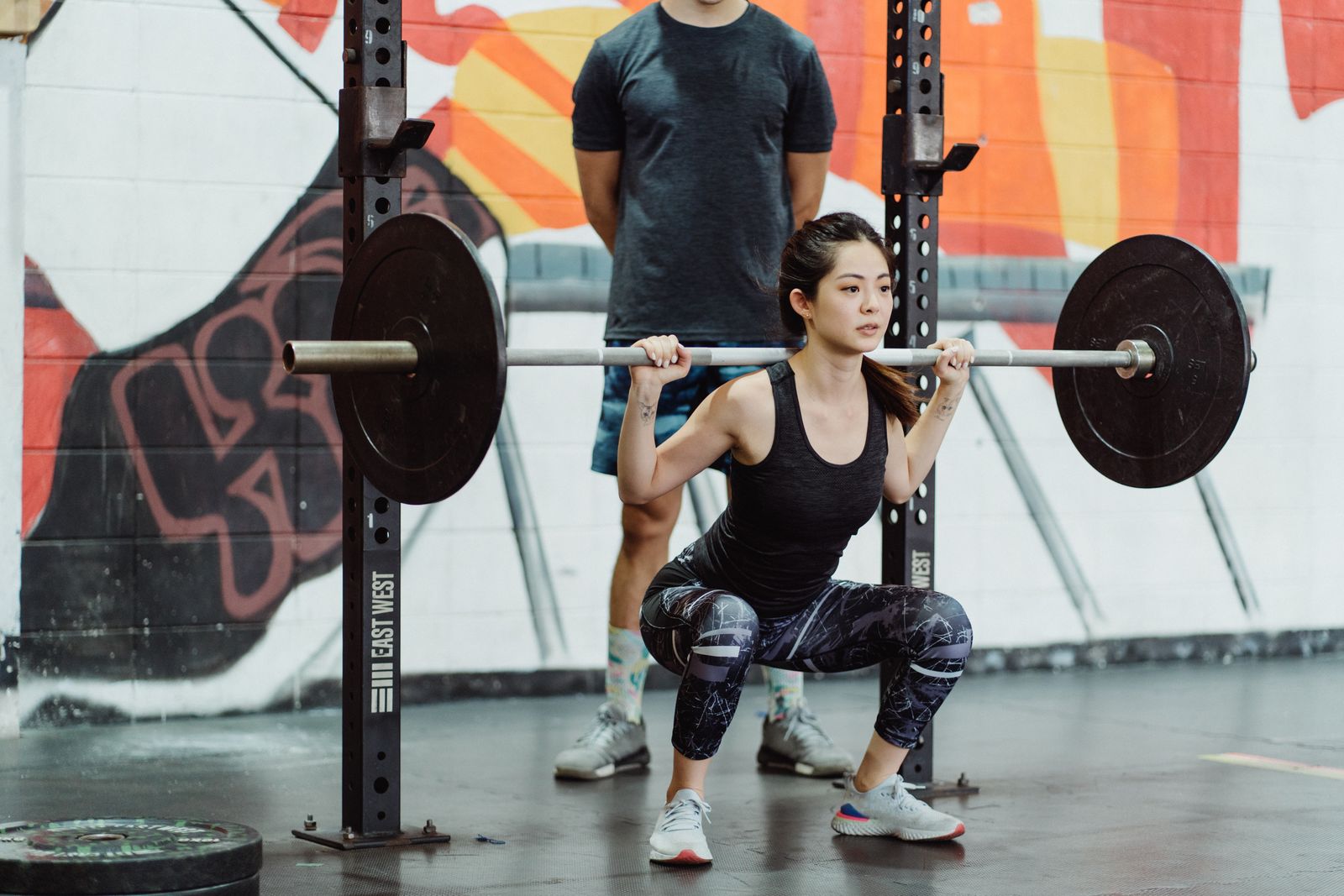
Day 2, Lower Body (Strength): Squats 4×8, Deadlifts 3×6, Lunges 3×12 each leg, Calf Raises 3×20.
Day 3: Rest / Mobility.
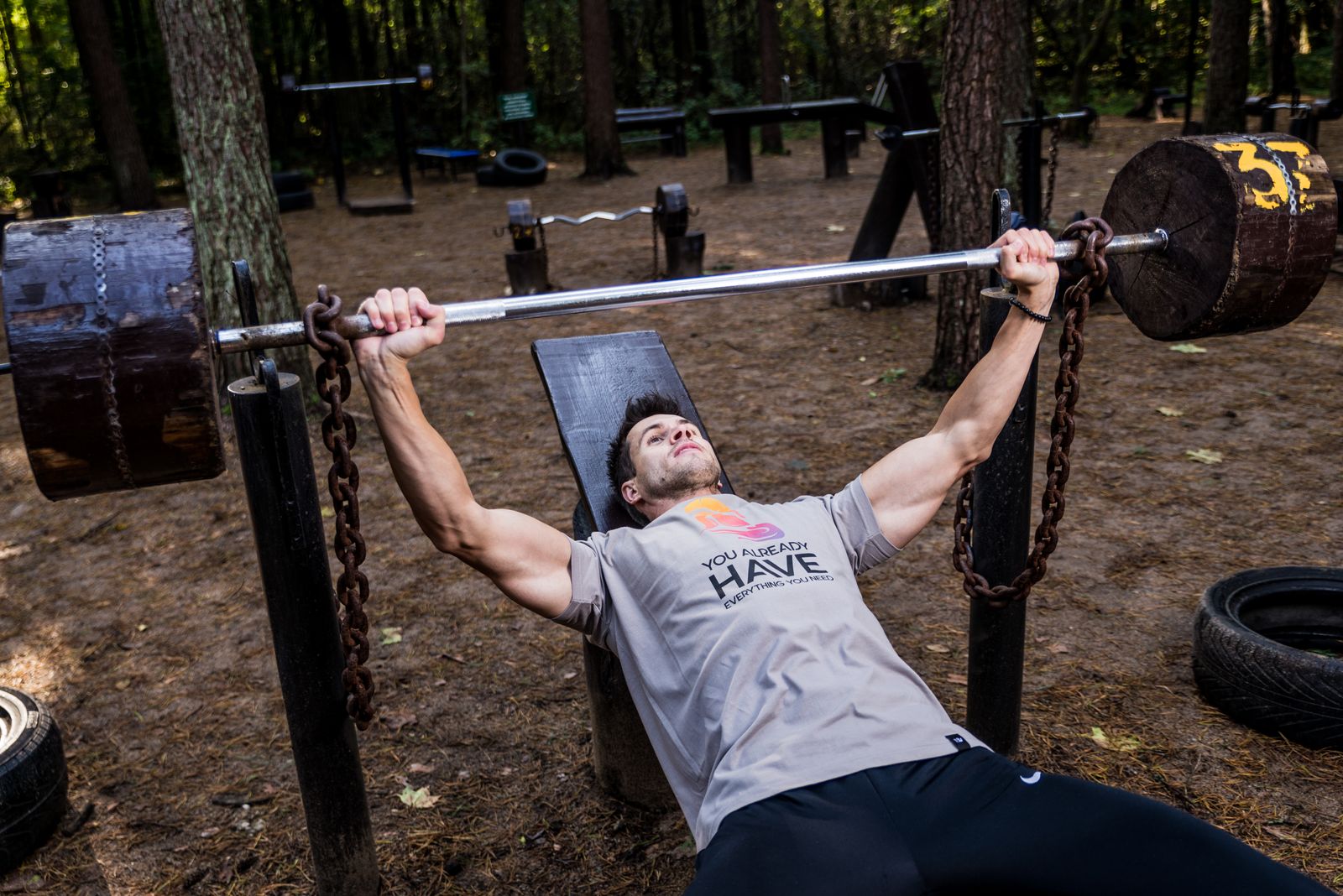
Day 4, Upper Body (Volume): Incline Bench 4×8, Barbell Rows 4×10, Dips 3xMax, Face Pulls 3×12.
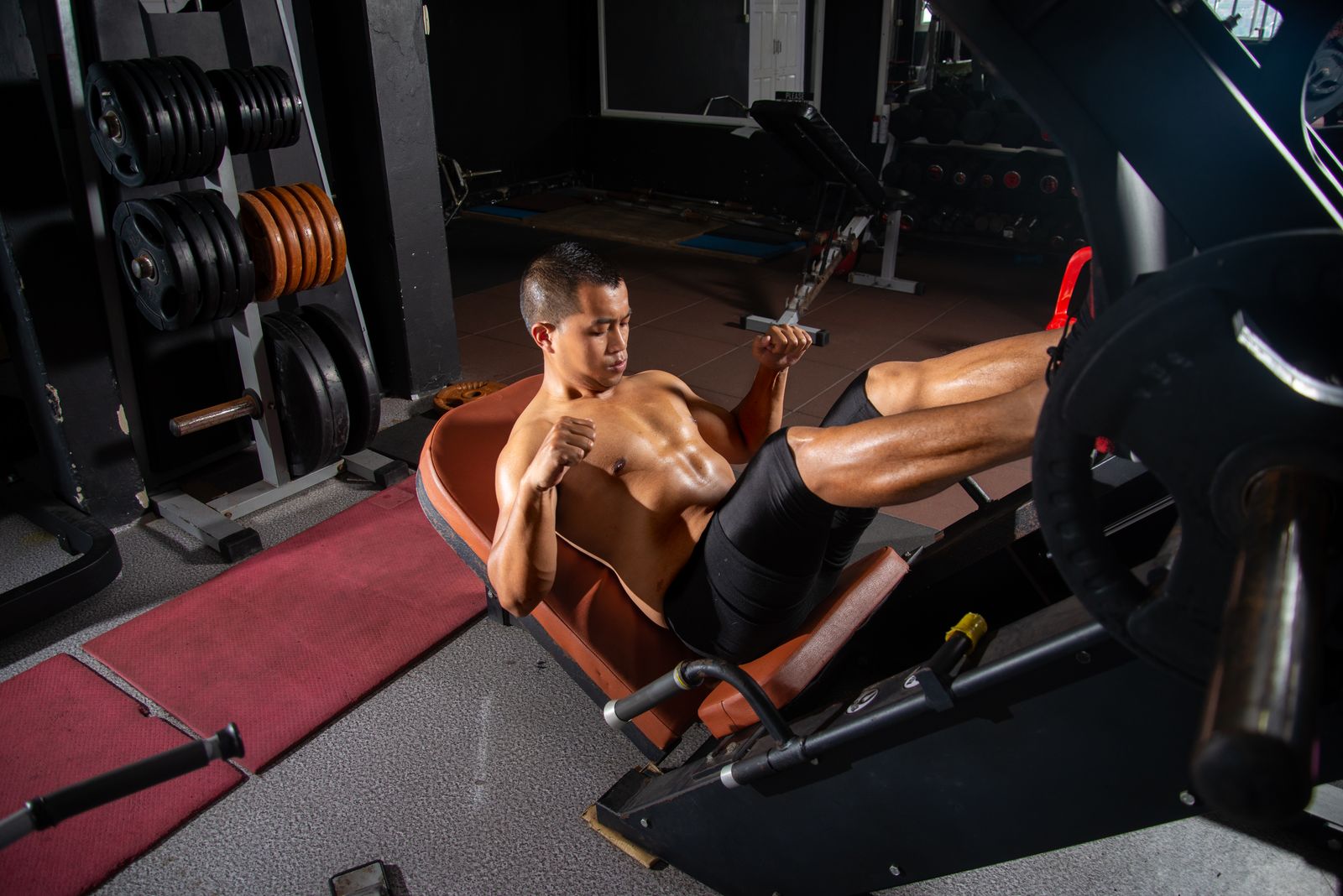
Day 5, Lower Body (Volume): Front Squats 3×10, Romanian Deadlifts 3×10, Leg Press 3×12, Glute Bridges 3×15.
Days 6 to 7: Rest / Light Cardio.
This hits each muscle twice a week and leaves room for proper recovery.
Recovery, Nutrition, and Sleep
Recovery is where growth actually happens. Muscle doesn’t grow in the gym, it grows afterward. So I aim for 7 to 9 hours of sleep, at least one full rest day a week, and active recovery like light mobility, stretching, and walking on easy days. Nutrition-wise, around 1.6 to 2.2g of protein per kg of bodyweight, with enough calories to support training. And I listen to my body: mild soreness is fine, but sharp pain is a warning.
Ignoring recovery early in my training led straight to plateaus and injuries. Rest, sleep, and proper fuel aren’t optional extras, they’re part of the work.
FAQs
How often should I work out to gain muscle?
Beginners, 2 to 3 times a week. Intermediate, 3 to 5. Advanced, 5 to 6 with careful recovery. Consistent, quality sessions matter more than sheer frequency.
How long should each session be?
Around 45 to 75 minutes, including warm-up, compound lifts, accessory work, and cool-down. Longer usually just adds fatigue.
Can I build muscle without a gym?
For the upper body, yes, calisthenics works well. But your legs eventually need weighted training for significant growth, which was my own experience.
Should I train every day?
No. Recovery is essential, and overtraining slows progress and raises injury risk. Build in rest days.
How often should I train each muscle group?
Twice a week per muscle is ideal for most lifters. Beginners can still grow hitting each muscle once or twice.
What if I’m sore?
Mild soreness is normal. Sharp or persistent pain is a signal to rest or reduce the load.
Can I combine calisthenics and weights?
Yes, and I’d recommend it. Bodyweight works great for the upper body, while your lower body benefits a lot from weighted work.
