



This guide was written and reviewed by Serge, MSc . As a martial artist and natural lifter with over 10 years of training experience, what I share comes from my own training and from digging into the research behind it.
Affiliate disclosure: This site has affiliate links, including Amazon. As an Amazon Associate I earn from qualifying purchases, at no extra cost to you.
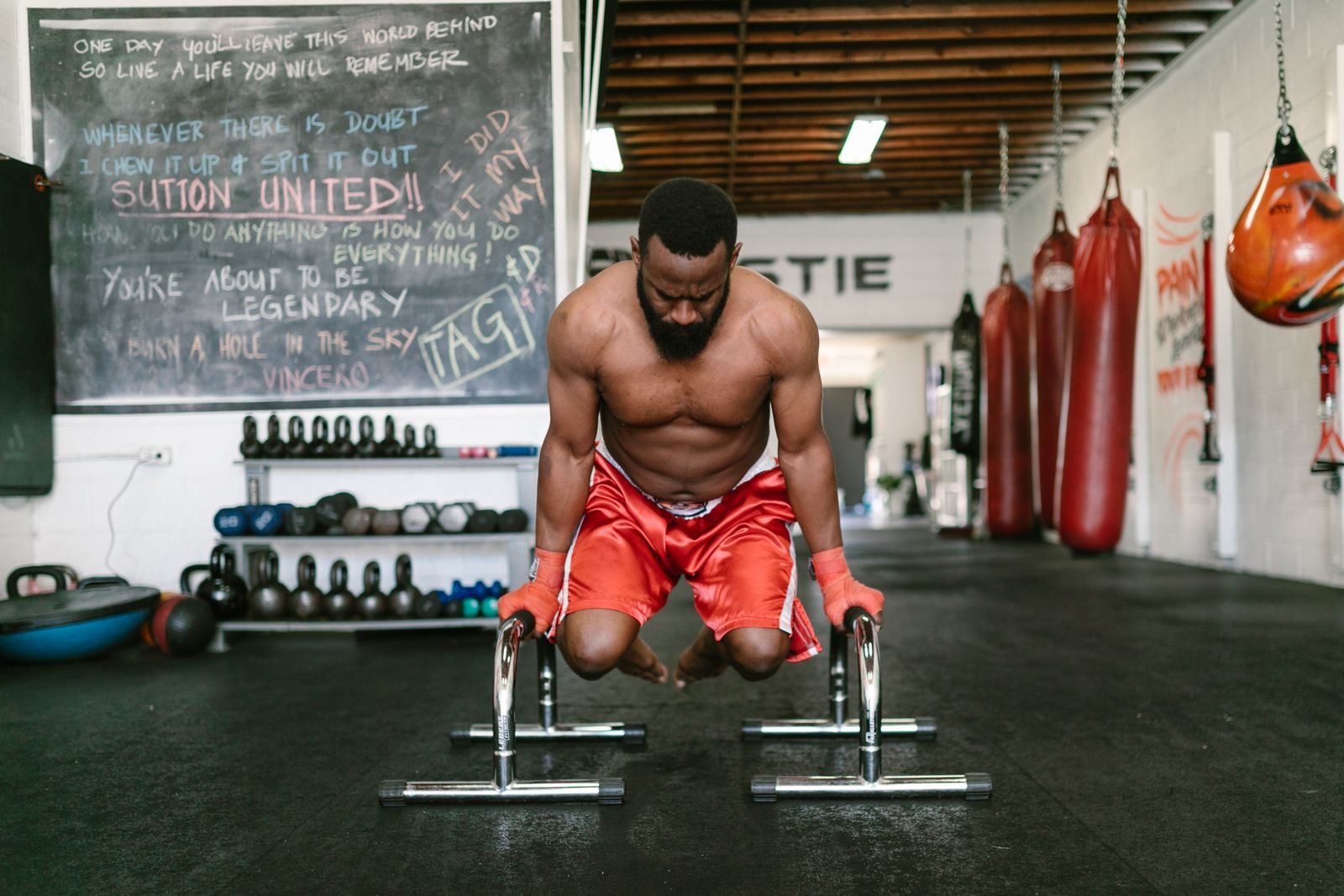
As a natural lifter for over a decade, I have tried many routines and tools, but dips have always been a favorite.
Dips are a classic exercise for upper body strength, and they work best when the setup fits your body. If you want a versatile, adjustable piece of equipment for them, the RELIFE Rebuild Your Life Dip Station is worth a look.
According to the listing, it is a steel station for dips, push-ups, and other bodyweight exercises at home. In this post I cover its features, what dips train, how to progress safely, and who should skip them.
Key Features of the RELIFE Dip Station
To see why the RELIFE Dip Station stands out, here are the features worth checking. These details come from the listing, so confirm them on the product page before you buy.
Steel Construction
The RELIFE Dip Station is described as heavy-duty steel. Check the listing for the rated weight capacity and tube specifications, and never exceed the stated limit.
A stable frame matters for dips. A wobbly station is a safety problem, so check that it feels firm before every session.
Adjustable Connecting Rods
According to the listing, the connecting rods have several adjustment holes that you change with a pull knob. That lets you set the position for different exercises and body sizes.
Adjustable Foot Strap and Pads
The listing describes an adjustable foot strap that helps with stability, even on uneven ground. It also describes foam pads that absorb sweat for a better grip.
Even so, set the station on a flat, firm surface whenever you can.
Adjustable Height
The height of the RELIFE Dip Station is adjustable, according to the listing. Check the product page for the range, then match it to your body and the exercise, whether that is dips, push-ups, or leg raises.
Compact and Easy to Store
The RELIFE Dip Station is described as compact and lightweight, which suits small spaces. Follow the assembly instructions, and check that every bolt is tight before you use it.
For more equipment ideas, see my post on top home fitness tools.
Why Dips Are Worth Doing
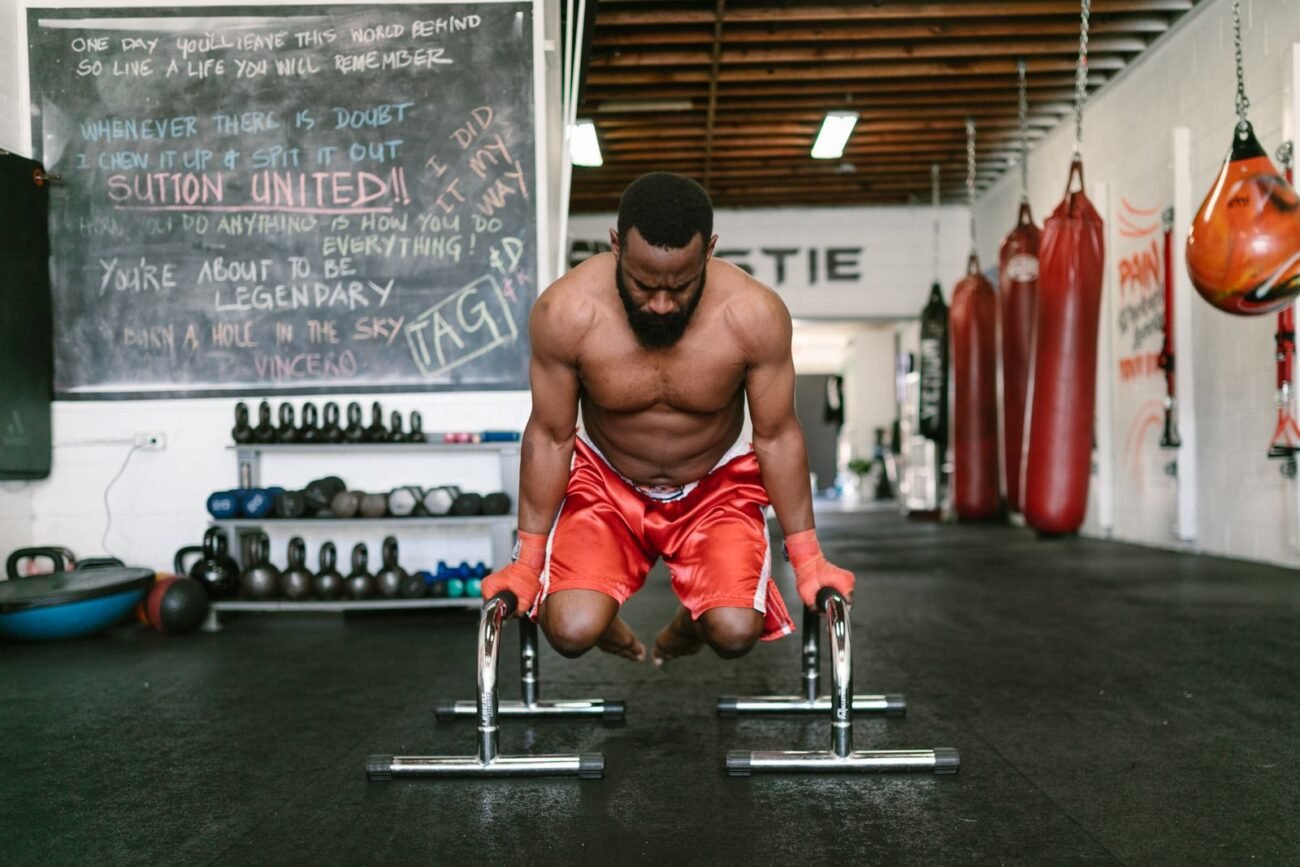
Dips are a compound exercise that works several upper body muscles at once. They are widely used to build triceps, chest, and shoulder strength.
Triceps
Dips load the triceps, the muscles on the back of your upper arm, as you lower yourself and press back up. For other ways to build size and strength, see my guide to the best exercises for building strength, muscle mass, and functional fitness.
Chest
Leaning forward shifts more of the work to your chest. To compare other chest options, read my post on flat bench versus incline bench for chest mass.
Shoulders
The front of the shoulder works hard during dips, which is why form matters. Go only as deep as your shoulders feel comfortable. Pain at the front of the shoulder is a sign to stop.
Core and Back
Your core keeps your body from swinging, and your lats help stabilize you. A pulling exercise balances this pushing movement, and my review of the Ally Peaks pull-up bar fits here.
Why It Suits Beginners and Experienced Lifters
Dip bars in most gyms are set high, which can feel intimidating for beginners. According to the listing, the RELIFE Dip Station has adjustable height, so you can start with your feet on the floor.
As a natural lifter with over ten years of training, I have found that gradual progression is key to avoiding injury. The RELIFE Dip Station lets you keep your feet on the floor to practice form. As you get stronger, put less weight through your feet. Over time you can work toward full bodyweight dips.
This gradual approach is what the RELIFE Dip Station can support, and it still leaves room for stronger lifters to push harder.
To track progress, I built a Progressive Overload Calculator. Enter your last session and get your next weight, your rep target, and a short outlook for the sessions after it.
No Gym Membership Needed
With one piece of equipment you can do dips, push-ups, and leg raises at home. For ideas, read my post on building strength at home without machines or crowds. My guide on how to build muscle at home covers the bigger plan.
How to Do a Dip Safely
Set the station on a flat, stable surface. Grip the handles, lock your arms, and keep your shoulders down and away from your ears.
Lower yourself under control until your upper arms are about parallel to the floor, or less if your shoulders feel tight. Press back up without bouncing. Stop if you feel pain in your shoulders, elbows, or chest.
Warm up first. I built a Warm-Up Set Calculator for this. Get a simple set of ramp-up loads leading to your working weight, so you lift prepared.
A Sample Dip Session
Here is a general example, not a program. Do two or three sets of assisted dips with your feet on the floor, for five to eight reps each. Rest about two minutes between sets.
Add push-ups and leg raises for balance. Train your upper body two or three days a week, with rest days in between. For more options, see my post on bodyweight exercises.
Who Should Skip It
Skip dips for now if you have shoulder, elbow, or chest pain, or a recent injury. Dips load the front of the shoulder, and some people find them uncomfortable. Push-ups or another press may suit you better.
If you have a medical condition or you are unsure, talk to a doctor or physical therapist first. Check the weight limit and assembly before use. This post shares general information. It is not medical advice.
Final Thoughts
Overall, the RELIFE Dip Station is a practical way to add dips and other bodyweight work at home. Check the listing for the specs and weight limit, and put good form ahead of extra reps.
FAQs
What is the RELIFE Dip Station?
According to the listing, it is an adjustable steel station for dips, push-ups, leg raises, and other upper body exercises.
Who can use it?
Beginners and experienced lifters can use it, according to the listing. Adjustable height and foot support help you start at a lower level.
How much weight can it support?
Check the listing for the rated weight capacity, and never exceed it.
How is it adjustable?
The listing describes adjustable height, connecting rods, and foot straps. These let you match the station to your body and the exercise.
What muscles does it target?
Dips mainly work the triceps, chest, shoulders, and core, with the back helping to stabilize.
Is it good for small spaces?
The listing describes it as compact and lightweight, which suits small homes. Check the product page for its folded or assembled size.
Do I need a gym membership?
No. A single station lets you do several bodyweight exercises at home.
Can beginners use it?
Yes, with care. You can start with your feet on the floor and progress as your strength improves. Stop if anything hurts.
How do I maintain it?
Check the bolts regularly, wipe the pads after use, and keep it on a flat surface. Follow the care notes on the product page.
Is it versatile?
Beyond dips, you can do push-ups, leg raises, and other upper body and core work.
