



This guide was written and reviewed by Serge, MSc . As a martial artist and natural lifter with over 10 years of training experience, what I share comes from my own training and from digging into the research behind it.
Affiliate disclosure: This site has affiliate links, including Amazon. As an Amazon Associate I earn from qualifying purchases, at no extra cost to you.
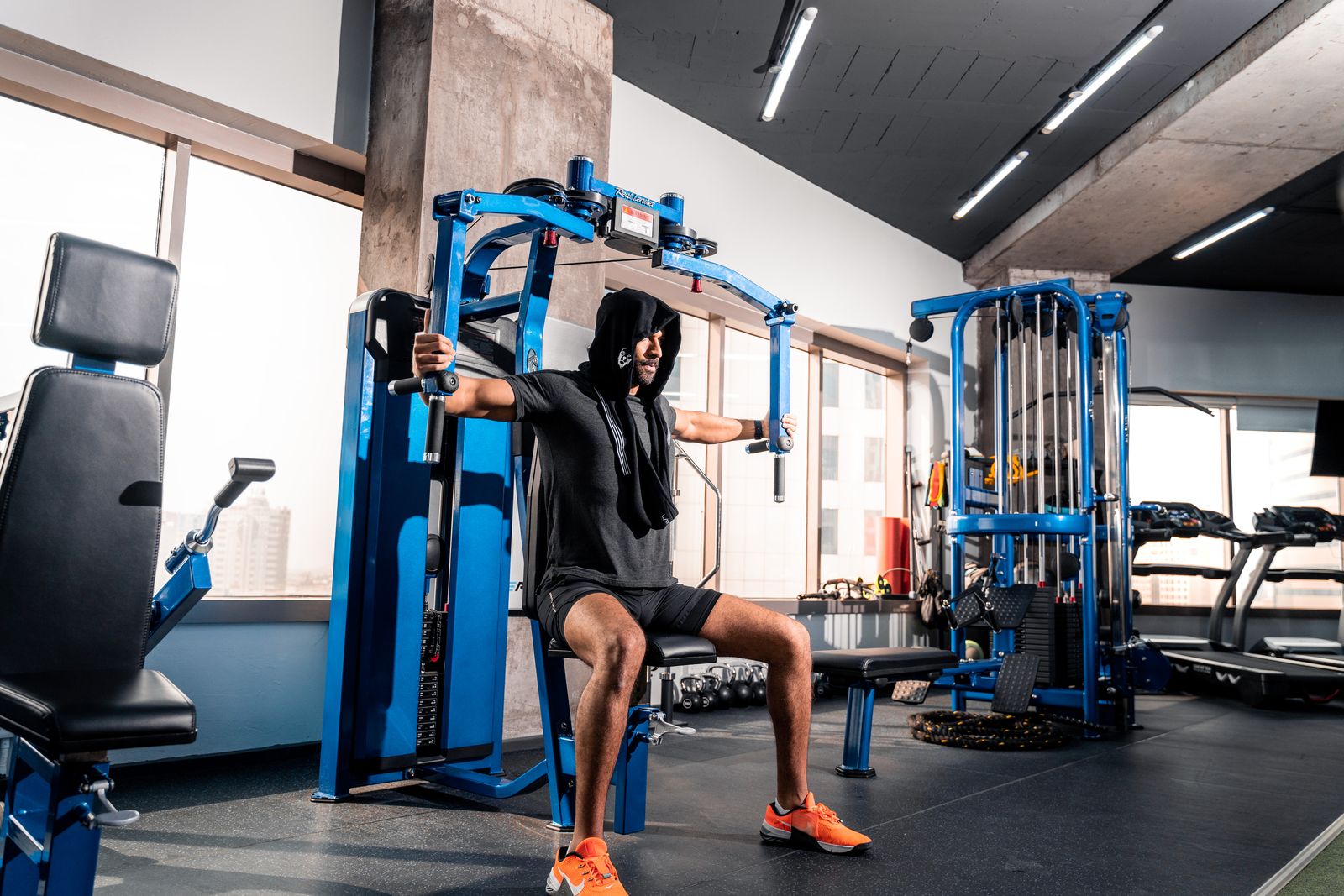
After more than a decade of training, I’ve learned that using gym equipment correctly is one of the biggest factors in whether your workouts actually pay off, whether you’re training for strength, endurance, or general health.
Over the years I’ve seen the cost of poor form and technique, both in others and in my own early mistakes, and I’ve refined my approach to avoid injury and get more from each session. This guide shares what I’ve picked up from that experience: how to use the common gym equipment properly so your training is safe, effective, and not wasted effort.
Why Proper Equipment Use Matters So Much
One of the clearest lessons from my years training is how much form and technique decide your results.
Whether you’re on a cardio machine or under a barbell, poor usage leads to injury or wasted effort. Using equipment properly means you actually work the muscles you’re targeting, you lower your risk of overuse injuries, and you get more out of every session.
I’ve felt the frustration of plateaus and setbacks myself, and a lot of the time the fix came down to technique. Long-term progress is built on consistency, and consistency is a lot easier when you’re not constantly nursing little injuries from sloppy form.
Cardio Machines: Treadmills, Ellipticals, and Bikes
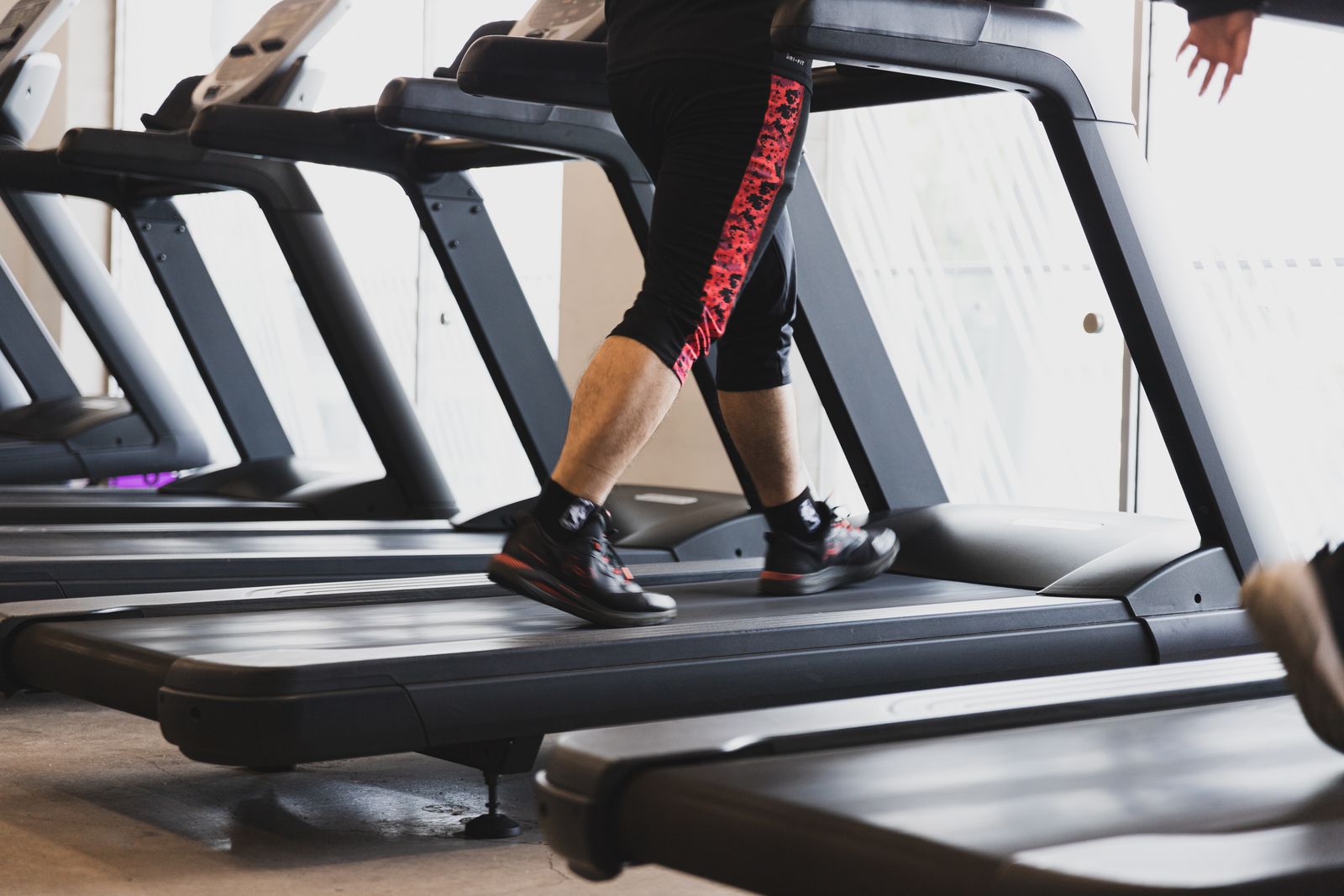
Cardio machines are in every gym, but using them poorly leads to weak results or strain. Small adjustments make a big difference, and over the years those small things are what I’ve paid the most attention to.
Treadmill.
Keep your shoulders back, head up, and avoid leaning forward or gripping the handrails hard. That keeps you aligned and lets your core do its job instead of straining your back. Aim for a natural stride with a mid-foot strike, which I’ve found easier on the joints over the long run. And use the incline: gradually raising it works different leg muscles and adds a real challenge, something I lean on especially when preparing for outdoor running.
Elliptical.
Stay upright and engaged rather than slumping or hanging on the handlebars. I learned early that leaning on the bars basically cheats the workout, so I keep my arms and legs actively working. Increase the resistance as you progress, it keeps each session challenging without hammering the joints.
Stationary bike.
Seat height matters more than people think. Set it so your knee is only slightly bent at the bottom of the stroke. Small seat adjustments noticeably improved both my comfort and how efficient my cycling felt. Keep your back straight and core engaged rather than hunching, and aim for a smooth, controlled pedal stroke using both quads and hamstrings.
Free Weights: Dumbbells, Barbells, Kettlebells
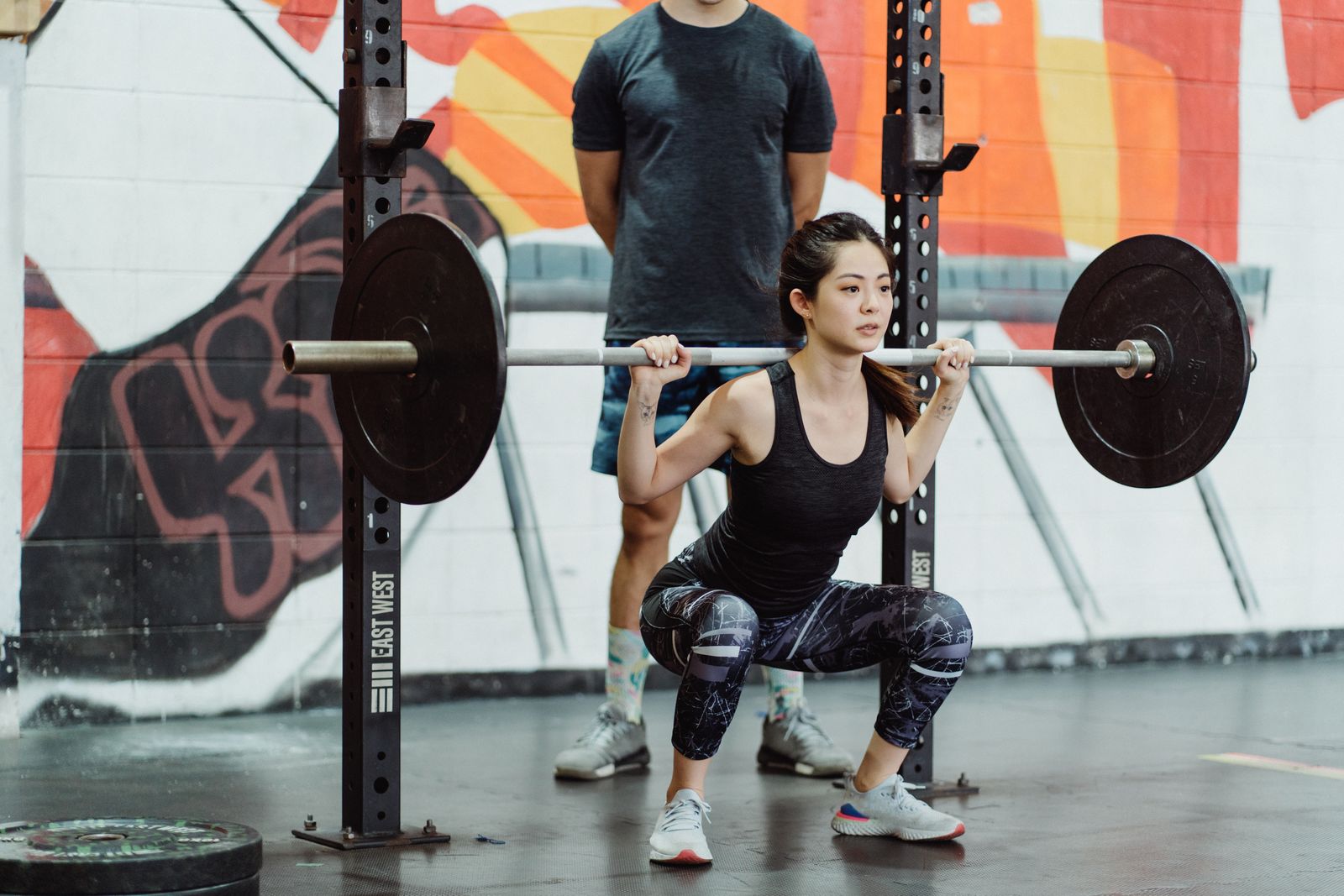
Free weights are where real strength gets built, but bad technique here is the fastest route to injury. Form and progressive overload are what make them work.
Dumbbells.
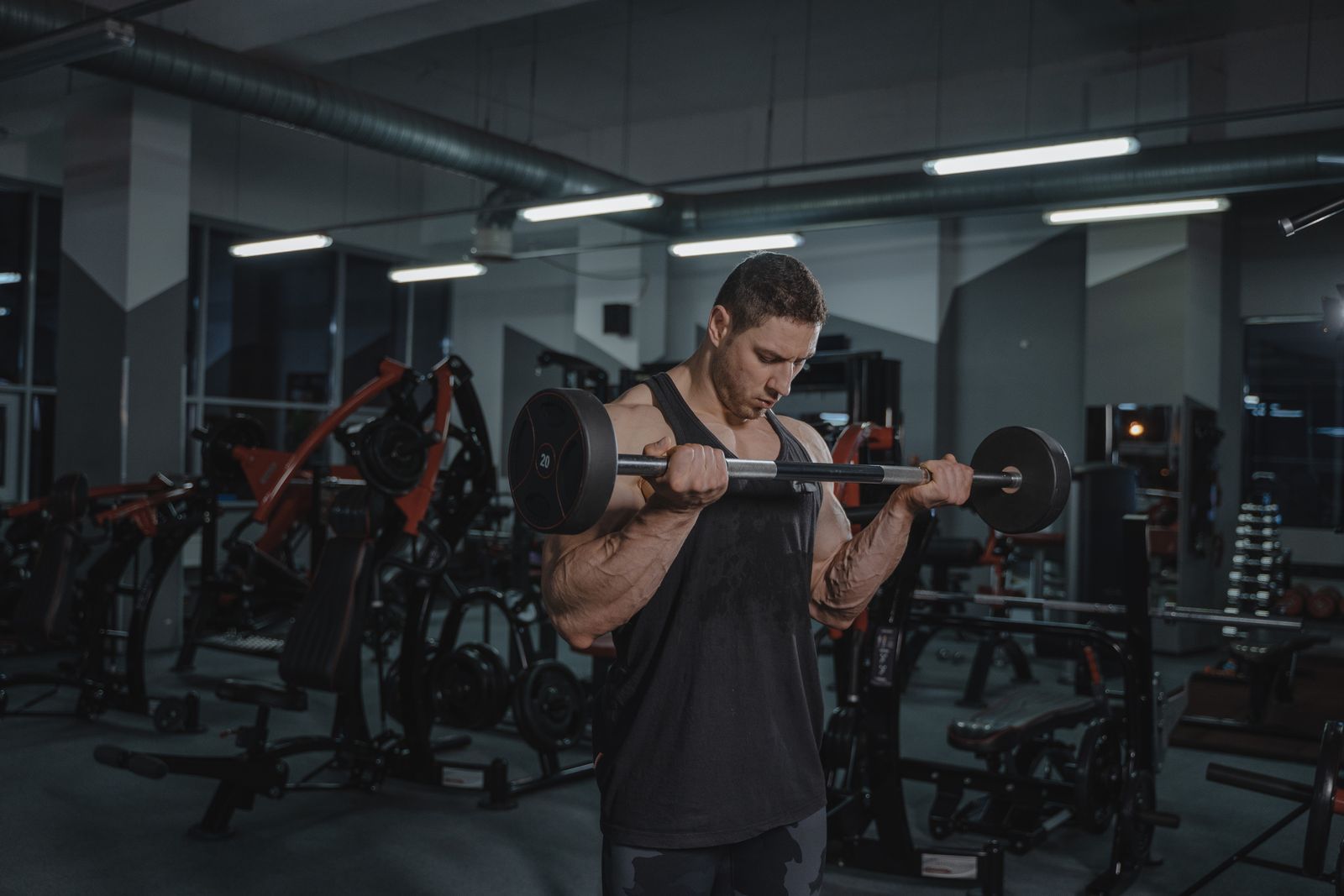
Use a firm but relaxed grip, so the target muscle does the work instead of your hands fighting the weight. Move slowly and with control. Using momentum instead of muscle both reduces the effect of the exercise and raises your injury risk, something I had to unlearn early on.
Barbells.
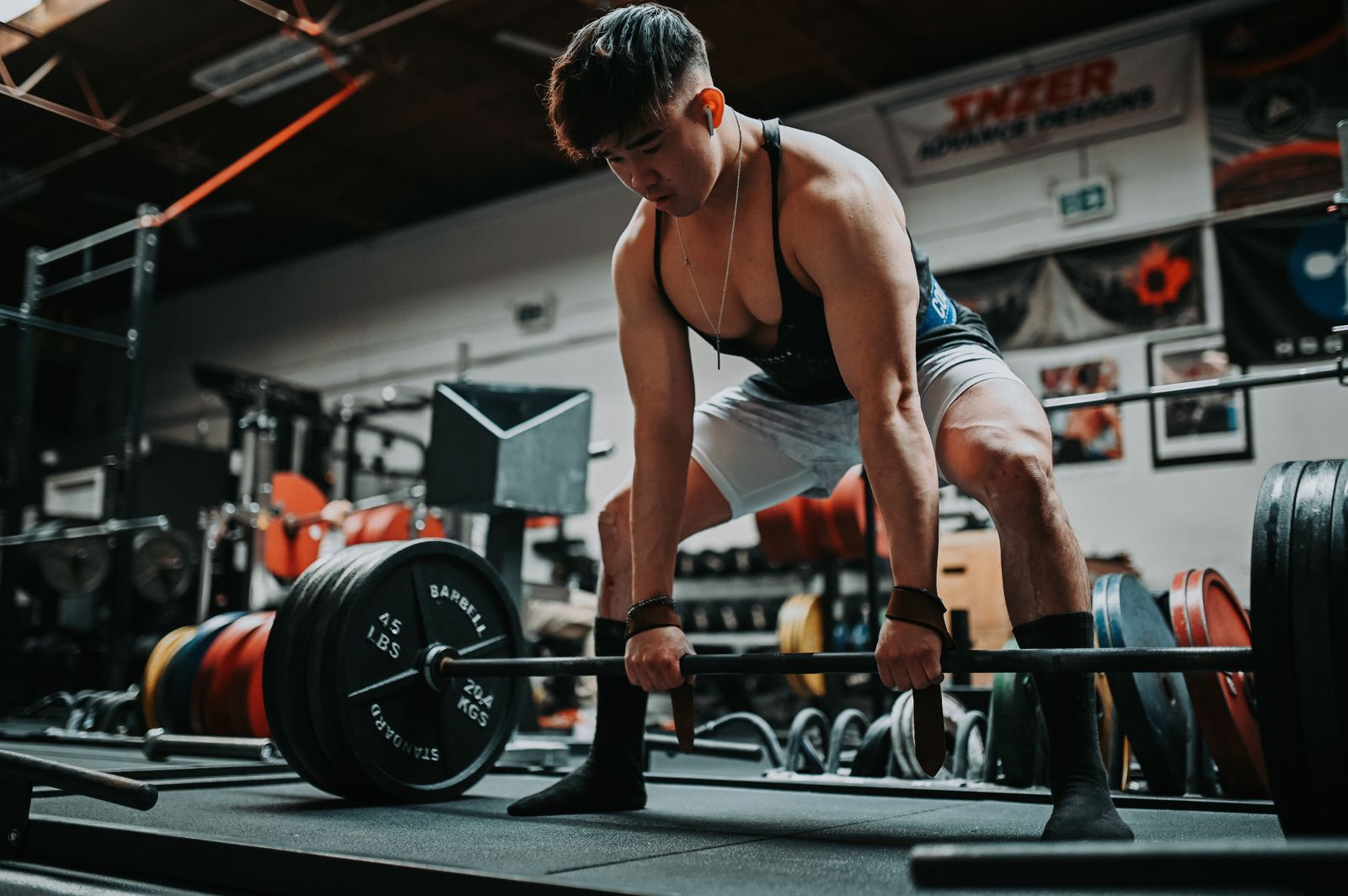
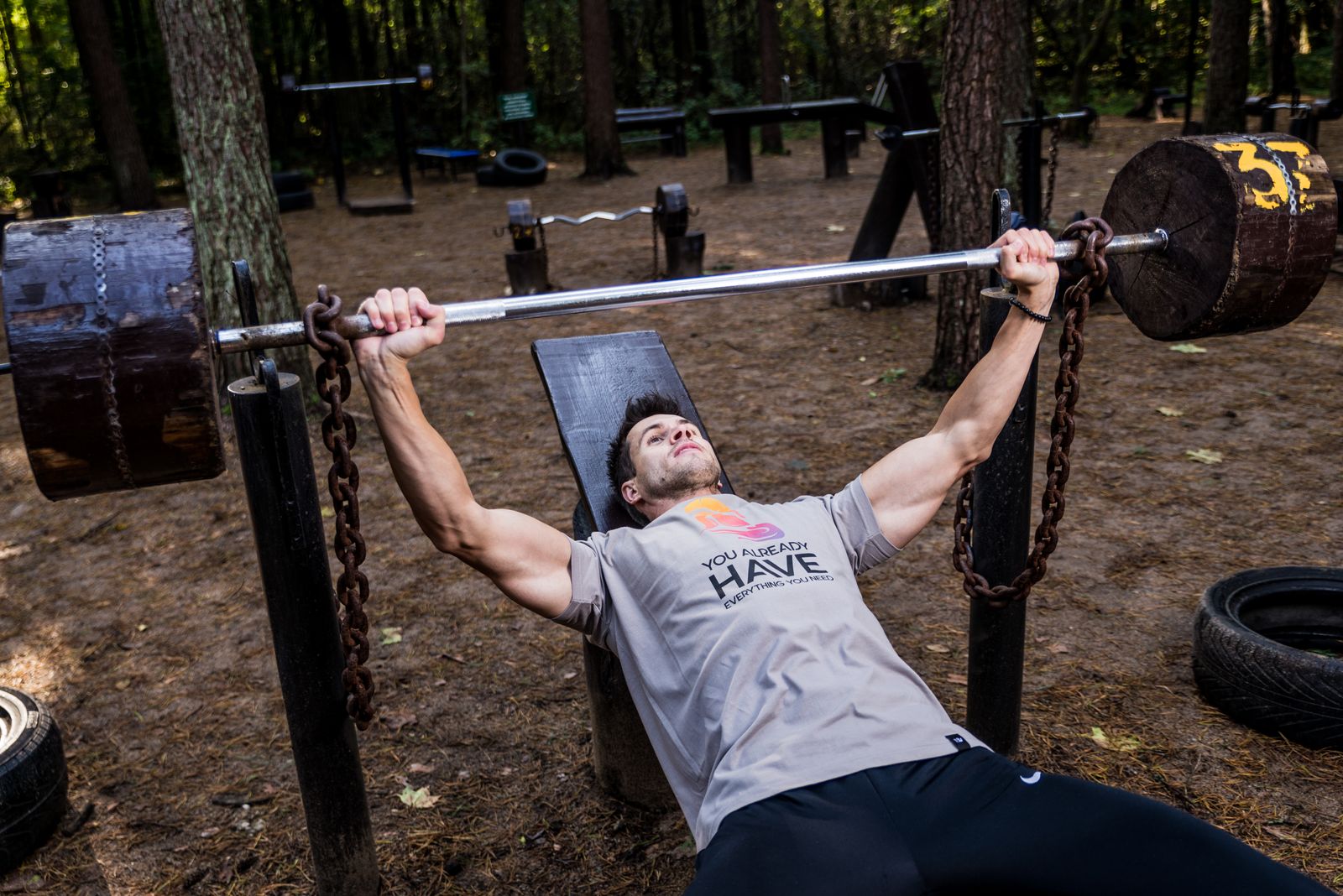
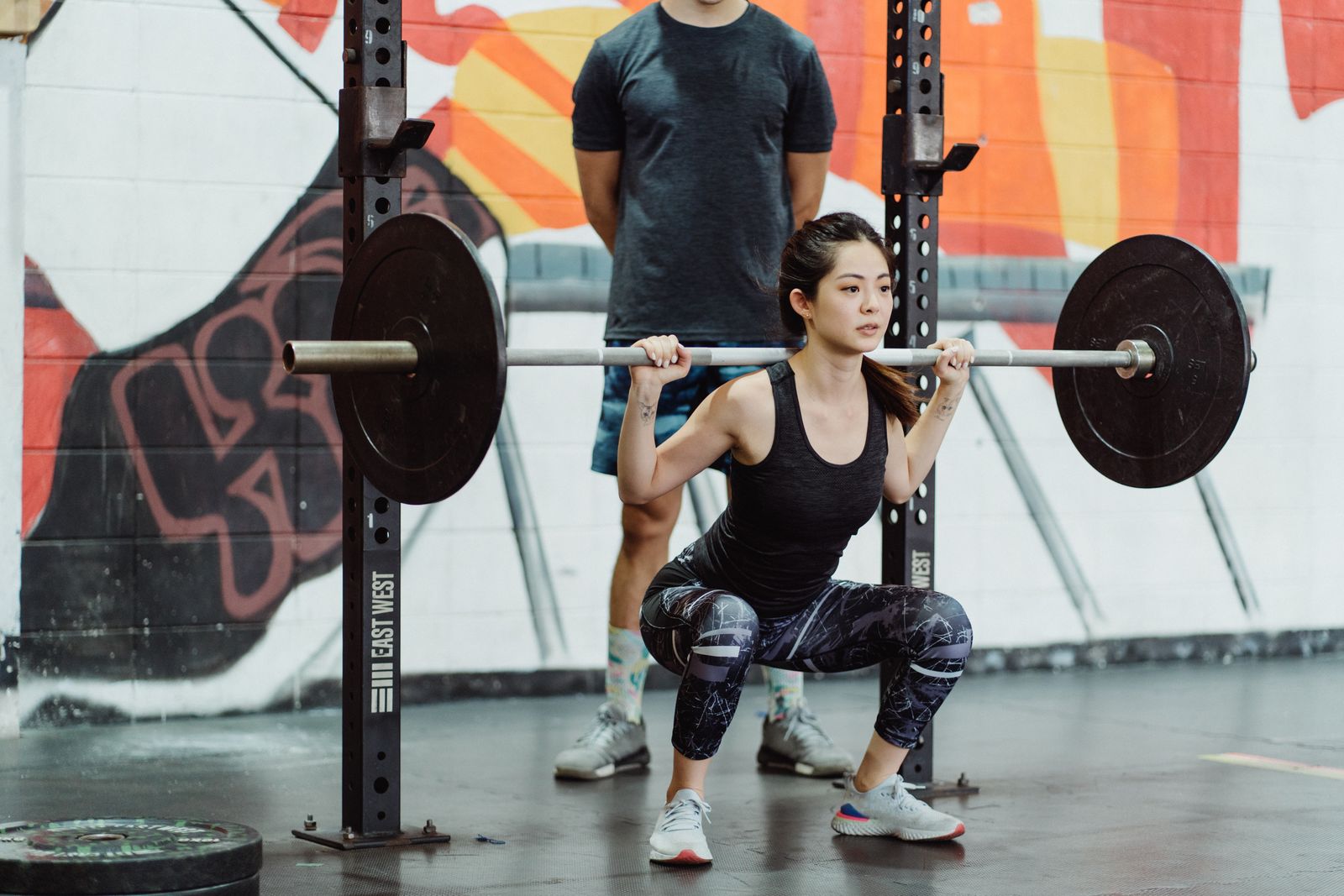
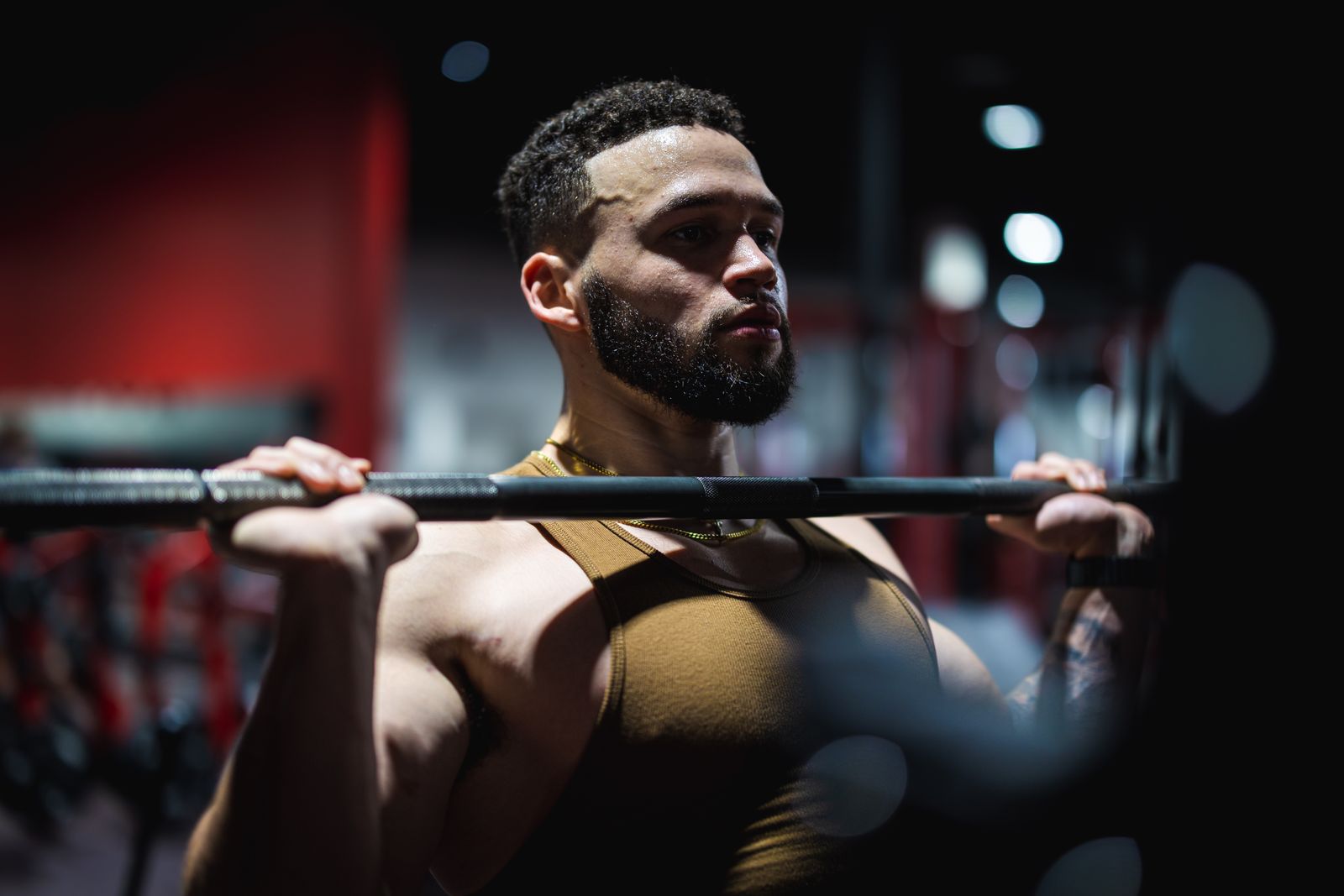
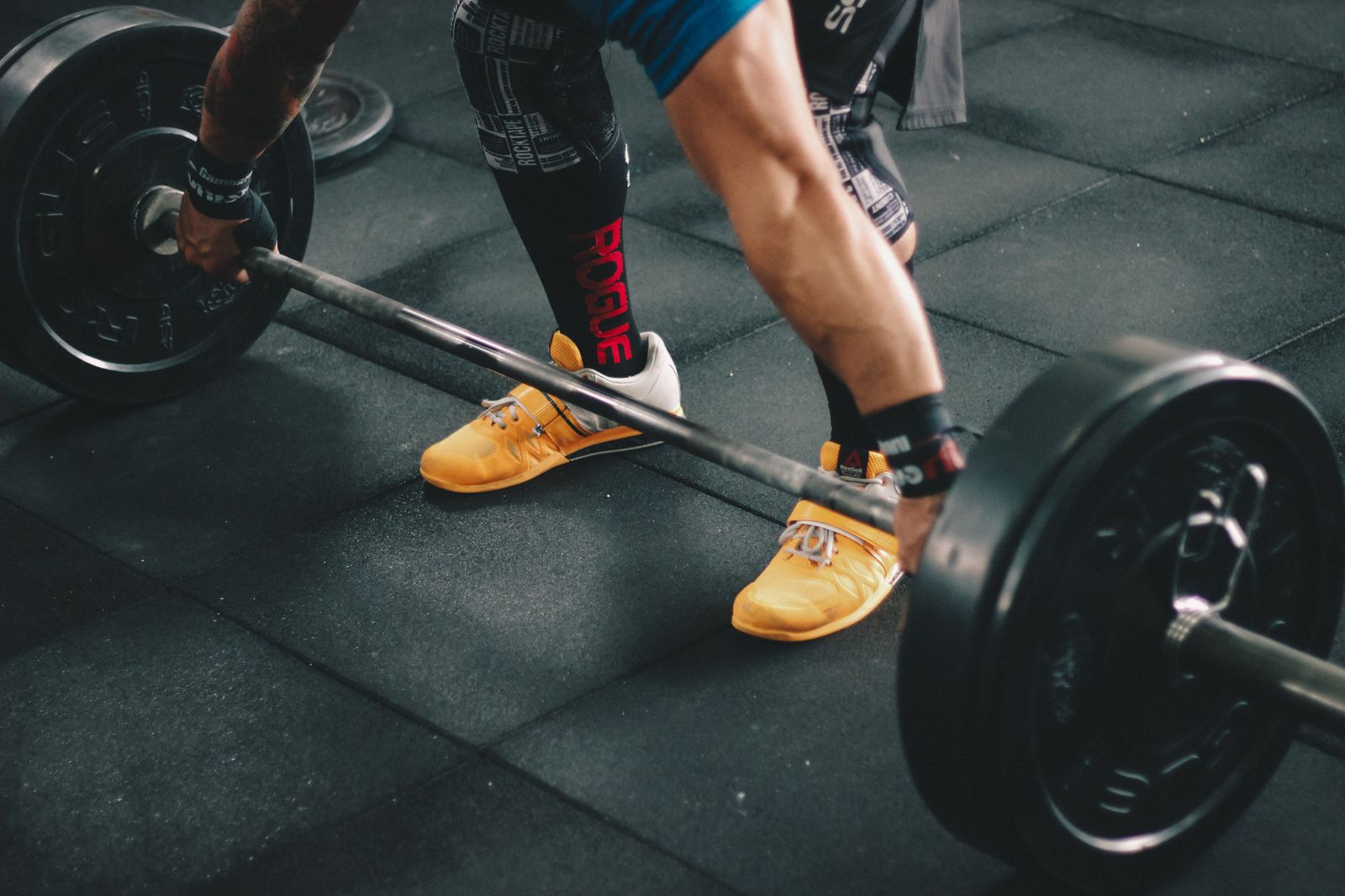
Whether you’re squatting, deadlifting, or benching, set your feet around shoulder-width with your weight evenly distributed. That gives you a solid base and better balance, and after years of lifting heavy I can tell you balance is a big part of staying injury-free. Keep the bar close to your body through the lift; a straight bar path reduces joint strain and improves muscle activation.
Kettlebells.
The swing is driven by the hips, not the arms. Poor form on kettlebell swings is a common way to hurt your lower back, so focus on a powerful hip hinge to generate the movement. Keep your core engaged throughout, it stabilises you and protects your back.
Resistance Machines: Leg Press, Chest Press, Lat Pulldown
Machines are useful for isolating specific muscles and training them safely, as long as your form doesn’t slip under heavier loads.
Leg press.
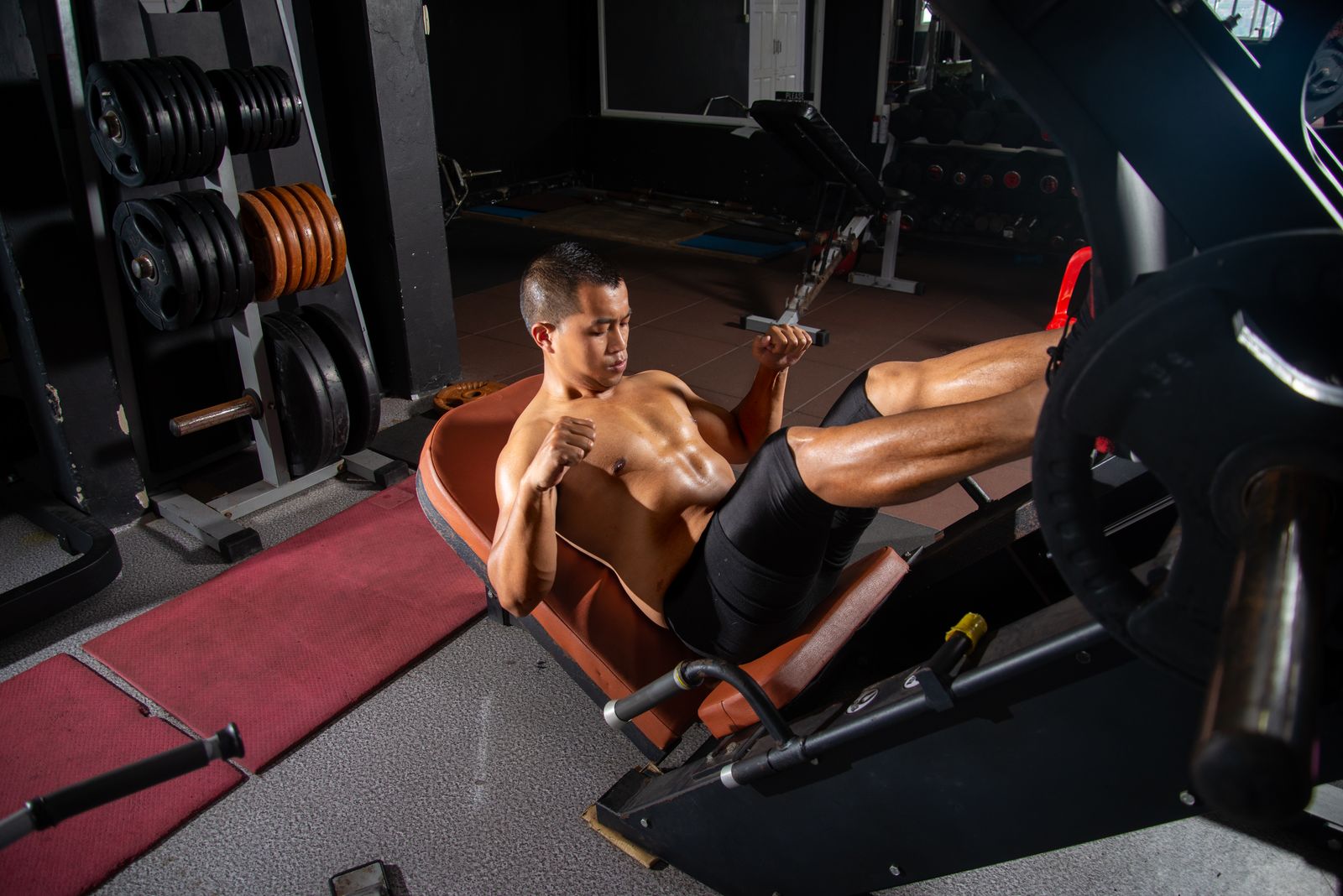
Set your feet around shoulder-width on the platform so your quads, glutes, and hamstrings share the load. Good foot placement also keeps unnecessary strain off the knees. Lower the platform slowly and push through your heels, which I’ve found maximises glute and hamstring work while protecting the knees.
Chest press.
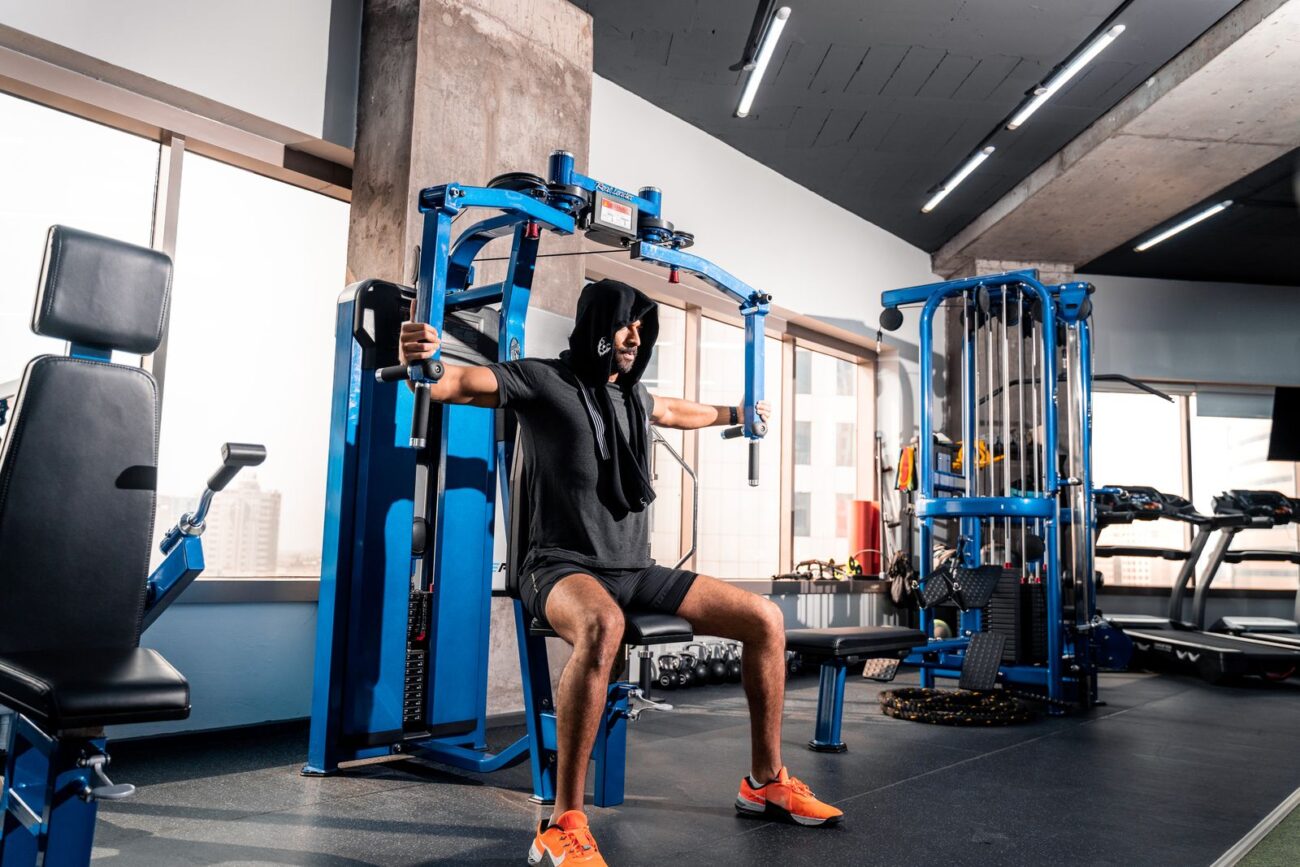
Adjust the seat so the handles sit at chest level, that way your chest does the work rather than your shoulders. Don’t lock your elbows at the top, and control the weight the whole way through. Smooth, controlled reps give better muscle activation than rushed ones.
Lat pulldown.
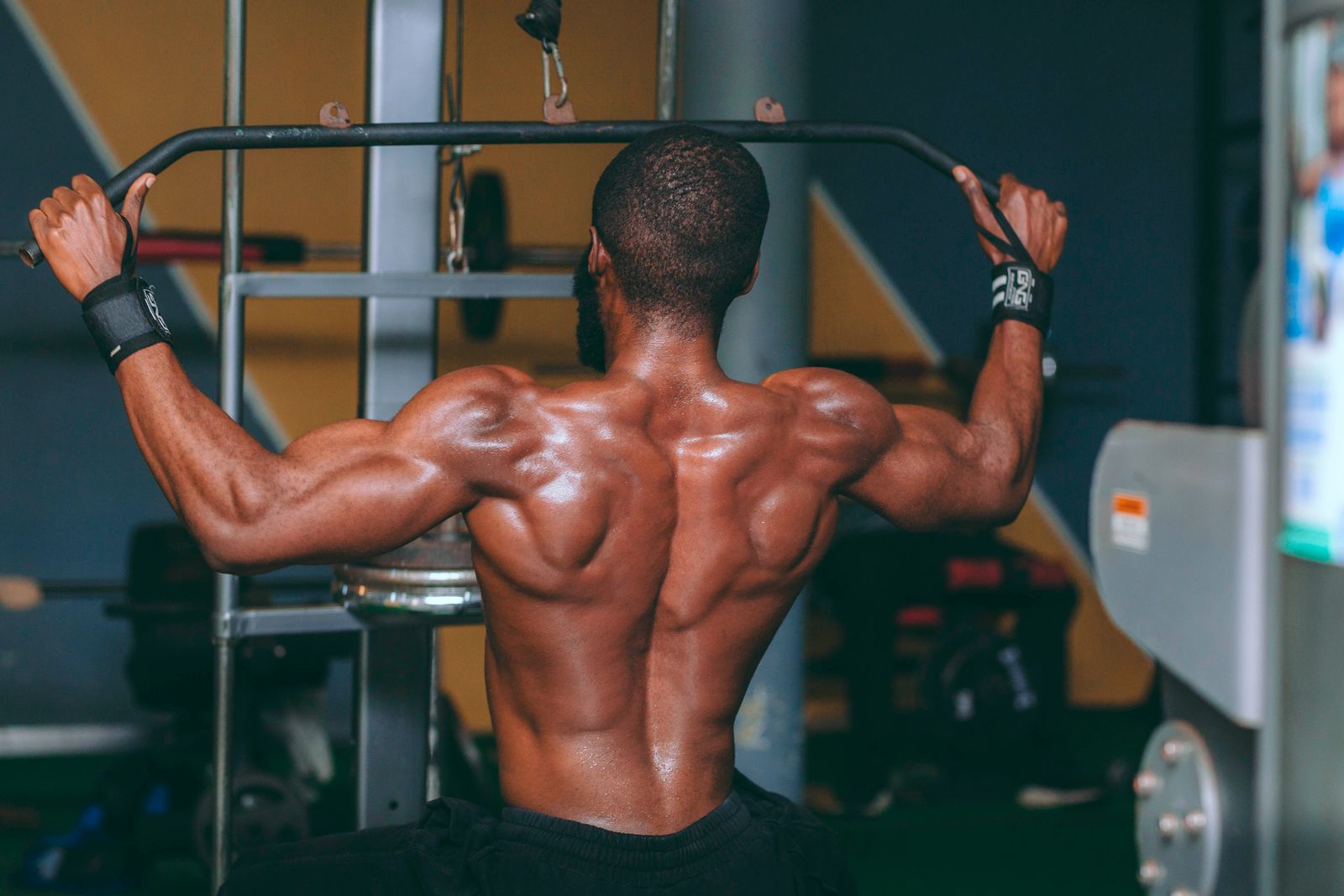
A wider grip targets the lats more, and varying your grip over time hits different parts of the back. Sit upright with your chest lifted and core engaged, so you’re working your back rather than yanking with your arms and shoulders.
Recovery: Foam Rollers and Stretching
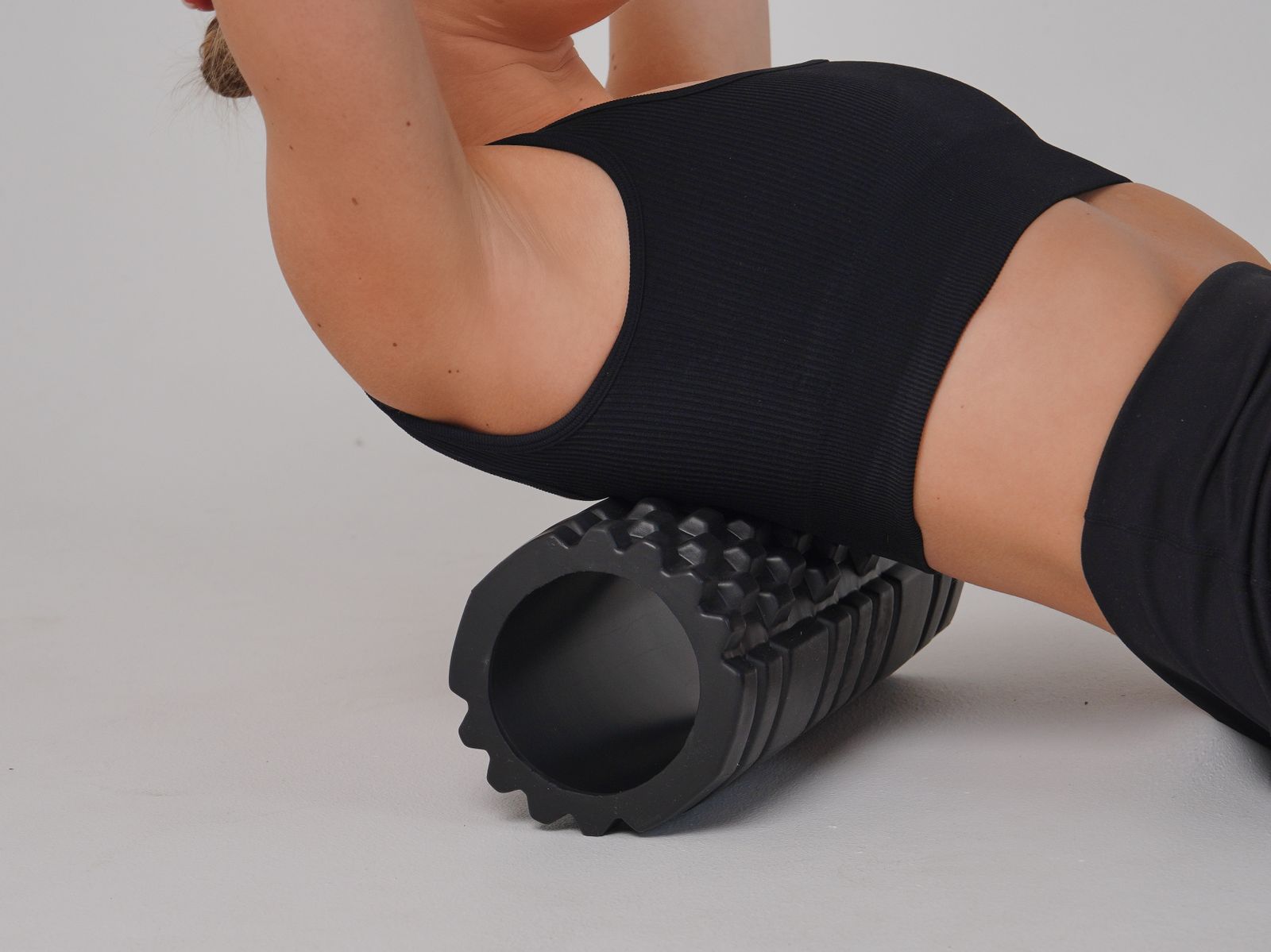
Beginners often overlook flexibility and recovery, but they matter as much as the training itself. Proper recovery has done a lot to reduce my soreness and keep me training without interruptions.
Focus on tight areas like quads, calves, and back. I roll before and after sessions to ease tightness and help mobility. Use enough pressure to feel a stretch, but not so much it hurts, going too aggressive can leave you bruised.
Stretching.
Get properly aligned before you start, and stretch slowly, holding each position for 20 to 30 seconds without bouncing. Static stretching like this has worked best for me for improving flexibility without straining the muscle.
Common Mistakes to Avoid
A few mistakes I’ve seen (and made) over the years:
Overloading the weight. Going too heavy too soon is one of the most common causes of injury. Add weight gradually.
Skipping warm-ups and cool-downs. Cutting these out noticeably raises your injury and soreness risk. Don’t skip them.
Forgetting your core. Engage your core on basically everything. It’s saved my lower back more times than I can count.
Train With Intention
Using gym equipment properly isn’t only about avoiding injury, it’s about getting the most from every workout. After a decade of training, I keep coming back to the same things: consistency, good technique, and gradual progression.
Apply these and you’ll perform better, get hurt less, and reach your goals more efficiently. The fitness journey is a marathon, not a sprint, so keep learning, stay patient, and listen to your body. Master the basics of how to use the equipment, and you set yourself up for a stronger, healthier, and more sustainable long-term run.
