



This guide was written and reviewed by Serge, MSc . As a martial artist and natural lifter with over 10 years of training experience, what I share comes from my own training and from digging into the research behind it.
Affiliate disclosure: This site has affiliate links, including Amazon. As an Amazon Associate I earn from qualifying purchases, at no extra cost to you.
Which exercises give you the most for your effort?
With so many options, it is easy to spread your effort thin and make slow progress. After more than ten years training as a natural lifter, my answer keeps coming back to three: the squat, the deadlift, and the bench press.
These are compound lifts, meaning each one works multiple muscle groups and joints at once, which makes them efficient for building strength, adding muscle, and improving how your body performs.
They are the lifts I have built most of my own strength and physique around, and they are the ones I would tell anyone serious about training to master first. Here is why they matter, how to do them properly, and how I use them.
How I Build My Training Around Them
Before the breakdown, here is how these fit into my own week, because it shapes the advice. I train the big lifts hard, but not recklessly. One session I go heavier on the compounds, and another I pull back a little and focus on clean technique. Roughly twice a month I train powerlifter-style, properly heavy on these lifts, then return to my usual work.
The thing I learned the hard way, as a natural, is that chasing the heaviest possible weight every session at the cost of form does not pay off. It just invites injury. Steady, controlled progression on these three has done far more for me than ego-lifting ever did. Keep that in mind as you read the form cues below: they matter more than the number on the bar.
Squats: The King of Lower-Body Movements
Squats primarily work the quadriceps, hamstrings, glutes, and lower back, while the core and stabilising muscles keep you steady. As a compound movement, they build lower-body strength and coordination better than almost anything.
They also improve mobility in the hips, knees, and ankles, which lowers injury risk and helps everyday movement. And the strength carries over directly to athletic activity. In my own training, consistent squatting has improved my power in everything from sprinting to jumping, because of the explosiveness and lower-body strength it builds.
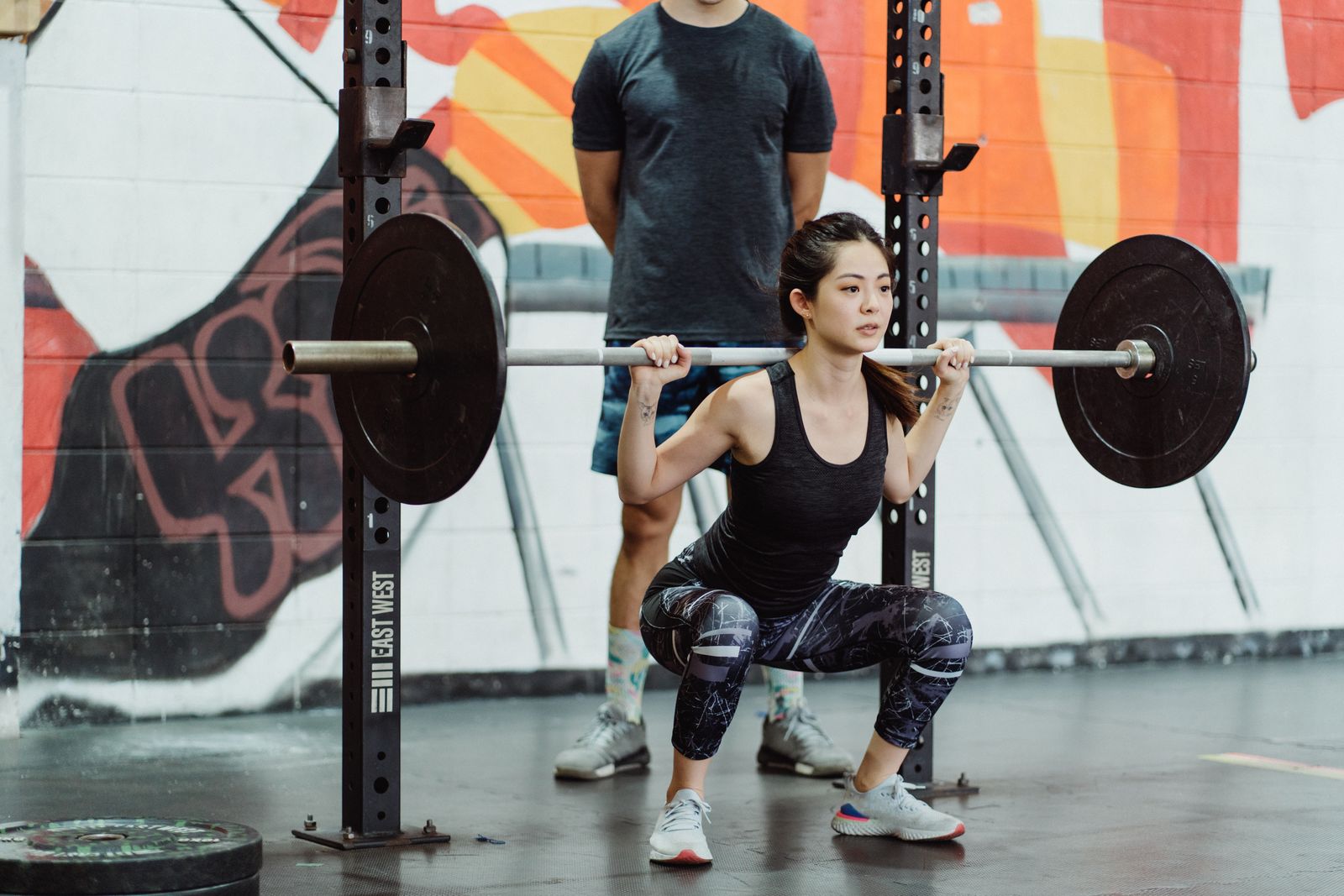
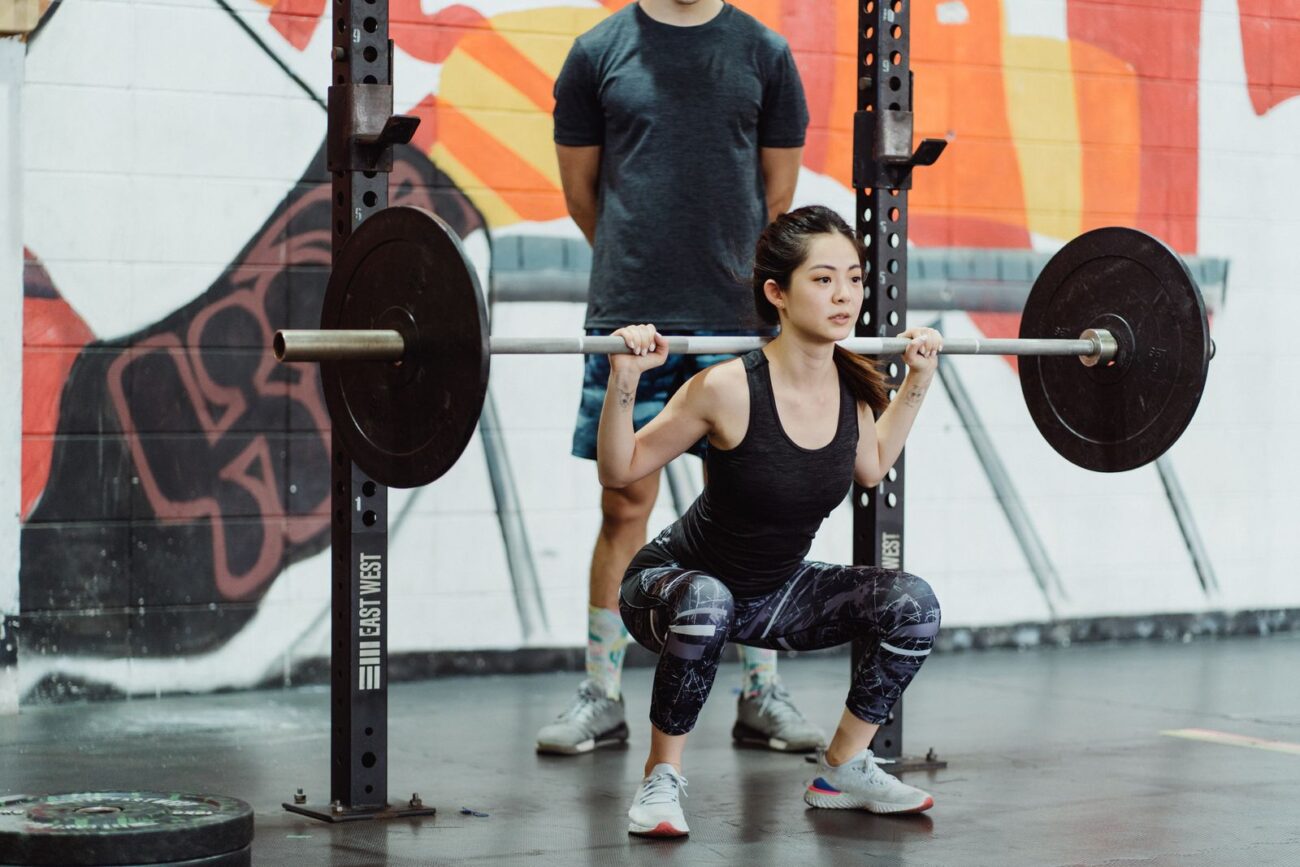
To perform a proper squat: stand with your feet about shoulder-width apart, toes pointed slightly out (around 15 to 30 degrees) for better knee tracking. Brace your core and keep your chest up to hold a strong spine.
Push your hips back as if sitting into a chair, letting your knees track outward in line with your toes. Lower until your thighs are at least parallel to the floor, or deeper if your mobility allows, then drive through your heels to stand. Once you have the basic squat down, variations like front squats or box squats are worth adding to hit the lower body and core differently.

Deadlifts: The Posterior-Chain Powerhouse
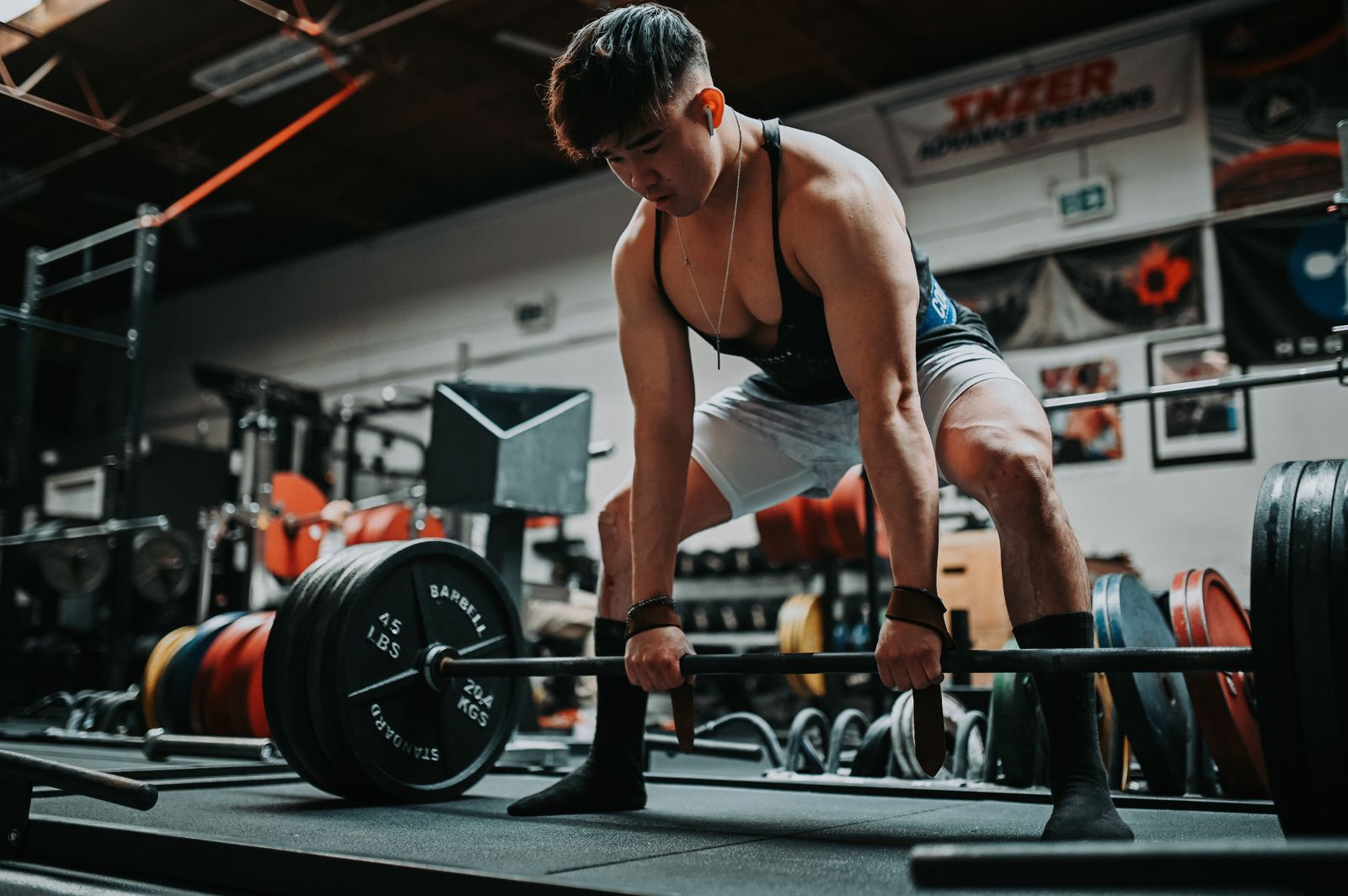
The deadlift is one of the best total-body strength builders there is, working the hamstrings, glutes, lower back, traps, core, and even your grip. For a natural lifter, it is a cornerstone, partly because it mirrors a real-world movement: picking something heavy up off the floor.
Its biggest strength is developing the posterior chain, the muscles down the back of your body. Strengthening them improves posture, supports your spine, and helps prevent common injuries. Because the lift recruits so much muscle at once, it also burns plenty of energy and drives muscle growth, which supports a leaner, stronger build over time.
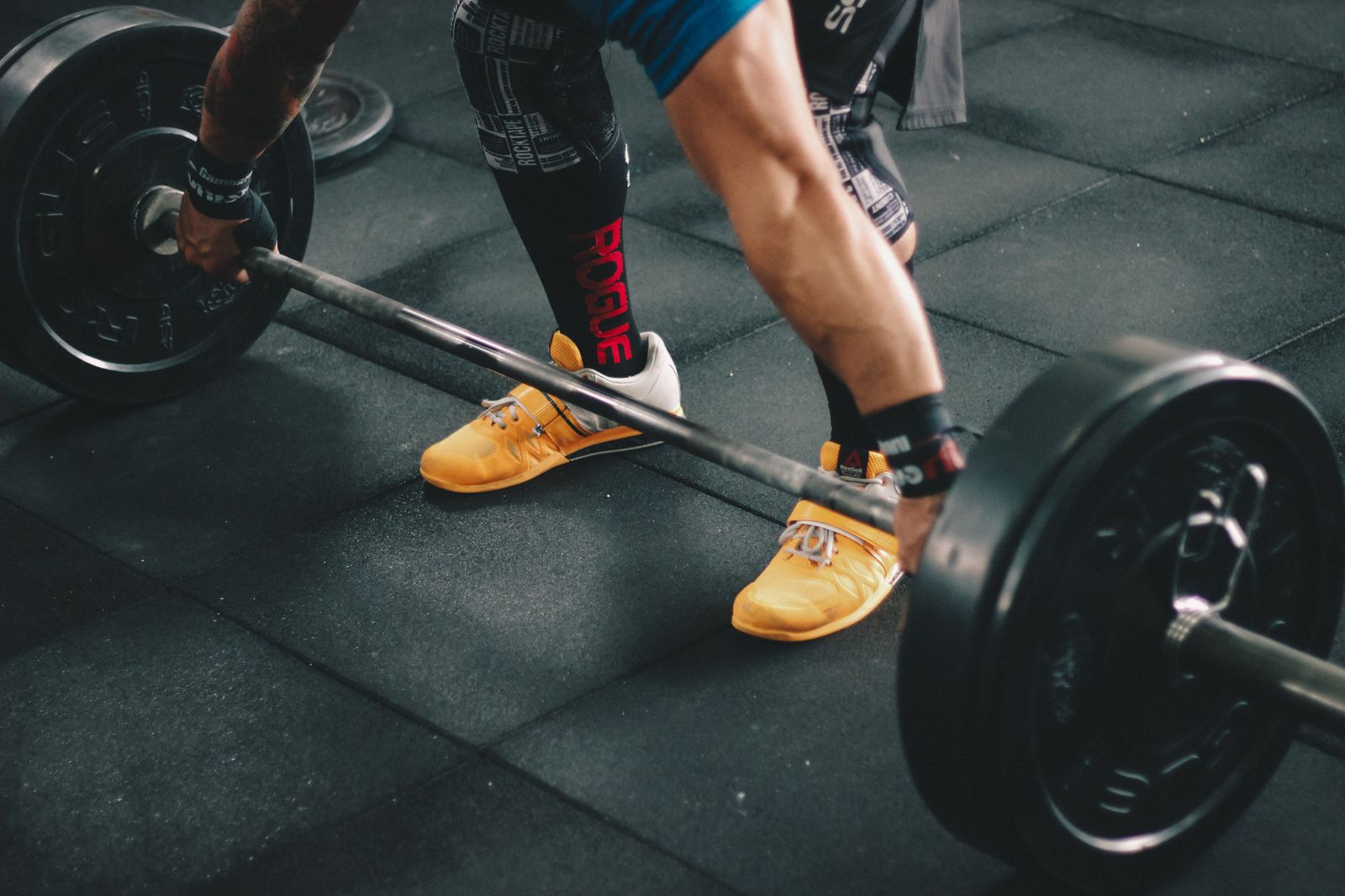
To perform a proper deadlift: set your feet hip-width apart with the bar over your midfoot, toes forward or slightly out. Hinge at the hips and bend the knees to grip the bar, hands just outside your legs, keeping your back flat and chest tall, using an overhand or mixed grip.
Drive through your heels and extend your hips and knees together to stand the weight up, keeping the bar close to your body and your lower back from rounding. To lower it, push your hips back first, then bend the knees, keeping a neutral spine the whole way.
A word of caution: the deadlift loads the lower back heavily, and poor form is where people get hurt. Start light, master the movement, and add weight gradually. This is the lift where ego-lifting causes the most damage, so be patient with it.

Bench Press: Building Upper-Body Strength
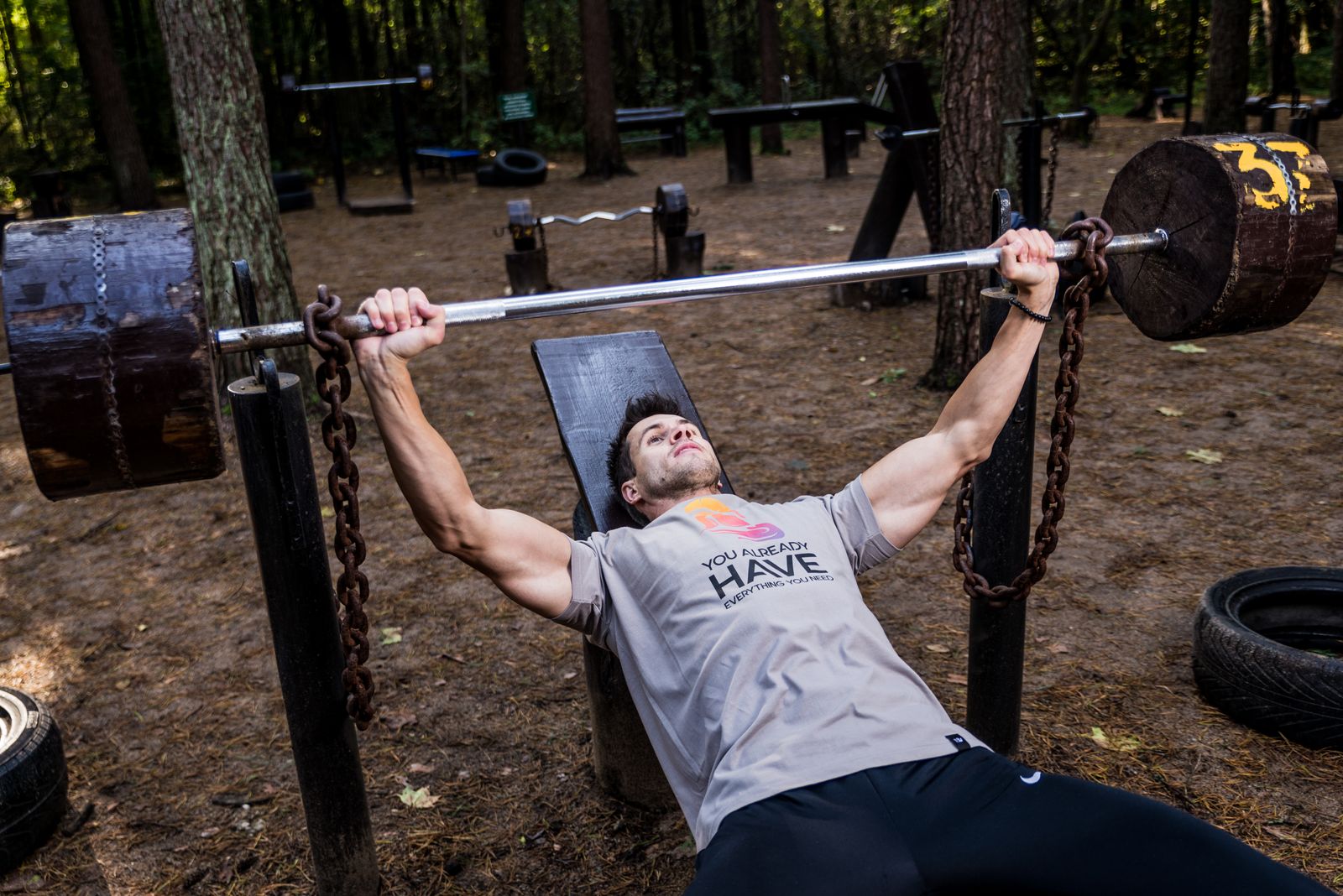
The bench press is the classic upper-body lift, working the chest, shoulders, and triceps. It is one of the most effective movements for building pushing strength and upper-body size. Over the years, focusing on the bench has clearly improved my pushing strength, both in the gym and in athletic movement.
It also trains core stability, since holding good position and keeping the bar moving in a straight line takes real bracing. Building your bench over time pays off across your whole upper body.
To bench properly: lie flat with your feet planted firmly and a slight (not exaggerated) arch in your back, shoulder blades pulled together for a stable base.
Grip the bar slightly wider than shoulder-width with straight wrists, and lower it to your chest under control, elbows at roughly 45 degrees to your body. Press the bar back up, extending your arms fully without harshly locking out, pushing evenly through both hands. Breathe in as you lower, out as you press up.

Conclusion
Squats, deadlifts, and bench presses are the foundation of any serious strength program. They build muscle and strength, but they also improve stability, mobility, and the way your body performs day to day. Whether your goal is raw strength, a better physique, or simply being more capable, these three belong at the centre of your training.
The lessons that matter most, from my own decade of training: master the form before the weight, progress gradually, and stay consistent. Do that with these three lifts and the results take care of themselves.
Big Three FAQs
Are squats, deadlifts, and bench press enough on their own?
They are the foundation, and for building real strength and muscle they cover an enormous amount. Most people will get a long way with these three plus some accessory work for areas they want to bring up. They are where I would put the bulk of anyone’s effort.
How often should I train these lifts?
It depends on your schedule and recovery, but training them across two or so focused sessions a week works well. I personally do a heavier day and a more technique-focused day, and go properly heavy powerlifter-style around twice a month. Recovery matters as much as the work.
Which is the most important of the three?
They cover different ground, squat and deadlift for the lower body and posterior chain, bench for upper-body pushing, so the real answer is that they work best together. If I had to pick the single most valuable for total-body strength, the deadlift is hard to beat, but I would not drop any of them.
Can beginners do the big three?
Yes, with light weight and a focus on form first. These are not advanced-only lifts, they are fundamentals. The key for a beginner is to learn the movement properly with manageable weight before adding load, rather than jumping straight into heavy attempts.
How do I avoid getting injured on these lifts?
Master the technique before chasing weight, progress gradually, and do not let your form break down to move a heavier number. As a natural lifter, that last point is the one I had to learn myself: ego-lifting is where injuries come from, especially on the deadlift. Patient, clean progression beats it every time.
Do I need a gym for these?
Realistically, to load them properly over time, yes, a barbell and the ability to add weight matter for squats, deadlifts, and bench. You can build a foundation at home with bodyweight and minimal equipment, but these three are where a gym truly earns its place.
