


This guide was written and reviewed by Serge, MSc . As a martial artist and natural lifter with over 10 years of training experience, what I share comes from my own training and from digging into the research behind it.
Affiliate disclosure: This site has affiliate links, including Amazon. As an Amazon Associate I earn from qualifying purchases, at no extra cost to you.
Early in my training, I followed the eating advice that was everywhere online: eat big, pile on the carbs, “you have to eat to grow.” So I did. I ate a lot, especially carbs, trusting the people who looked the part.
It made me fat.
Not the look I wanted at all. I was gaining weight and getting stronger, sure, but I was carrying a layer I didn’t ask for, and my training felt almost too easy, which I later understood was a sign I was just heavier, not better. I kept waiting for the lean, strong physique the advice promised. It never showed up.
It took me a while to work out why. And once I did, a lot of things made sense.
The Advice Was Built for Enhanced Bodies, Not Mine
Here’s what I eventually realized: a lot of the people giving that “eat huge” advice online were enhanced. They were on steroids or other performance-enhancing drugs. And that changes everything about how their bodies handle food.
PEDs help them burn through calories, recover faster, and put far more of that food toward muscle instead of fat. So when an enhanced lifter says “eat big and you’ll grow,” it’s true for them, their body can actually use it.
For a natural lifter, it doesn’t work the same way. We don’t have that chemical help burning through and partitioning all those calories. So when a natural follows the same “eat big” approach, a lot of that excess just becomes fat. That’s exactly what happened to me. I was following advice that was never designed for a body like mine.
This is one of the biggest traps for natural lifters, and most people never see it. You copy the eating (and often the training volume) of people whose bodies work completely differently, then wonder why you’re not getting their results. The advice isn’t always wrong. It’s just not built for you.
What Worked for Me
Once I understood that, I changed my approach, and that’s when things finally started moving in the right direction. This is what worked for me as a natural, and if you’re training naturally too, I think it’ll serve you far better than the enhanced-built advice that’s everywhere.
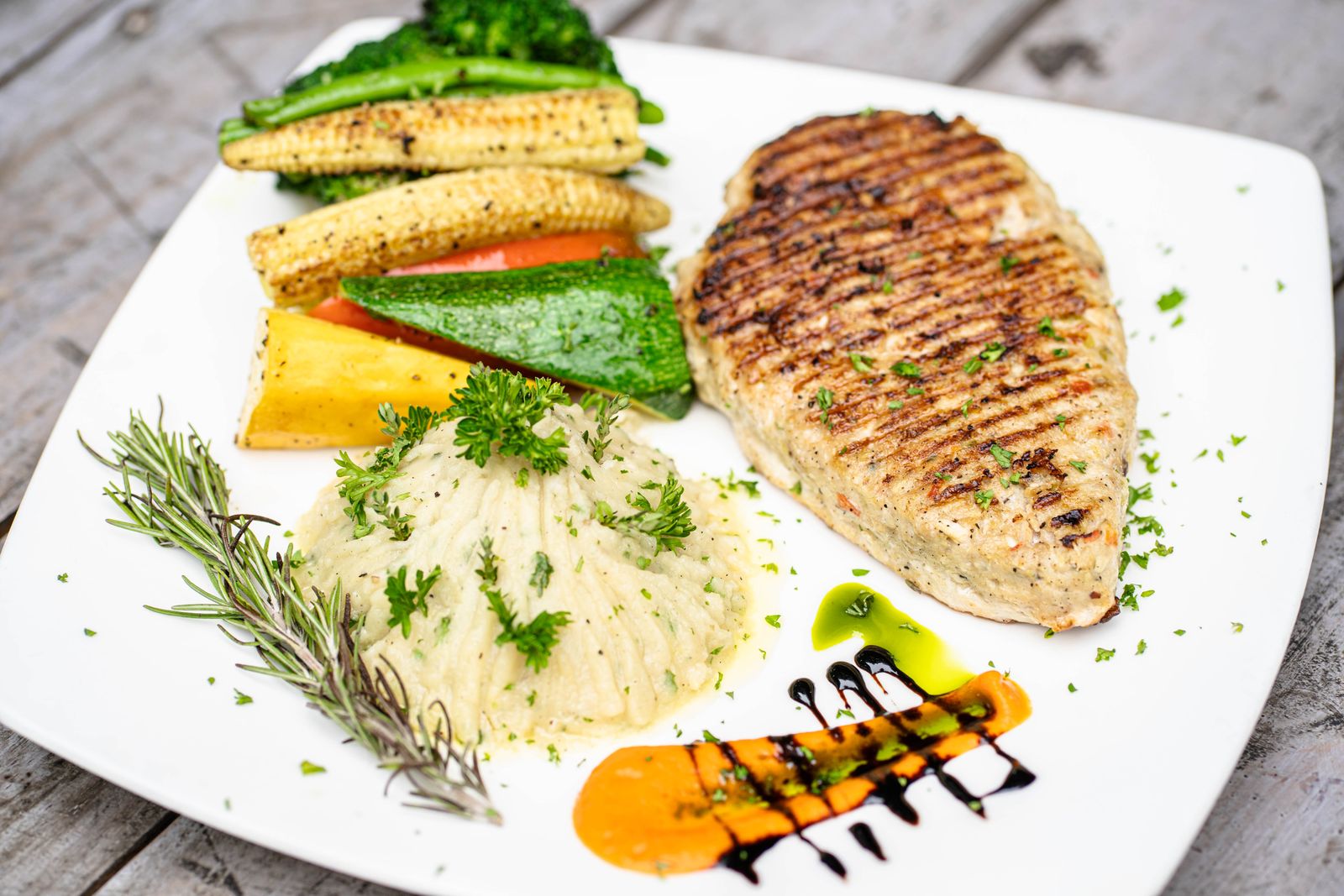
I moderated the carbs.
Instead of shoveling them in every day, I brought them down to a sensible level. I didn’t cut them out, that’s the opposite mistake, just stopped eating like someone whose body could use far more than mine could.
I prioritised protein.
I built meals around protein instead of around mountains of carbs. That supported my muscle without the constant fat gain.
I added cardio two to three times a week.
This was a big one. Adding regular cardio, just two or three sessions a week, was the point where I genuinely started seeing the changes I’d been chasing. It tipped the balance toward leaning out while keeping my strength.
That combination, moderate carbs, more protein, regular cardio, did more for my physique than any amount of “eat big” ever did.
It’s About Balance, Not Restriction
I want to be clear about something, because it matters. The answer to “eating too much” is not “eating as little as possible.” Swapping one extreme for another doesn’t work either. The whole thing is about balance, not restriction.
Restriction fails for the same reason over-eating failed: it’s not sustainable, and it’s not how a body works best long term. You don’t need to cut out foods you enjoy or punish yourself. You need to find the middle, enough to fuel your training and recover, not so much that you’re just storing fat.

If You Slip, Just Rebalance
Part of balance is not treating a slip like a disaster. If you have a cheat meal or a heavier day than planned, you don’t need guilt or a punishing crash afterward. Just catch it up somewhere else, a bit more activity, a lighter day, a session of cardio. No drama.
That flexible attitude is part of what makes this sustainable. The people who succeed long term aren’t perfect. They just rebalance after a slip instead of spiraling or quitting. One bigger meal never undid anyone’s progress. Reacting to it with guilt and an extreme correction is what causes the damage.
Time Your Carbs to When You Need Them
One more thing I learned along the way: carbs are more valuable on your hard training days. On a heavy day, leg day especially, carbs actually serve a purpose. They fuel the work and help you recover from it. That’s when your body can genuinely use them.
On lighter or rest days, you simply don’t need as many. So rather than eating the same big load of carbs every single day regardless, I started leaning my carbs toward the days I trained heavy. Same food, smarter timing. It’s a small shift that fits the “balance, not blanket rules” idea perfectly.
What I’d Tell Any Natural Lifter
If you’re training naturally and following advice that has you eating huge and still not getting the look you want, step back and ask who that advice was built for. A lot of it comes from people whose bodies handle food completely differently than yours.
For us, the approach that works is calmer and more balanced: moderate your carbs, prioritise protein, add some regular cardio, time your carbs toward your hard days, and stay flexible when you slip. It’s not dramatic. It won’t make a viral video. But it’s what actually got me the results that “eat big” never did.
This worked for me as a natural, and I’m confident it’ll serve you better too. Be patient with it, judge your progress by more than the scale, and give it time. The balanced way is slower, but it’s the one that lasts.
