



This guide was written and reviewed by Serge, MSc . As a martial artist and natural lifter with over 10 years of training experience, what I share comes from my own training and from digging into the research behind it.
Affiliate disclosure: This site has affiliate links, including Amazon. As an Amazon Associate I earn from qualifying purchases, at no extra cost to you.
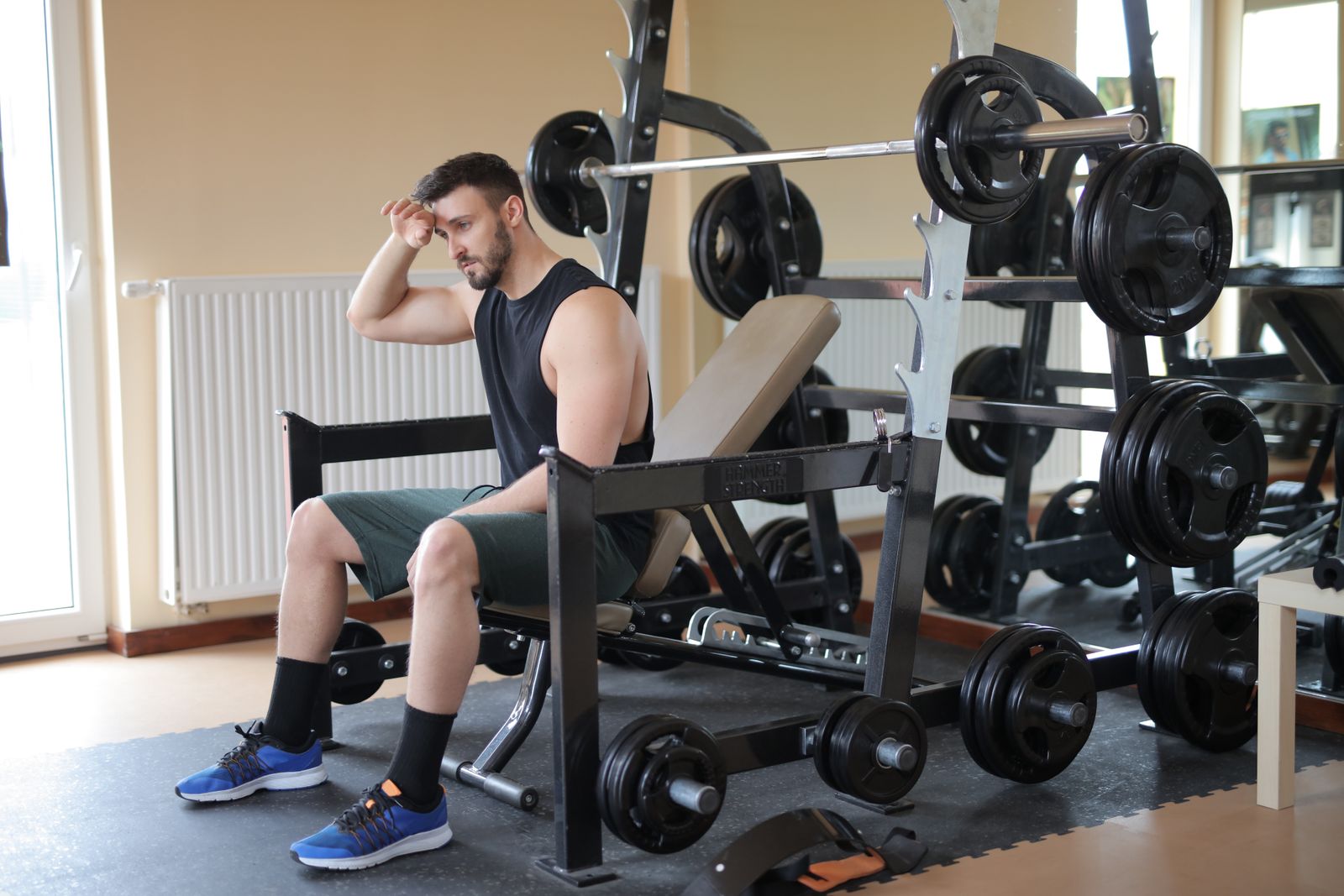
When I was a student, life was a bit simpler. I had the freedom to work out whenever I wanted. The gym was accessible at different times, and I didn’t have to worry much about squeezing workouts between classes, work, and everything else.
Training early in the morning wasn’t necessary back then, because my days were flexible. But as life got busier, between school, part-time jobs, and other commitments, mornings became the most realistic time to train. That often meant waking at 4 or 5am and hitting the gym on an empty stomach.
People often say fasted workouts promote faster fat loss and that training early maximises fat burning. So I gave it a real go, and kept track of how it affected my performance and energy. Here’s what I learned.
How Fasted Training Affected My Strength
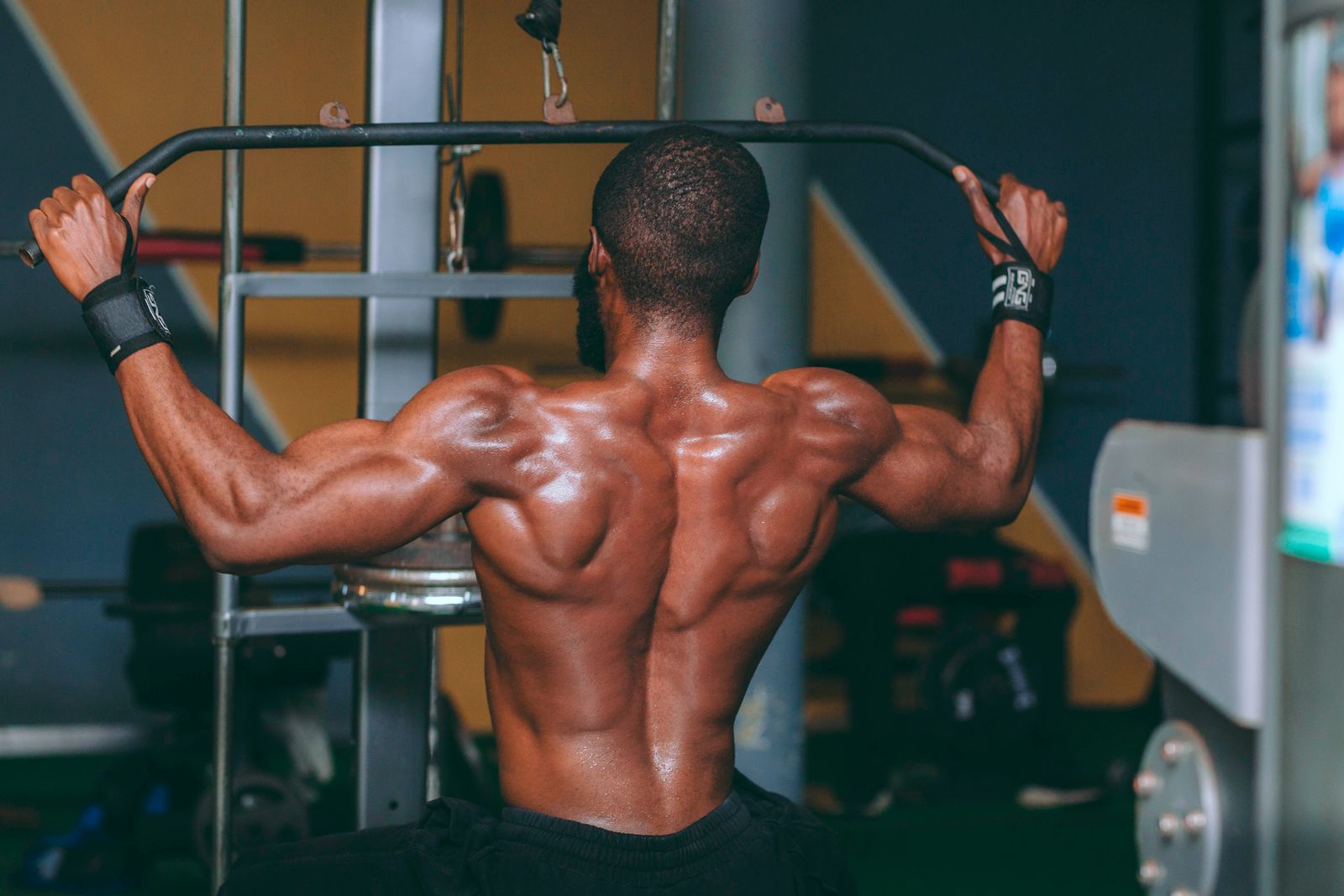
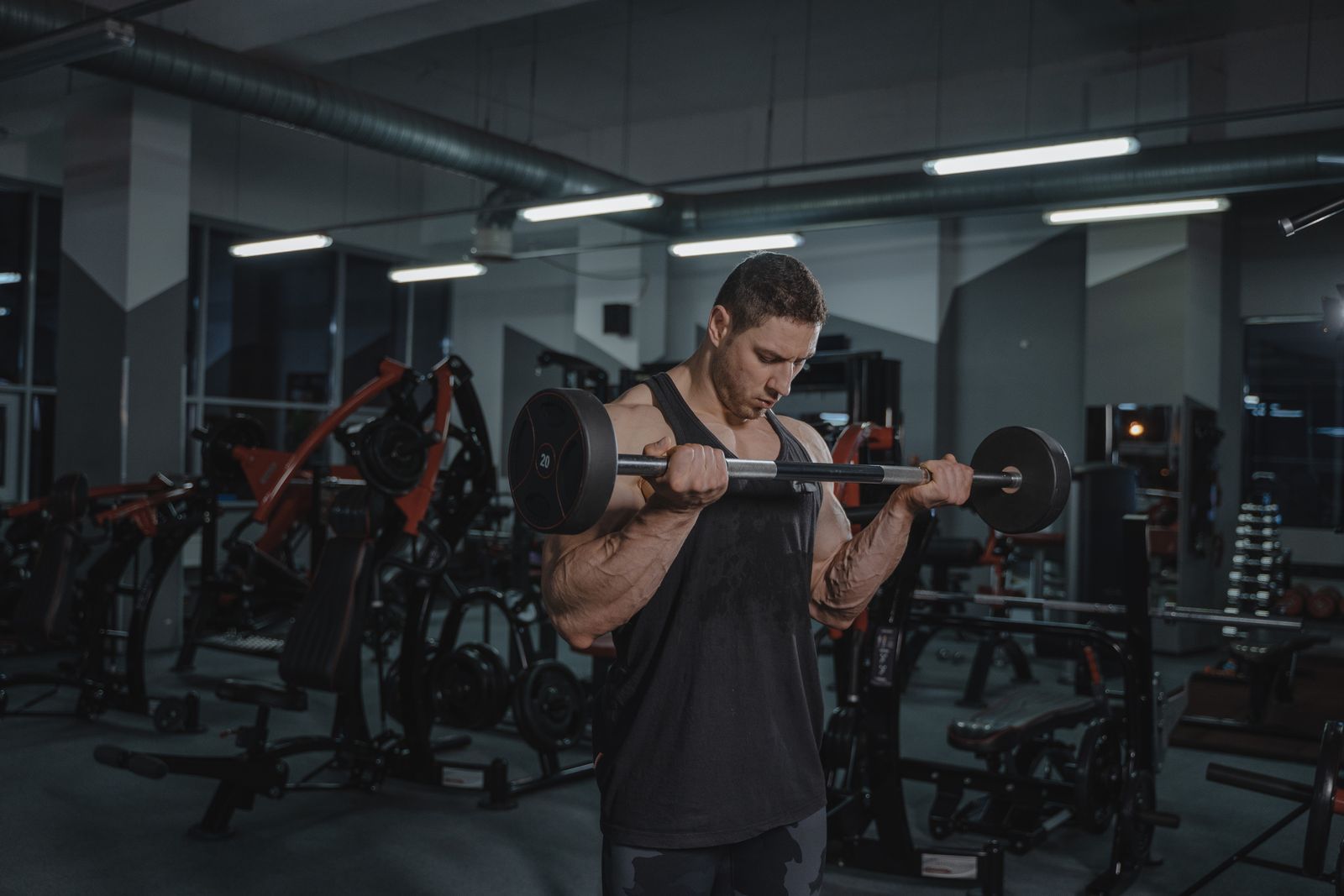
I quickly noticed a clear split between my upper body and lower body when training fasted. Upper body work like bench presses, rows, and overhead presses didn’t suffer much. I could still lift decent weights and hold my usual intensity. It felt like my body could rely on stored energy to get through those sessions.
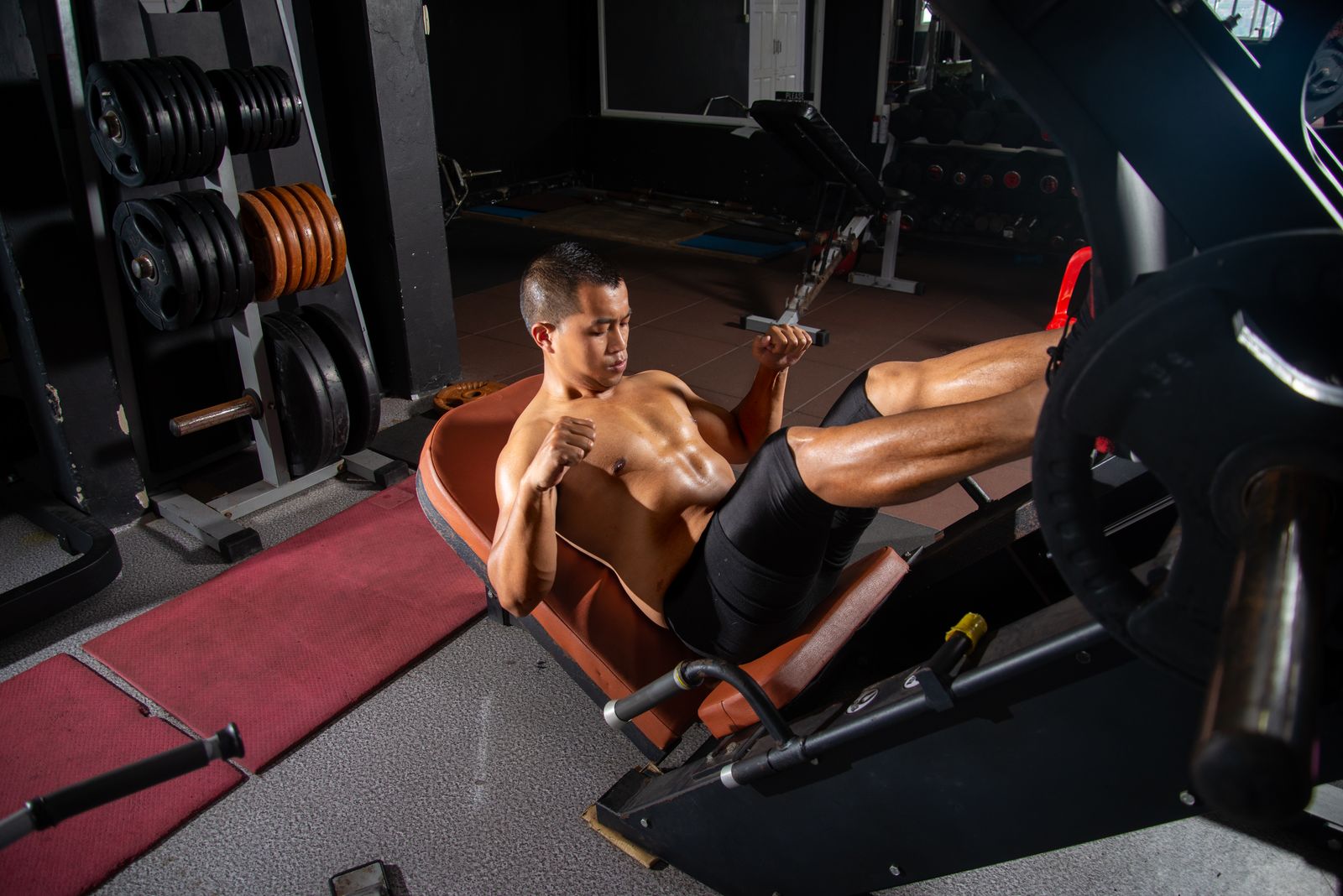
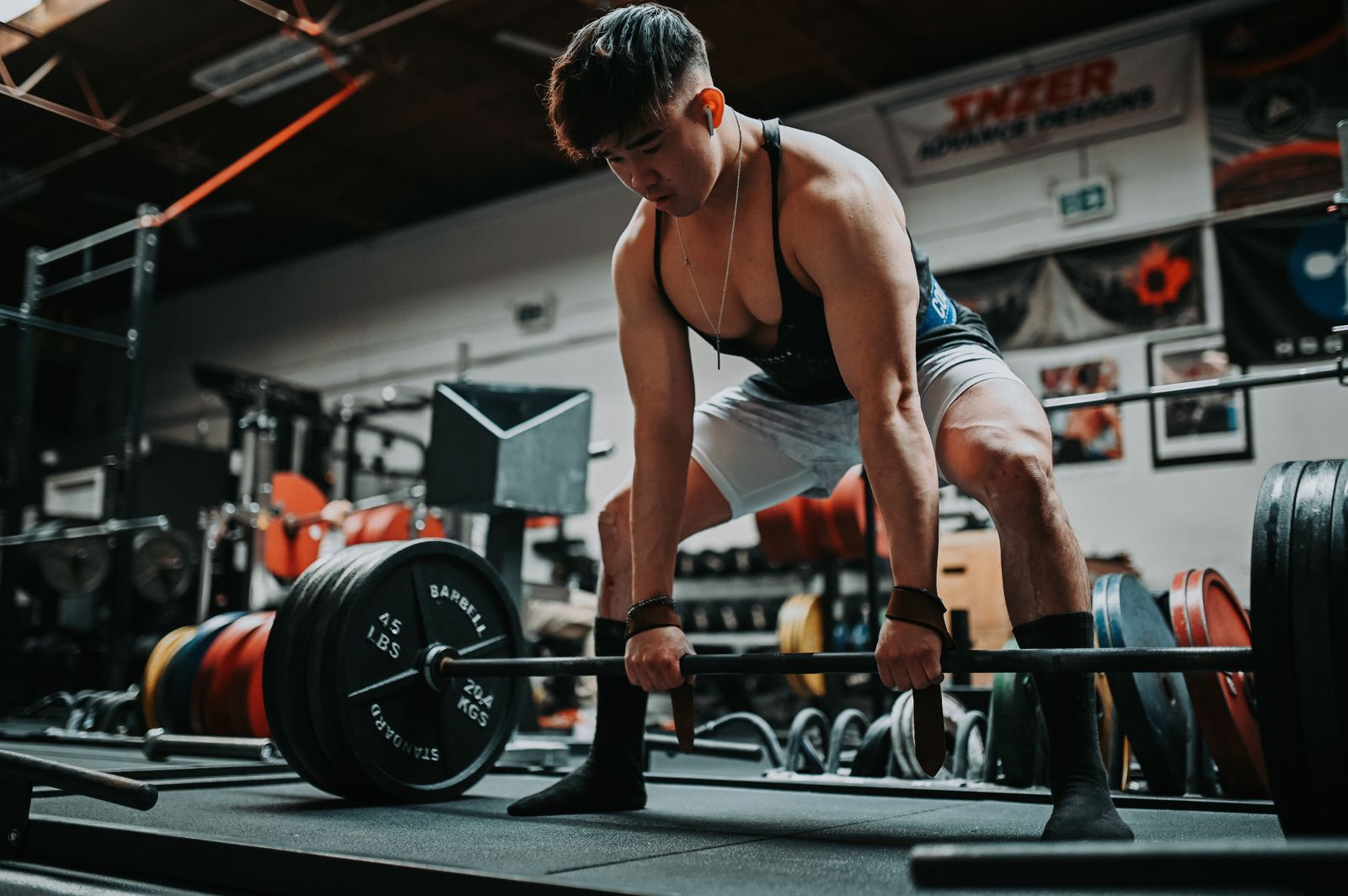
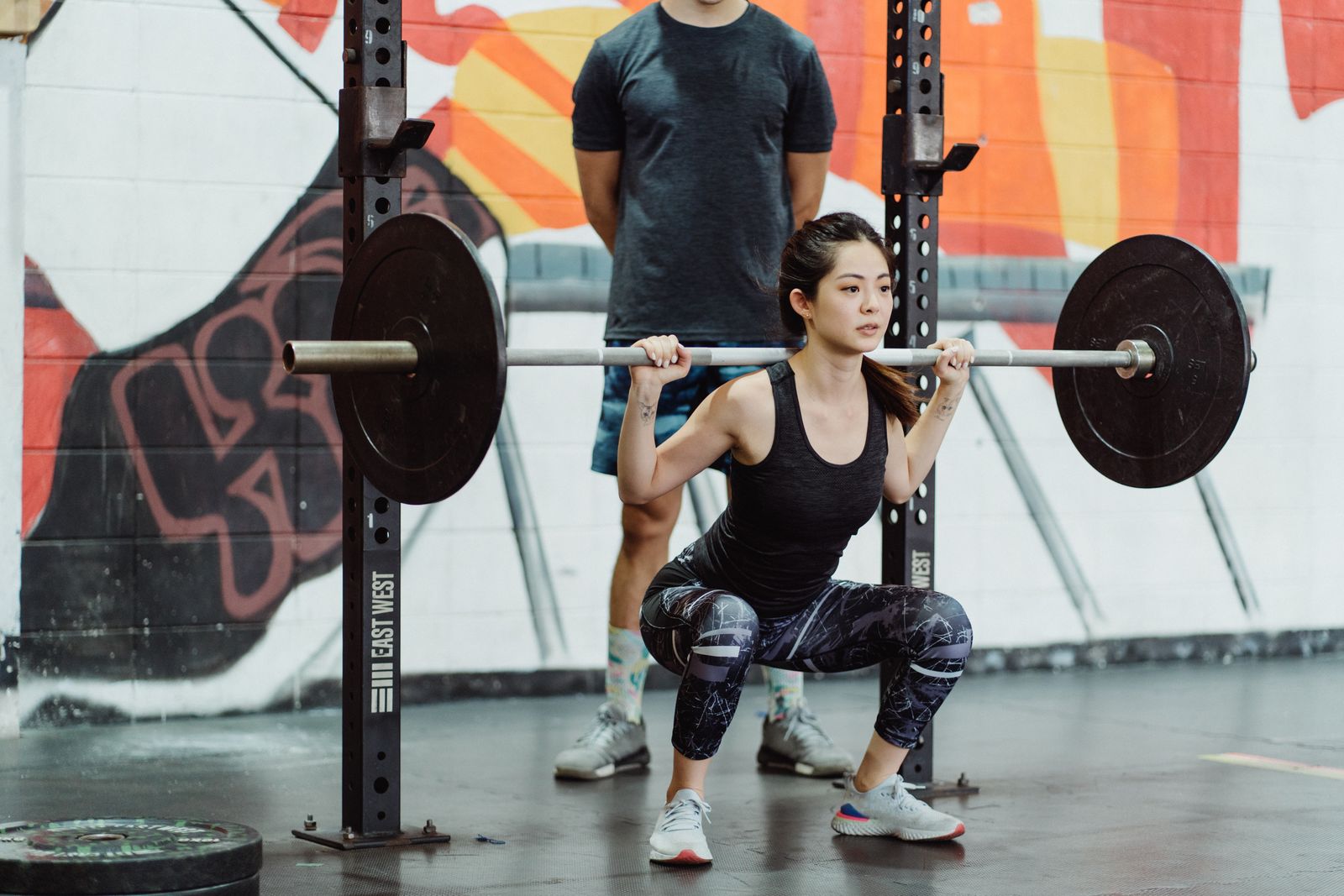
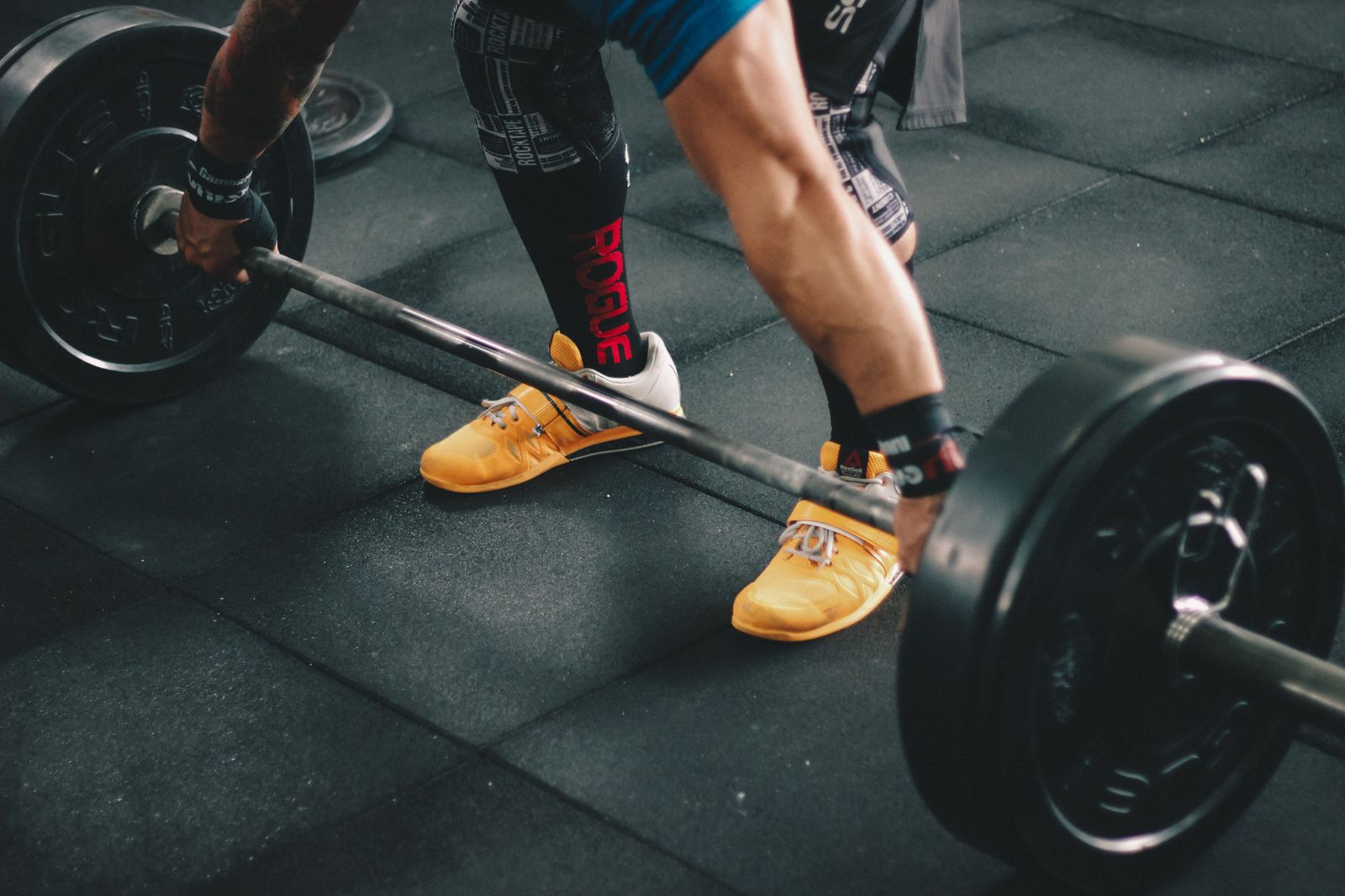
Legs were a completely different story. Squats, deadlifts, and lunges demand a lot of energy and power, and without fuelling up first, I felt weaker and fatigued much faster. My endurance dropped, and I couldn’t push the weights as high as when I’d eaten beforehand.
That made it harder to perform at my best, and over time it affected how much muscle I could build. The lesson for me was clear: legs need more energy and carbohydrate availability to work well.
Can Fasted Training Help You Get Lean?
There’s no denying you tend to look leaner right after a fasted morning workout. That’s because your body is slightly dehydrated after sleep, and training without food can temporarily reduce water retention. The muscles look more defined and your physique can appear sharper straight after.
But that effect is temporary and a bit misleading. Real fat loss comes from long-term calorie management combined with consistent training. Whether you train fed or fasted, fat loss depends mostly on your overall diet and energy balance over time. Fasted training isn’t a magic fat-burning switch. It can be one part of a broader approach, nothing more.
The Drawbacks of Training Early and Fasted
Fitting workouts into early mornings solved my scheduling problem, but it came with downsides that often get overlooked.
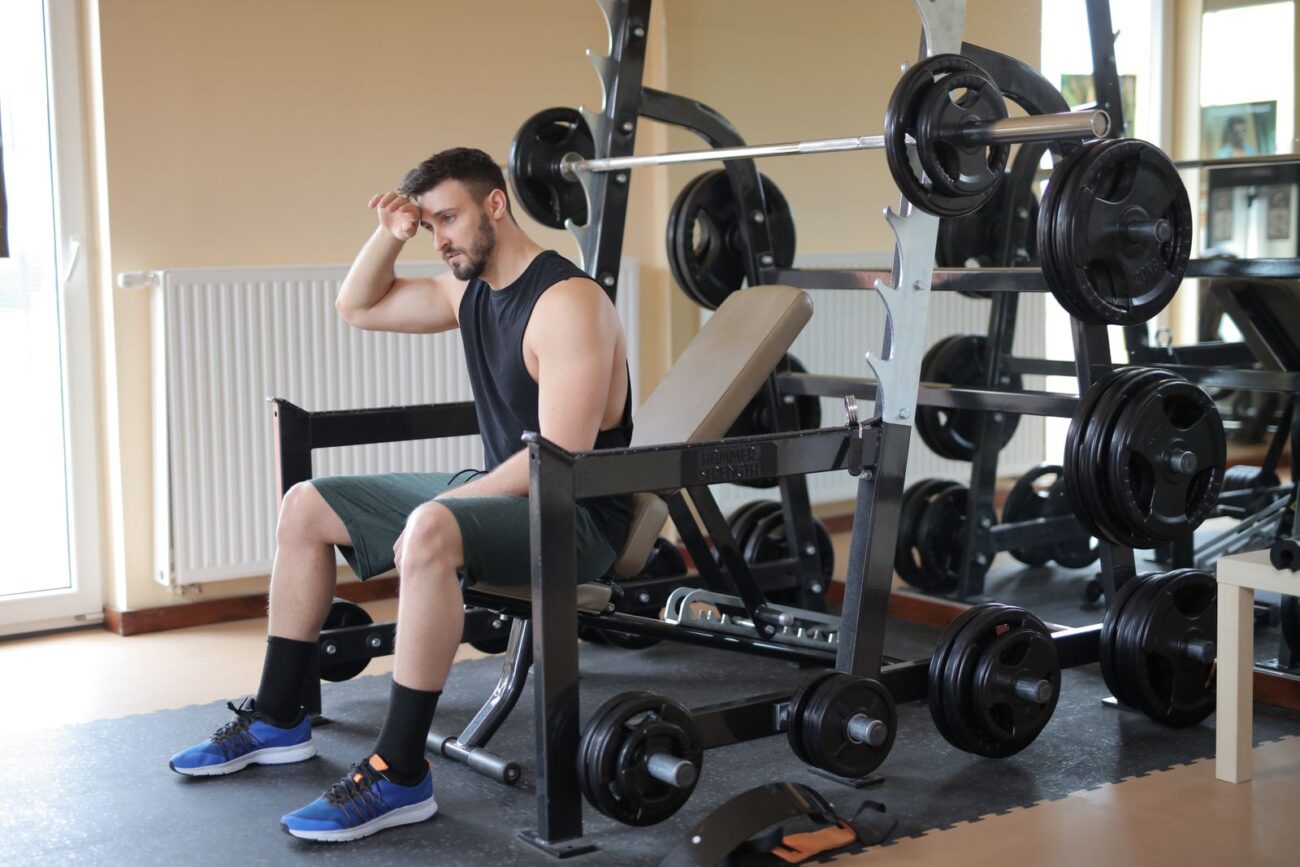
More fatigue through the day. Getting up at 4 or 5am to train often meant cutting my sleep short. That early start plus a workout with no food left me drained by midday. My concentration suffered and I felt more stressed at school or work. The tiredness built up fast and affected more than just my training.
Earlier bedtimes and social impact. Because I was tired earlier, I’d go to bed sooner. Sleep is essential for recovery, but that shift can eat into your social life, hobbies, or evening plans. If your schedule changes a lot or you prefer staying up later, it can cause friction.
Higher injury risk. Training without enough fuel can lower your coordination, focus, and strength, especially on demanding lifts. I noticed this raised the risk of injury on complex movements like heavy squats or deadlifts. For someone less experienced, that risk can be significant.
Limited muscle growth. Building muscle means lifting hard and progressively overloading. I found it tough to hit the same intensity on fasted mornings, particularly for legs. Without enough energy, pushing your limits gets harder, which can slow gains or cost you strength over time.
What Actually Helped Me
After some trial and error, I made a few adjustments that improved things while still fitting my busy schedule.
A small snack before training.
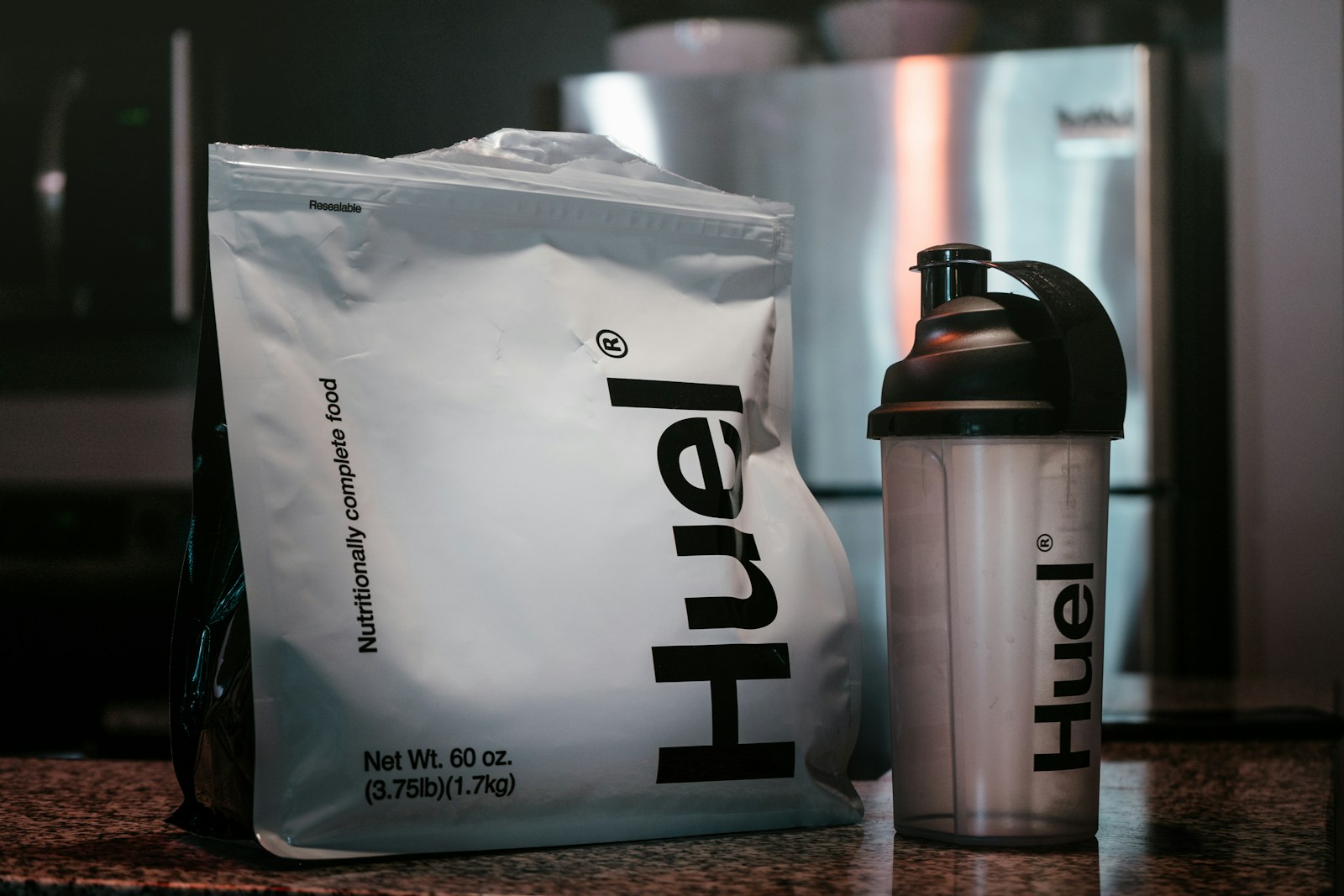
A light bit of carbs and protein before early workouts made a real difference, especially on leg days. A banana with peanut butter or a quick protein shake gave me enough to feel energised and perform better.
Shifting some sessions later.
When I could, I moved certain workouts to later in the day, when I’d eaten properly and felt stronger. That let me lift heavier and recover better.
Prioritising sleep.
I realised how much rest mattered and focused on consistent, quality sleep. No workout makes up for poor recovery, which also raises injury risk.
Listening to my body.
Instead of forcing fasted training every time, I paid attention to how I felt. On days I was weak or tired, I’d eat first or move the session later.
Common Misconceptions About Fasted Workouts
A lot of people think training on an empty stomach is the best way to torch fat. While fasted training can slightly raise fat burning during the session itself, the overall effect on body fat is minor compared to total calorie intake and consistency.
Some believe fasted cardio is necessary to get lean. But fat loss comes from a sustained calorie deficit over weeks and months, not from what time you train or whether you ate first.
Others think fasted training preserves muscle while losing fat. Muscle preservation depends far more on enough protein, resistance training, and not running an extreme deficit, than on whether you trained fed or fasted.
Safety and Experience Matter
If you’re new to training, fasted workouts may not be the safest choice. The drop in energy can hurt your form and focus and raise injury risk. For beginners, or anyone lifting heavy, eating beforehand is often the better call for both performance and safety.
More experienced lifters may tolerate fasted sessions better, but even then it’s worth watching how your body responds and not pushing too hard without fuel.
Summary
After more than a decade of natural lifting, I wanted to share this so others don’t repeat the same mistakes I made. Fasted workouts aren’t inherently good or bad. Their value depends on how you use them and your own situation.
For me, training fasted was fine for some upper body sessions but less effective and riskier for legs. The tiredness that followed early fasted workouts hurt my productivity and wellbeing through the day. A light snack before training, and managing my workout timing, made a big difference in how I performed and felt.
The real key to getting lean comes down to consistent effort, a sensible diet, and listening to your body, not simply training without food. Use fasted training as a tool when it suits you, but don’t lean on it as a shortcut to fat loss.
