





This guide was written and reviewed by Serge, MSc . As a martial artist and natural lifter with over 10 years of training experience, what I share comes from my own training and from digging into the research behind it.
Affiliate disclosure: This site has affiliate links, including Amazon. As an Amazon Associate I earn from qualifying purchases, at no extra cost to you.
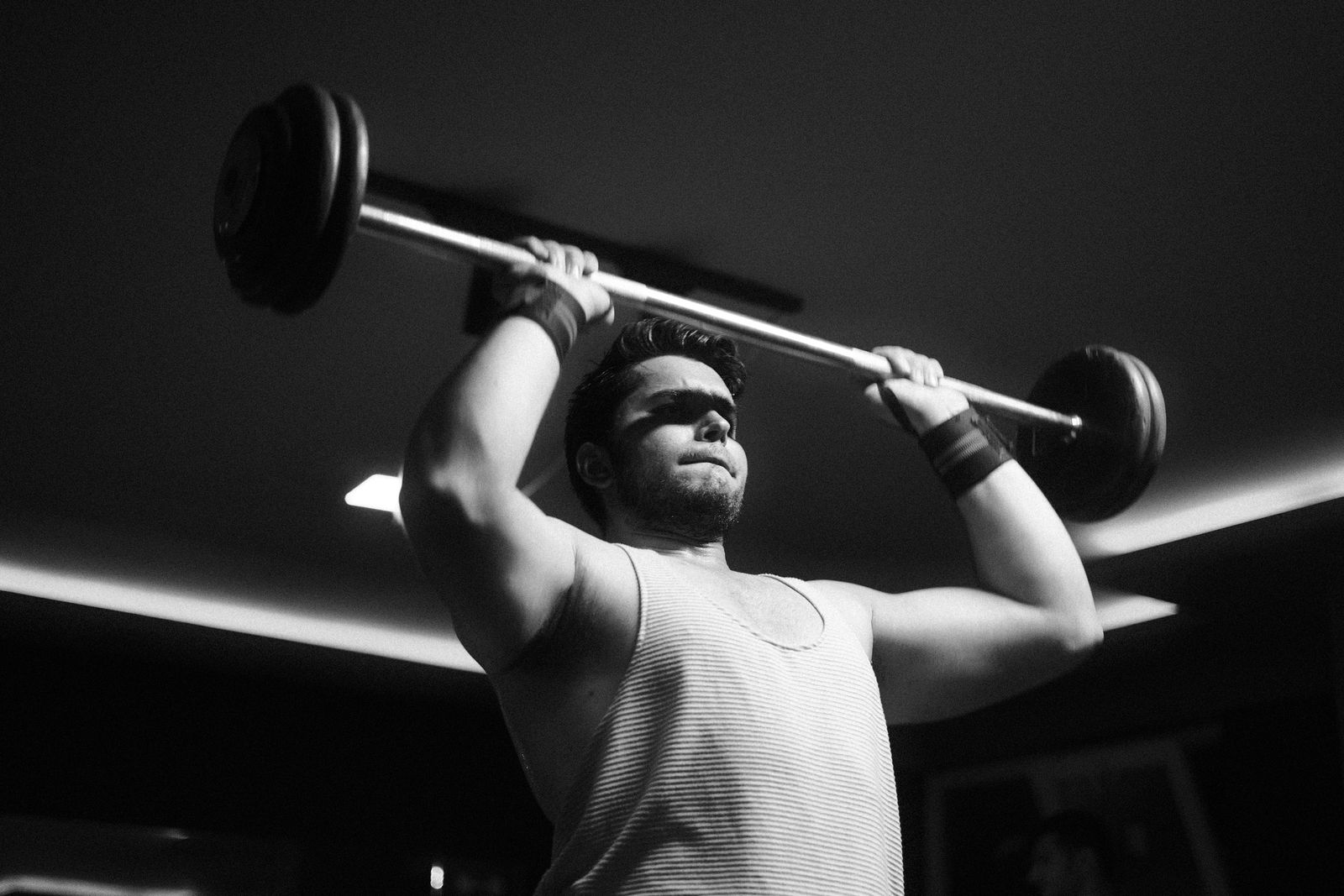
After more than 10 years of lifting naturally, I’ve made plenty of progress, but I’ve also made a lot of mistakes, especially in the beginning. In my first year I misunderstood how training, recovery, and nutrition worked. I pushed too hard, focused on the wrong things, and followed bad advice.
If you’re starting out, here are 10 mistakes I made that I hope you can avoid.
1. Training Too Much, Too Often
I trained every single day, sometimes twice a day, thinking more would mean faster results. The truth is muscle grows during rest, not just during the workout.
Training that often without proper recovery left me constantly sore, fatigued, and eventually stuck. A balanced program of 3 to 5 quality sessions a week would have delivered far better results.
2. Piling On Reps and Volume With No Structure
I thought high reps and lots of volume would build muscle and burn fat at the same time. I’d do 15 to 20 reps for 5 or 6 sets of everything, with no thought for intensity or purpose.
It didn’t lead to better gains, just fatigue and wasted effort. I wasn’t training close to failure or applying progressive overload. A clearer structure with moderate reps, controlled effort, and proper tracking would have made a big difference. (I dug into this lesson properly in my post on training smarter, not harder.)
3. Believing It Was All About Eating More
I followed the classic “eat big to get big” advice and massively increased my food, especially carbs. I assumed more food meant more muscle, but I just gained a lot of unnecessary fat and felt bloated all the time.
Eating more can support muscle growth, but it has to be done with some thought: an emphasis on protein and nutrient-dense food, and a moderate surplus, not just piling on calories with no regard for body composition.
4. Lack of Exercise Variety
I repeated the same exercises every week, bench, curls, rows, squats, with almost no variation. I didn’t understand how different angles, equipment, and movement patterns hit muscles differently.
That lack of variety led to limited development and early plateaus. Over time I learned to add variation on purpose, using cables, machines, and different grips and ranges of motion to challenge the muscles more fully.
5. Poor Form
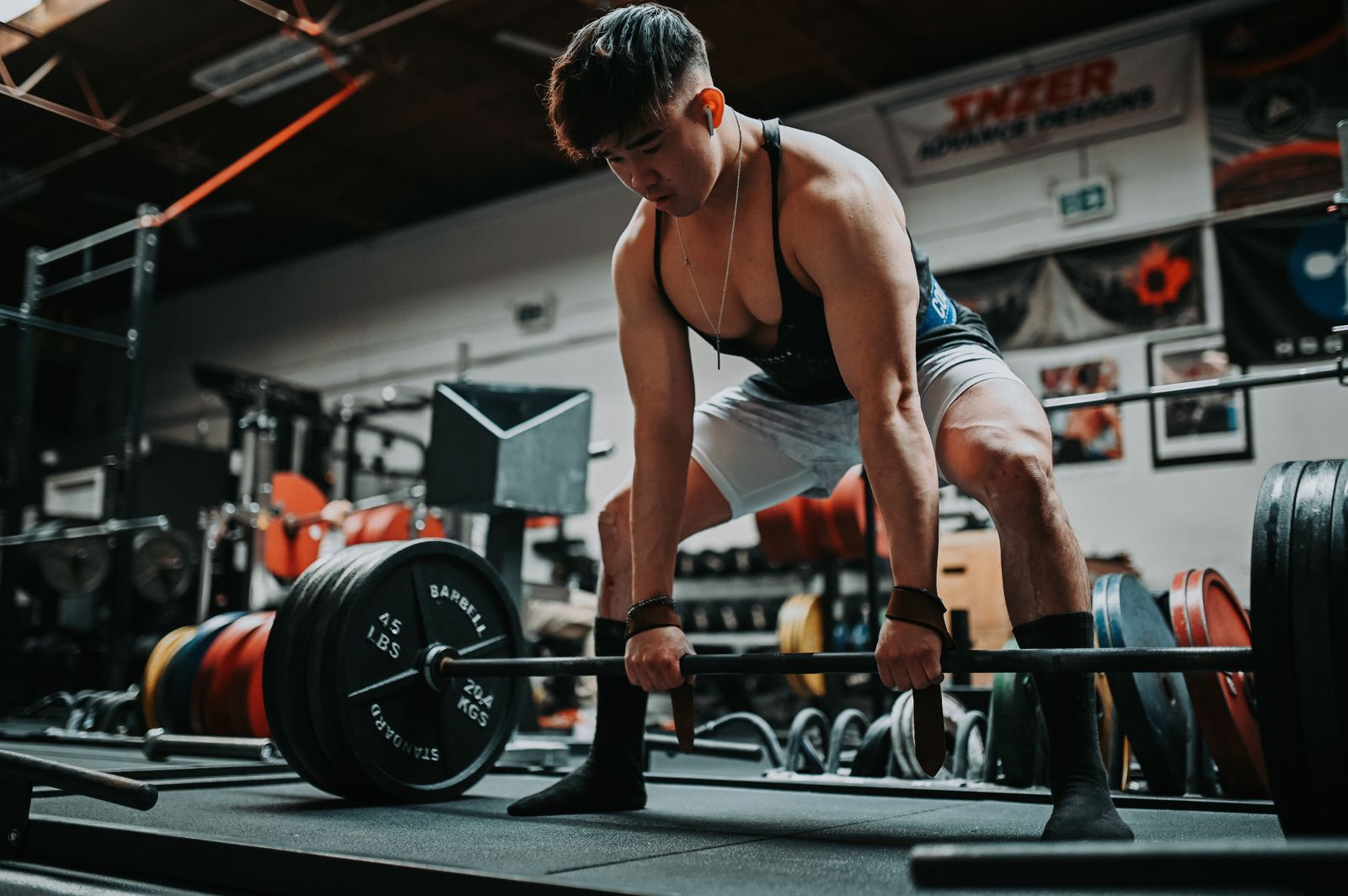
I didn’t focus on form. I used momentum, cut my range of motion short, and let my ego decide how much weight I used. I didn’t really know how to execute the lifts properly.
Cleaning up my technique later brought much better results. Controlled, full-range movement with good form produces more tension and safer, more consistent progress.
6. Ego Lifting
I added weight to the bar even when I wasn’t ready for it. My focus was on the number, not the quality of the lift, and that stalled my progress and raised my injury risk.
Getting stronger matters, but not at the cost of form. Real strength comes from moving weight correctly, not just moving more of it.
7. Too Much Cardio for Fat Loss
I assumed the more cardio I did, the leaner I’d get, so I stacked long cardio sessions on top of my lifting.
It hurt my recovery, and I still didn’t lose fat, because I wasn’t controlling my diet. Fat loss is driven mainly by nutrition, not endless cardio. These days I use moderate cardio to support conditioning and health, not as my main fat-loss tool. (I wrote more about this in my post on why you might not be losing weight.)
8. Only Doing Squats for Legs
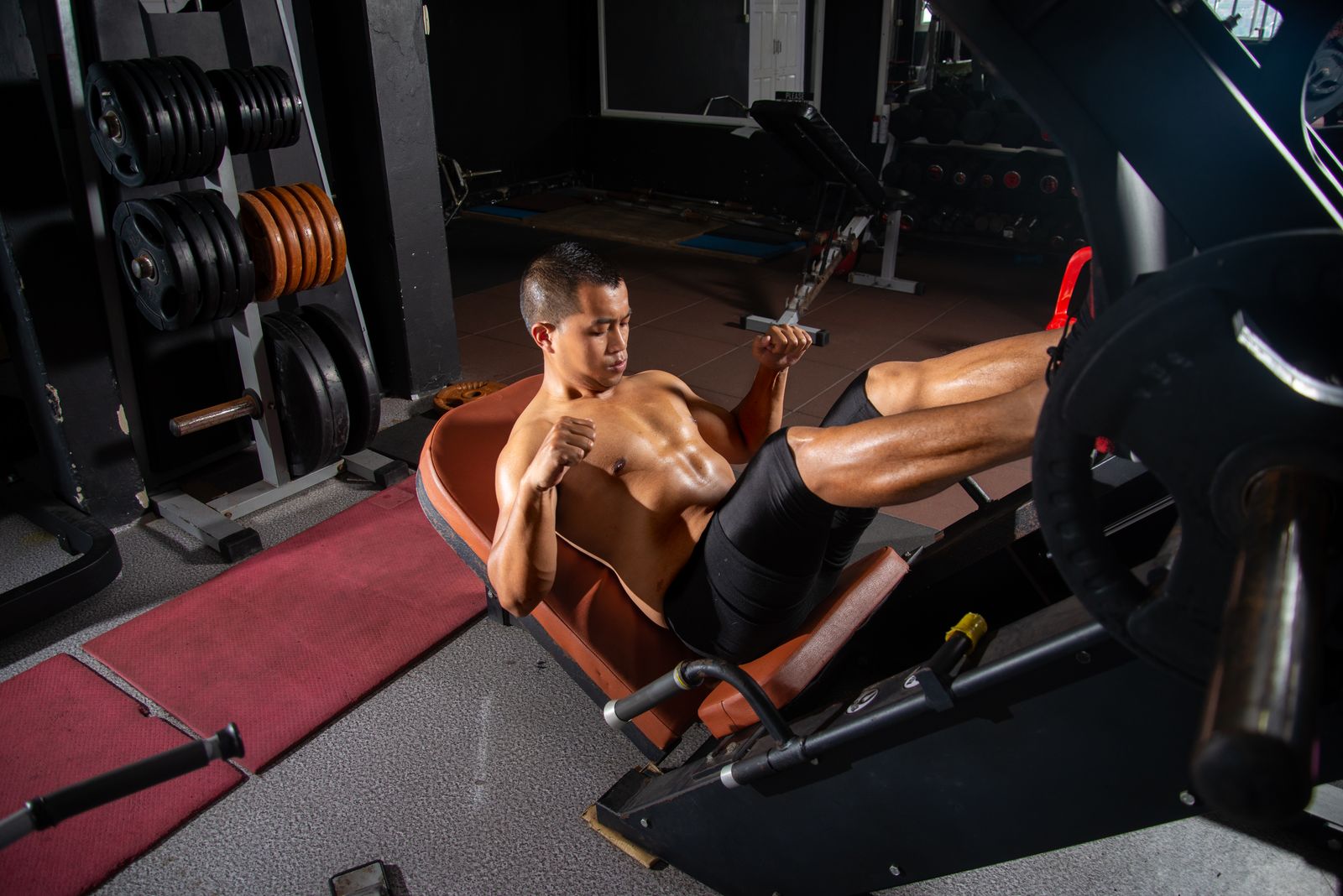
I believed squats were the only leg exercise I needed, and ignored lunges, Romanian deadlifts, leg presses, and isolation work.
The result was imbalanced leg development. Squats are valuable, but they don’t hit every muscle equally. A complete leg routine needs more than one movement pattern.
9. Avoiding Machines
I thought machines were inferior to free weights and avoided them completely, believing only barbell compounds built real muscle.
That was a mistake. Machines allow better isolation, safer training at higher intensity, and less stress on the joints. Using them alongside free weights leads to better overall development and fewer injuries.
10. Training Without a Program
I trained on feel, picking whatever exercises seemed good that day, with no real structure. No split, no plan, no tracking. So I never knew if I was improving or just spinning my wheels. My progress plateaued and I was constantly guessing.
It wasn’t until I followed a structured program, with clear progression and logged workouts, that I saw real change. A consistent plan, progressive overload, and tracking became the foundation of my progress.
Summary
Your first year of lifting sets the foundation for everything after it. I made nearly every mistake possible, from overtraining and poor nutrition to ignoring recovery and structure.
After 10+ years of natural lifting, I can say with confidence that progress comes from consistency, smart training, and avoiding these common pitfalls early. If you stay focused, learn from others’ experience, and commit to the basics, your results will come, without wasting years fixing avoidable mistakes.
