

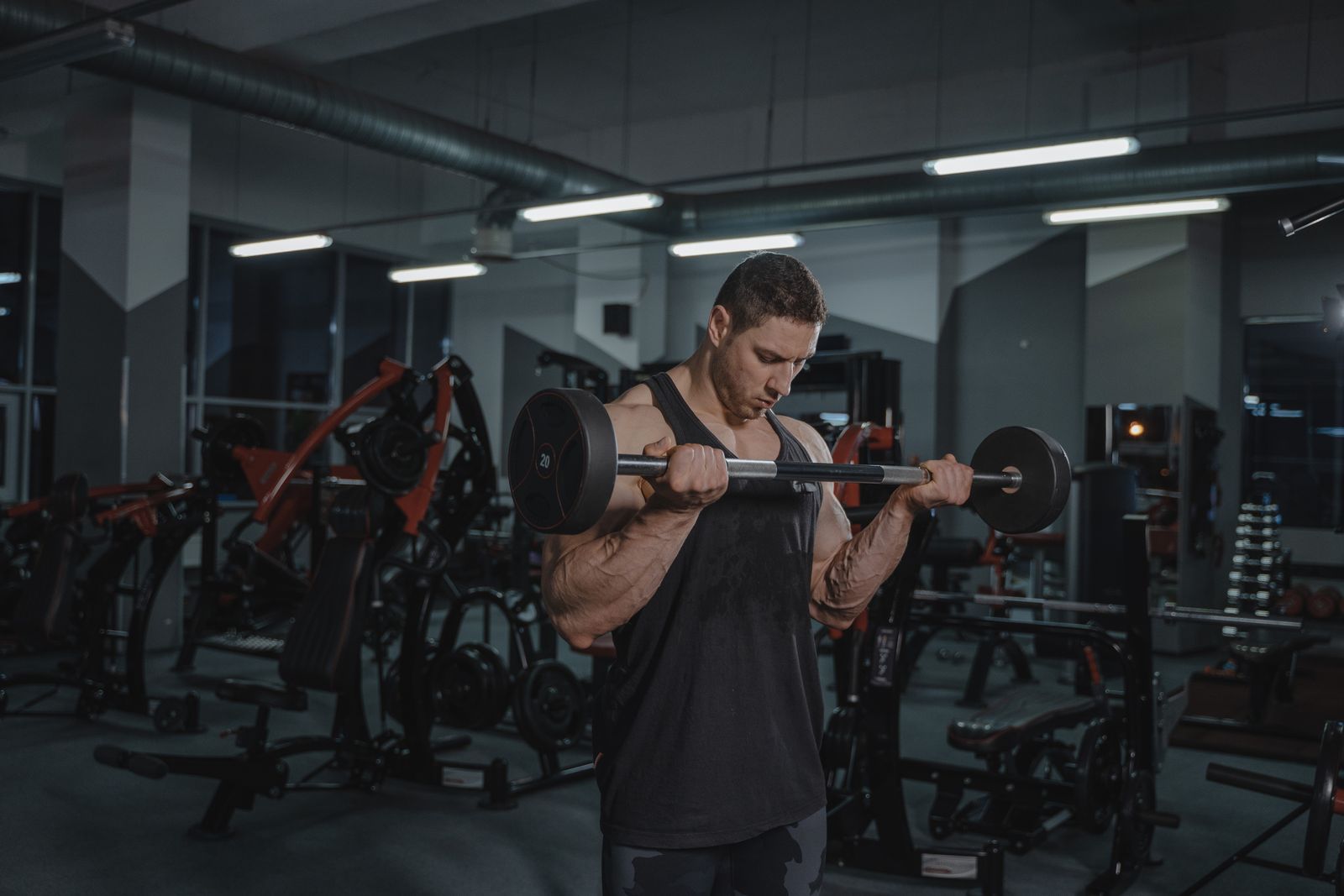


This guide was written and reviewed by Serge, MSc . As a martial artist and natural lifter with over 10 years of training experience, what I share comes from my own training and from digging into the research behind it.
Affiliate disclosure: This site has affiliate links, including Amazon. As an Amazon Associate I earn from qualifying purchases, at no extra cost to you.
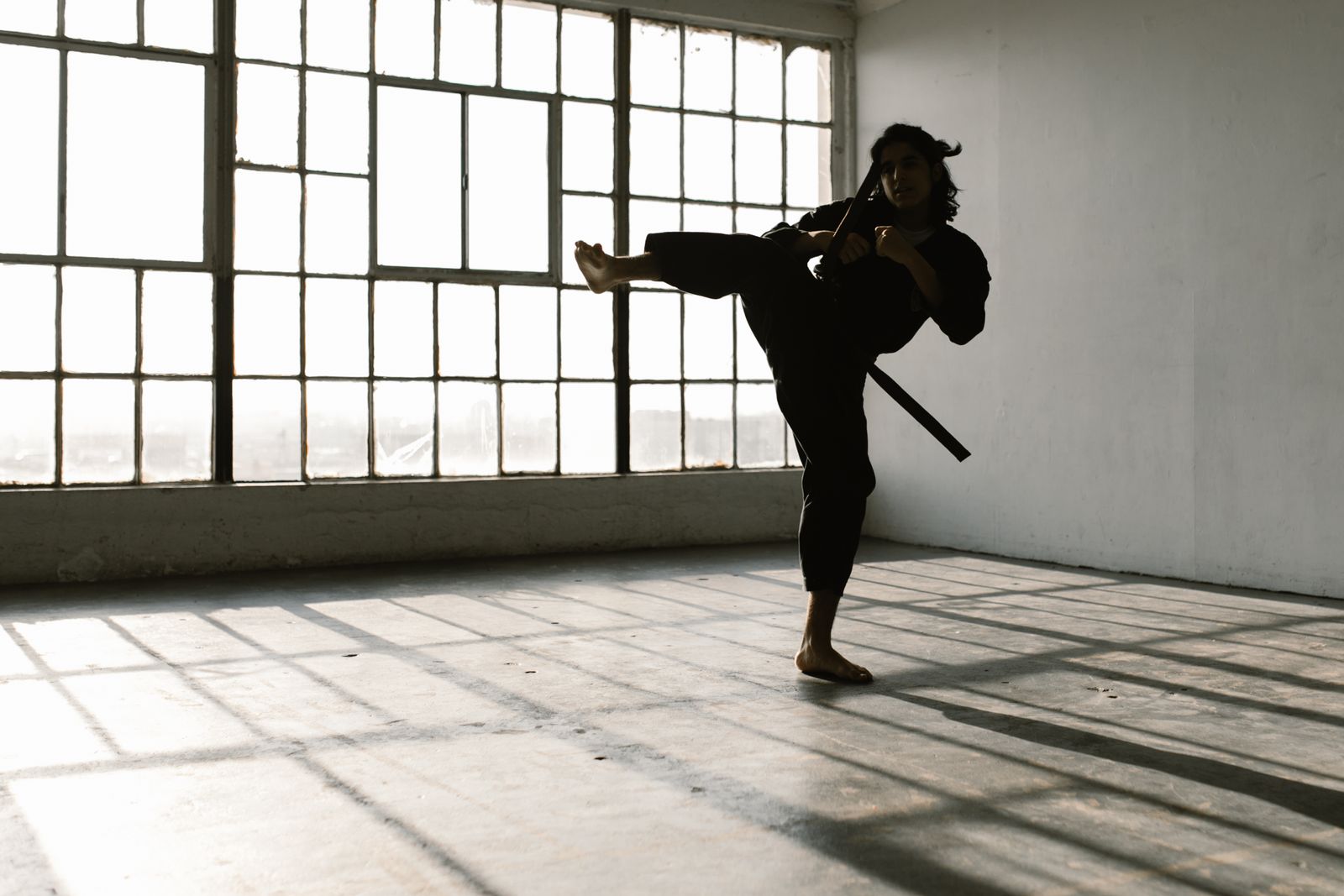
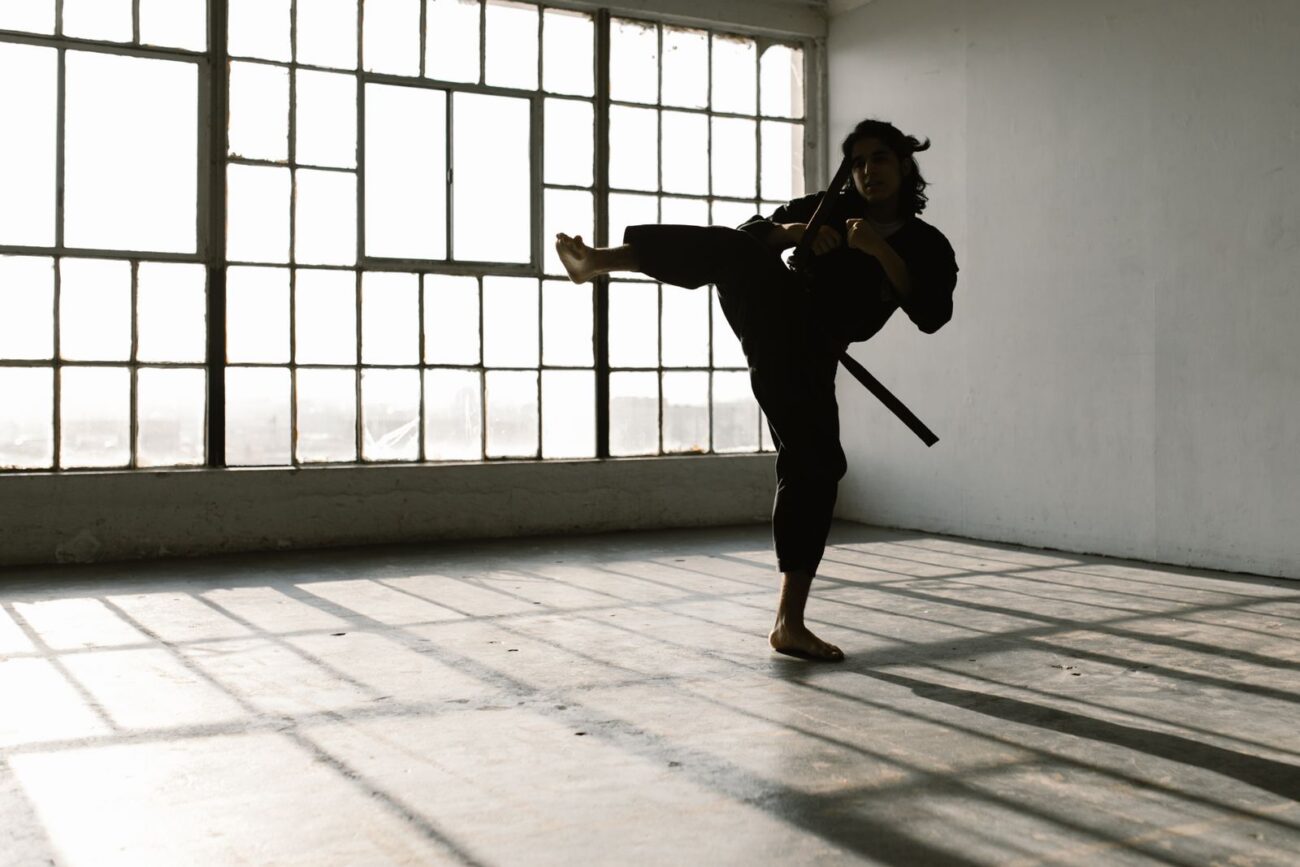
Before I stepped into a gym to lift weights seriously, I spent years in martial arts.
That experience changed the way I approached training and discipline for good.
I believe a demanding sport can build a stronger foundation than jumping straight into bodybuilding. Training in one alongside lifting works too.
This doesn’t only apply to martial arts. Rugby, football, boxing, and MMA all demand something more than physical effort. They test your mind and your ability to stay calm under pressure. They also teach consistency in a way a typical lifting plan often doesn’t.
Martial Arts Taught Me Real Discipline
Martial arts wasn’t just about kicks, punches, or belts. It was about showing up even when my body was sore or my head wasn’t in the right place.
There were days I wanted to skip training, especially after getting hit hard or failing to land a technique. But I learned to show up anyway. That’s where discipline gets built, not in the good sessions, but in the tough ones.
That attitude carried over the moment I started lifting. I didn’t need someone to keep me on track, and I didn’t rely on hype videos or loud music to train. I already knew what consistency looked like.
I also knew how to keep my emotions out of the work. Martial arts drilled that into me over years: stay focused, stay calm, respect the process. For the long view, read my post on consistency and patience in natural lifting.
Most of It Starts in the Mind
Lifting is physical, yes, but progress leans heavily on mindset. Strength doesn’t happen overnight, and neither does size. Without patience, people quit early or bounce from plan to plan, chasing fast results that never come.
Challenging sports build the resilience you need for the long haul. In martial arts you repeat the same technique hundreds of times before it works. You lose sparring matches, you get humbled, and you often fail in front of other people. And you keep going.
A plateau at the gym feels minor after that. Missing a deadlift doesn’t shake you when you’ve faced harder rounds against someone more skilled and come back for more. If you are stuck right now, read my post on the no-progress phase.
Strength Is More Than Muscle
Some people spend years building size but move stiffly. They might look strong but can’t react quickly, bend well, or keep their balance during explosive movement. I’ve trained with people like this, and the gap between appearance and ability shows when you ask them to kick, roll, or move fast.
Now picture someone muscular who can also move smoothly, strike sharply, and stay calm in a physical situation. Real strength should include mobility, speed, timing, and body awareness. Those qualities come from sports that challenge the whole system, not just isolated muscles.
Lifting made me stronger, no doubt. But it was martial arts that taught me to use that strength well. I learned to move my body as one unit instead of just pushing weight in a single direction.
The flexibility I built from martial arts kept me from getting stiff. I never let lifting turn me into a statue. For more on this, see my post on staying flexible as a natural lifter.
Sports Teach Respect and Confidence
Combat sports humble you fast. You can’t fake toughness on the mat or in the ring. You either have it or you build it, or you walk away. In that process you learn respect for your coach, your training partner, and even the opponent who just beat you.
I’ve seen people use lifting to feed their ego, walking around flexing, mocking others, and chasing validation through numbers. That never sat right with me. Martial arts taught me to stay grounded.
Quiet confidence lasts a lot longer than loud arrogance, and it earns far more respect. When you know you can handle yourself, because you’ve been through real tests, you stop needing approval. That’s the kind of confidence worth building.
Capability, Not Just Muscles
Looking strong doesn’t always mean being strong, and real strength means less if you can’t apply it. Lifting a huge weight but not being able to touch your toes or last two minutes in a hard effort never impressed me much.
Sports like martial arts force you to develop real ability. You move in every direction, you react, you adapt, and you take hits and give them back. The training isn’t predictable, and you don’t get to control everything the way you can with a machine. That unpredictability sharpens both body and mind.
For a look at movement-based training in the gym, read my post on the best exercises for strength, muscle, and functional fitness.
Adding lifting to that kind of base doesn’t weaken it, it enhances it. Your strikes get stronger, and stronger legs and core help in almost any sport. But the base comes from movement, not isolation.
Combining the Two Makes You Complete
There’s nothing wrong with wanting to be stronger or look better. But it makes more sense to be both strong and capable. You don’t have to train a combat sport every day, because a few sessions a week already make a difference.
The same goes for football, wrestling, or any demanding sport. You train your nervous system, build better cardio, sharpen reaction time, and develop coordination. For the cardio side, try my Heart Rate Zone Calculator. Get five heart rate zones from your age, plus a simple plan for how to use them around your lifting.
Lifting then supports your sport instead of replacing it. You become more durable, more explosive, and more balanced. That combination builds a better body overall, in how you look, how you move, and how long you last.
Core strength matters here too. See my post on smarter core training for lifters.
How to Choose a Sport
Pick something you will actually enjoy, because enjoyment keeps you showing up. Martial arts, boxing, wrestling, football, and rugby all work. A good coach and a beginner-friendly class matter more than the sport itself.
Contact sports carry injury risk, so start with a qualified instructor and train at a controlled intensity. If you prefer no contact, running, swimming, climbing, or gymnastics-style bodyweight work also build real ability. To measure your bodyweight strength, I built a Pull-Up Progress Calculator. Enter your best pull-up count and goal to see your training stage, weekly sets, and a rough timeline.
A Simple Week That Combines Both
Here is a general example, not a prescription. Lift two or three days a week, and train your sport two days. Keep at least one full rest day, and avoid hard lifting right before a hard sparring session.
If you are tired, cut the volume instead of skipping the session. For more, read how to recover faster as a natural bodybuilder.
My Advice for Anyone Starting Out
If you’ve never trained a challenging sport, now is a good time to consider it. Martial arts schools are everywhere, and plenty of football and boxing clubs welcome beginners. Don’t overthink it. Just show up and try.
If you already lift, adding something new even once a week can open up another side of your ability. It tests you in ways the gym can’t, and that shows you what needs work.
And if you’re young or just getting into training, build the base first. Sports that make you react, move, endure, and overcome adversity shape your mind and body the right way. Then, when you decide to build more size and strength, read the steps to build muscle and how long it takes. You’ll already have the foundation most people lack.
Safety Notes
Check with a doctor before starting a contact sport if you have an injury, a heart condition, or any health concern. Learn the basics from a coach before you spar. This post shares my own experience and general information. It is not medical advice.
Summary
Lifting builds strength, but strength without control, endurance, or discipline has its limits. True athleticism is more than raw power. It’s becoming a complete athlete: someone who moves with purpose, stays calm under pressure, and uses their strength with intention.
That kind of growth takes patience, focus, humility, and mental resilience. Martial arts taught me that, and other sports can teach it too. Strength training then becomes more than lifting. It becomes a way to build character, not just muscle.
So train for more than looks. Train for life. And if you want to avoid common myths along the way, read bodybuilding myths for natural lifters.
