



This guide was written and reviewed by Serge, MSc . As a martial artist and natural lifter with over 10 years of training experience, what I share comes from my own training and from digging into the research behind it.
Affiliate disclosure: This site has affiliate links, including Amazon. As an Amazon Associate I earn from qualifying purchases, at no extra cost to you.
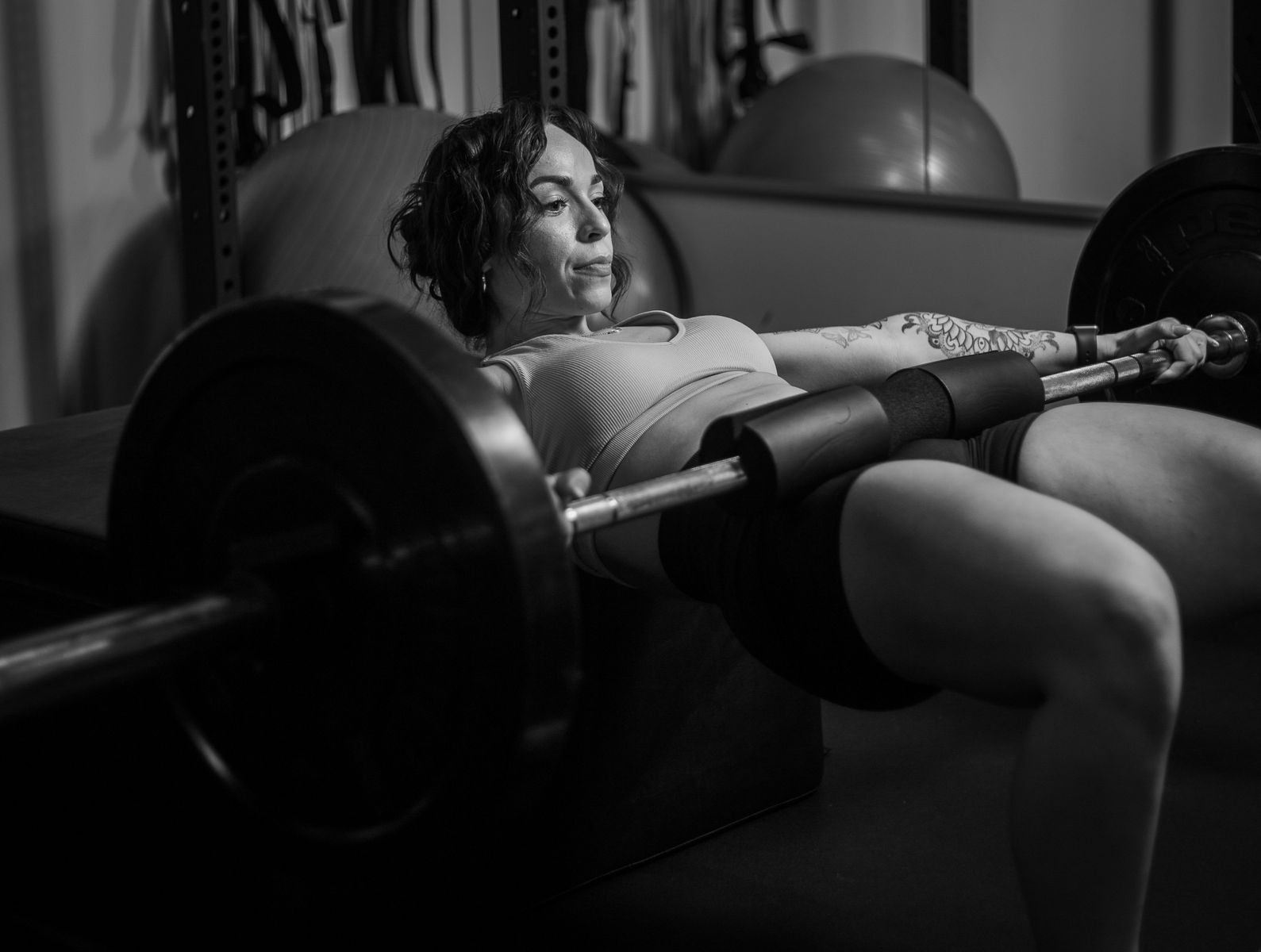
If you want to build a strong, balanced lower body, the upper glutes are an area worth focusing on. A lot of gym-goers, men especially, skip glute work, assuming it is only for women.
As a natural lifter with over ten years of training, I can tell you that is a mistake. Training your glutes, including the upper portion, matters just as much for men, and I came to that the hard way after years of believing heavy squats alone covered it.
Strong glutes do more than fill out your lower body. They improve posture, boost athletic performance, and make you stronger on your big lifts. In this article I will go through the exercises I use to target the upper glutes, whether your goal is a more balanced lower body or simply more strength.
Why Focus on the Upper Glutes?
The gluteus maximus is the largest muscle in your body, and it drives almost all lower-body movement: walking, running, squatting, jumping. The upper part of the glutes, near the top of the buttocks, plays a key role in extending the hips, stabilising the pelvis, and supporting good posture.
Training this area builds real strength that carries over to your squat and deadlift, and it contributes to a more balanced, developed lower body. For a long time I assumed big compound lifts were enough on their own. They are not, adding direct glute work made a clear difference, which is why this muscle group deserves a dedicated spot in your routine.
Best Exercises to Target the Upper Glutes
Here are five exercises I use to activate and strengthen the upper portion of the glutes.
1. Hip Thrusts.
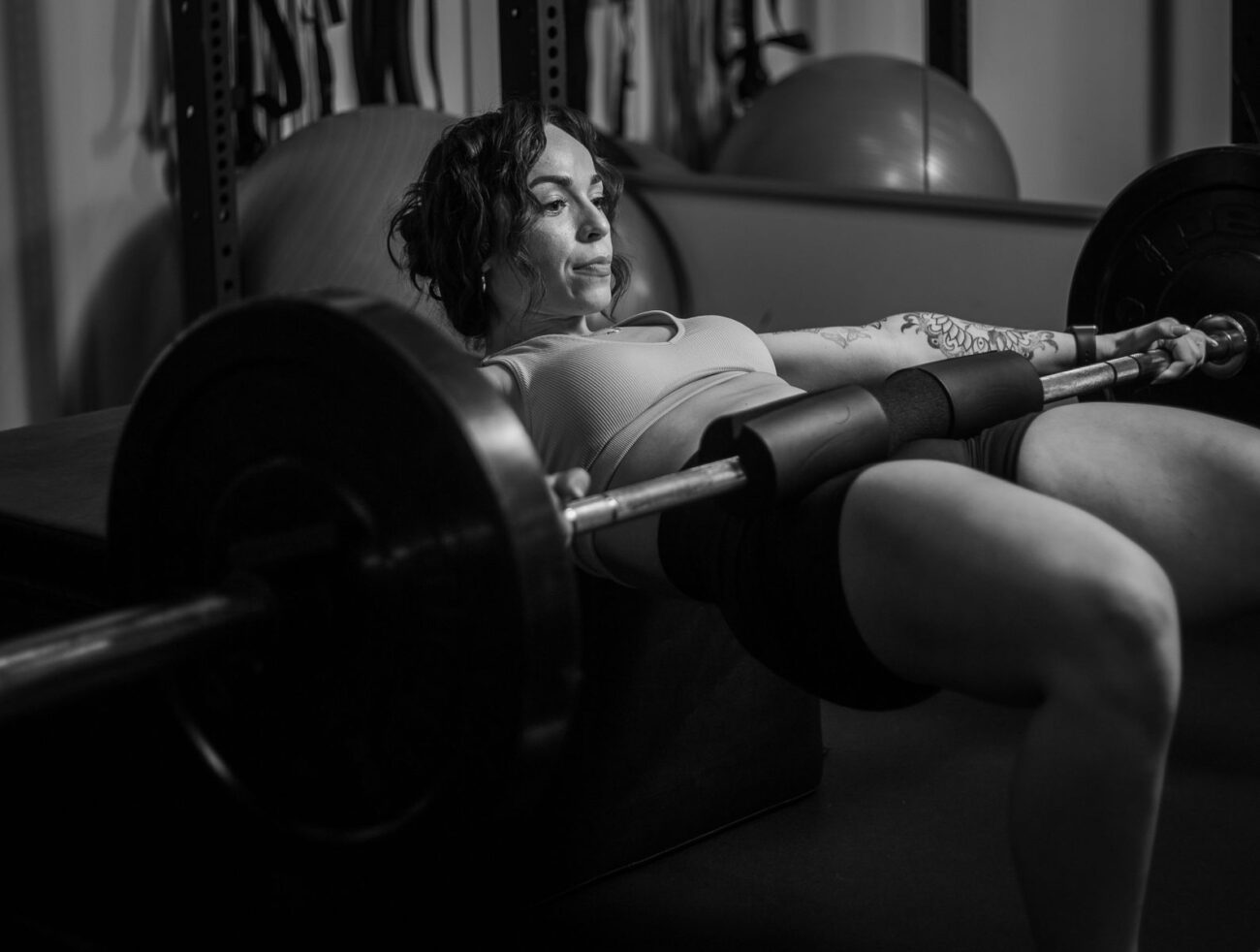
Hip thrusts are one of the best exercises for the glutes. With your upper back on a bench and a load across your hips, you get a strong contraction through the glutes.
Sit on the floor with your upper back resting on a bench, knees bent and feet flat, place a barbell or weight across your hips, then drive through your heels and lift your hips toward the ceiling, squeezing your glutes hard at the top before lowering back down.
Hip thrusts give the glutes a deep stretch and full contraction, and you can make them harder by adding weight or trying single-leg or banded variations.

2. Glute Bridges.
Glute bridges are similar to hip thrusts but done on the floor, and they activate the glutes well when you control the movement. Lie on your back with your knees bent and feet flat, push through your heels and lift your hips toward the ceiling, squeeze your glutes at the top without overextending your lower back, then lower back down.
They hit the glutes while keeping strain off the lower back, and to emphasise the upper glutes you can elevate your feet or add a band around your knees.

3. Romanian Deadlifts.
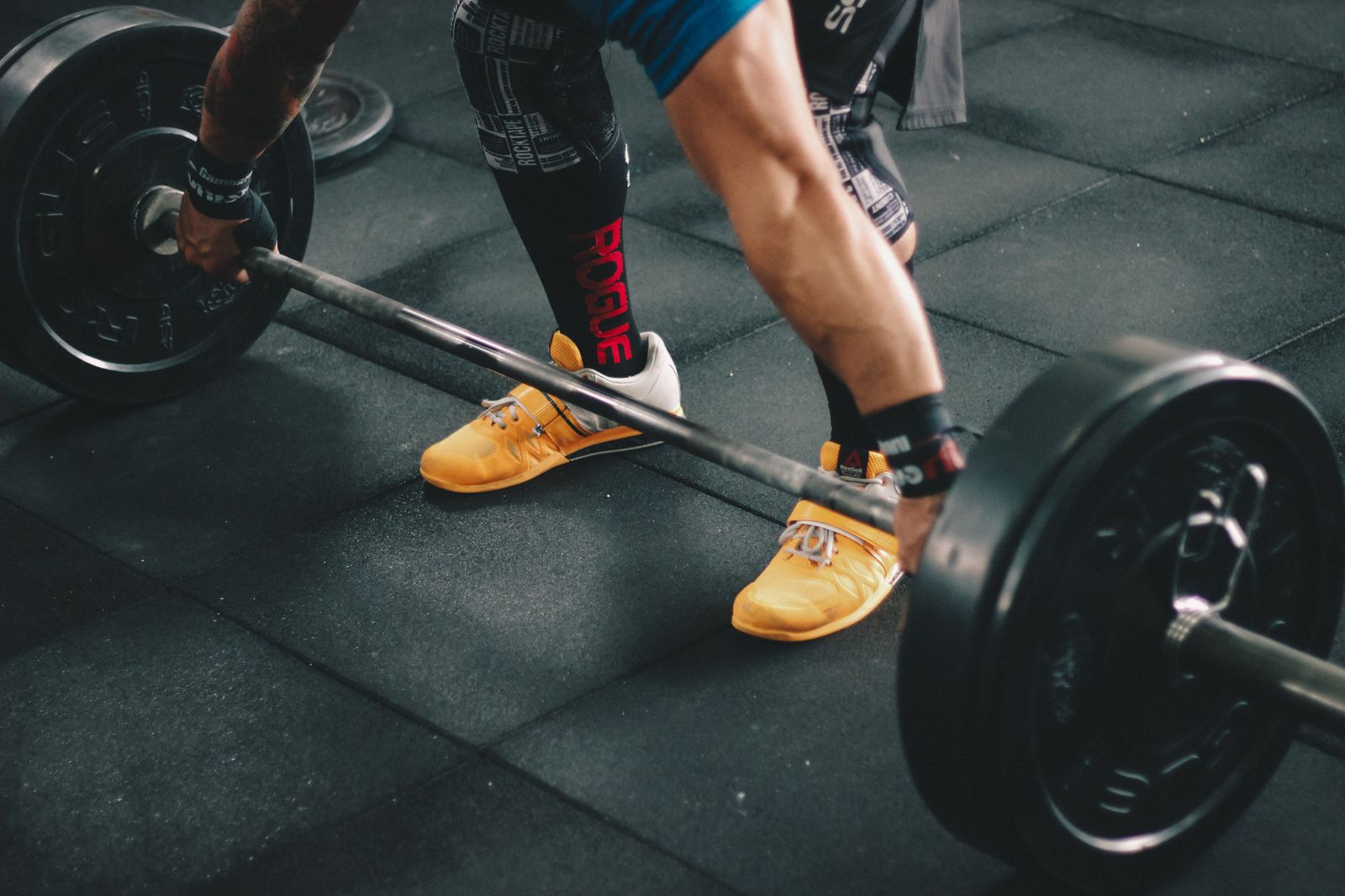
Romanian deadlifts mainly target the hamstrings and lower back, but with good form they bring in the glutes strongly too. Stand with your feet hip-width apart, holding a barbell or dumbbells in front of you, knees slightly bent.
Hinge at the hips and lower the weight toward the floor, keeping your back flat and chest lifted. You should feel the stretch through your hamstrings and glutes. Drive your hips forward to return to the start. Done properly, they build the glutes while strengthening the hamstrings and lower back.

4. Single-Leg Romanian Deadlifts.
This variation works one leg at a time, improving balance while hitting the glutes hard. Stand on one leg holding a dumbbell or kettlebell in the opposite hand, hinge at the hips and lower the weight while keeping your back straight and the free leg extended behind you, then squeeze your glutes to return to standing.
Because the glutes have to stabilise your whole body, this one builds strength and balance at the same time.

5. Cable Kickbacks.
Cable kickbacks isolate the glutes, and the low pulley keeps tension on them throughout. This is one I use myself. Attach an ankle strap to a low pulley, face the machine and secure the strap around your ankle, then with a slight bend in your supporting leg extend the strapped leg straight back, squeeze your glutes at the top, and return slowly.
The constant cable tension keeps the glutes working the whole way through, and you can adjust the angle to shift the emphasis around the muscle.

Tips for Building the Upper Glutes
Use a full range of motion, fully extending and contracting the glutes on each rep for better activation and growth. Apply progressive overload by gradually making the work harder over time, whether that is more weight, more reps, or tougher variations.
Set aside dedicated glute-focused training rather than treating it as an afterthought, combining compound lifts like squats and deadlifts with isolation work, this is exactly the shift that worked for me, going from assuming squats were enough to giving glutes direct attention.
And stay consistent, because like any muscle the glutes need regular work, so train them two to three times a week to see real progress.
Conclusion
Targeting the upper glutes is part of building a balanced, strong lower body. Work the exercises above with good form, progressive overload, and consistency, and you will build both the strength and the development you are after. Give them a place in your next lower-body session and stick with them, that is what gets results.
My Glute-Training FAQs
Do men need to train glutes, or is it just for women?
Men should train glutes too, and I do. There is an idea that glute work is only for women, but the glutes are the biggest, most powerful muscle you have, and they matter for strength, posture, and performance regardless of who you are. Skipping them is leaving real strength on the table.
Can you build your glutes at home, or do you need a gym?
You can build them at home. Bodyweight and banded work like glute bridges, hip thrusts, and single-leg movements go a long way on their own. A gym lets you add load more easily, which speeds things up, but it is not a requirement to make real progress.
How often should I train glutes?
I train them twice a week, and that works well. That gives enough direct work to drive progress while leaving time to recover between sessions. You do not need to hit them every day.
Do squats and deadlifts build glutes, or are they useless for it?
They absolutely build glutes, they are compound lifts that bring the glutes in strongly, so do not drop them. The catch is that on their own they are not enough. I trained that way for years assuming they covered it. Adding glute-specific work on top of the big compounds is what made the real difference for me.
How long before I see results from glute training?
Give it a few weeks of consistent, direct work before judging it. Muscle does not change overnight, but with steady training and progressive overload you will start to feel and see the difference. Anyone promising a transformation in days is selling something, real change takes consistency.
