


This guide was written and reviewed by Serge, MSc . As a martial artist and natural lifter with over 10 years of training experience, what I share comes from my own training and from digging into the research behind it.
Affiliate disclosure: This site has affiliate links, including Amazon. As an Amazon Associate I earn from qualifying purchases, at no extra cost to you.
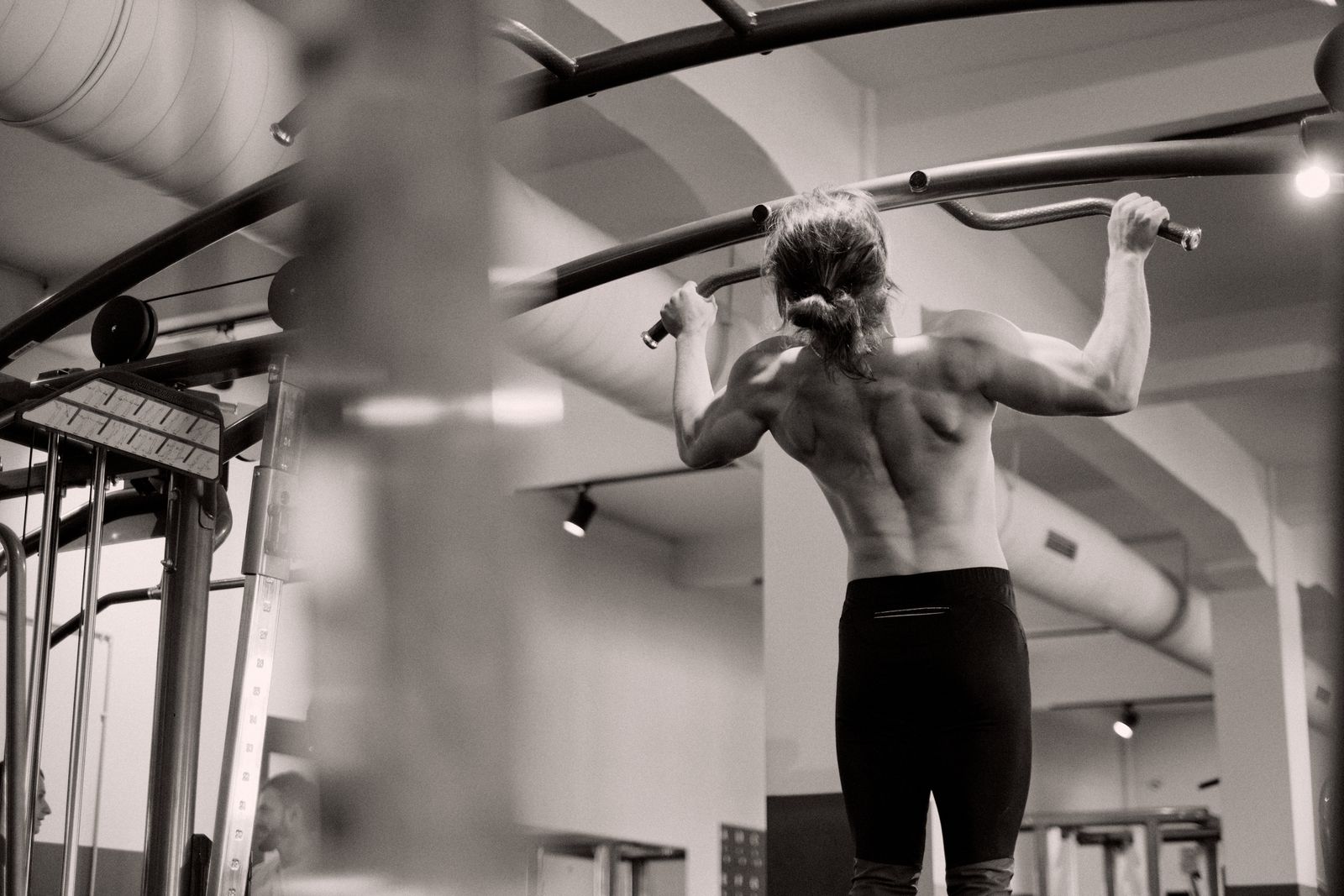
The V-taper is the classic strong-looking shape: broad shoulders, a defined chest, and a narrow waist. The good news is you do not need fancy equipment or years of experience to start building it.
You can make real progress at home or in the gym, and I say that as someone who started with almost nothing and built a solid base anyway. Let me break down how it works.
What Is the V-Taper?
Picture a triangle, wide at the top and narrow at the bottom. To build that shape you focus on three things: broad shoulders that give you width up top, a developed chest that adds to the upper-body frame, and a leaner waist that makes the width above it stand out.
You build the top with training, and you reveal the taper by keeping body fat in check through sensible eating. Both halves matter.
Building Your Shoulders and Back
Width comes mainly from your shoulders and back, so this is where most of the V-taper is won.
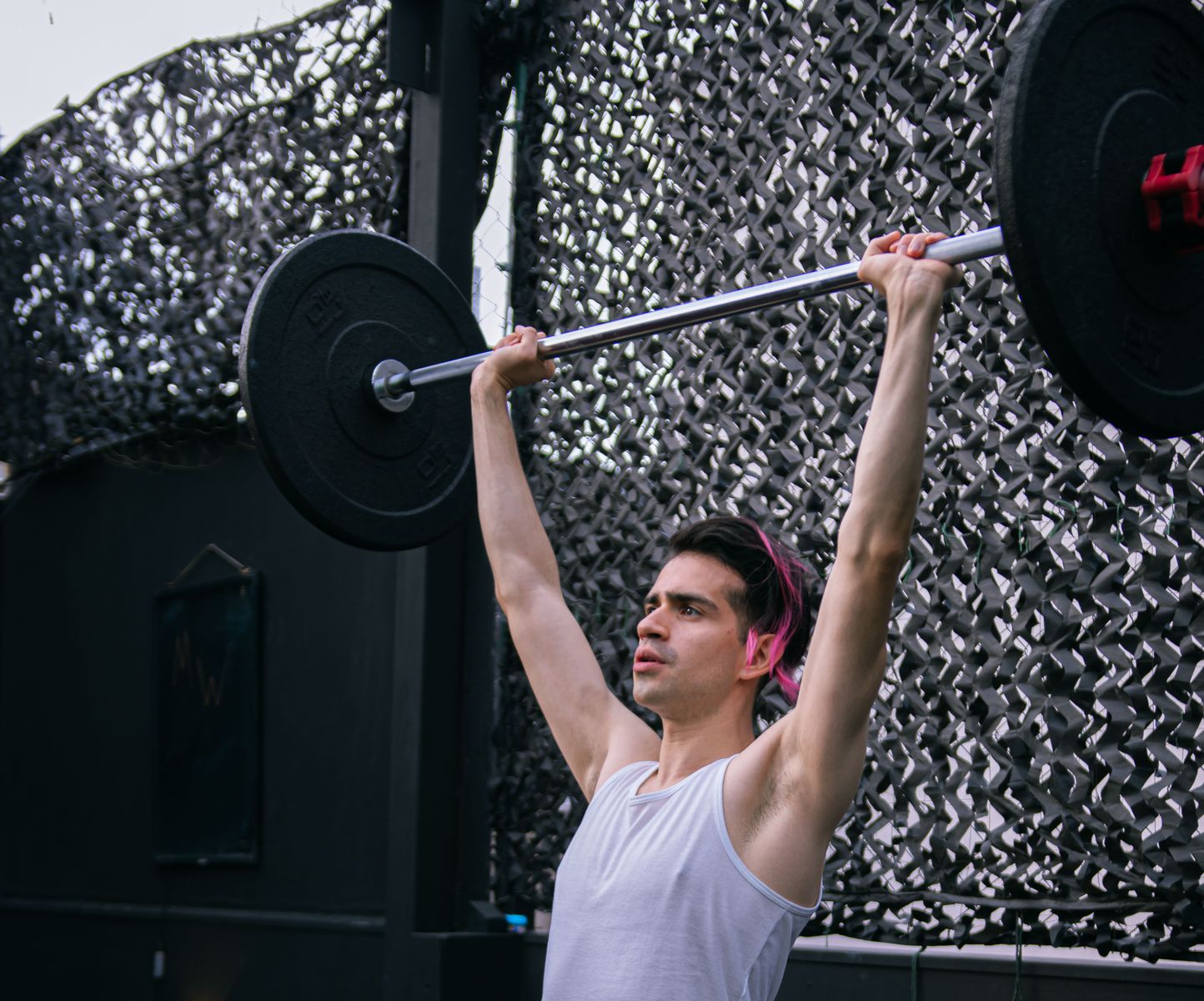
For shoulders, the overhead press is the foundation. Press a pair of dumbbells (or anything with weight you can hold safely) straight overhead. It hits the shoulders hard and builds real pressing strength.
Add lateral raises, lifting the weights out to your sides, to develop the outer shoulder, which is what creates the width. Front raises, lifting the weight straight in front of you, round out the front of the shoulder.
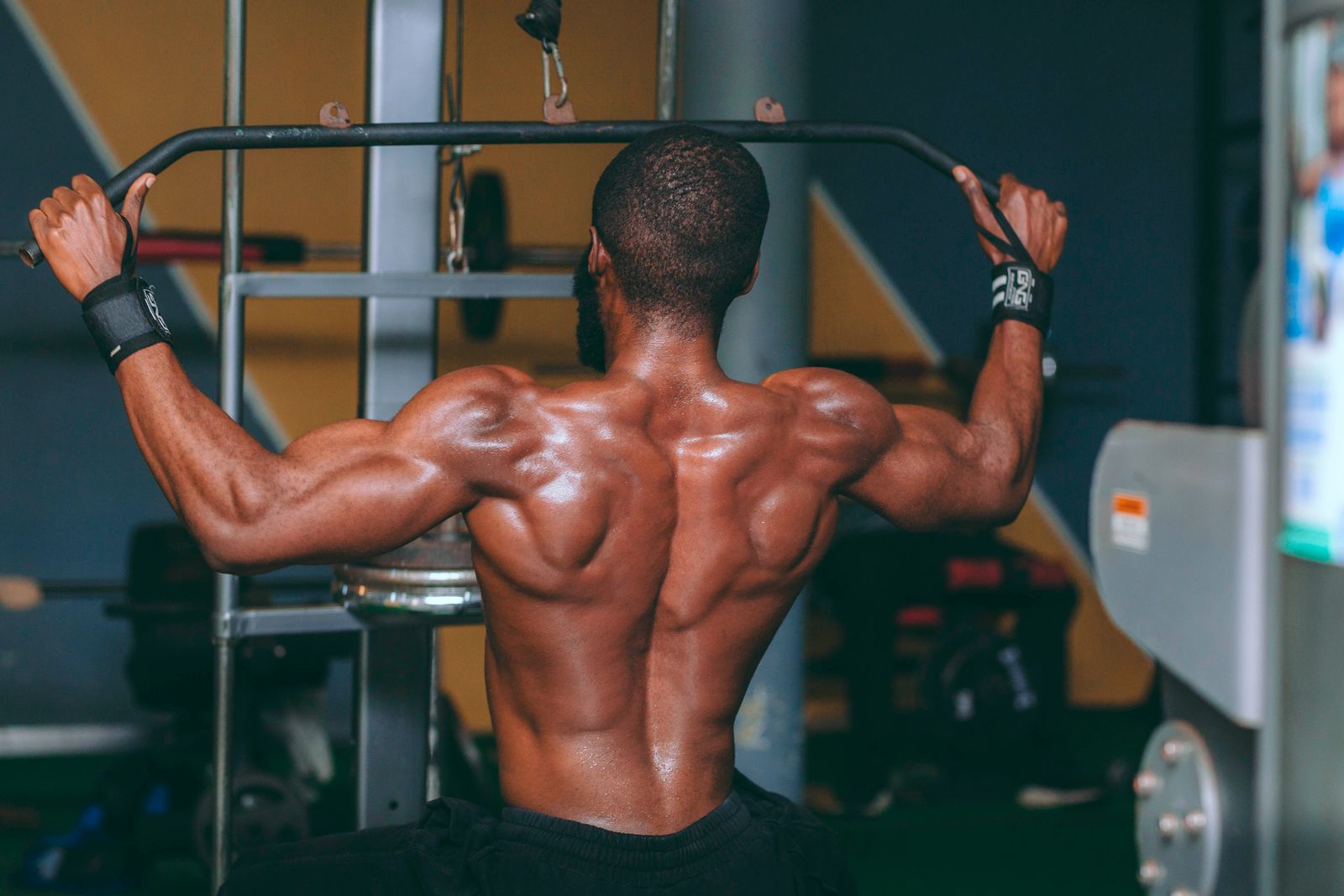
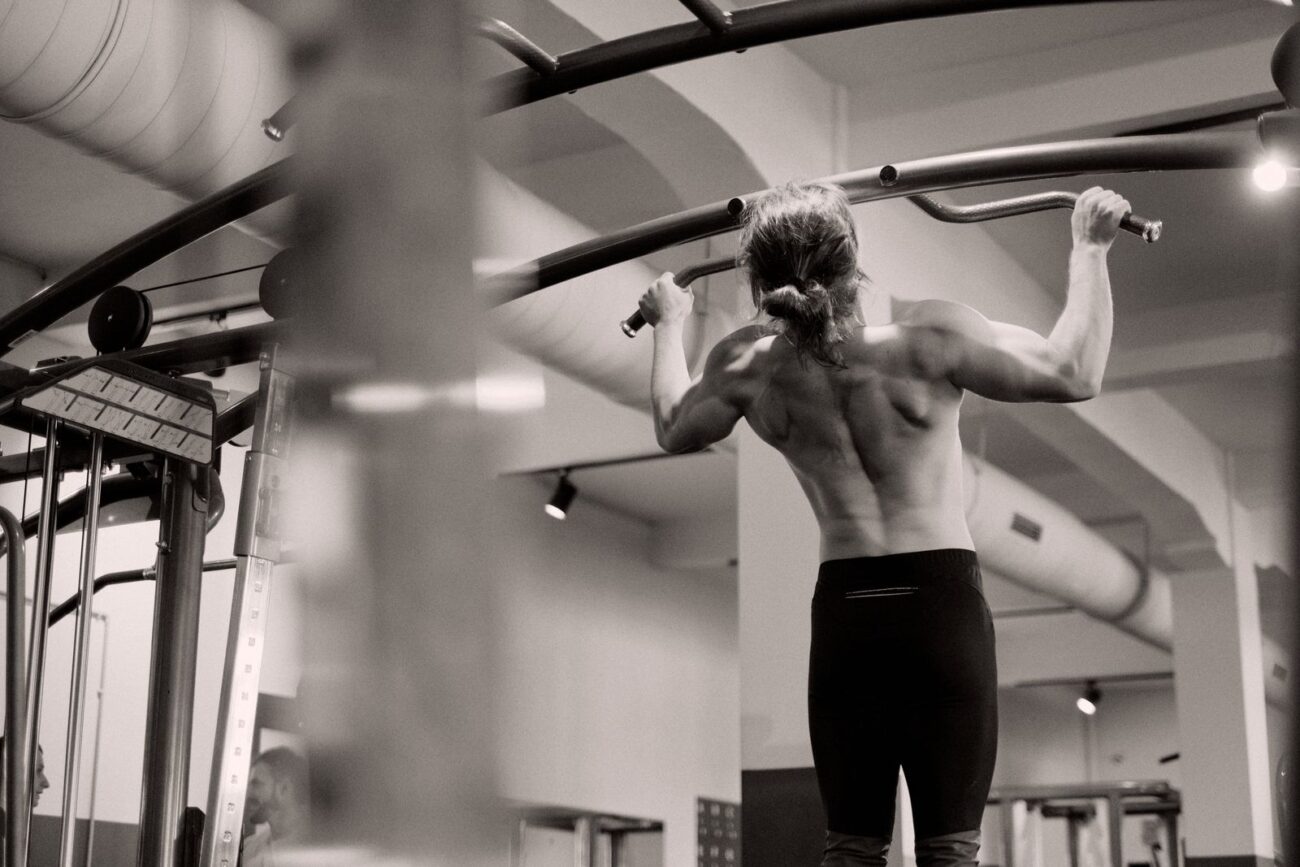
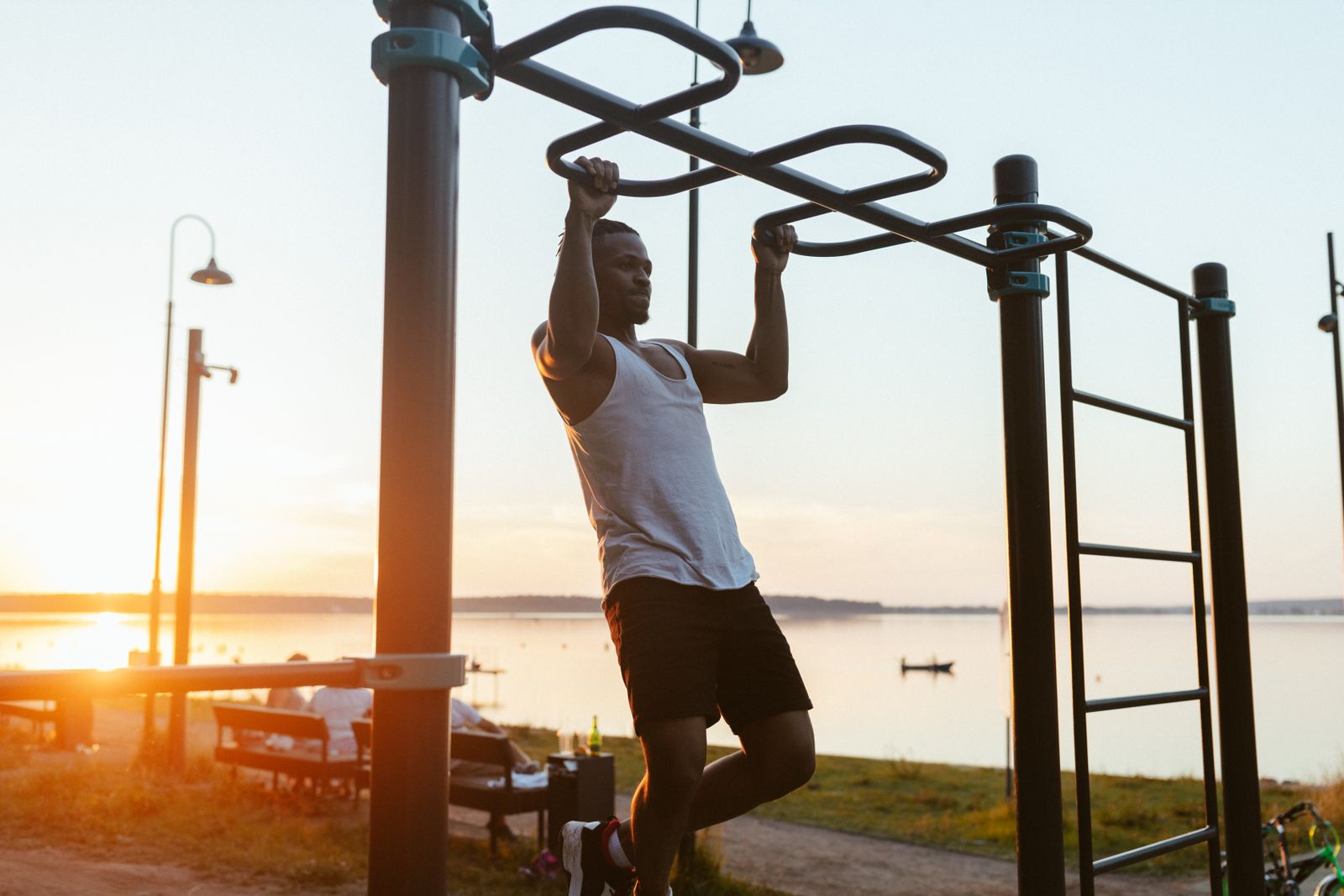
For the back, pull-ups are the anchor. They build the lats, which are a huge part of the V-taper because they flare out and create that wide-from-behind look.
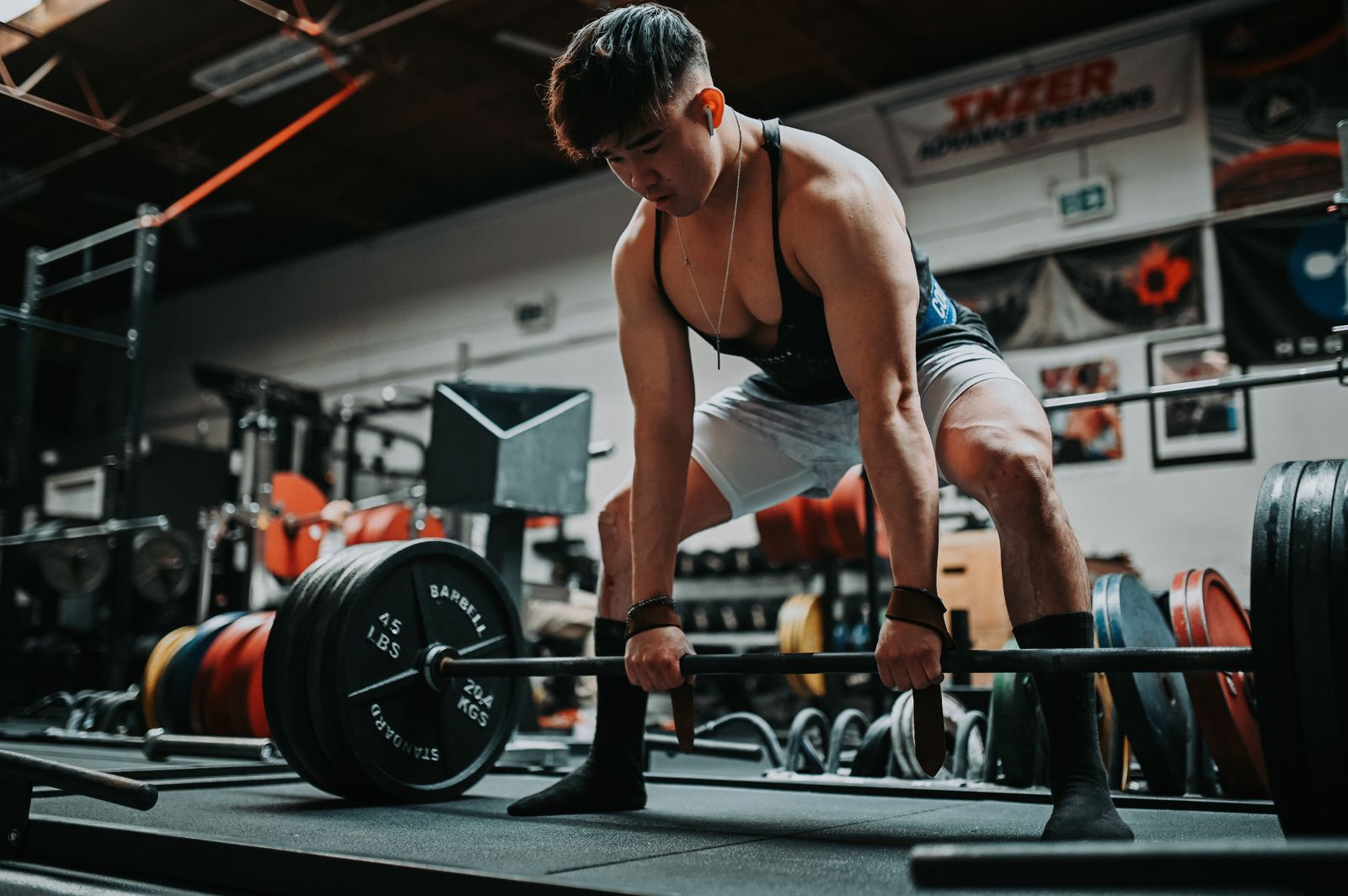
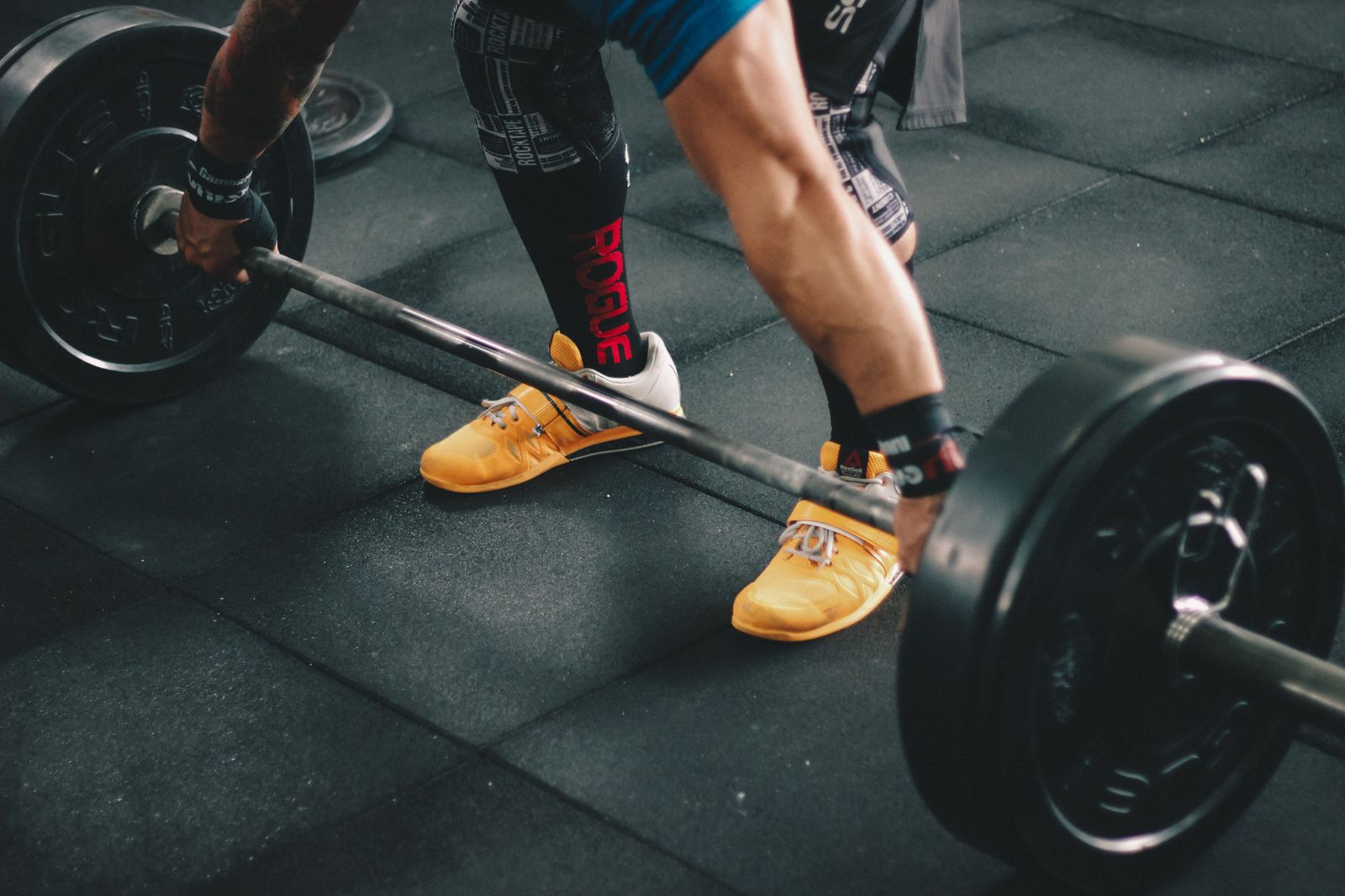
If you cannot do full pull-ups yet, use a band for assistance or do slow negatives to build up. Inverted rows, pulling your chest up to a low bar or sturdy table, are a great alternative or addition. And deadlifts, holding a loaded bar or even a heavy bag, build the lower back, glutes, and overall strength that ties everything together.
Pull-ups were the foundation of my own back. I built a lot from that one movement before I had any real equipment, with nothing but a bar and my bodyweight, so I know first-hand how far they take you. They are still one of the exercises I value most.
Getting a Defined Chest
A developed chest adds to the upper-body frame and makes the shoulders look fuller.
Push-ups are the classic, and you can scale them to any level, drop to your knees to make them easier, or elevate your feet to make them harder.
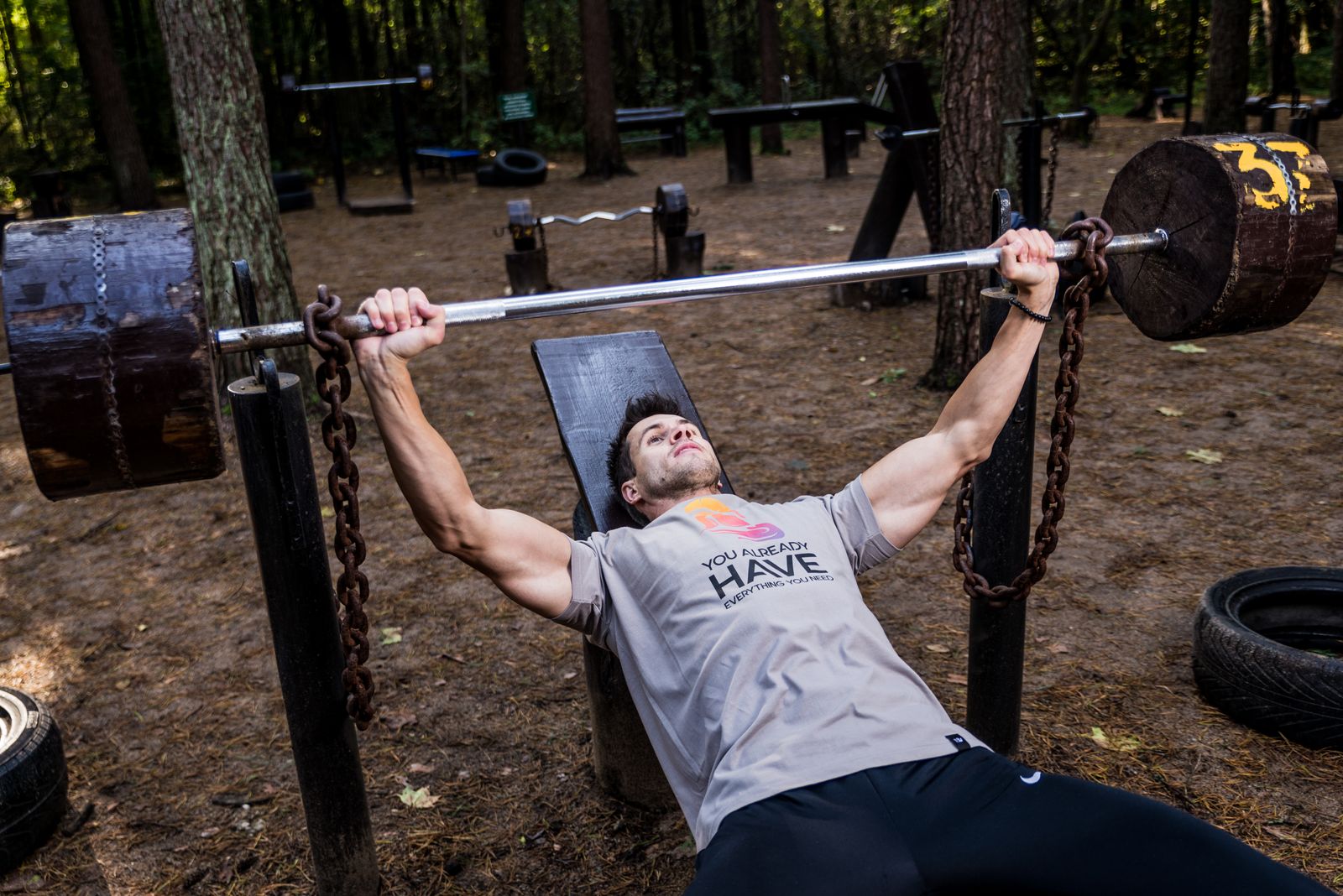
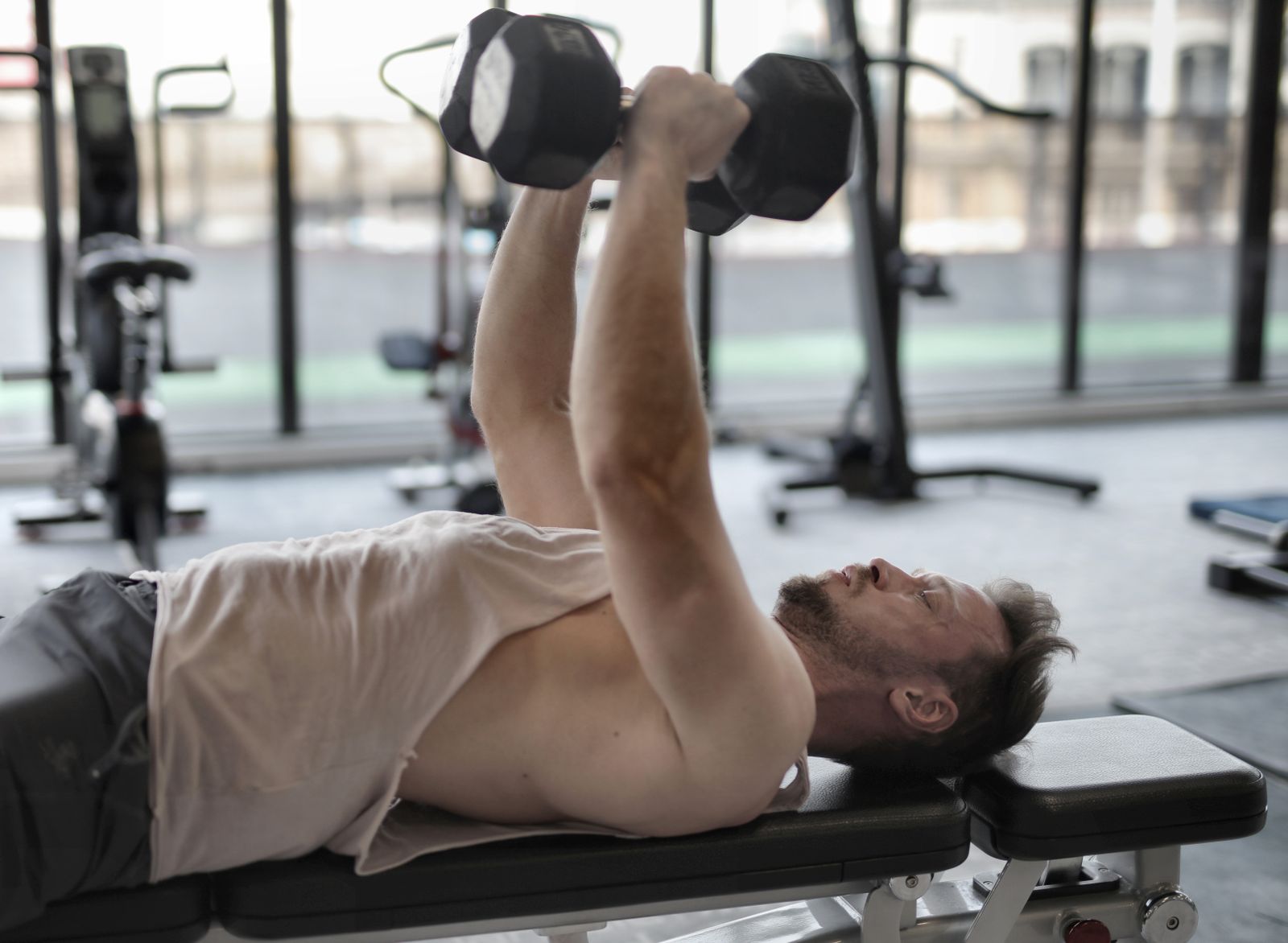
Chest flyes, lying down with a weight in each hand and opening your arms wide before bringing them back together, add a stretch and contraction that builds chest definition. The bench press is the heavier gym option that builds the chest and triceps together.
Narrowing Your Waist
The taper only shows if the waist stays relatively lean, and that comes from core training plus keeping body fat down.
Planks build a strong, controlled core, hold a straight line and brace, and add side planks to hit the obliques. Crunch variations (regular, bicycle, leg-lift) target the abs from different angles.
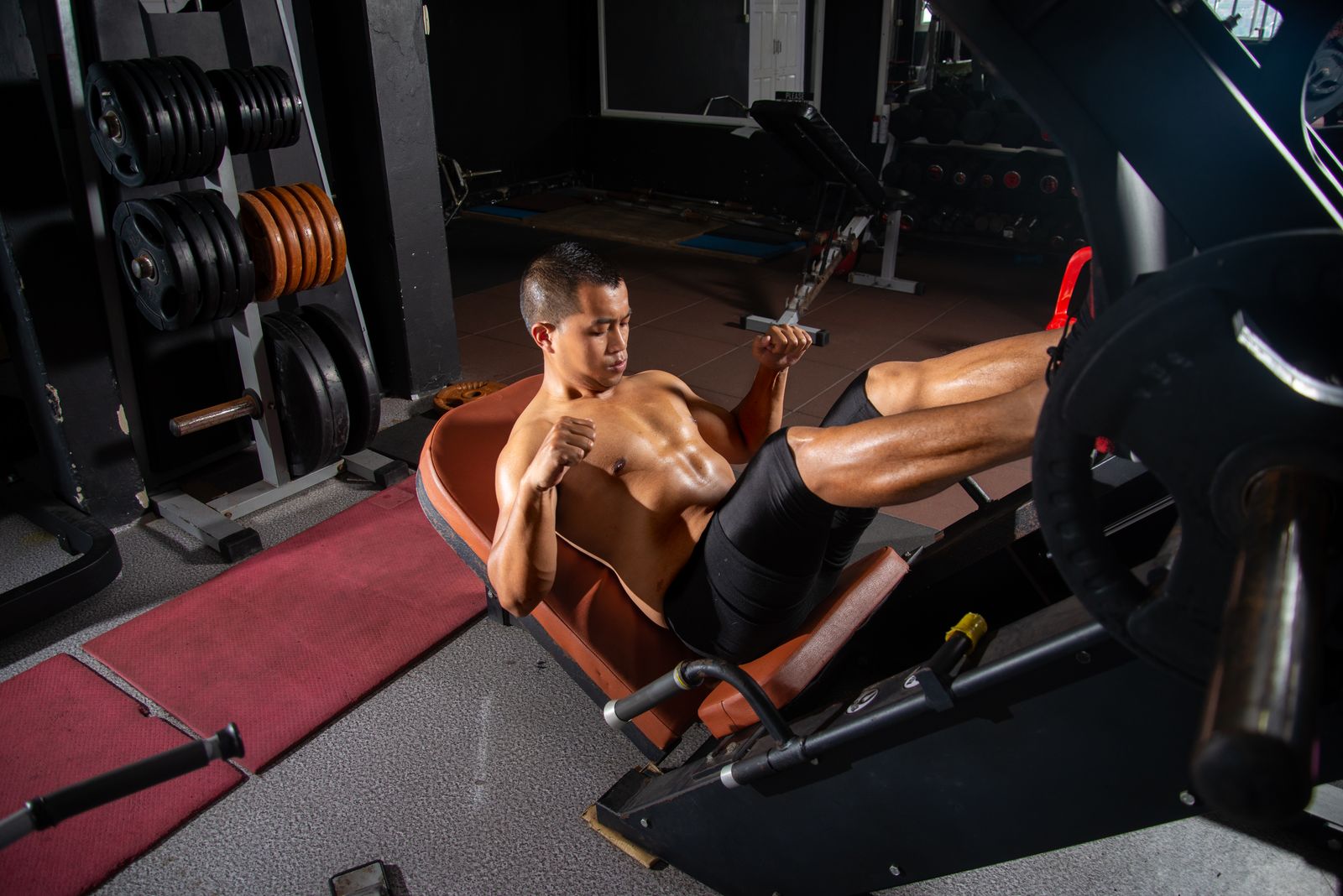
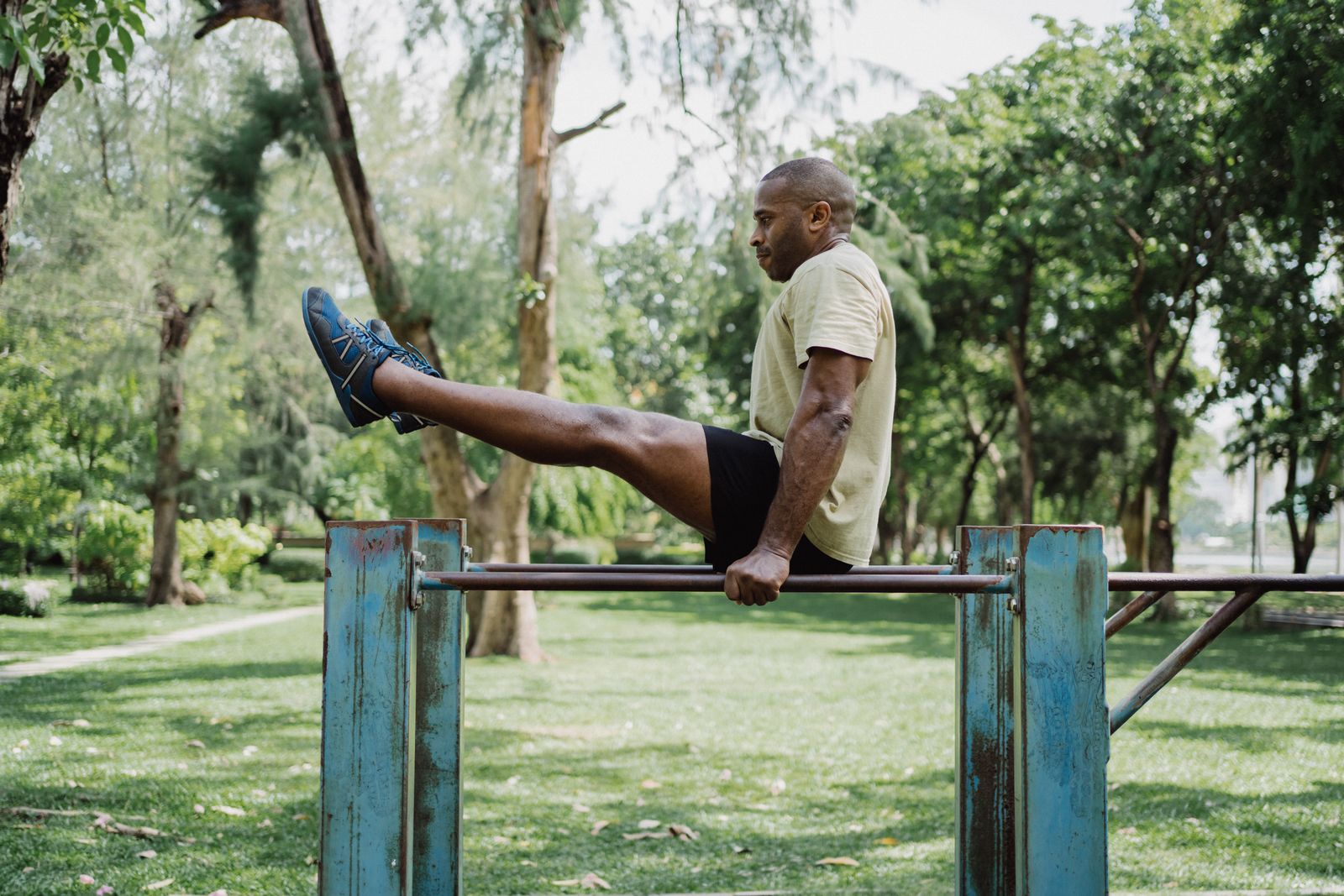
Leg raises are especially good for the lower abs, which matter for the tapered look. Just keep in mind that core work strengthens and defines the muscle, but visible abs come mostly from your body fat being low enough, and that is driven by diet more than crunches.
You Do Not Need Fancy Equipment
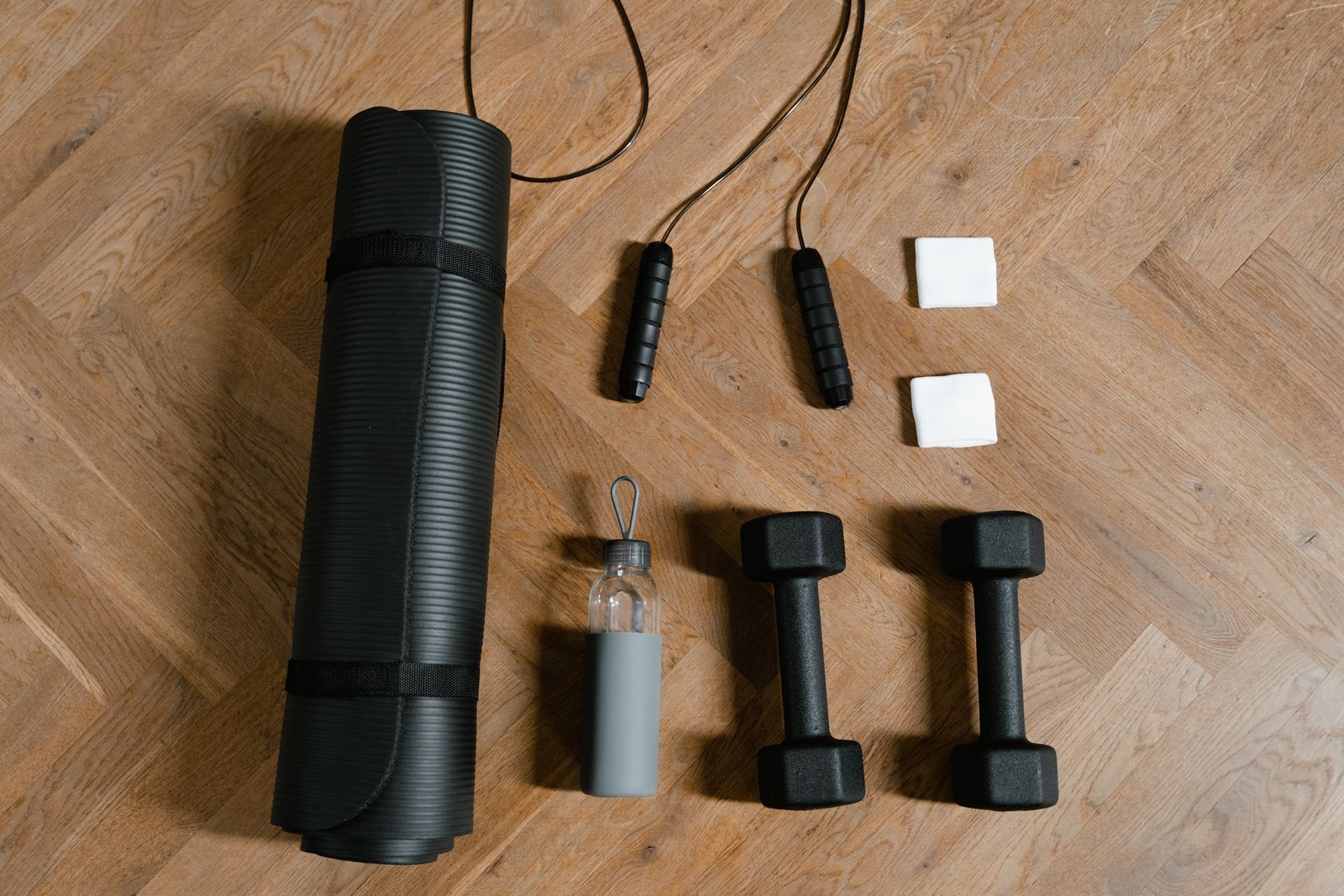
You can build a real foundation with just your bodyweight and a pull-up bar, or even a sturdy door frame. I started with very little and still made real progress, because it is about using what you have consistently rather than having the perfect setup.
A gym lets you add load and speeds things up, but a lack of one is not an excuse. I trained that way for years before I ever had proper equipment.
Diet Matters Too
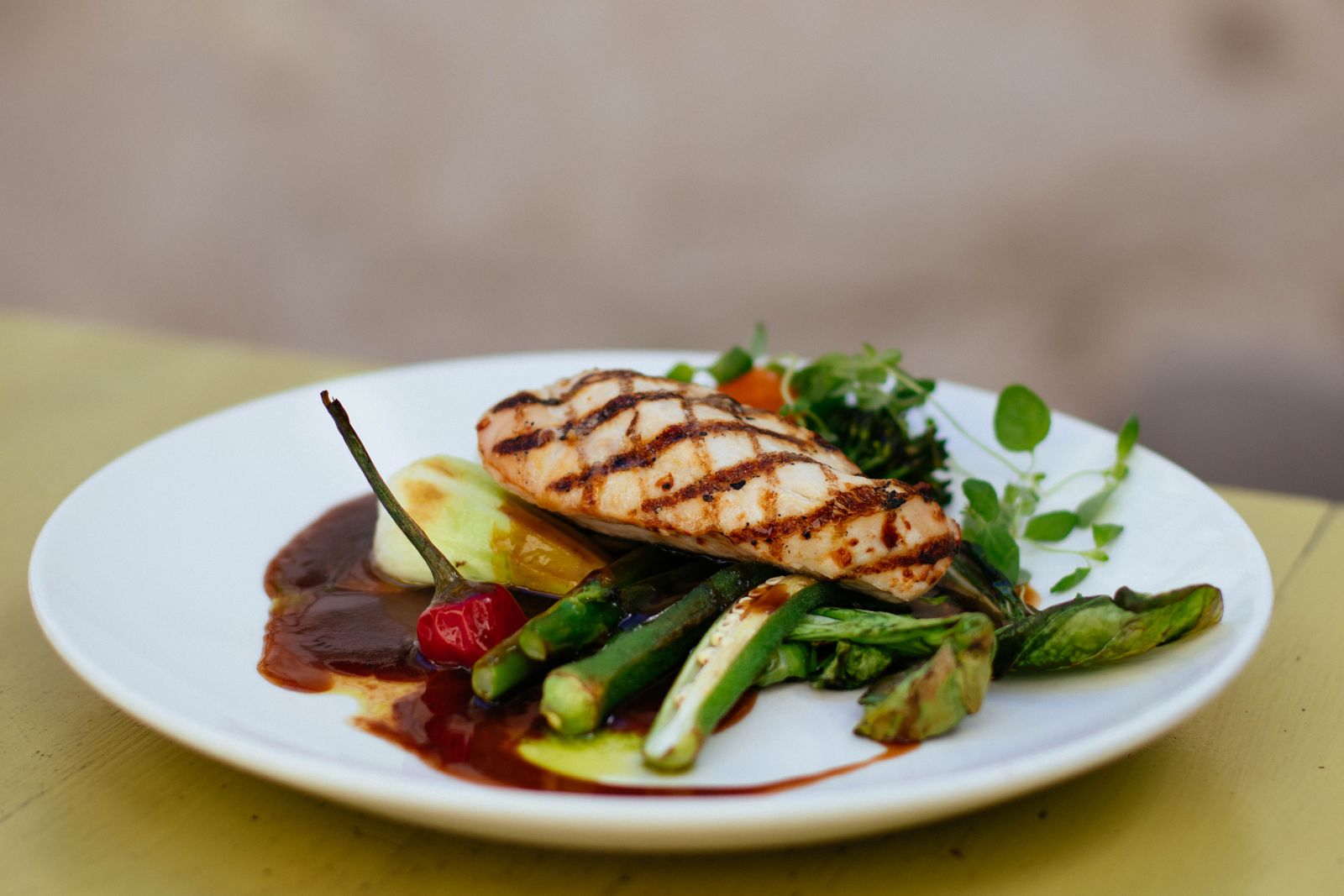
What you eat decides whether the taper shows at all. A few sensible basics: get enough protein (meats, eggs, dairy, beans) to support muscle, include healthy fats and quality carbs (avocado, nuts, whole grains, fruit) for energy and recovery, and cut back on sugary, heavily processed foods to keep body fat in check.
You do not need an extreme diet, just consistent, sensible eating alongside the training.
Staying Consistent
A V-taper is built over time, not in a few weeks. Set specific workout days and treat them like appointments. Keep a simple log of your training and eating so you can see progress and stay motivated.
And aim for steady improvement rather than chasing a quick transformation, the people who get there are the ones who keep showing up.
Conclusion
A V-taper is an achievable goal. Build your shoulders and back for width, develop your chest, train your core, and keep your eating sensible to reveal the shape underneath.
Stay consistent, be patient, and treat it as a long-term project rather than a quick fix. That is what gets real results.
V-Taper FAQs
What exactly makes a V-taper?
Broad shoulders and a wide back at the top, with a relatively narrow, lean waist at the bottom. The contrast between the two is what creates the V shape, so you build the upper body and keep the midsection lean.
Which muscles should I focus on most?
The shoulders (especially the side delts for width) and the lats in your back do most of the work. Those two create the width that defines the look. Chest and core support the shape, but shoulders and lats are the priority.
Can I build a V-taper at home without a gym?
Yes. A pull-up bar and your bodyweight will take you a long way, pull-ups, push-ups, inverted rows, planks, and leg raises cover the main bases. I started with very little equipment myself. A gym helps you add load and progress faster, but it is not required to start.
Do I need to be lean to see a V-taper?
Largely, yes. You can build the muscle at any body fat, but the taper only becomes visible once your waist is lean enough, and that comes mostly from diet. Training builds the frame; eating reveals it.
How long does it take to get a V-taper?
It depends on your starting point, consistency, and genetics, but think in months and years, not weeks. There is no shortcut. Anyone promising a dramatic change in days is selling something. Steady training and sensible eating over time is what works.
Are squats and deadlifts useful for a V-taper?
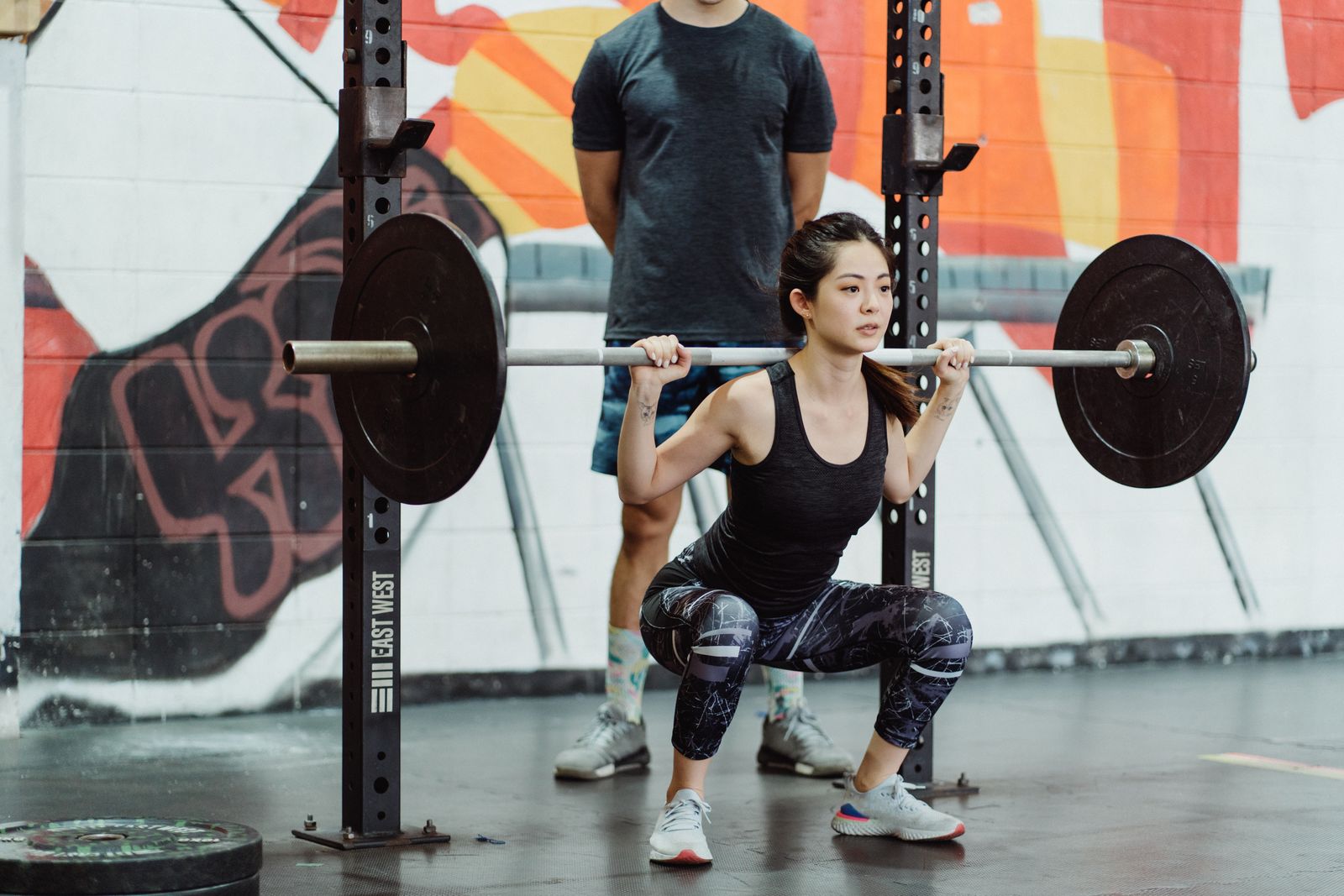
Yes, indirectly. They do not build width directly, but deadlifts strengthen the back and overall structure, and heavy compound work builds the strength base that lets you train everything harder. They are worth keeping in your routine.
