



This guide was written and reviewed by Serge, MSc . As a martial artist and natural lifter with over 10 years of training experience, what I share comes from my own training and from digging into the research behind it.
Affiliate disclosure: This site has affiliate links, including Amazon. As an Amazon Associate I earn from qualifying purchases, at no extra cost to you.
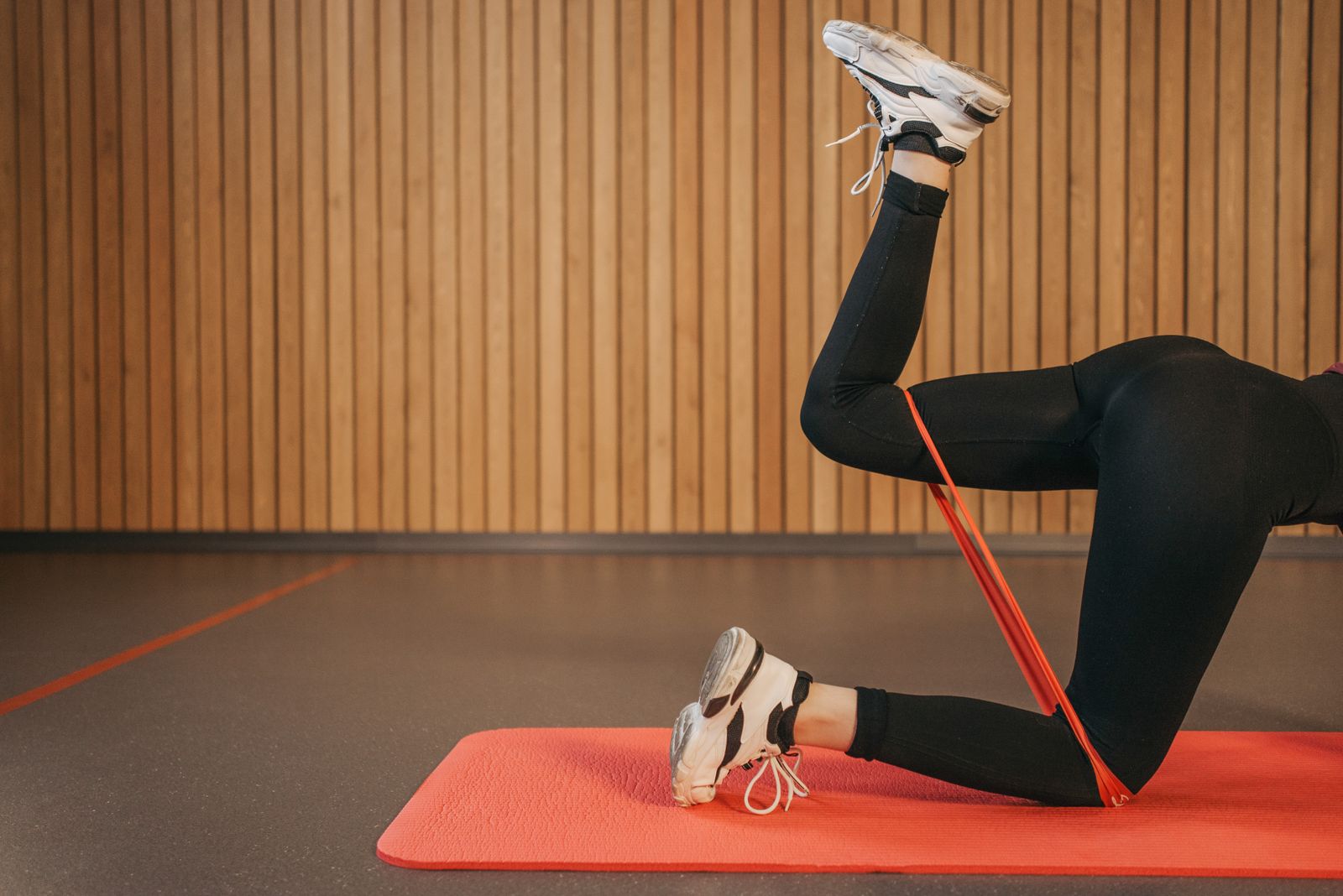
For years I believed what most lifters are told: squat and deadlift heavy, and your glutes will take care of themselves. I trained that way for a long time. And while big compound lifts do build a strong lower body, at some point I noticed something, my glutes responded differently, and better, once I started adding work that targeted them directly.
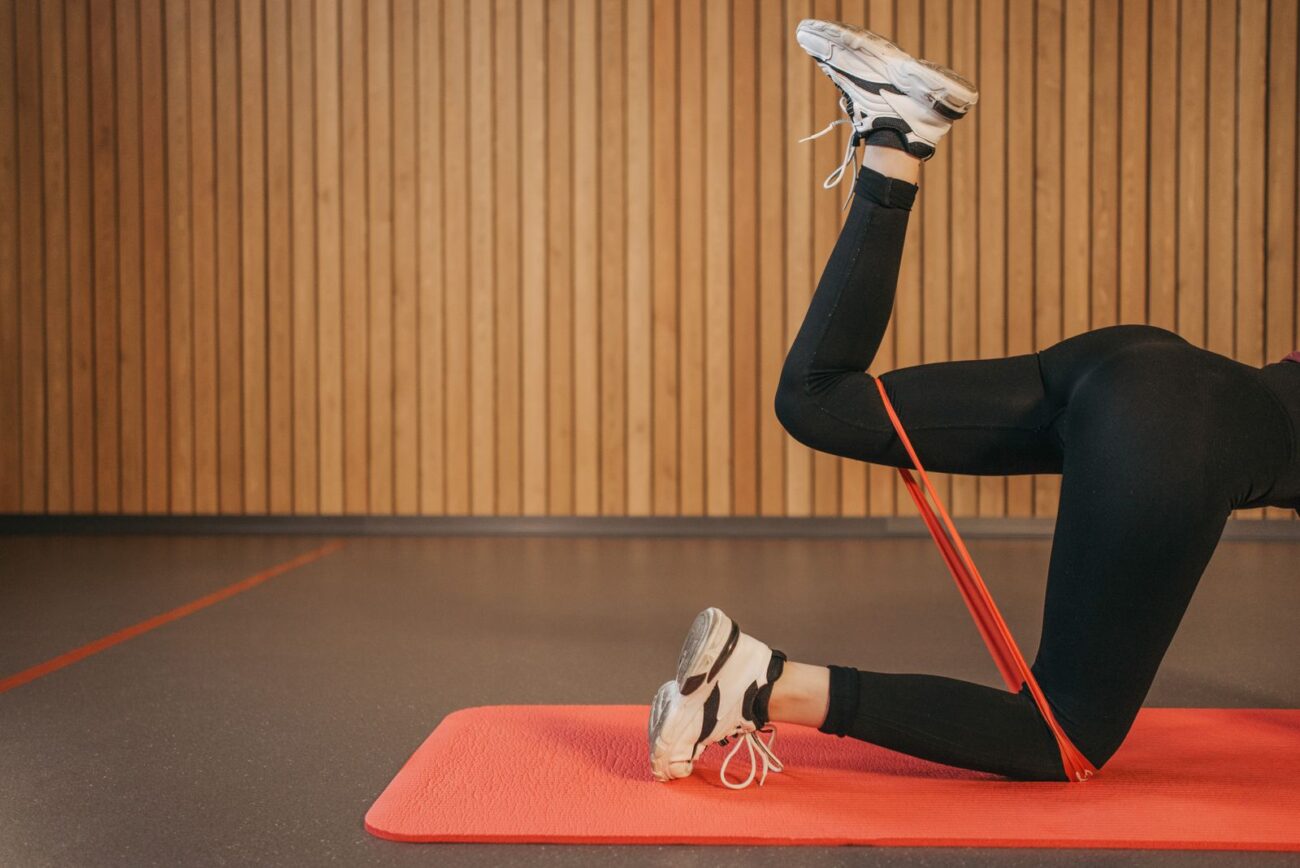
These days I include glute-specific movements alongside the heavy compounds, things like cable kickbacks and the abduction and adduction machines. The difference was clear enough that I stopped treating glute training as just a side effect of squatting. It is a real muscle group that responds to being trained on purpose, which is also why so many people, women especially, give it focused attention rather than hoping squats alone will do the job.
That shift in my own training is exactly why Glute Lab caught my attention. Its whole premise is the thing I learned the slow way: glutes need dedicated, specific training to reach their potential, not just compound lifts done in passing.
For over 20 years, Bret “The Glute Guy” Contreras has researched and refined how glutes are best trained, and he is one of the few in this space with genuine research behind his name, not just gym opinion. His book, Glute Lab: The Art and Science of Strength and Physique Training, pulls that research into a step-by-step guide for training the glutes properly.
As a natural lifter of over a decade, I went through this book to see whether it held up against what I have learned in the gym, and it does. It is one I would point people to if glute and lower-body strength is what they are after.
Why Glutes Are Worth Training Properly
Your glutes are the biggest and most powerful muscles you have, and they drive nearly every serious movement: squatting, deadlifting, sprinting, jumping. Strong glutes mean more force and better performance, not just a better shape.
They also do real protective work. The glutes help stabilise your pelvis, support your posture, and take load off your lower back and knees. Weak glutes are behind a lot of the lower-back and knee complaints lifters run into. So training them well is as much about staying healthy and moving better as it is about how they look. Appearance is one reason people train them, and a valid one, but it is not the only payoff.
What Is Inside the Book
Glute Lab is thorough. It works through the anatomy, the exercises, and full programs, and here is the part I found most useful from going through it.
It explains how the glutes function, hip extension, abduction, and the rest, so you understand what you are trying to work in each exercise instead of just copying movements. That understanding is what lets you target the muscle directly, which ties straight back to the lesson I learned the slow way.
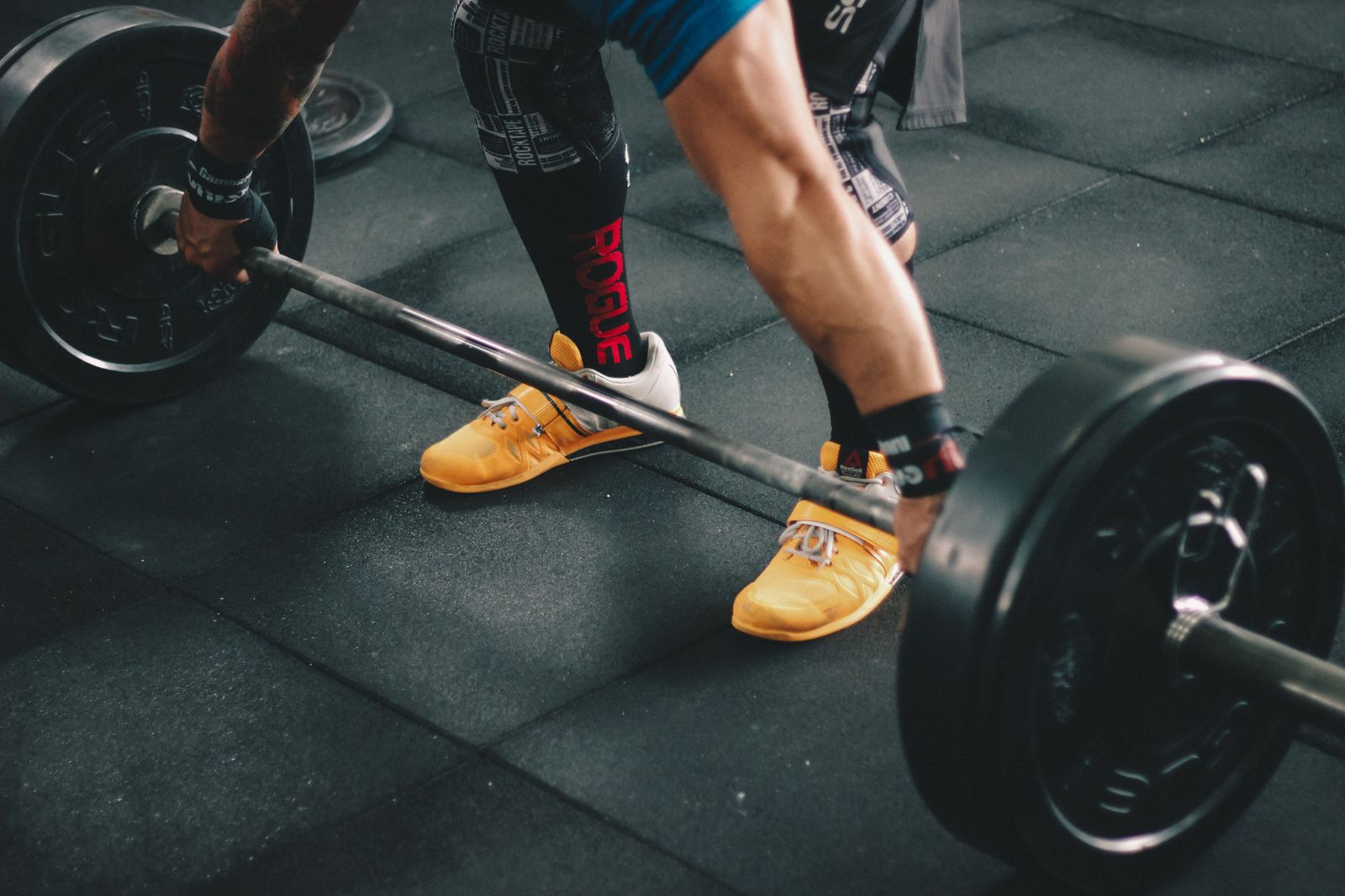
It covers how to match exercises to your goal, whether that is strength, performance, or building the muscle. It breaks down proper form on the key lifts, hip thrusts, squats, and deadlifts, with clear instructions and visuals so you are doing them right.
There are 36 weeks of structured programs across beginner, intermediate, and advanced levels, so you are not left guessing how to put it together. For anyone stuck at a plateau, it lays out more advanced methods to push past it. And it includes sensible nutrition guidance to support recovery and progress, kept practical rather than extreme.
Who It Is For
Glute Lab works for a wide range of people, which is part of why it is so well regarded.
Beginners get safe, structured programs to build a base. Athletes get work that improves power and lowers injury risk through stronger, more stable hips. People training for physique get the detail to develop the muscle deliberately. And trainers and coaches get evidence-based methods they can use with clients. Whatever level you are at, there is a path through it that fits.
The Real Reason I Recommend It
I came to glute-specific training the long way, after years of assuming the big lifts were enough. Glute Lab is the resource I wish I had read earlier, because it lays out, with actual research behind it, the thing I eventually worked out on my own: glutes grow best when you train them on purpose.
If stronger, better-developed glutes and a healthier lower body are what you are after, whether for performance, strength, or appearance, it is a solid, science-backed guide. Coming from someone who values real evidence over gym myths, that is high praise.
Frequently Asked Questions
Who is Glute Lab for?
It is for anyone who wants stronger, rounder glutes, beginners, athletes, bodybuilders, or trainers. The book works for all fitness levels.
Do I need a gym?
No. Most exercises can be done at home or adapted to a gym. No special equipment is required.
How are the programs structured?
The book includes 36 weeks of programming, with 12-week beginner, intermediate, and advanced full-body programs that focus on glutes.
Does it show proper technique?
Yes. Each exercise comes with step-by-step instructions, photos, and tips to avoid common mistakes.
Can I make my own program?
Yes. The book teaches how to select exercises, adjust intensity, and create a program tailored to your goals.
Does it include nutrition guidance?
Yes. The book provides simple strategies to improve body composition and support your fitness goals.
How long are the workouts?
Most workouts are short and practical, making them easy to fit into your schedule while still delivering results.
Why choose this book?
It combines science-backed methods, clear guidance, and variety to help you build muscle, gain strength, and overcome plateaus, safely and effectively.
As an Amazon Associate I earn from qualifying purchases, at no extra cost to you.
