



This guide was written and reviewed by Serge, MSc . As a martial artist and natural lifter with over 10 years of training experience, what I share comes from my own training and from digging into the research behind it.
Affiliate disclosure: This site has affiliate links, including Amazon. As an Amazon Associate I earn from qualifying purchases, at no extra cost to you.
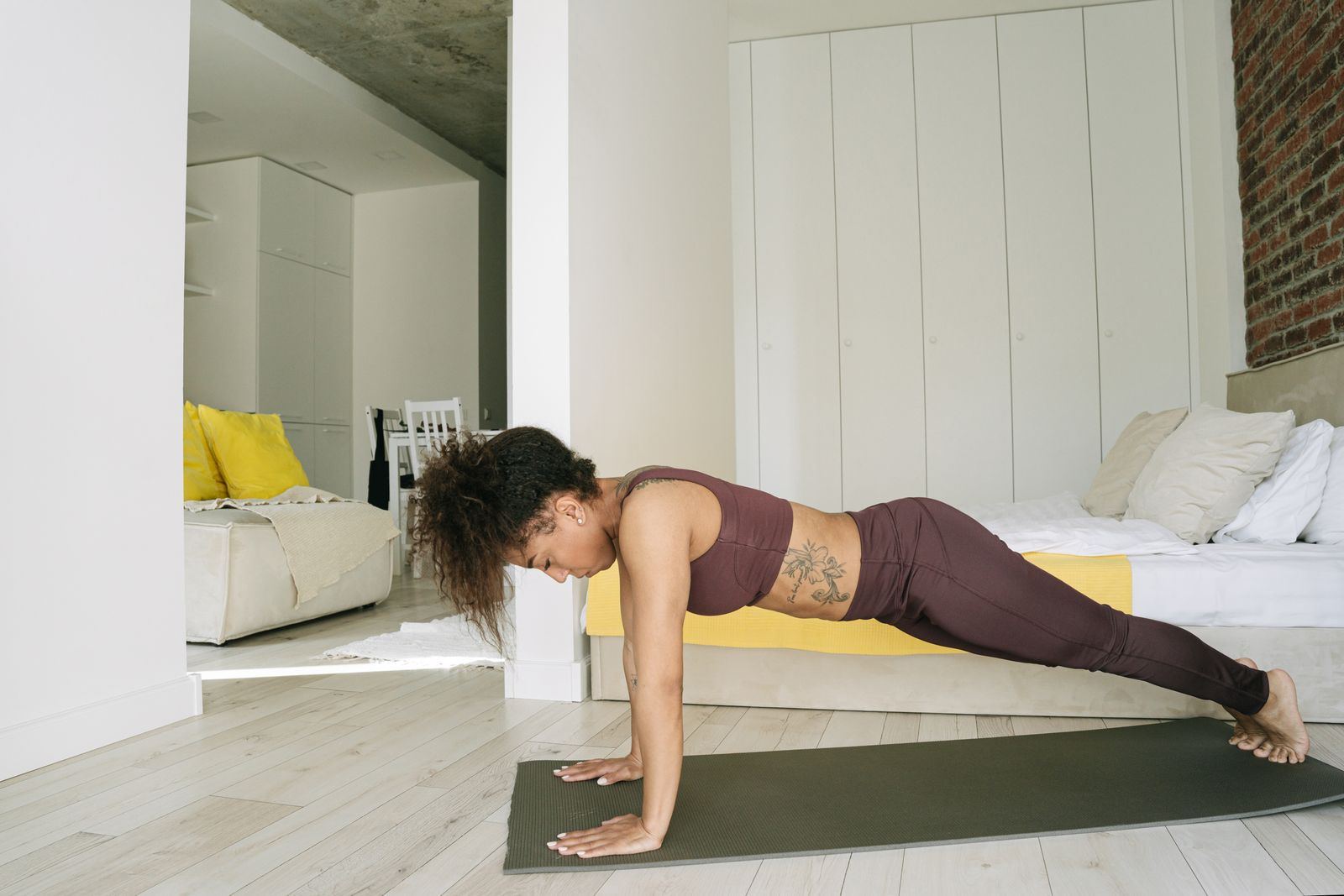
The gym is not always as simple as it sounds. Memberships add up, the machines you want are taken, and the trip there can turn something healthy into one more chore. After a while it can feel like more pressure than progress.
Getting in shape does not have to be that complicated. You do not need heavy weights or machines to start. Your own body is enough to build strength and stay in shape, and I say that as someone who trains heavy in a gym and still leans on bodyweight work every week.
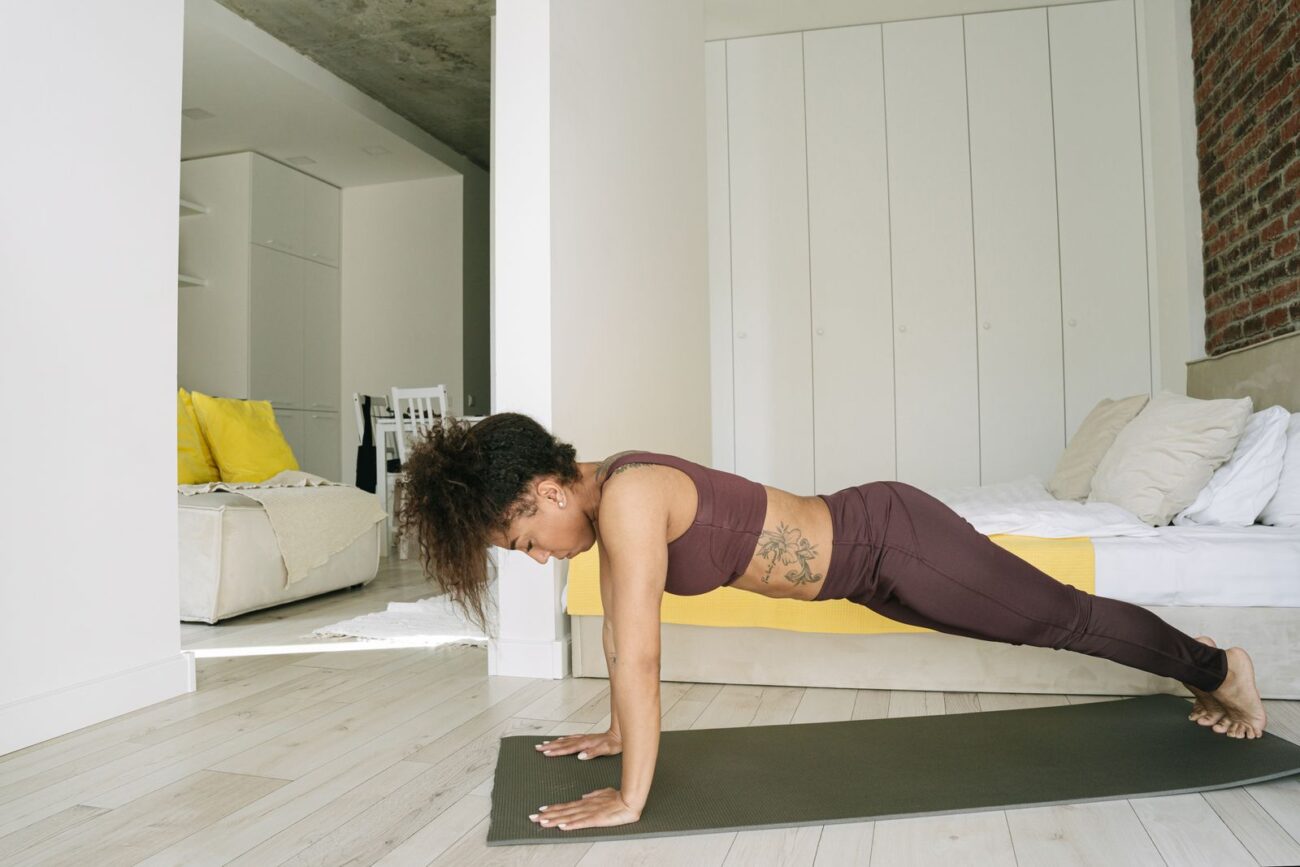
I made the same mistake a lot of people make when I was a beginner: I thought that if you were not in a gym, it did not really count. That is just a story your head tells you. Real progress does not come from a place. It comes from what you do and how consistent you are. Push-ups, squats, and planks look basic, but done regularly they build real strength and real confidence.
That is the idea behind 100 No-Equipment Workouts Vol. 1 by Neila Rey, keeping training simple, real, and possible for anyone, anywhere. No pressure, no complicated setup, just steady work at your own pace, at home, in a park, or wherever you happen to be.
What the Book Is
100 No-Equipment Workouts Vol. 1 is a collection of over 100 bodyweight routines, laid out with clear visual instructions and built so you need no gym and no equipment at all. It comes from Darebee, a well-known free fitness resource that a lot of people already train with, so the approach behind it is proven and widely used.
A few things make it work well for home training:
It uses a three-level system. Every workout has a beginner, intermediate, and advanced version, so the same book serves someone just starting out and someone who already trains hard. You scale the difficulty instead of outgrowing the book.
The routines are visual and easy to follow. You move from one exercise to the next by following simple illustrations, which is simpler to use mid-workout than pausing and rewinding a video.
There is enough variety to stay interested. One of the fastest ways to quit a routine is doing the exact same thing every day until you are bored. A big mix of routines, each scalable in difficulty, keeps it fresh.
And it needs nothing. No dumbbells, no bands, no space to speak of. Your own body is the resistance, which is the whole point.
Why I Still Train With Bodyweight, Even Though I Lift Heavy
I train heavy in the gym, that is my main work. But bodyweight training has stayed part of my routine for years, and not as a fallback. It earns its place.
It keeps my flexibility and movement quality up, which carries straight over to lifting. The more mobile and controlled I am, the better and safer my heavy lifts feel. I have written before about how flexibility, built early through martial arts, has kept me training injury-free, and bodyweight work is part of how I maintain that.
It also doubles as active recovery. On the days between heavy sessions, bodyweight movements let me stay engaged and keep the blood moving without beating my body up further. That is a real, practical reason it stays in my week, not just something I recommend in theory.
So when I say bodyweight training works, it is because it has done real things for me: it supports my lifting, it keeps me mobile, and it gives me a way to train on the days I am not under a heavy bar. That is the real case for it.
What Bodyweight Training Is Good At
A few things bodyweight work does well, in my experience:
It is low-impact and sustainable. The injury risk is lower than chasing heavy numbers, and the focus on controlling your own body builds strength you use in daily life. Consistency matters more here than load.
It builds functional strength. Movements like push-ups, squats, and planks train several muscle groups at once instead of isolating them the way a machine does. You end up moving better, not just looking trained.
It fits a real life. Schedules fall apart, gyms close, you travel. Bodyweight training goes with you, which means fewer missed sessions, and missed sessions are what stall progress.
The Limits Worth Knowing
I will not pretend bodyweight training does everything. Upper-body and core work go a long way with nothing but your body, push-ups alone can build a serious base.
But there is a ceiling, especially for legs. Once you are strong, bodyweight squats stop being enough to grow your lower body, and that is where real load and a gym eventually come in. I cover where home and bodyweight training hit their limits in more detail in my other posts.
So I would frame this book as what it is: a solid way to train with no equipment, build a real foundation, and stay consistent, whether you are starting out, training around a busy life, or using it alongside the gym the way I do. It is not a magic shortcut, and it does not need to be. Consistency is the part that works.
Who It Suits
If you want to start training with no equipment, train around a packed schedule, or add structured bodyweight work to your existing gym routine, this is a practical, well-made resource for it. It is the kind of thing I would point a beginner to, and the kind of thing I use the principles of myself on my non-gym days.
If that is you, it is worth a look.
Frequently Asked Questions
How do I get started if I am a complete beginner?
Start with the beginner-level workouts and focus on learning proper form. Do not rush. It is fine if it feels hard at first; your body adapts with time.
What if a workout feels too difficult?
Switch to an easier level or take short breaks. Progress matters more than finishing everything perfectly.
How long does each workout take?
Most are short and simple, so they fit into a busy day. You do not need hours, just consistency.
Can I combine this with other training?
Yes. You can use these workouts on rest days, while traveling, or alongside gym training to stay active. That is how I use bodyweight work myself.
What is the best way to stay consistent?
Pick specific days each week, like three or four, and treat them like appointments. Keeping it simple makes it easier to stick with.
Can I lose weight using these workouts?
They can support fat loss when combined with sensible eating, since they burn energy and build lean muscle. The eating is the bigger lever, the training supports it.
What makes bodyweight training effective?
It trains several muscles at once and improves how your body moves in real life, not just during the workout itself.
Get 100 No-Equipment Workouts on Amazon
As an Amazon Associate I earn from qualifying purchases, at no extra cost to you.
