



This guide was written and reviewed by Serge, MSc . As a martial artist and natural lifter with over 10 years of training experience, what I share comes from my own training and from digging into the research behind it.
Affiliate disclosure: This site has affiliate links, including Amazon. As an Amazon Associate I earn from qualifying purchases, at no extra cost to you.
When you’re setting up a home gym, choosing the right equipment is essential.
A quality adjustable weight bench is one of the most versatile pieces of gear you can add. It supports chest, shoulder, back, core, and even leg work, so you can train well from home.
As a natural lifter with more than ten years of training, I recommend adding an adjustable weight bench to your routine. It is a convenient way to stay in shape if you prefer training at home.
In this guide I explain what a bench lets you train, how to run a simple session, and how to use it safely. I also cover who it suits and who should skip it. For the bigger picture, see my post on top home fitness tools.
Why an Adjustable Bench Fits a Home Gym
Strength Training Variety
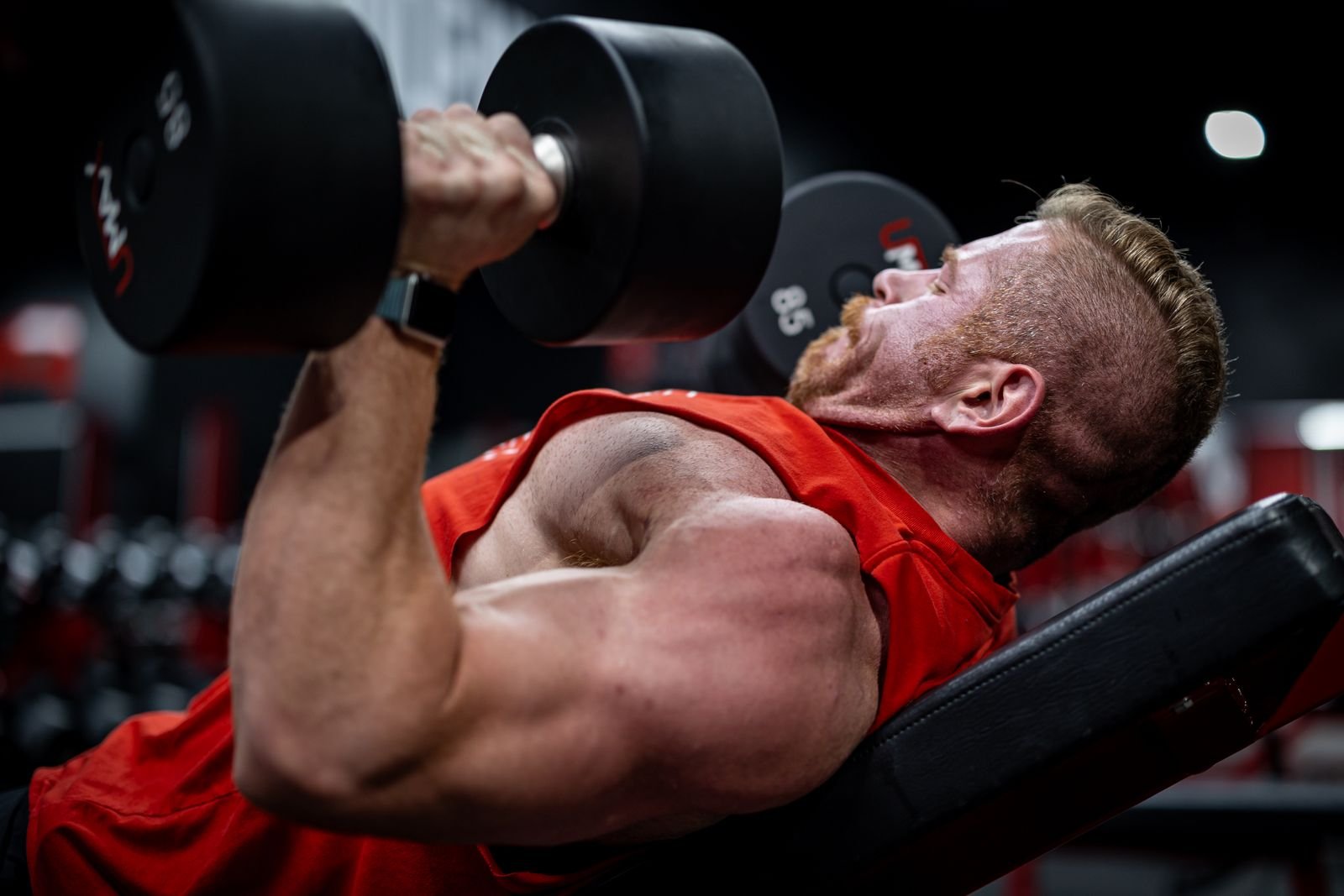
An adjustable bench is not just for flat pressing. Changing the incline and decline lets you train your chest, shoulders, back, and core. I compare the angles in my post on flat bench vs incline bench for chest mass.
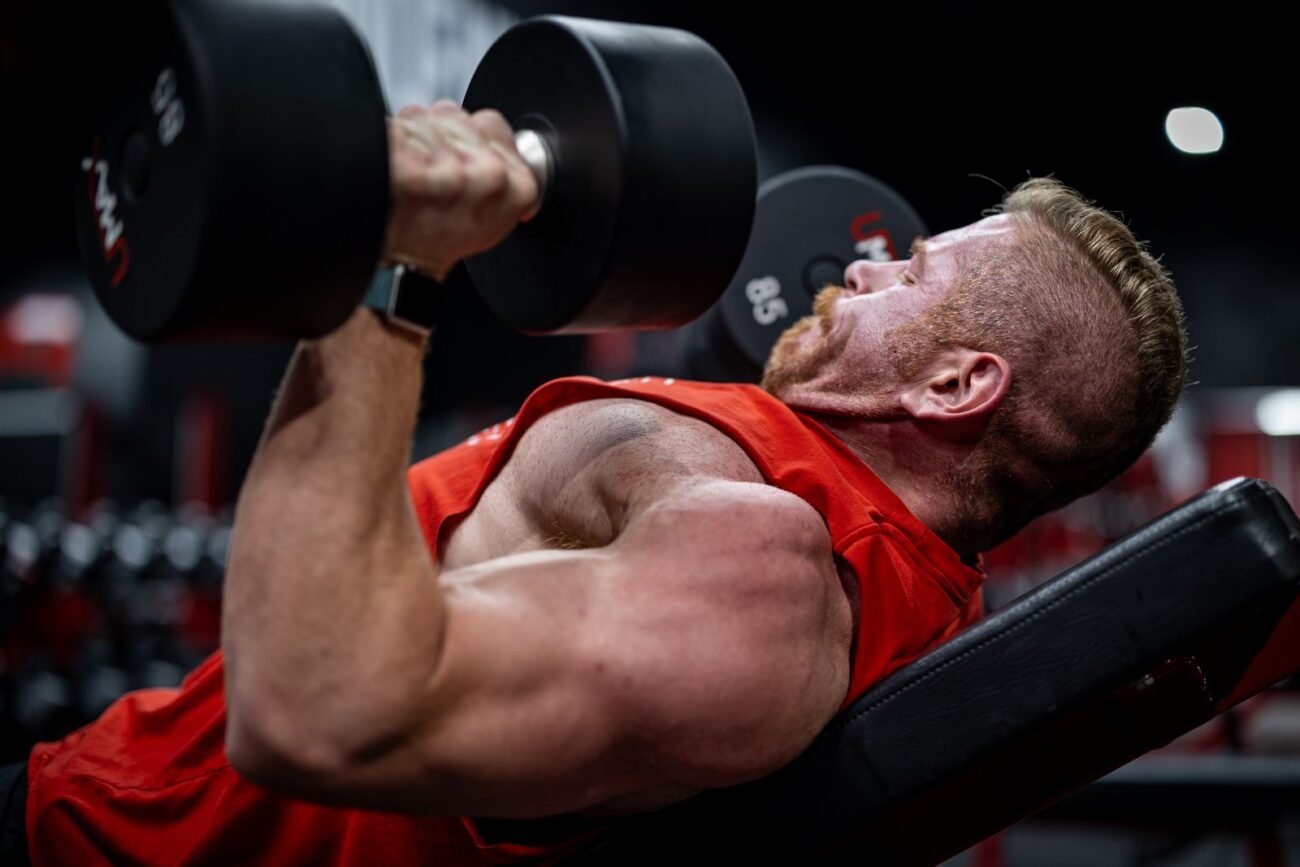
Incline presses shift the work toward the upper chest and front shoulders. Flat presses train the whole chest and the triceps, and they are the base of most upper body plans.
Decline presses put more load on the lower chest. Seated overhead presses train the shoulders, and the back support helps you stay steady while your core stays tight.
Bench ab work, such as leg raises and sit-ups, hits the core and the lower abs. The bench‘s adjustable design means you are not stuck with one type of exercise.
Space-Saving Design
Many home gyms are short on space. This adjustable weight bench folds up, so you can tuck it into a closet, under a bed, or in a corner. That frees up room when you are not training.
Check the folded size on the product page against the spot where you plan to store it. A bench that does not fit is one you will not use.
Comfort and Durability
According to the listing, this adjustable weight bench has thick foam padding. Good padding helps you stay comfortable and keep proper form during longer sessions.
Padding is only part of the picture. A bench also needs a solid frame that does not wobble, so test it before you load it with heavy dumbbells.
Easy Setup
One standout feature of this adjustable weight bench is its setup. The listing says most of it comes pre-assembled, with tools included.
That means you can unpack it and train the same day. Still, tighten every bolt and check every pin before your first set.
More Than Just a Bench
A bench works with more than pressing. It pairs well with adjustable dumbbells, kettlebells, and resistance bands. That lets you train every major muscle group with little gear.
For rows, see my post on building a big back with three exercises. For anyone serious about home strength training, this adjustable weight bench can be a staple in your routine.
A Simple Bench Session
This is a general example, not a program. Do it two or three times a week, with a rest day between sessions.
Start with an incline dumbbell press, then a flat press or a push-up variation. Add a one-arm row, a seated overhead press, and finish with leg raises.
Do 3 sets of 8 to 12 reps on each lift. Leave one or two reps in reserve, and rest about two minutes between sets. My post on how long to rest between sets explains why.
Warm up first. I built a Warm-Up Set Calculator. It gives you a simple set of ramp-up loads leading to your working weight, so you lift prepared.
To keep progressing, I created a Progressive Overload Calculator. You enter your last session and get your next weight, your rep target, and a short outlook for the sessions after it.
If you want more ideas without machines, see my post on building strength at home.
Choosing the Right Angle
Most people do well with an incline between 30 and 45 degrees for upper chest work. Steeper angles shift the load toward the shoulders, so keep overhead work on a near-upright setting.
Flat suits general chest work, and a slight decline can feel kinder on the shoulders for some people. Try each setting with light weights and keep the one that feels strong and pain free.
Whatever angle you pick, keep your feet planted, your shoulder blades pulled back, and your head on the pad. Small setup details matter more than the exact degrees.
Staying Safe on the Bench
Safety matters more on a bench than most people think. Before every set, check that the backrest is locked and the frame is steady on a flat floor.
Start with lighter dumbbells to learn the angles. If you press heavy, use a spotter or keep the weight at a level you can control.
Never trust a number you read on a random page for the weight limit. Read the capacity on the product page, and stay well under it.
Stop if you feel sharp pain in your shoulders, elbows, or back. If you have an injury or a medical condition, check with a doctor first. This post gives general information and is not medical advice.
Who This Bench Suits and Who Should Skip It
It suits people with limited space who train mostly with dumbbells. It also suits beginners who want one piece of gear to cover many exercises.
Skip it if you plan to bench heavy with a barbell. For that you need a proper rack or safety arms, and a foldable bench alone is not enough.
Foldable benches can also feel less rigid than a fixed commercial bench. If you are tall or lift very heavy, compare options and read recent reviews before you buy.
Adjustable Bench vs Flat Bench
A flat bench is simpler and often feels more rigid. An adjustable bench gives you far more exercises, which matters when you only have room for one.
If you mostly press with dumbbells, adjustable wins for variety. If you mainly bench with a barbell and a rack, a fixed flat bench may suit you better.
What I Would Check Before Buying
Look at the backrest lock first. It should click firmly into each position and not slip when you push into it.
Then check the pad. It should be firm enough to support you, with a cover that does not slide. Read recent reviews for comments about wobble, squeaks, or pad wear.
Finally, measure your space for both use and storage. Leave room to extend your arms and swing dumbbells safely.
What the Listing Says
The listing mentions 7 backrest positions, a mostly pre-assembled frame with tools included, and foam padding. It also says leg weights are not included.
I have left out weight limits, folded dimensions, and warranty terms here. Those details can change, so read them on the product page before you buy.
Summary
If you want to build muscle, tone up, or get stronger at home, this weight bench is worth a look. Its adjustable design lets you train every major muscle group.
It is practical, easy to store, and simple to use. Pair it with a smart plan and steady effort, and it can carry a large part of your training.
