








This guide was written and reviewed by Serge, MSc . As a martial artist and natural lifter with over 10 years of training experience, what I share comes from my own training and from digging into the research behind it.
Affiliate disclosure: This site has affiliate links, including Amazon. As an Amazon Associate I earn from qualifying purchases, at no extra cost to you.
If you’re a natural lifter who’s been training for years like I have, you know that progress is as much about consistency and smart training as it is about seeing through the misconceptions that fill the fitness world.
Over more than a decade of lifting, I’ve watched countless myths cloud people’s training, especially for those of us committed to lifting naturally, without performance-enhancing substances. Beginner or experienced, knowing what’s fact and what’s fiction makes a real difference to your progress.
Before we start, let me be clear: this is about natural bodybuilding. If you’re after information on enhancements or performance-boosting substances, this isn’t the place. That’s not a judgment, we all have our own paths, and I respect that. But this space is for people committed to training naturally, and that’s the lens for everything here.
So let’s bust some of the most common natural-lifting myths.
1. Lifting Heavy Makes You “Bulky”
A lot of people fear that lifting heavy will suddenly make them bulky. For a natural lifter, that’s not how it works. Building real muscle is a slow process that depends on training, nutrition, genetics, and years of consistent effort. You don’t accidentally get huge from lifting heavy, if only it were that easy.
So the takeaway isn’t “use light weights to avoid bulk,” which is its own myth. It’s the opposite: train properly with challenging weights and good form, and let the slow, steady process do its thing. As a natural, excessive bulk isn’t something that sneaks up on you.
2. You Need Huge Amounts of Protein
Protein matters for recovery and growth, but you don’t need the enormous amounts often pushed online. There’s a sensible range that covers most natural lifters, and beyond that, extra protein doesn’t build extra muscle, your body just uses it for energy or stores it.
Rather than chasing ever-higher protein numbers, focus on getting enough quality protein consistently as part of a balanced diet. That covers what your body can actually use.
3. You Need Isolation Exercises to “Sculpt” Muscle

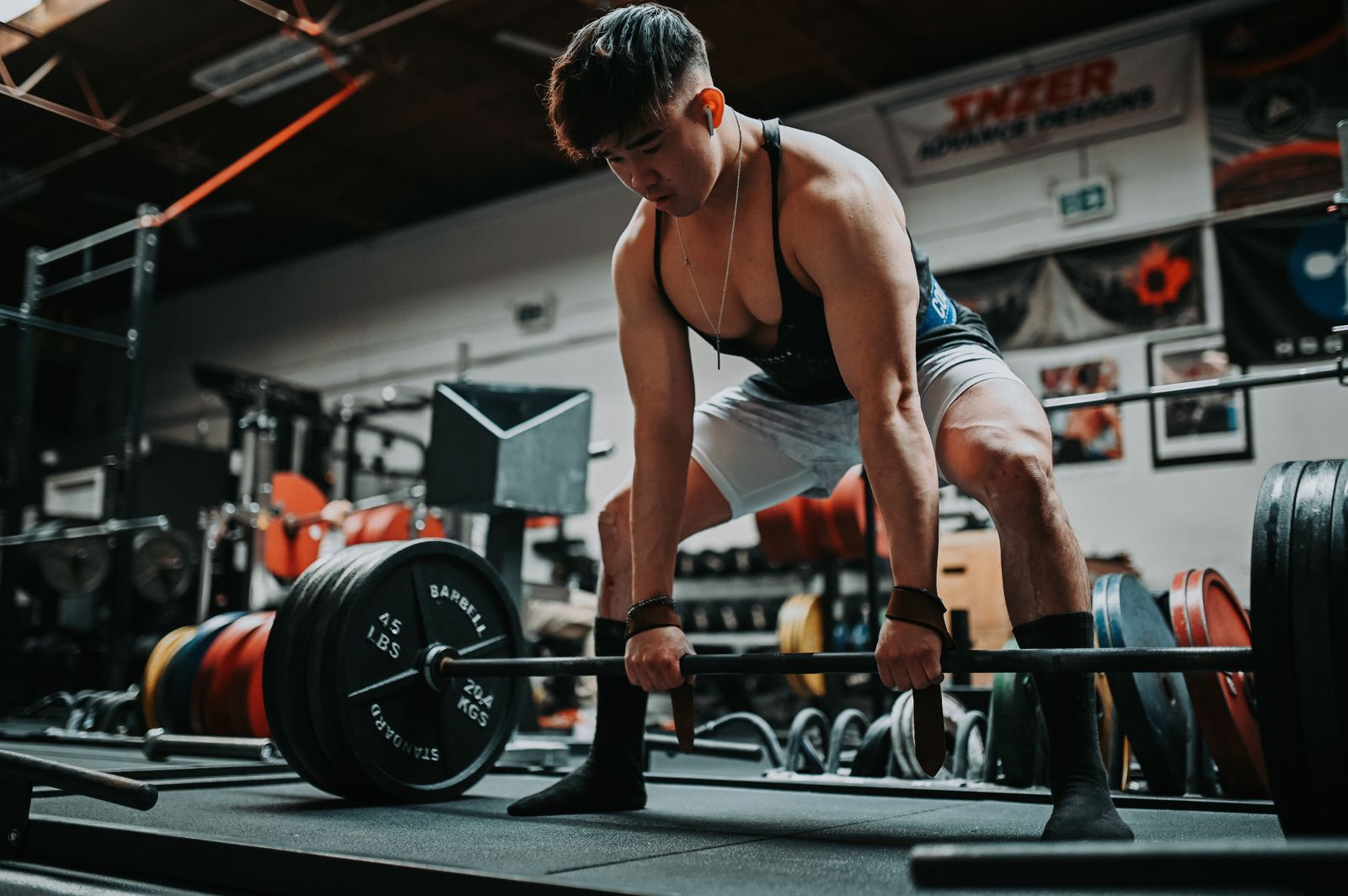
Curls and tricep extensions get treated as the key to a sculpted physique, but compound movements should be the core of a natural lifter’s training. Squats, deadlifts, presses, and rows work multiple muscle groups at once and build more overall muscle and strength.
Isolation work has its place as a supplement, but it’s the compounds that drive the real development. Build around those first.
4. You Have to Train Every Day
Rest and recovery are as important as the training itself. Your body builds muscle during recovery, not during the workout. Training every day without rest leads to fatigue, burnout, and injury.
For most natural lifters, four to five focused sessions a week with proper rest days is plenty to keep progressing. More isn’t better here. Recovery is part of the program, not a break from it.
5. Cardio Will Kill Your Gains

The idea that any cardio destroys your muscle is a myth. Moderate cardio supports fat loss and heart health without wrecking your muscle growth. The key, as always, is balance.
A couple of cardio sessions a week alongside your strength training improves your conditioning while you keep building. I’ve used cardio this way for years, and it’s helped, not hurt, my results.
6. You Can’t Build Muscle While Losing Fat
You can lose fat and gain muscle at the same time, especially if you’re newer to lifting, but experienced lifters can manage it too with the right approach. It comes down to a slight calorie deficit combined with consistent strength training and sensible programming.
It takes patience, but it works. It’s pretty much what I’ve always done, and it’s still working for me. Holding that balance of training, nutrition, and recovery has been central to my ongoing progress.
7. You Have to Train for Hours
Longer workouts don’t mean better results. Spending hours in the gym often just leads to burnout and diminishing returns. Shorter, focused sessions of around 45 to 60 minutes, done with real intensity and good technique, are usually more effective.
Quality beats quantity. Less time with more focus tends to produce better outcomes than marathon sessions.
8. You Need Supplements to Build Muscle
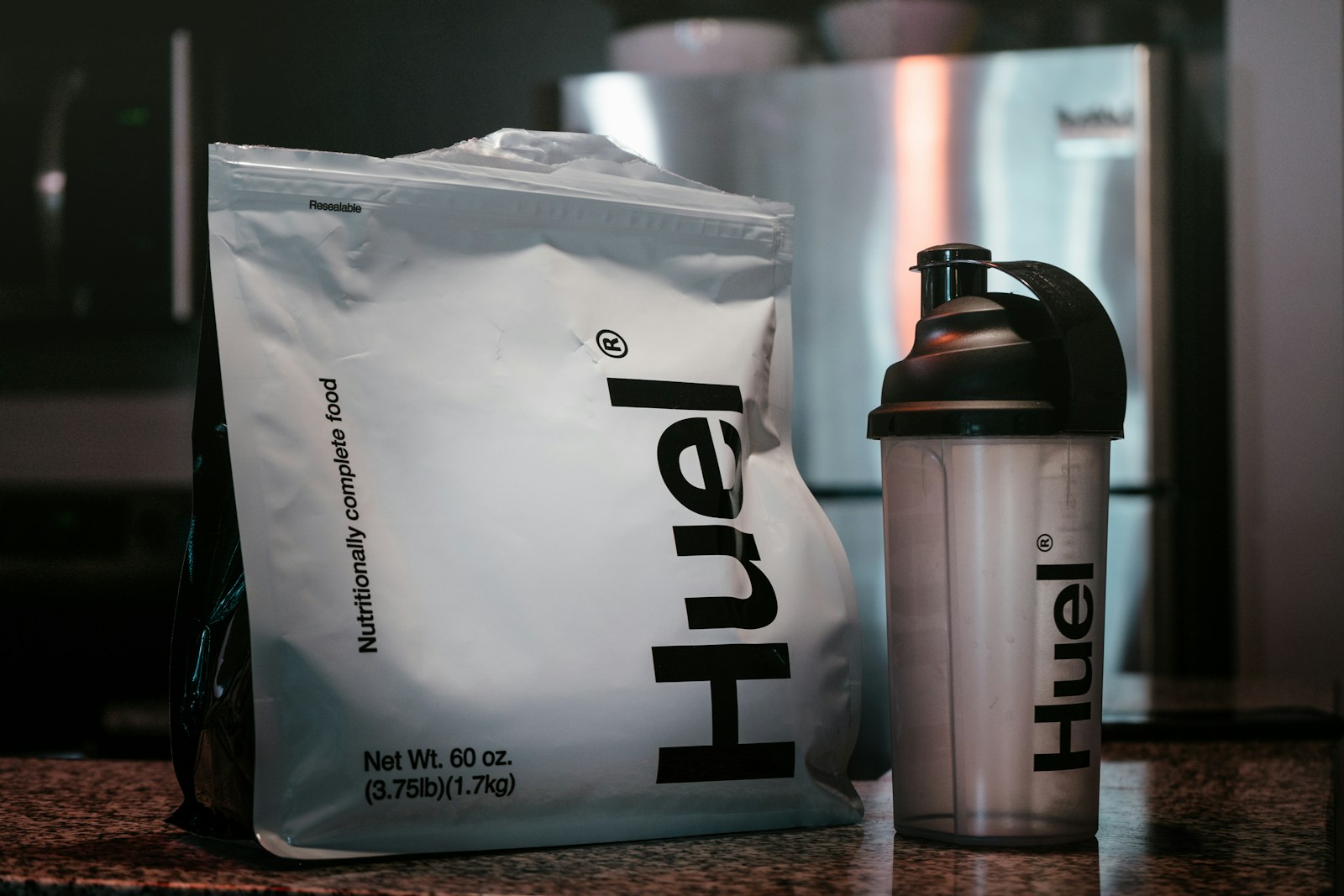
Supplements like protein powder or creatine can help, but they’re not essential. The foundation of muscle growth is a balanced diet built on whole foods, plus consistent training. Supplements are a minor add-on at most, secondary to the hard work and consistency that actually build muscle. Don’t let anyone convince you a product is the missing piece.
9. You Can Spot-Reduce Fat
Spot reduction is a myth. Crunches won’t burn belly fat, and leg lifts won’t melt fat off your thighs. Fat loss happens across your whole body as a result of an overall calorie deficit through diet and training.
Focus on overall fat loss through consistent habits, and over time fat comes off everywhere, not just where you’d most like it to.
10. It’s Too Late to Build Muscle
Plenty of people assume that past a certain point it’s no longer possible to build muscle. In my experience, that’s far more limiting a belief than a reality. Strength training rewards consistency at any stage, and people who keep training, recovering properly, and progressing sensibly continue to make progress for a long time.
Your starting point matters less than your willingness to keep showing up. It’s rarely as “too late” as people tell themselves.
Conclusion
Natural bodybuilding rewards patience, consistency, and a focus on the fundamentals. See past these myths, train smart, eat sensibly, and the steady progress comes.
Muscle takes time, but with the right approach it’s there for the taking. Stick to the basics, respect your body, and keep showing up. The results follow the people who don’t quit.
