





This guide was written and reviewed by Serge, MSc . As a martial artist and natural lifter with over 10 years of training experience, what I share comes from my own training and from digging into the research behind it.
Affiliate disclosure: This site has affiliate links, including Amazon. As an Amazon Associate I earn from qualifying purchases, at no extra cost to you.

After more than a decade of natural lifting, I’ve learned that how you move matters as much as how much you move. Good form protects your joints, makes your training actually work, and keeps you progressing for years instead of getting hurt and starting over.
I learned a lot of this the hard way, through pain, plateaus, and trial and error. So here are the honest signs that your form might need attention, the ones I’ve felt myself and seen in others. None of these are about lifting less. They’re about lifting better.
1. Your Joints and Tendons Are Always Sore
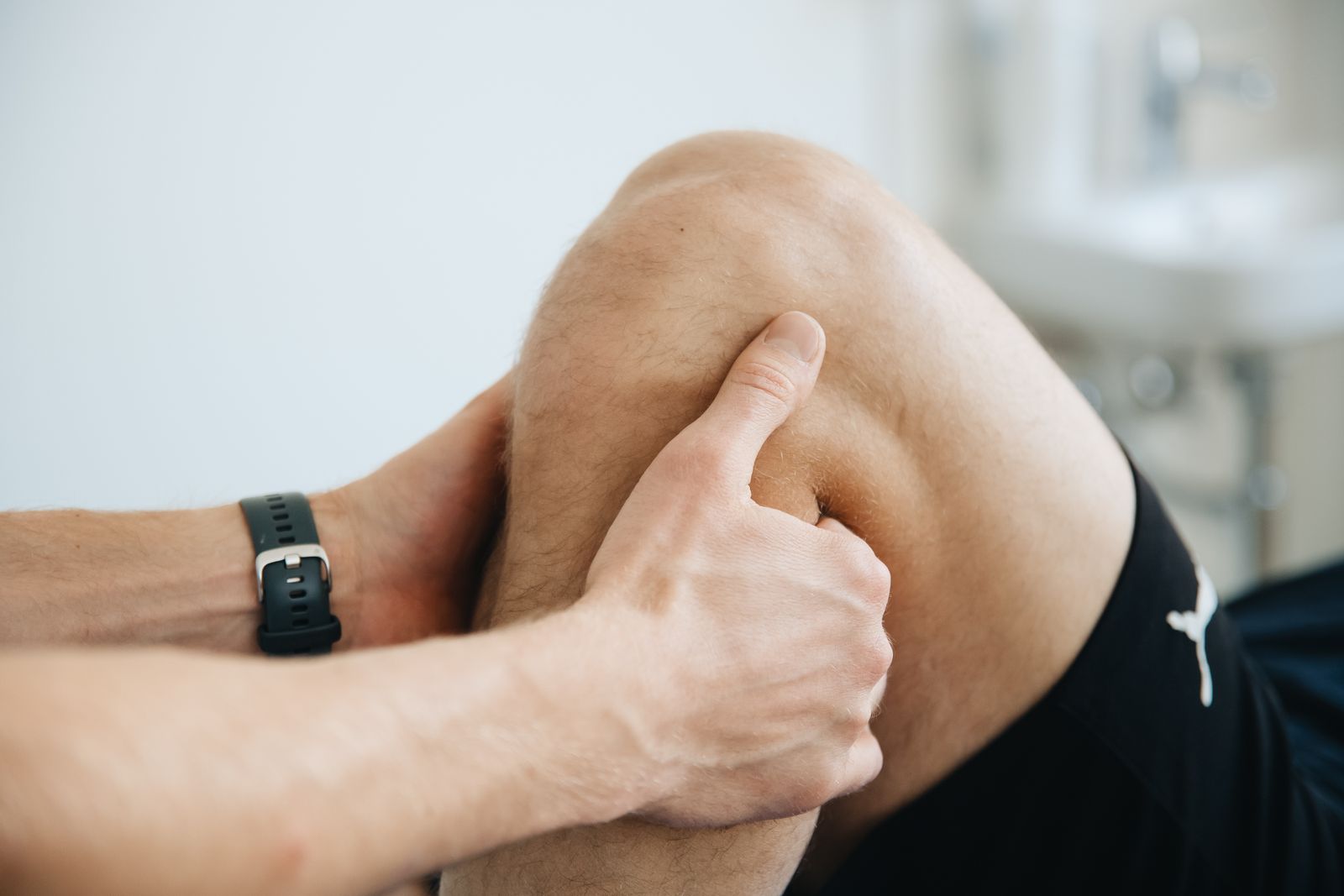
When your technique is off, the load that should be going through your muscles ends up stressing your joints, ligaments, and tendons instead. The result is persistent aches that don’t settle.
Heavy weight by itself doesn’t cause joint pain, poor form under heavy weight does. I had my share of nagging joint pain early on, and once I cleaned up my technique, a lot of it simply went away. If you’re constantly battling joint aches, your form deserves a closer look before you blame the weight.
2. You Lean on Belts and Wraps for Everyday Lifting
Belts and wraps have a real place. I use them myself when I’m lifting heavy, and there’s nothing wrong with that. But they’re tools for your heaviest work, not a daily crutch.
If you need a belt and wraps just to get through your normal sessions, that’s worth questioning. It can mean you’re relying on the gear to do what your own stability and technique should be handling. I keep mine for the heavy days and lift without them the rest of the time, and that’s helped my body do its own work. Use the support when the load truly calls for it, not to paper over form on everyday lifts.
3. Your Heavy Lifts Are Inconsistent
If some days you can lift heavy comfortably and other days the same weight feels impossible, it’s often not your strength that’s the problem. It’s your technique.
When my mechanics were dialed in, my performance got far more consistent, I felt strong and stable instead of guessing whether today would be a good day. Strength built on solid form shows up reliably. Strength built on shaky form comes and goes. Wild day-to-day swings are usually a technique signal, not a strength one.

4. Your Soreness Lingers for Days in a Bad Way
Some muscle soreness after training is normal. But there’s a difference between healthy soreness that fades in a day or two and the kind that lingers and nags for days.
Persistent, lingering soreness can point to poor movement patterns creating muscle imbalances and unnecessary strain. I used to get those overly sore, beat-up days early on, and once I focused on cleaner mechanics, that constant worn-down feeling mostly disappeared. If you’re always wrecked rather than worked, look at how you’re moving.
5. You Lift in Thick, Soft-Soled Shoes
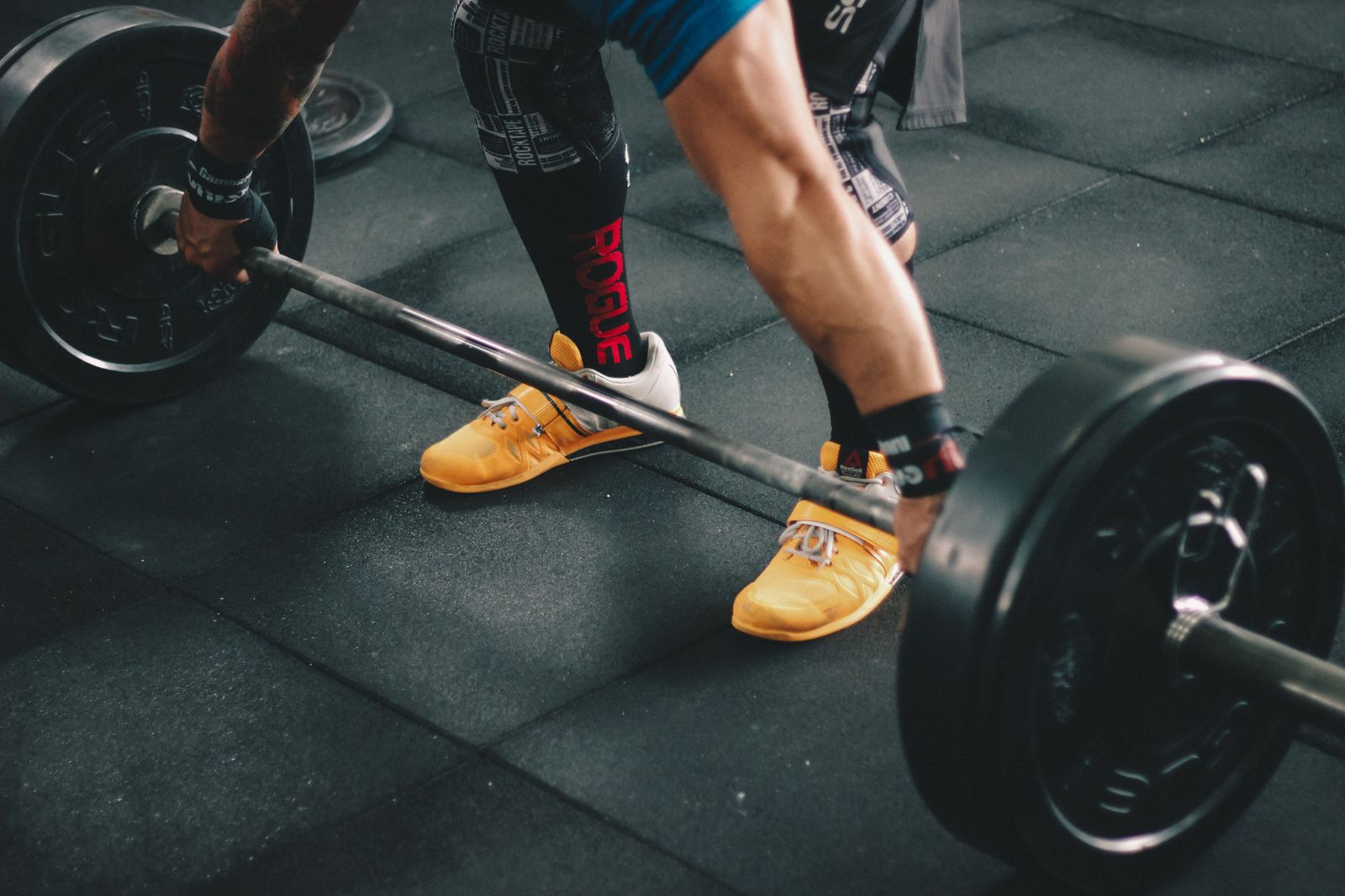
This one’s a personal preference backed by experience: I lift in flat shoes, and it’s made a real difference for me. Thick, cushioned running-style soles are built for running, not lifting. On squats and deadlifts especially, a soft, unstable sole can throw off your foot and ankle, which affects everything above it.
A flat, stable sole lets your foot grip the floor and your ankle do its job, which improved my technique and eased some of the knee and hip discomfort I used to get. If you’ve only ever lifted in cushioned trainers, flat shoes are worth trying, it’s a small change that helped me more than I expected.
6. You Can’t Feel the Muscle You’re Working
If you can’t feel the target muscle doing the work during a lift, your form is probably off. Being able to engage and feel the muscle you’re training, the muscle-mind connection, matters a lot for both results and injury prevention.
I made a habit of focusing on the working muscle on every rep, and it changed the quality of my training. If a movement is just happening to you rather than you driving it with the right muscle, slow down and refine the pattern until you feel it where you should.
A Note on “Overtraining”
One more thing worth mentioning. Early on I’d feel run-down, irritable, and stuck, and I’d put it all down to overtraining. Sometimes that was true, recovery and volume really matter, and real overtraining exists. But part of it, for me, was also that sloppy mechanics were making my sessions more punishing than they needed to be.
Cleaning up my form meant I could train hard without feeling as beaten up afterward. So if you feel constantly fried, look at your recovery and your volume first, but don’t rule out that poor technique might be adding to the toll.
Conclusion
In over ten years of natural lifting, the biggest lesson is simple: lifting well beats lifting heavy with bad form, every time. Good mechanics protect your joints, make your training productive, and keep you in the game for the long haul.
If a few of these signs sound familiar, treat it as useful information, not a failure. Take some weight off, film a set, focus on the movement, and rebuild the pattern. Lifting is a marathon, not a sprint, and a solid foundation of form is what lets you keep progressing without breaking down.
