




This guide was written and reviewed by Serge, MSc . As a martial artist and natural lifter with over 10 years of training experience, what I share comes from my own training and from digging into the research behind it.
Affiliate disclosure: This site has affiliate links, including Amazon. As an Amazon Associate I earn from qualifying purchases, at no extra cost to you.

After more than ten years of natural lifting, I’ve learned that the thing that actually works is the least dramatic one: building habits you can keep. Not quick fixes, not extreme diets that leave you burned out. Just sustainable changes that add up over years.
I’ve watched too many friends and gym-goers fall into the opposite trap, slashing calories to the extreme, cutting out whole food groups, and crashing not long after.
A few days ago I ran into an old friend at the gym who looked shredded. But something was off. He looked great, yet he was exhausted and struggling to get through his session.
He told me he was on a strict keto diet and eating only once a day. Keto works for some people, but for someone training hard and trying to build muscle, eating that little was clearly costing him. His energy was tanking. He was sacrificing how he actually felt and performed for a short-term look.
The Problem: Great Look, No Energy
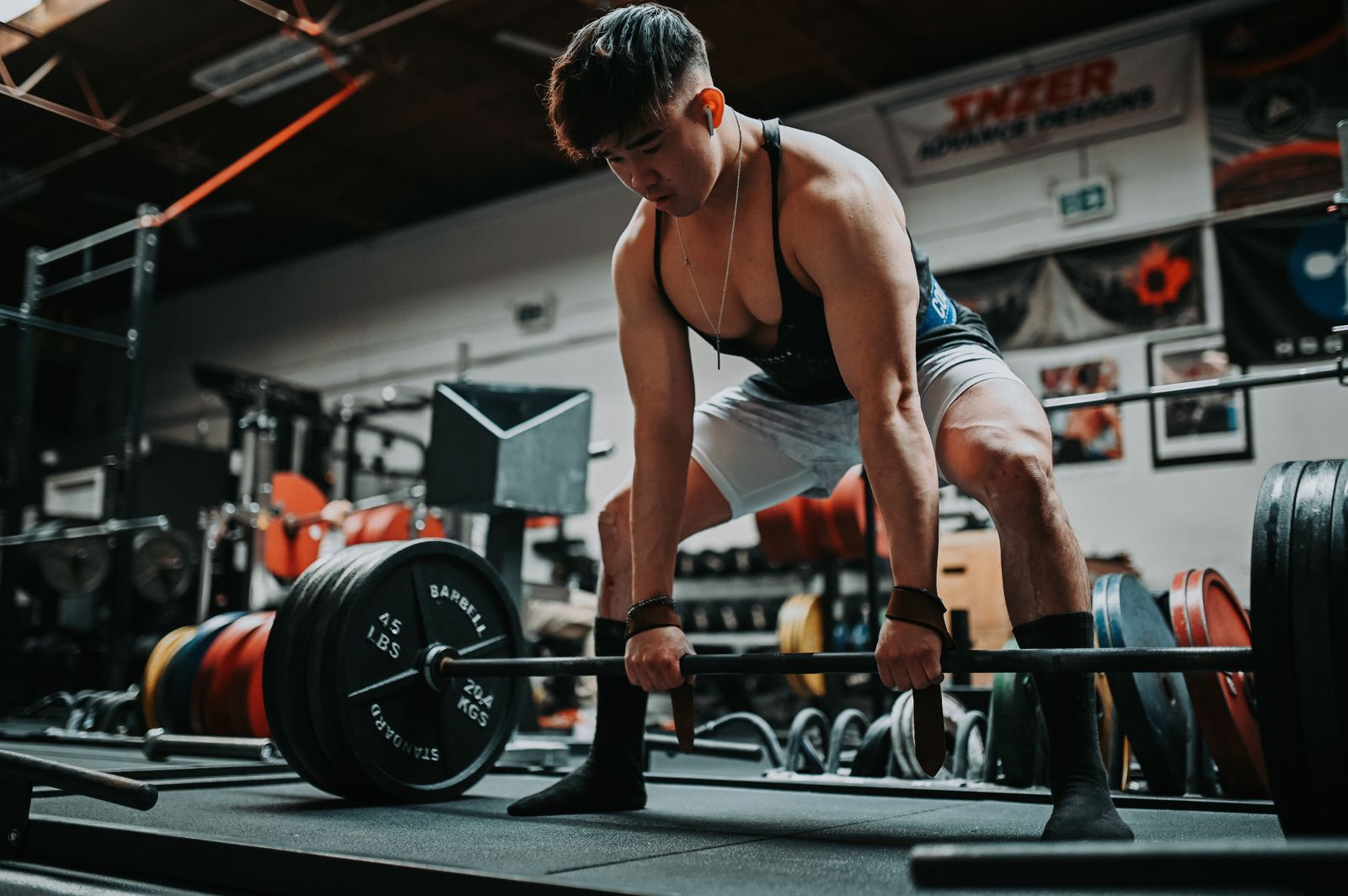
We hit the weights together, and within minutes the issue was obvious. His usual intensity just wasn’t there. Within about fifteen minutes he had to cut the workout short. The shredded look was real, but the energy and performance behind it weren’t.
That’s the thing extreme approaches hide. You can force a certain look for a few weeks, but if it leaves you drained and unable to train properly, it isn’t really working. Real fitness and lasting fat loss need consistency, steady energy, and a plan you can hold for the long haul, not a sprint that burns you out.
My Approach: Small, Sustainable Habits
Instead of extreme diets, I’ve built my fitness around small, gradual habits, manageable changes that support my body rather than overwhelm it. I don’t starve myself or cut out entire food groups to stay lean and strong. I focus on lifting hard, eating a balanced diet, and gradually layering in healthier habits over time.
This isn’t a complicated philosophy. It’s the opposite of complicated, which is exactly why it lasts. Tiny changes you can actually keep beat dramatic ones you can’t.
If this idea appeals to you and you want a deeper, structured take on it, there’s a well-regarded book that lines up closely with this approach: Stephen Guise’s Mini Habits for Weight Loss.
I arrived at the habits-over-restriction idea through my own years of training, but the book lays out the small-habits method in detail, with the reasoning behind why tiny, sustainable changes work better than forcing dramatic ones your brain and body resist. If you want a structured guide to the idea, it’s a solid, popular read on the subject.
As an Amazon Associate I earn from qualifying purchases. This is an affiliate link, at no extra cost to you.
A New Perspective for My Friend
At first my friend was skeptical. He’d seen fast results from his strict approach, even if his energy was always low and his workouts were suffering. He couldn’t see the long-term payoff for all that effort.
So I shared how I do it: sustainable fitness isn’t about extreme diets or obsessive calorie counting, it’s about habits that nourish your body instead of exhausting it. Rather than cutting foods out, I make small adjustments I can actually maintain.
A week later he called me. “You were right. I feel so much better. More energy, harder workouts, and I’m not stressing over every meal.” What stood out most was that his training had improved. Without the draining restrictions, he was lifting more, recovering faster, and feeling stronger. His body was doing better because he’d stopped fighting it.
Why It Works: Small Habits, Big Results
The key to lasting fitness is building habits you can sustain, not extreme diets that leave you burned out. That’s what my own decade of training has taught me. Small changes, repeated consistently, lead to big lasting results.
If you’ve ever struggled with restrictive diets or punishing routines, you know how frustrating they are. They tend to lead to burnout and fatigue, which makes progress impossible to hold onto. Start instead with small habits you can actually stick to. That approach has kept me strong, lean, and full of energy for years.
My friend is on the right track now. He’s not forcing his body into something it can’t handle. He’s working with it instead of against it.
Making the Change
If you’re tired of extreme diets and calorie-counting misery, the shift that helps most is simple: stop dieting at your body, and start building habits it can live with. Getting leaner, gaining muscle, or just living healthier doesn’t have to feel like a constant fight.
The core idea costs nothing to start: pick one small change you can keep, and build from there. And if you’d like a structured resource on the small-habits approach, the book above is a good place to go deeper.
Whatever stage you’re at, that’s the approach I’d put my money on. Small, steady, sustainable. It’s what lasts.
As an Amazon Associate I earn from qualifying purchases. This is an affiliate link, at no extra cost to you.
