







This guide was written and reviewed by Serge, MSc . As a martial artist and natural lifter with over 10 years of training experience, what I share comes from my own training and from digging into the research behind it.
Affiliate disclosure: This site has affiliate links, including Amazon. As an Amazon Associate I earn from qualifying purchases, at no extra cost to you.
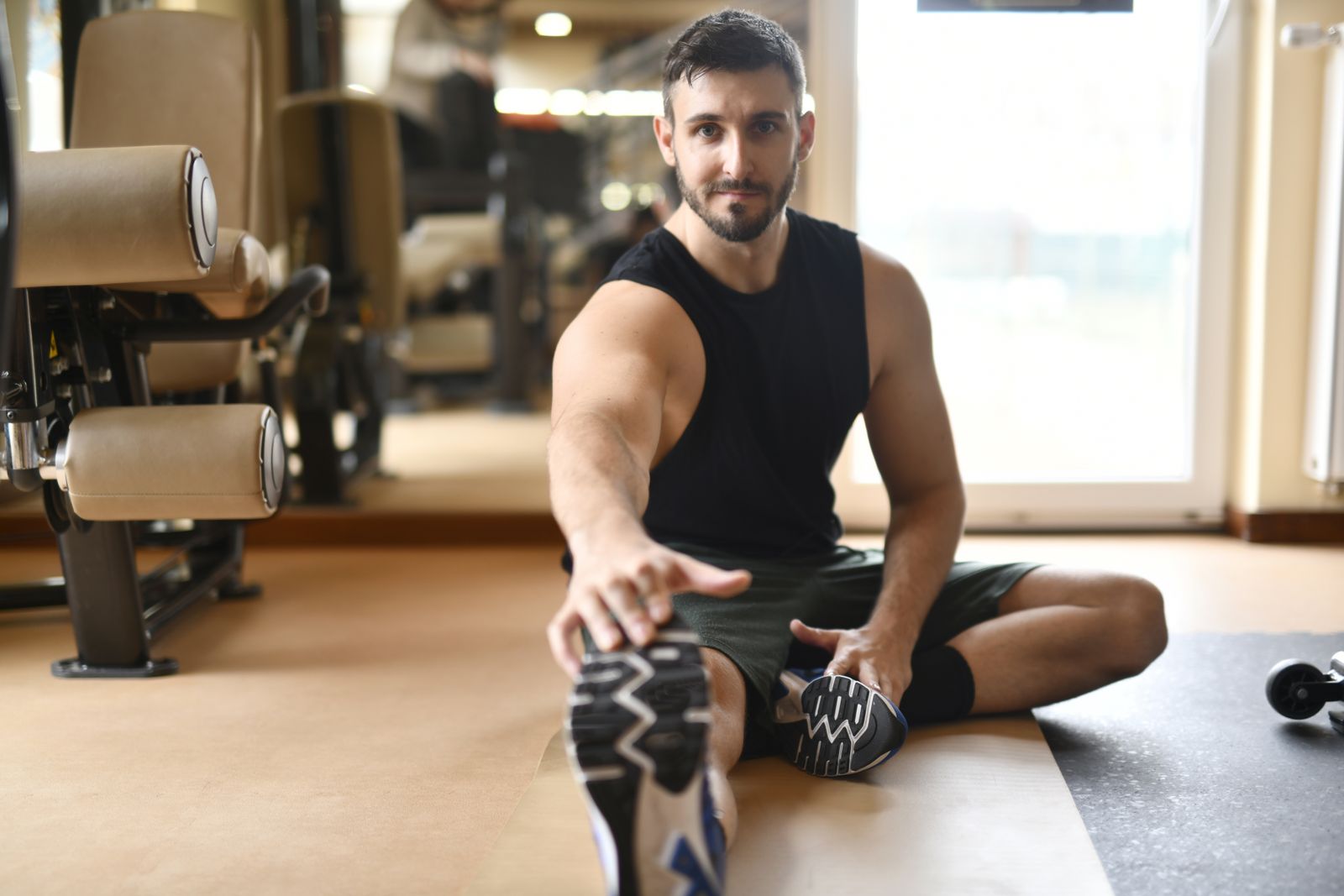
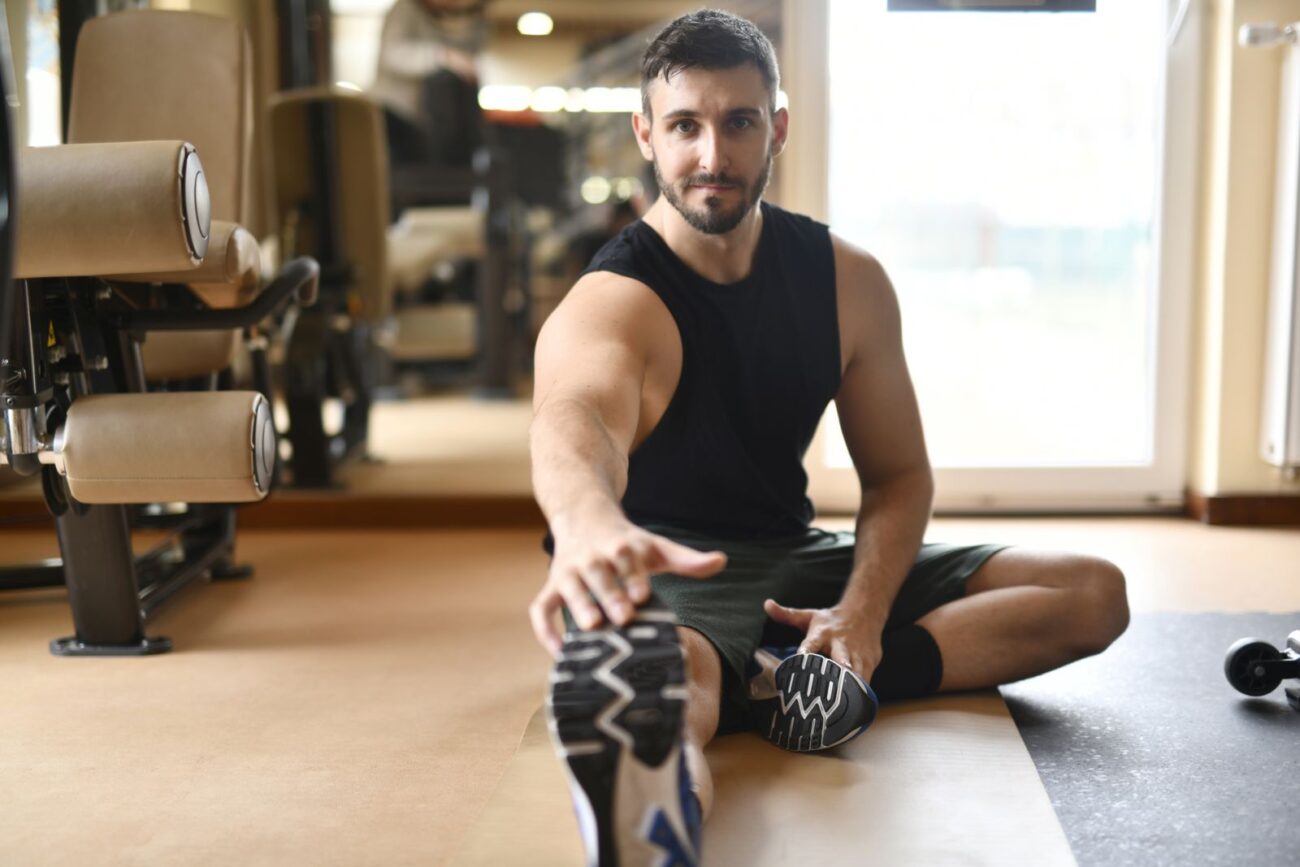
Stretching is the part of training most lifters skip, rush, or treat as an afterthought. You finish your last set, you are tired, and the last thing you want to do is spend ten more minutes on the floor. I understand the pull to walk straight out of the gym.
But stretching is one of the quietest, most underrated tools a lifter has, and the people who keep doing it are usually the ones still training hard and pain free years down the line.
This is not about turning you into a gymnast. It is about keeping the range of motion that lets you lift well, recover well, and stay in the game. Here is why it matters for anyone who picks up a barbell, and how to fit it in without it taking over your training.
Why Lifters Need to Stretch
Heavy training tightens you up. That is not a flaw in how you lift, it is just what happens when you repeatedly load muscles through a limited range. Squats and deadlifts especially leave the hips and lower back feeling locked down. Left unchecked, that tightness slowly robs you of positions you need, depth in your squat, a flat back in your deadlift, a clean rack position on the front squat or press.
Keeping some flexibility protects all of that. When your hips, ankles, shoulders, and upper back move freely, you hit better positions under the bar, which means better leverage, cleaner technique, and less stress dumped onto the joints that get hurt when range runs out.
There is a myth that lifting heavy and staying mobile cannot coexist. They can. You just have to maintain the mobility on purpose rather than assume it will look after itself.
Static Stretching Is Not a Warm-Up
One mistake worth clearing up early: long static stretches before you lift are not a warm-up, and they can leave you feeling slack rather than ready. Holding a deep stretch cold, before the muscle is warm, does not prepare you to put a heavy bar on your back.
Before training, move instead. Dynamic mobility takes a joint gently through its full range over and over, warming the tissue and waking up the muscles you are about to use. Save the longer static holds for after the session or for separate mobility work on another day, when you are not about to test your strength. Static stretching has its place, just not as the thing you do right before a heavy set.
How to Fit Stretching Around Your Training
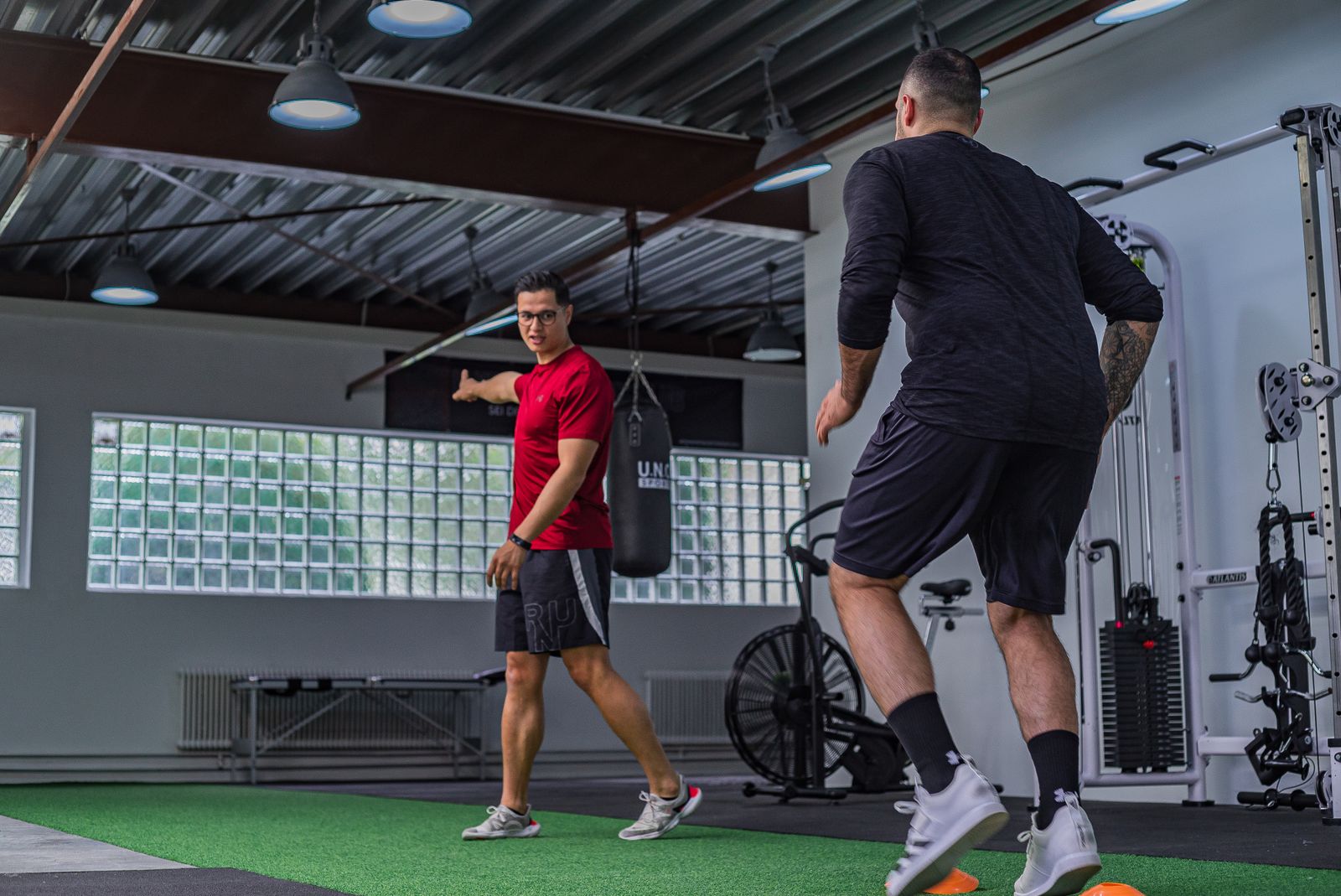
You do not need a long daily routine for this to work. A dedicated mobility or stretching session once or twice a week is enough for most lifters to hold onto their range, and you will feel the payoff in two places: smoother recovery and cleaner technique, because looser hips and shoulders let you get into better positions.
The tightness tends to show up most after heavy squat and deadlift days, when the hips and lower back feel locked. A stretching session a couple of days later loosens all of that back up.
Beyond the dedicated work, a few easy mobility movements before each session double as part of your warm-up. Keep it simple and keep it regular, because little and often beats one long session you dread and skip.
Focus on the Areas That Lifting Tightens
You do not have to stretch everything. Spend your time on the areas that heavy training tightens. The hips and hip flexors, which take a beating from squatting and sitting. The hamstrings, which pull on the lower back when they are tight. The ankles, which limit squat depth when they are stiff. The shoulders and upper back, which lock up from pressing and pulling and from hunching at a desk.
Move slowly and with control, ease into each position rather than forcing it, and never bounce or jerk into a stretch. If something pinches or sends a sharp signal, back off. You are looking for a smooth working range, not the very edge of it. Treat mobility the way you treat your lifts: with good technique and a bit of patience, not ego.

Keep It Up and the Flexibility Stays
Here is the thing most lifters learn the hard way. Flexibility is not something you earn once and keep forever. It fades when you ignore it and it returns when you tend to it. The lifters who stay mobile are not genetically gifted, they are just the ones who never stopped doing the work.
So make stretching a small, permanent part of your training rather than something you bolt on when something starts to hurt. Keep it up, week in and week out, and you hold onto the flexibility and mobility that let you keep lifting well for the long haul. That consistency is the whole game, the same as it is with the lifting itself.
Stretching Questions Lifters Ask
Should I stretch before or after lifting?
Save long static stretches for after your session or for separate mobility work. Before lifting, do dynamic movement to warm up instead, since holding deep stretches cold can leave you feeling slack rather than ready to train.
Does stretching help with recovery?
It can support it. Gentle stretching and mobility work after training help loosen the areas that tighten up under heavy load, especially the hips and lower back, which many lifters find helps them feel better and move better between sessions.
Will stretching make me weaker?
A long static stretch right before a heavy set can take a little off your top-end power for that session, which is the main reason to keep static work away from your warm-up. Done at other times, regular stretching does not make you weaker, it helps you train in better positions.
How often should a lifter stretch?
For most lifters, one or two dedicated mobility sessions a week is plenty to hold onto range, plus a few easy mobility movements before each workout. Little and often works better than one long, occasional session.
Static or dynamic stretching, which is better for lifters?
Both have a place. Use dynamic mobility before you lift to warm up and prepare the joints, and save static stretching for after training or separate sessions, when holding a position longer is useful and safe.
What areas should lifters focus on?
The areas heavy training tightens most: the hips and hip flexors, the hamstrings, the ankles, and the shoulders and upper back. Keeping these mobile protects your squat depth, your deadlift position, and your overhead and pressing work.
