



This guide was written and reviewed by Serge, MSc . As a martial artist and natural lifter with over 10 years of training experience, what I share comes from my own training and from digging into the research behind it.
Affiliate disclosure: This site has affiliate links, including Amazon. As an Amazon Associate I earn from qualifying purchases, at no extra cost to you.
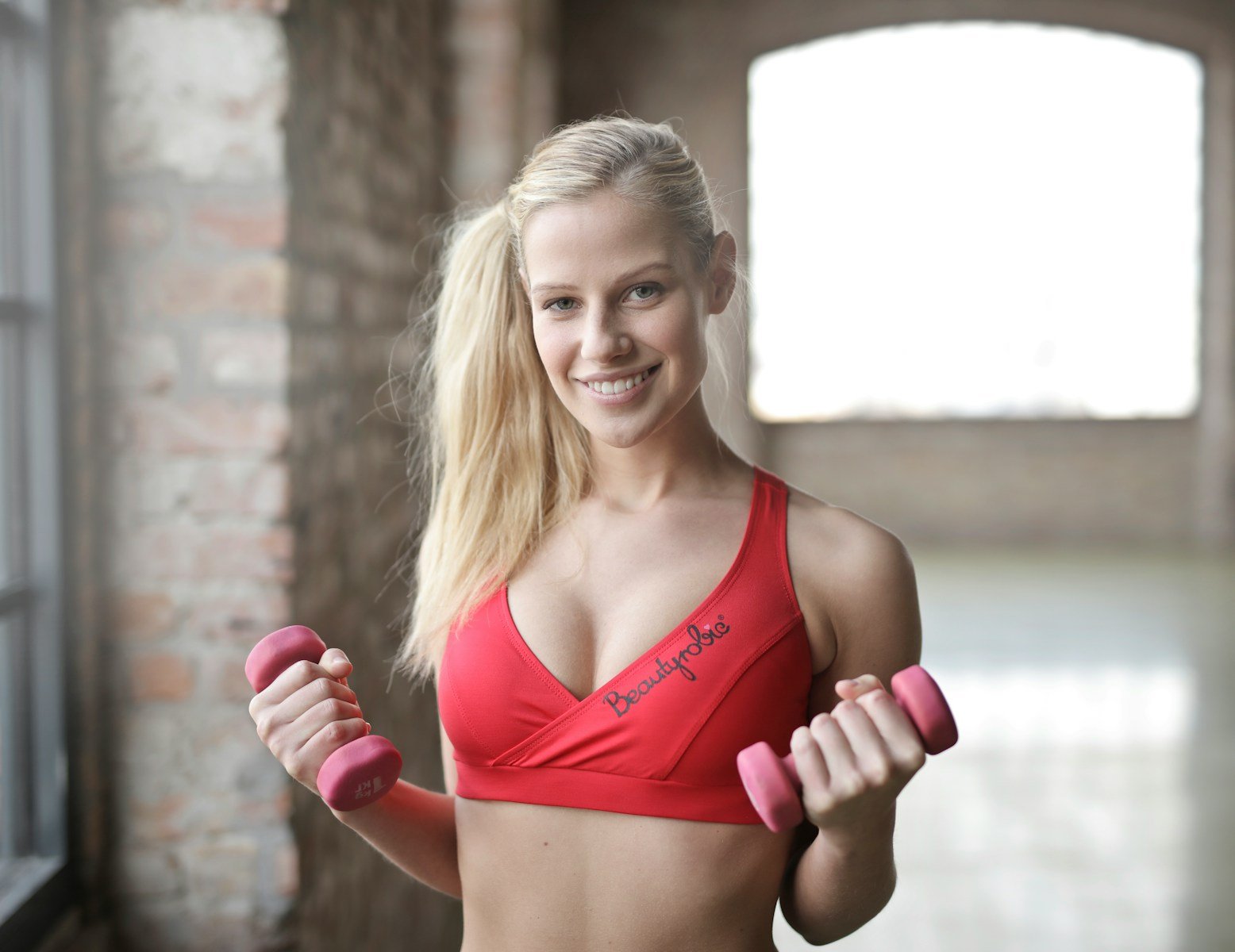
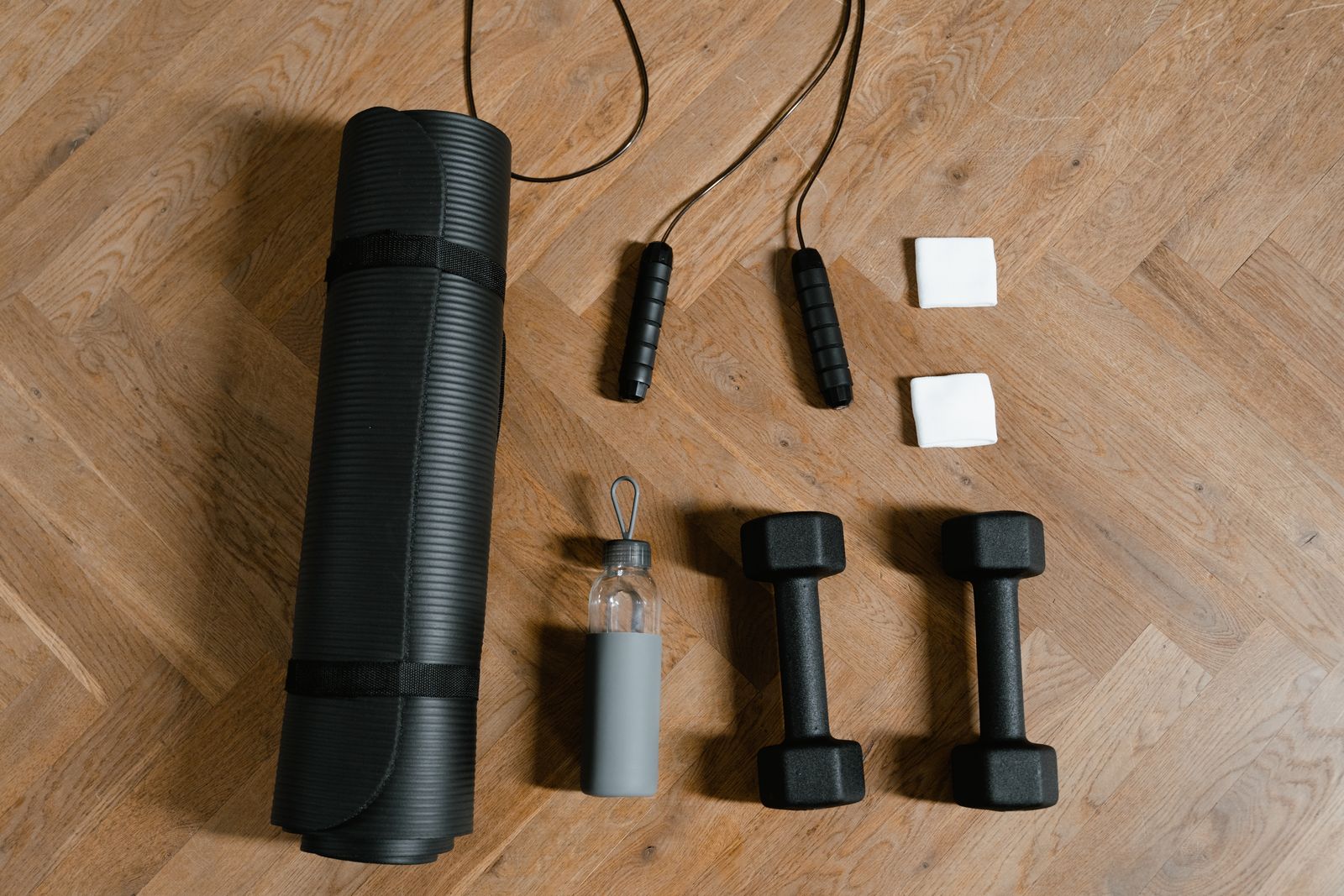
Dumbbells are one of the most versatile tools for building strength, improving fitness, and adding muscle tone.
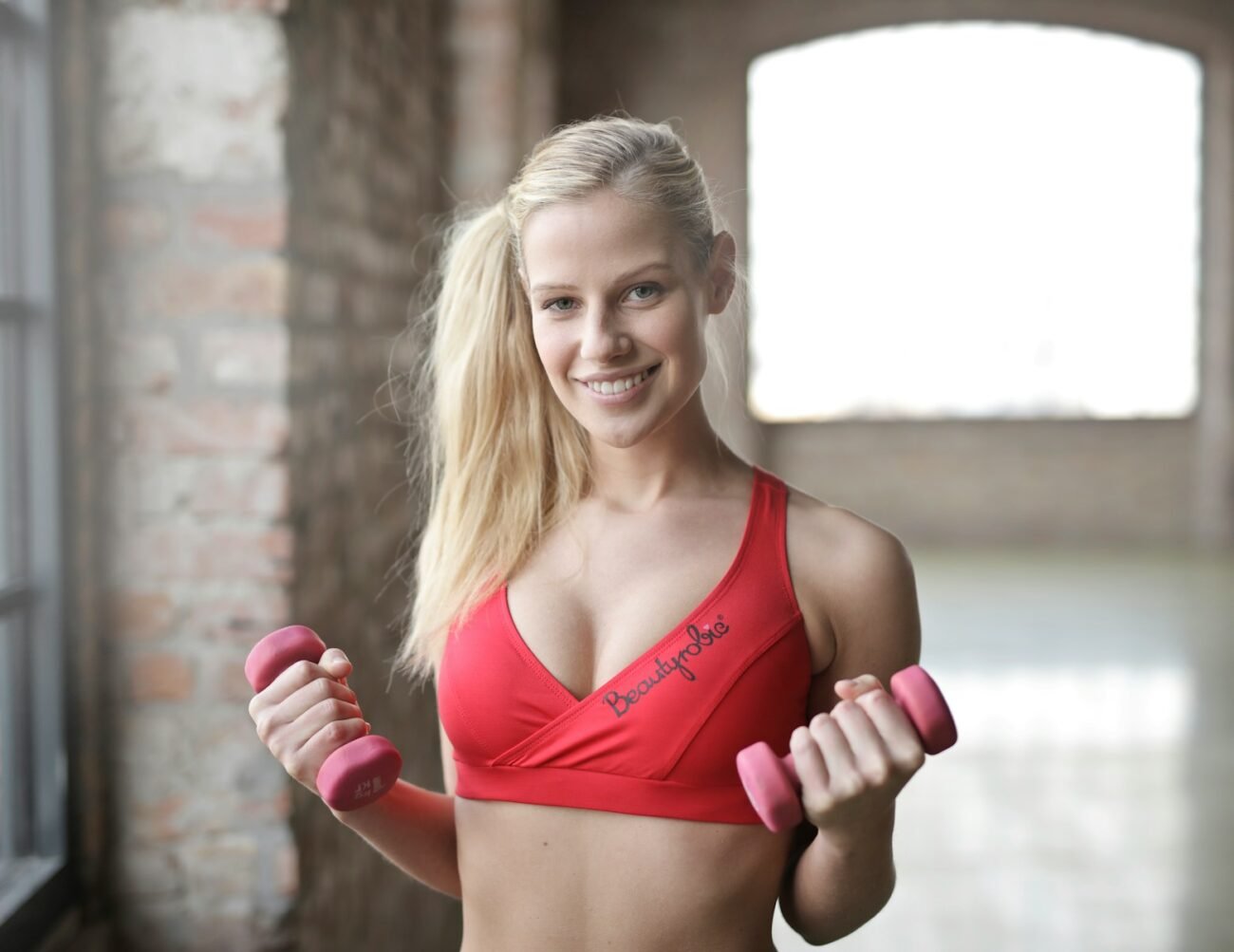
But not all dumbbells are created equal. According to the listing, the Neoprene Dumbbell Hand Weights are coated in neoprene for comfort and come in a hexagonal, color-coded design.
As a natural lifter with over a decade of experience, I pay close attention to grip, storage, and how easily a set lets you progress. In this guide I explain why Neoprene Dumbbells can suit a home routine, how to choose weights, and how to use them. I also cover who should skip them.
What Makes Neoprene Dumbbells Special?
Durability and Comfort
Neoprene is a material used in everything from wet suits to athletic gear, valued for its durability. On dumbbells, the coating is meant to give a comfortable, non-slip grip, according to the listing.
If a metal dumbbell has ever slipped in your hands mid-workout, you will see why that matters. A secure grip is important for safe lifting, especially on the last few reps.
As someone who has been lifting for over a decade, I know how much a secure grip matters. The Neoprene Dumbbells aim to keep your attention on form, not on adjusting your hands. Grip is worth training too, so see my post on why grip strength matters.
Space-Saving and Practical Design
Space is a major concern for home workouts. According to the listing, Neoprene Dumbbells have a compact design and come with a storage stand.
The hexagonal shape is meant to stop them rolling away when you set them down. That keeps your workout area neater and safer, especially in a small apartment.
For more variety, you can add a resistance bands set. See my review of the Techstone resistance bands set. For other equipment ideas, read my post on top home fitness tools.
Color-Coded Weights
The listing describes a color-coded design, so you can tell the weights apart quickly. Check which weights and colors come in the set you order.
Quick identification helps when you move between exercises, and it keeps your workout flowing at a good pace.
Get the Neoprene Dumbbell Hand Weights →
Benefits of Dumbbells for Strength Training
Dumbbells are a versatile tool for any strength routine. Whether your goal is to build muscle, tone your body, or improve endurance, they can help. For more on building strength with little gear, read my post on building strength at home without machines.
Targeted Muscle Building
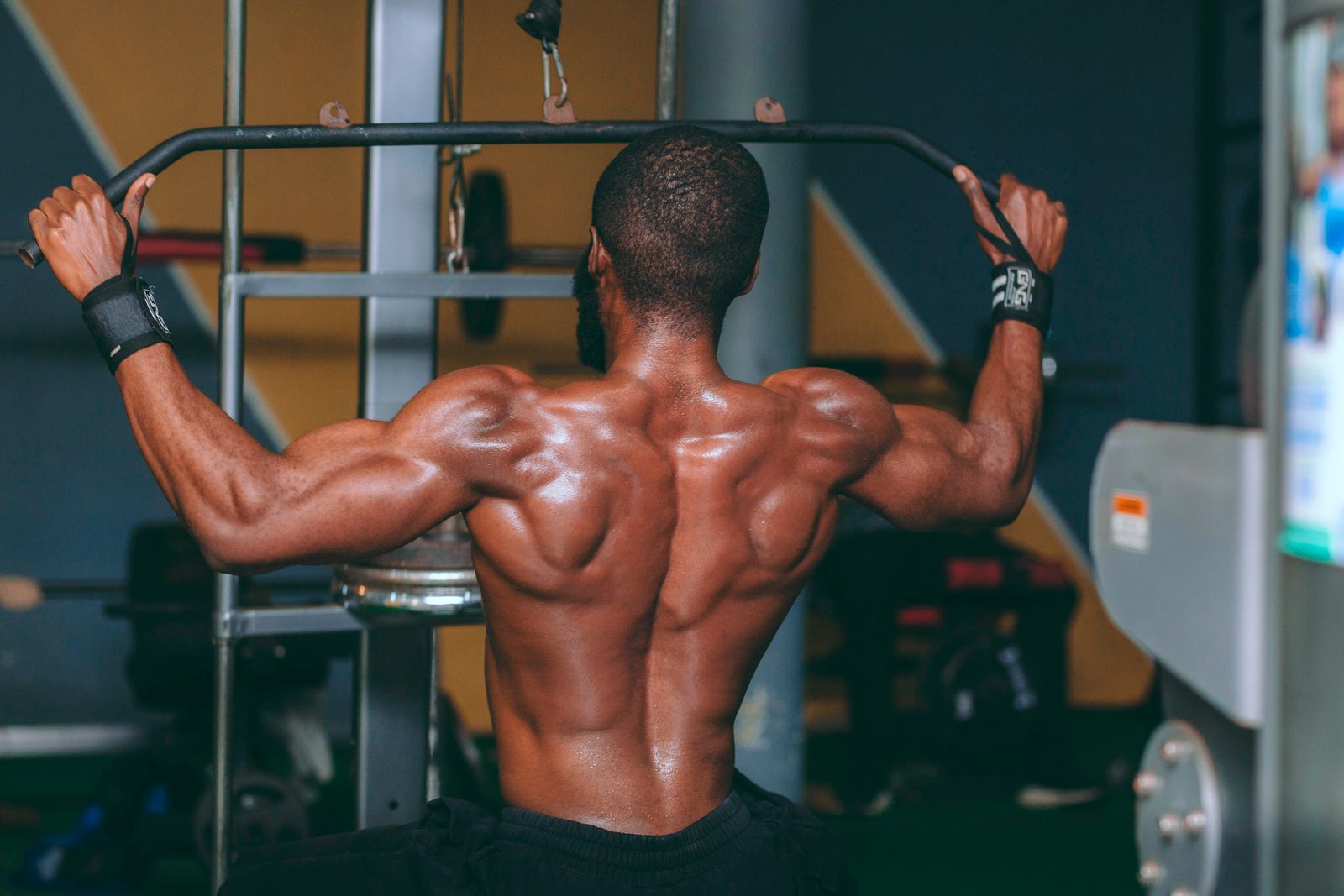
Dumbbells let you isolate specific muscles. Whether you are working your chest, back, arms, or legs, they give you the flexibility to target each one. For your back, see my post on how to build a big back with three exercises.
Each side works independently, so dumbbells can help address muscle imbalances. Bicep curls, shoulder presses, and tricep extensions are good examples. For a realistic timeline, see the steps to build muscle and how long it takes.
Improved Balance and Stability
Since each hand works on its own, your stabilizing muscles work harder than on many machines. This can help your coordination and keep both sides of your body evenly strong over time.
Progressive Overload
Progressive overload means gradually increasing the demand on your muscles. You might start with a lighter pair for higher reps and move to a heavier pair as you get stronger. Check the listing for which weights come in the set.
To plan your steps, I built a Progressive Overload Calculator. Enter your last session and get your next weight, your rep target, and a short outlook for the sessions after it.
Light dumbbells do have a ceiling. Once you can do many clean reps, you need heavier weight, more reps, or a slower tempo to keep progressing. For training frequency, see my post on how often to work out for muscle gain.
How to Choose the Right Weight
Pick a weight that feels challenging for 10 to 15 reps while you keep good form. If you can do far more, go heavier. If your form breaks down early, go lighter.
If you outgrow a fixed set, adjustable dumbbells are the next step. See my review of the Feierdun adjustable dumbbells.
A Sample Home Dumbbell Session
Here is a general example, not a program. Warm up for five minutes, then do goblet squats, dumbbell rows, shoulder presses, curls, and tricep extensions. Do two or three sets of 10 to 15 reps each, and rest about a minute between sets.
Train two or three days a week with rest days in between. A bench adds more options, and my guide to the best adjustable weight bench covers choices for home.
What to Check Before You Buy
Start with the weight range, because it decides how far you can progress. A light set is great for learning and higher reps, but it limits heavy work. Check the listing for the exact weights and whether the storage stand is included.
Read recent customer reviews about coating wear and sizing. Measure the space where you plan to keep the stand, so the set stays tidy and out of the way.
Common Dumbbell Mistakes
Swinging the weights is the most common error. Use a controlled tempo, and lower each rep slowly so the muscle does the work instead of momentum.
Gripping too tightly can tire your forearms early, so hold firmly but stay relaxed. Keep your wrists neutral, and stop a set when your form starts to slip. Quality reps matter more than extra reps.
Who Should Skip Them
Skip a light fixed set if you are an experienced lifter chasing size or maximal strength, because light weights run out of room. Heavier or adjustable dumbbells will suit you better.
If you have an injury or a health condition, talk to a doctor or physical therapist before starting. Store dumbbells safely too, away from stairs and walkways. This post shares general information. It is not medical advice.
FAQs
What are neoprene dumbbells?
They are dumbbells coated in neoprene for a comfortable, non-slip grip. According to the listing, they are also gentler on floors than bare metal.
Who should use them?
They suit beginners, home gym users, and anyone who wants convenient, lighter weights for strength training or toning.
How do I pick the right weight?
Start with a weight that is challenging for 10 to 15 reps while you keep good form. Use the color coding to switch weights quickly between exercises.
Can they help me build real strength?
They can, especially for beginners. You can progress by adding reps or moving to heavier dumbbells, but light sets have a ceiling for experienced lifters.
Are they safe for home use?
The listing describes a hexagonal shape that limits rolling and a coating for grip. Still, store them properly and take care not to drop them.
Can I do full-body workouts with them?
Yes. You can train arms, shoulders, legs, and core, or combine exercises for a complete home routine.
Do I need other equipment?
Not to start. You can add a bench or resistance bands later for variety.
How do I care for them?
Follow the care instructions on the product page. Wiping neoprene with a damp cloth after workouts is a common way to keep it clean.
