



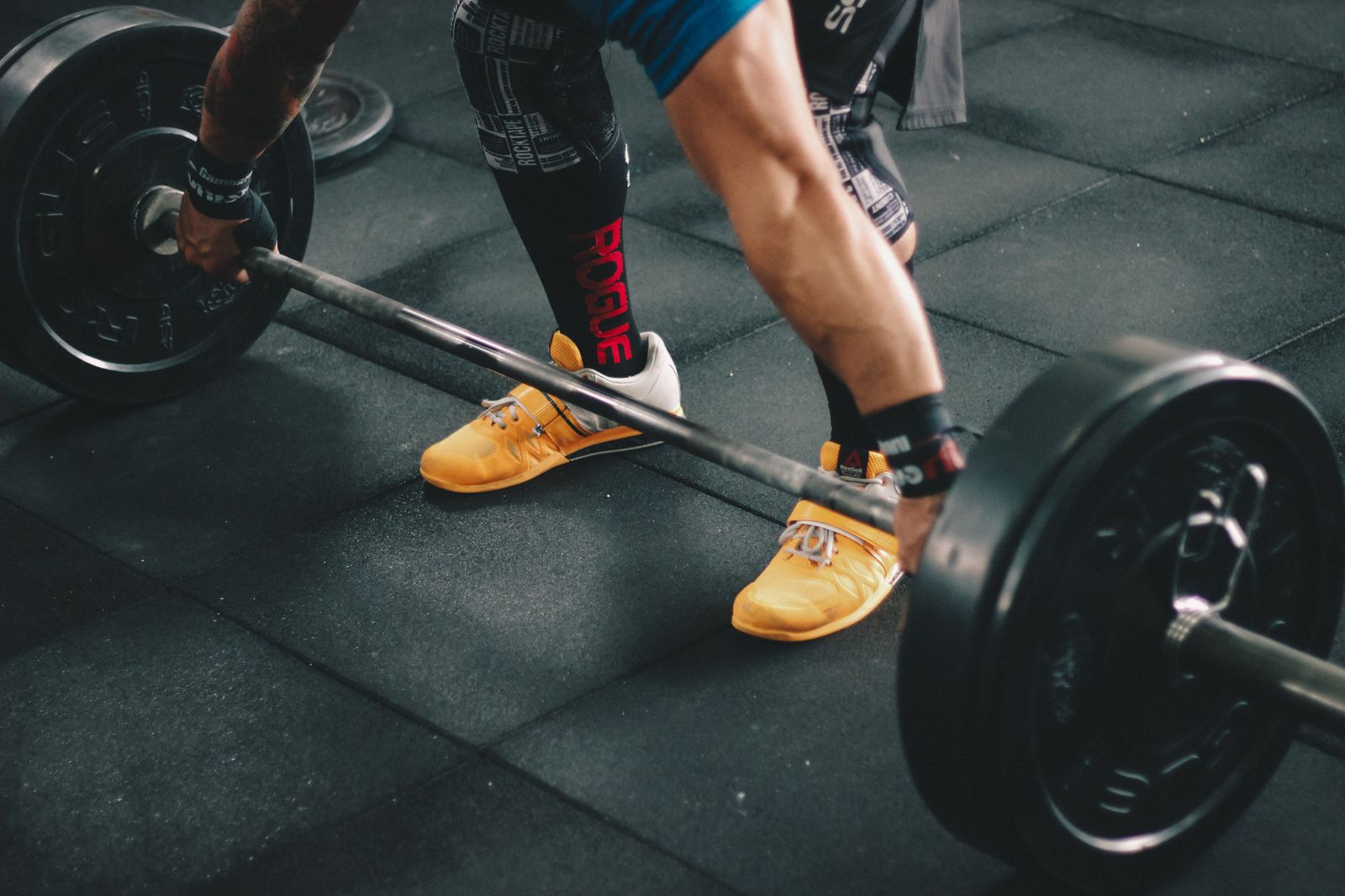



This guide was written and reviewed by Serge, MSc . As a martial artist and natural lifter with over 10 years of training experience, what I share comes from my own training and from digging into the research behind it.

When I started lifting, I thought more was always better.
More reps. More sets. More volume. If I wasn’t wrecked by the end of a session, I figured I hadn’t done enough. I’d pile on sets just to feel like I’d worked, chasing the burn and the exhaustion like they were the point.
And the next morning, if I was sore, I felt like I’d won. Soreness was my scorecard. The more it hurt to walk down the stairs, the better I’d assumed the workout was.
It took me years to understand how wrong that was.
The Junk Volume Trap

What I was actually doing, for a long time, was piling on what I’d now call junk volume. Sets that didn’t add anything except fatigue. Reps done just to hit a number. Effort spent for the sake of feeling like I’d suffered enough.
It felt productive. It wasn’t. I was tired all the time, my sessions dragged, and my progress didn’t match the amount of work I was putting in. I was confusing doing a lot with doing what mattered.
The problem with chasing volume is that the body doesn’t reward total work. It rewards the right stimulus. Past a certain point, extra sets don’t build more muscle. They just dig a deeper recovery hole that you then have to climb out of before the next session.
Soreness Was Lying to Me
The soreness thing took the longest to unlearn.
I believed that being sore meant the workout worked. But soreness isn’t a measure of progress. It’s mostly a sign that you did something your body wasn’t used to. You can have a great, productive session and barely be sore. You can have a useless one and be wrecked for two days.
Once I stopped using soreness as my scorecard, a lot changed. I stopped deliberately chasing it. I stopped adding pointless sets just to feel destroyed. And funnily enough, my actual results got better, not worse.
What Experience Taught Me Instead
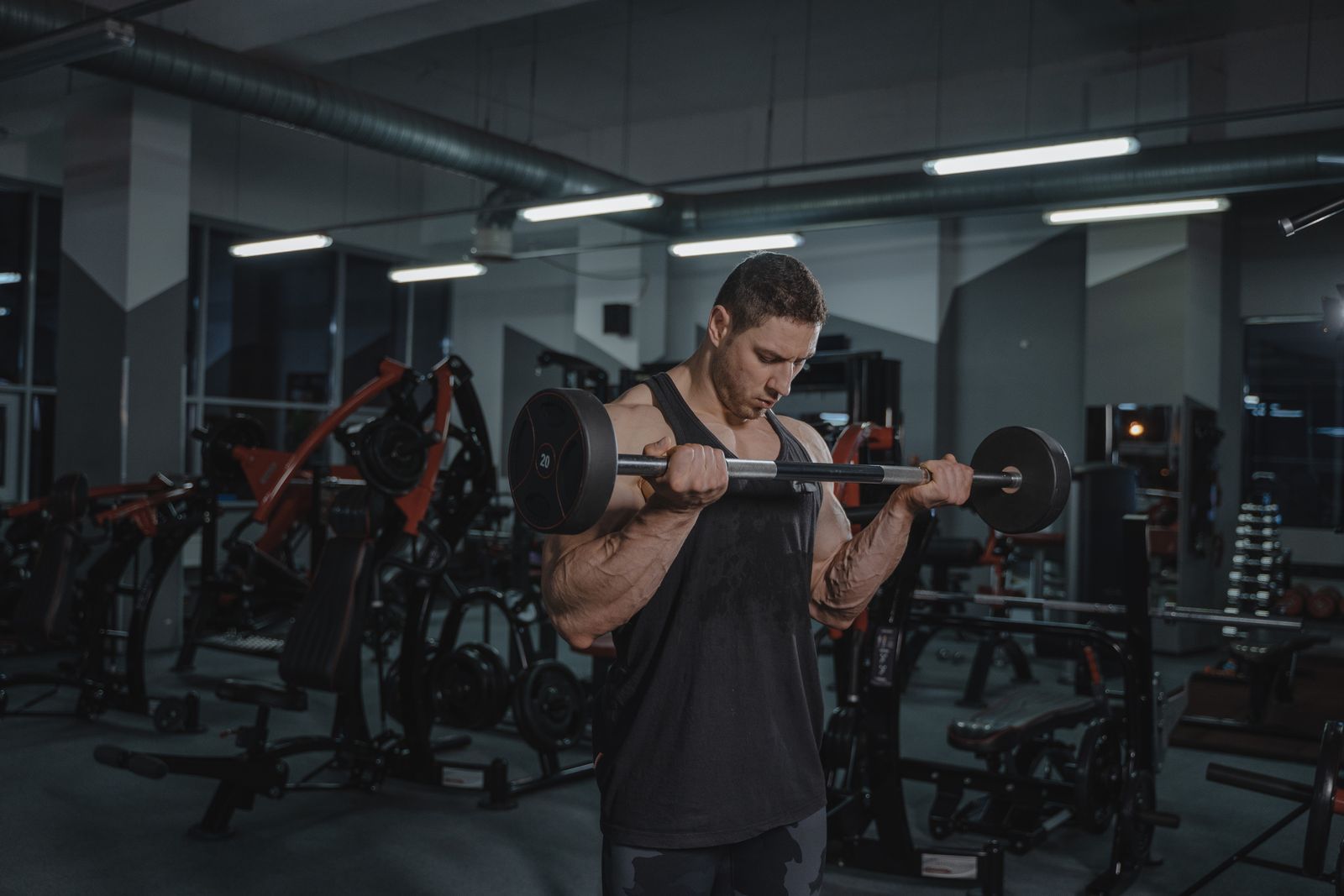
Over time, through a lot of trial and error, my whole approach shifted. Here’s what I focus on now.
Rep ranges with a purpose. Instead of just doing as many reps as possible, I pay attention to the range I’m working in and what it’s actually for. Heavier, lower reps for strength. Moderate ranges for building. I’m not just counting reps anymore, I’m training with intent.
Controlled, slow tempo. I stopped throwing weights around. Now I control the movement, especially the lowering part. Slower, controlled reps mean the muscle actually does the work instead of momentum doing it for me. Fewer reps done well beat more reps done sloppily.
Average to heavy, with quality. I work in a moderate-to-heavy range, but I’m not maxing out for ego or grinding to failure on everything. The goal is quality reps with good form and real tension, not proving how much I can move for one ugly rep.
No burnout. Maybe the biggest shift. I don’t train myself into the ground anymore. I leave something in the tank, I recover properly, and I show up to the next session able to actually train. Consistency over months beats heroics that leave you too fried to keep going.
Why Smarter Wins Over Harder
The hardest thing to accept, when you’re used to measuring effort by exhaustion, is that the best training often doesn’t leave you destroyed. It leaves you worked, but able to come back.
Training harder has a ceiling. You can only add so much volume and intensity before recovery can’t keep up and progress stalls, or you get hurt, or you burn out and quit. Training smarter doesn’t have that wall in the same way. When you focus on quality, control, and the right stimulus, you keep progressing without constantly running yourself into the ground.
That’s what experience really teaches you. Not a secret exercise or a magic rep scheme. Just the slow realization that the goal was never to suffer the most. The goal was to train well, recover, and do it again, for years.
What I’d Tell My Younger Self
If I could go back to the version of me piling on junk volume and chasing soreness, I’d tell him this: stop measuring your workouts by how wrecked you feel. Measure them by whether you’re getting stronger, moving well, and able to keep showing up.
Drop the sets that don’t do anything. Slow your reps down. Train hard, but train with intention, and leave the ego lifting alone. You’ll get further with less, and you’ll still be doing this long after the people grinding themselves into the ground have quit.
Harder isn’t the answer. Smarter is. It just takes a while to believe it.
FAQs
Is soreness a good sign that my workout worked?
Not really. Soreness mostly means you did something your body wasn’t used to, not that the session was effective. You can make great progress with little soreness, and you can be very sore from a workout that didn’t do much. Judge your training by strength and consistency over time, not by how sore you feel.
What is junk volume?
Junk volume is extra sets and reps that add fatigue without adding meaningful results. Doing more work for the sake of feeling like you worked, rather than because it actually drives progress. Cutting it out often improves results because you recover better.
Is slow tempo better than lifting fast?
Controlled tempo, especially on the lowering part of a lift, keeps tension on the muscle and reduces momentum doing the work for you. For most people focused on building muscle and lifting well, controlled reps tend to be more productive than fast, sloppy ones.
Should I train to failure every set?
Generally no. Constantly training to failure adds a lot of fatigue and makes recovery harder without proportional benefit. Leaving a rep or two in reserve on most sets lets you train with quality and come back stronger for your next session.
How do I know if I’m doing too much volume?
Some signs: you’re constantly tired rather than energized, your progress has stalled despite lots of work, you dread sessions, or you’re always sore. If that sounds familiar, cutting back the junk volume and focusing on quality often helps more than adding more.
