



This guide was written and reviewed by Serge, MSc . As a martial artist and natural lifter with over 10 years of training experience, what I share comes from my own training and from digging into the research behind it.
Most articles about training at home are written for someone just starting out. This one is a little different. I want to talk about what home training looks like once you’ve been at it for years and gotten genuinely strong, because the honest answer changes.
I started with bodyweight and a pull-up bar, and for a long time home training was enough to build a real foundation. I still train at home regularly, more so in winter. But I also train in the gym now, because I reached a point where home training alone couldn’t keep challenging me. Both have a place in how I train, and knowing what each one is good for has made a big difference.
If you’re just starting out, I’ve written about building muscle at home for beginners in my other guides, and those still hold up. This post is about what comes later.
What Home Training Still Does Brilliantly
Even now, home training carries a real part of my week. The idea that you “graduate” from home workouts once you’re strong isn’t quite right. Some things still work just as well at home as anywhere.
Push-ups are the clearest example. Thanks to years of martial arts, I can do very high volume, hundreds in a session, and that still genuinely challenges my chest, shoulders, and triceps. High-rep push-ups with good control are not a beginner-only exercise. They still build and maintain real upper-body strength and endurance for me.
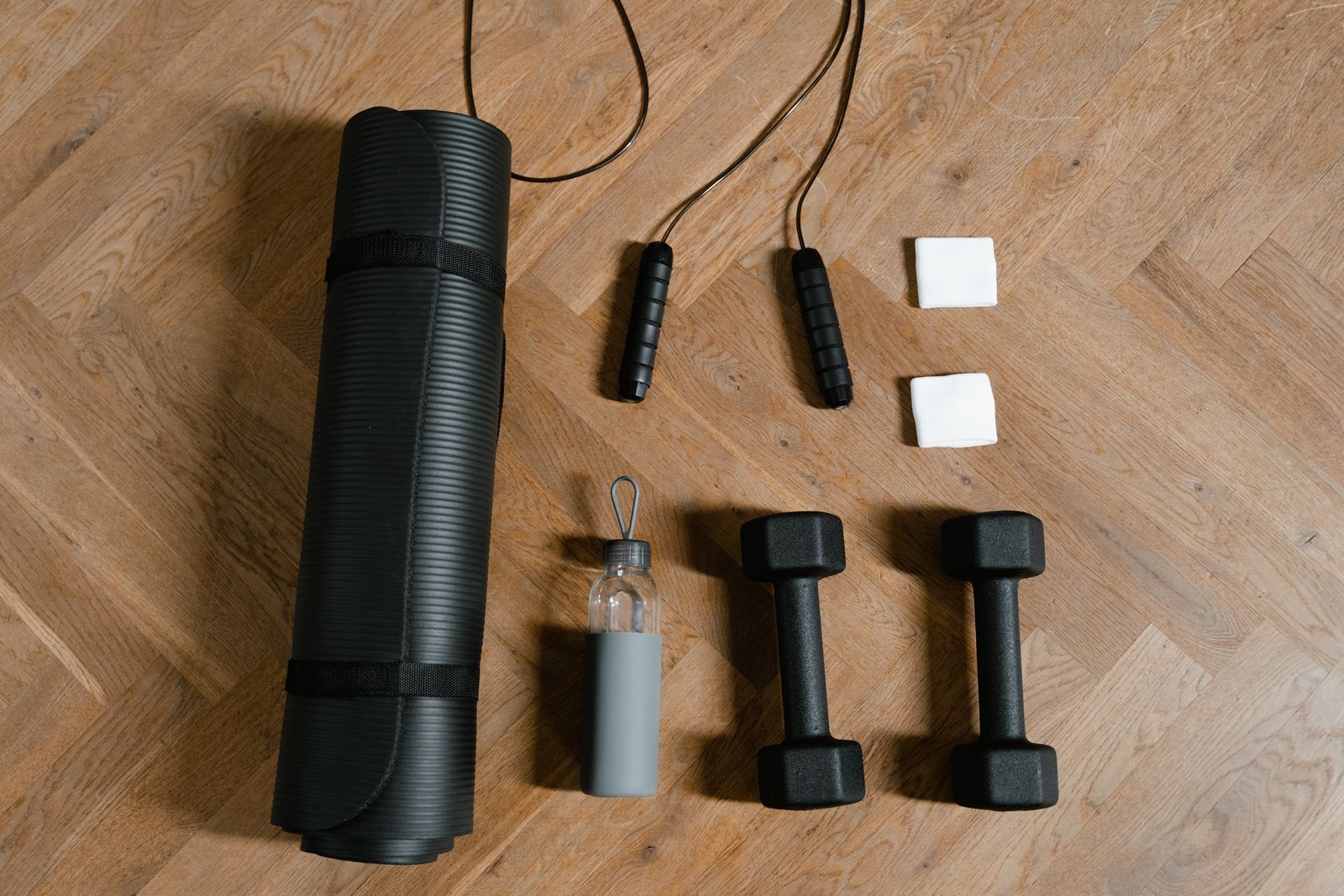
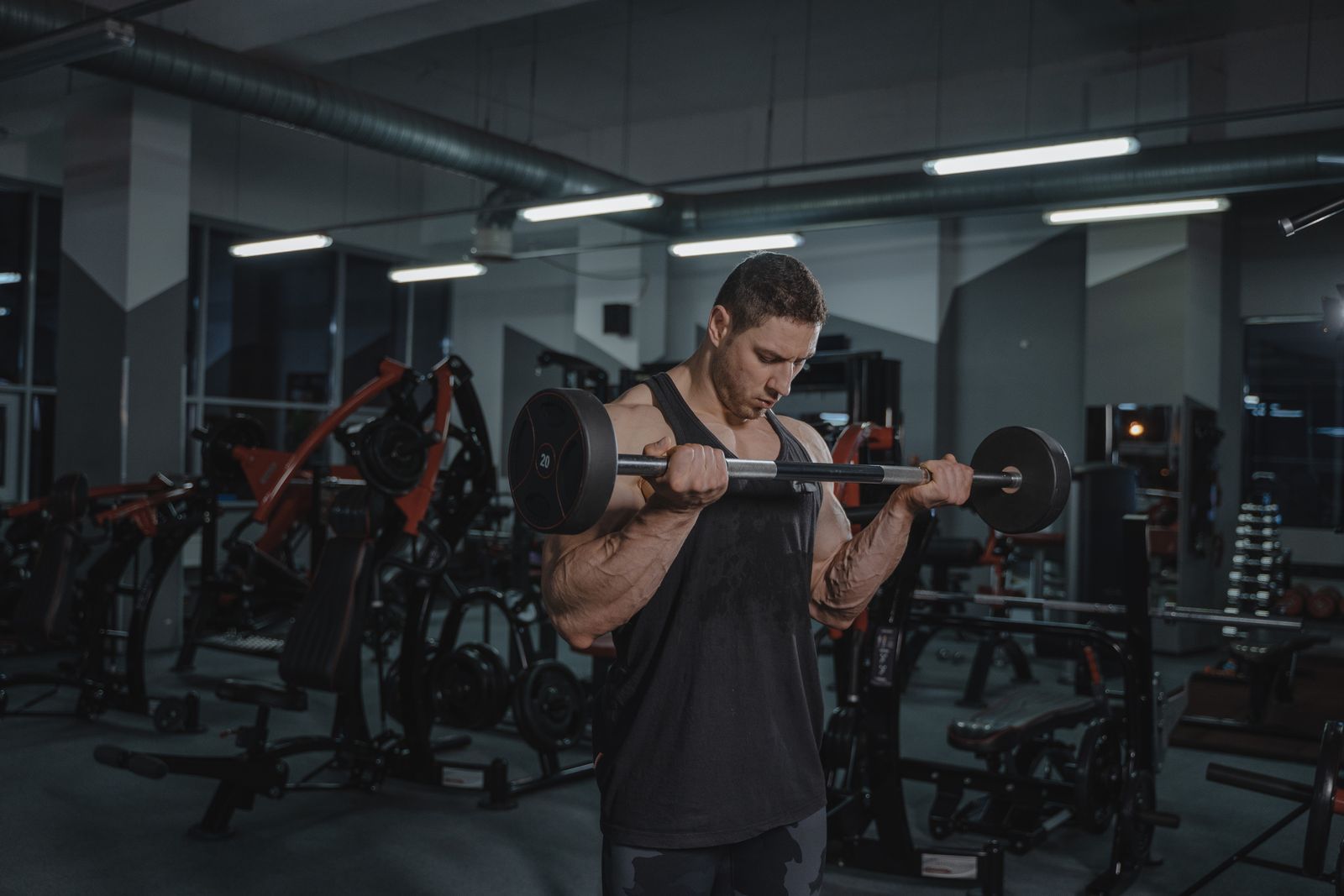
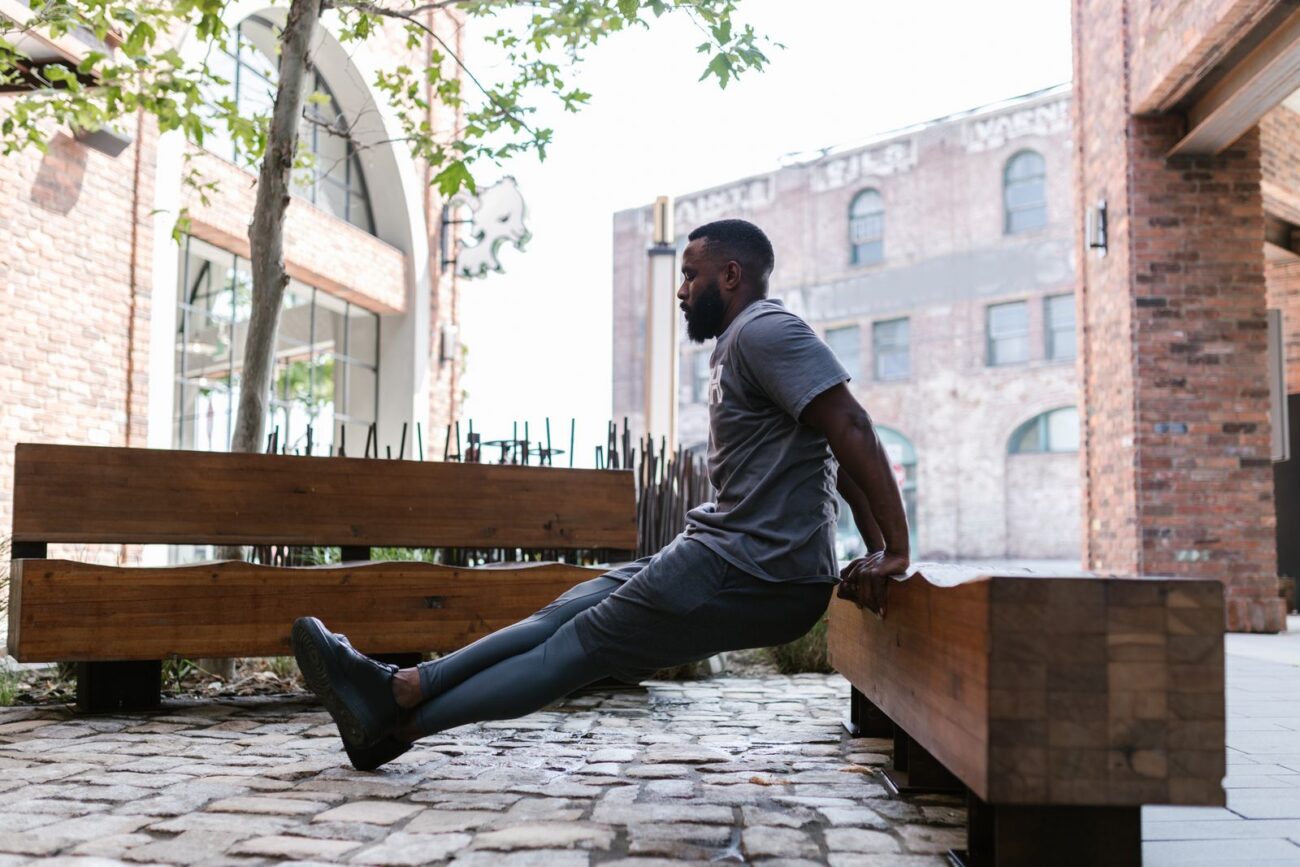
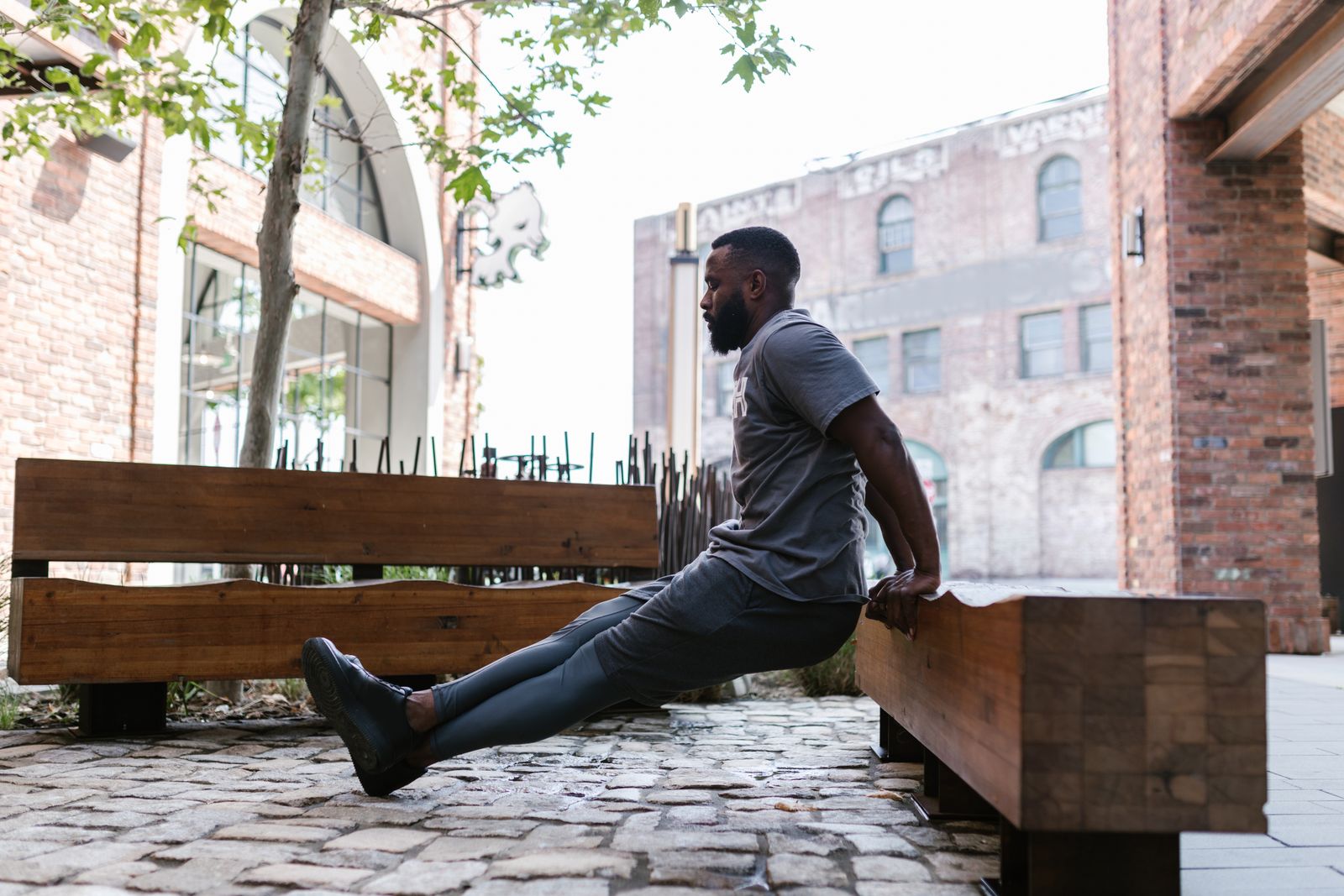
I add dips at home too, usually between two sturdy chairs, which hit the chest and triceps from another angle. I use dumbbells for pressing, rows, and curls. And I keep a light barbell at home, mainly for forearm work, which doesn’t need heavy loading anyway, and as a backup so I can still lift something useful on the rare occasion the gym is closed.
So for the upper body, home training is far from pointless. It does a lot, if you bring real effort to it.
Where Home Training Hits a Wall: Legs
Here’s the limit. Once you get strong, bodyweight leg training stops doing anything.
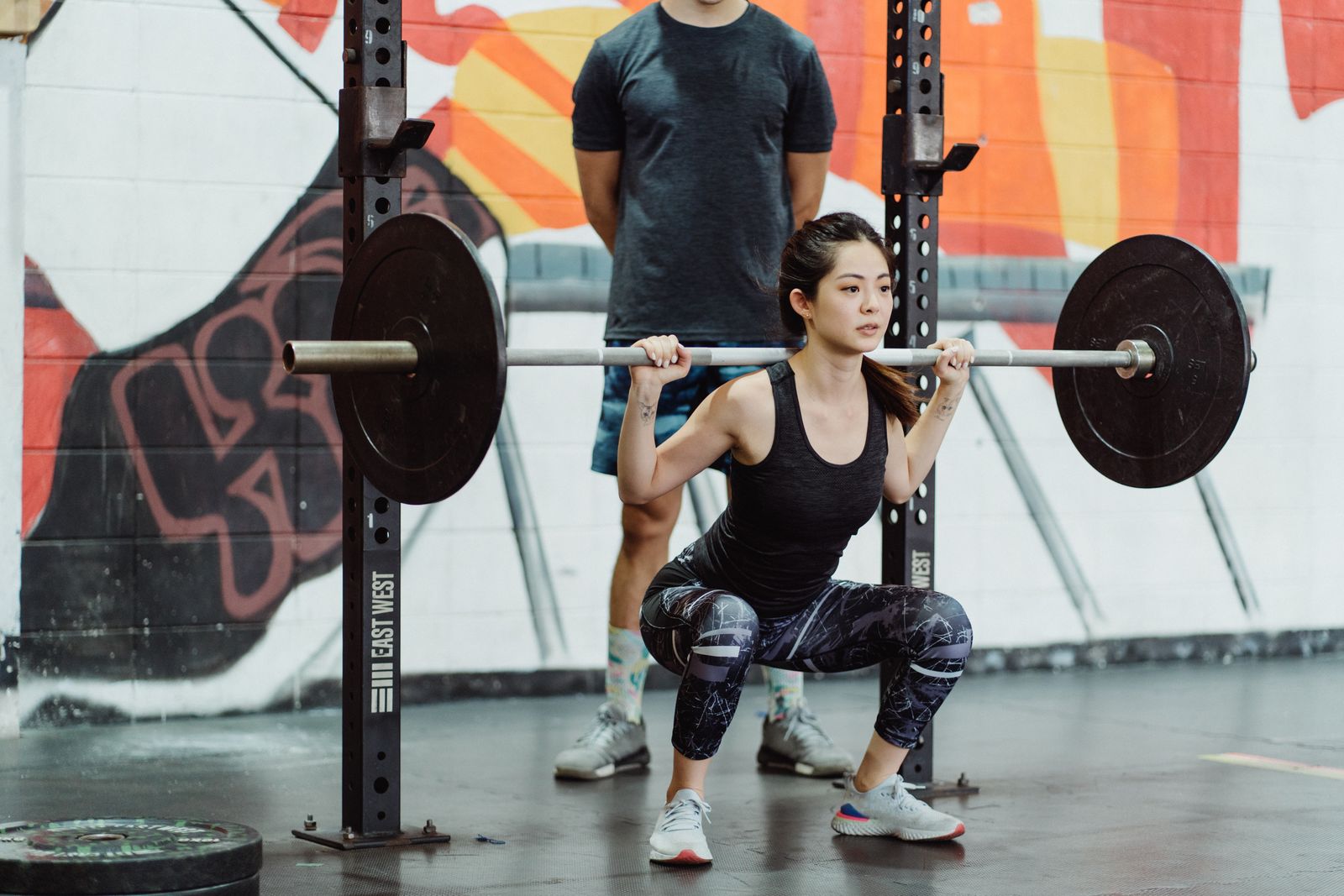
I don’t do bodyweight squats anymore. My squat is far beyond what any bodyweight movement could challenge, so dropping down and doing air squats would be a waste of my time. They wouldn’t come close to the load my legs actually need to grow or even maintain.
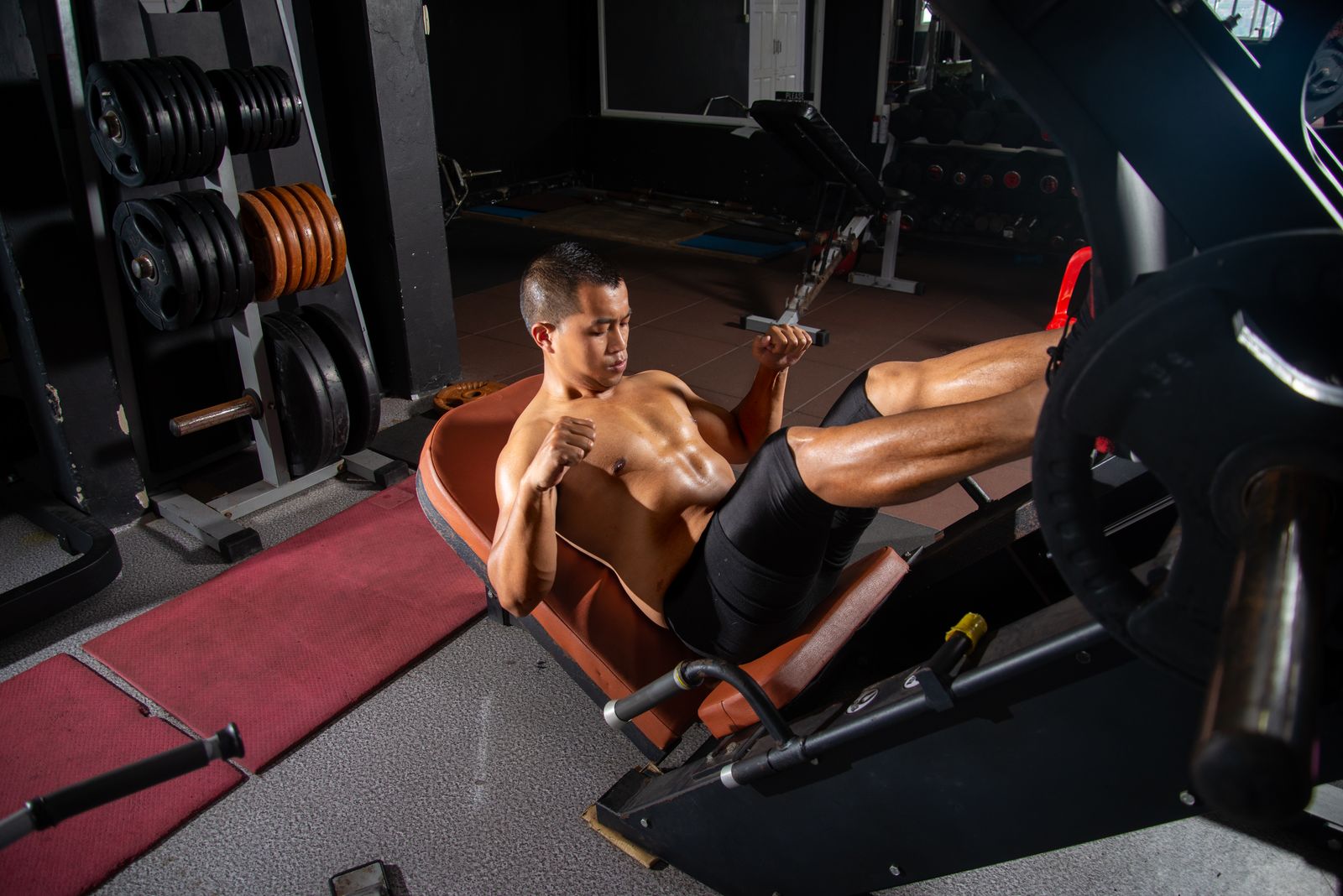
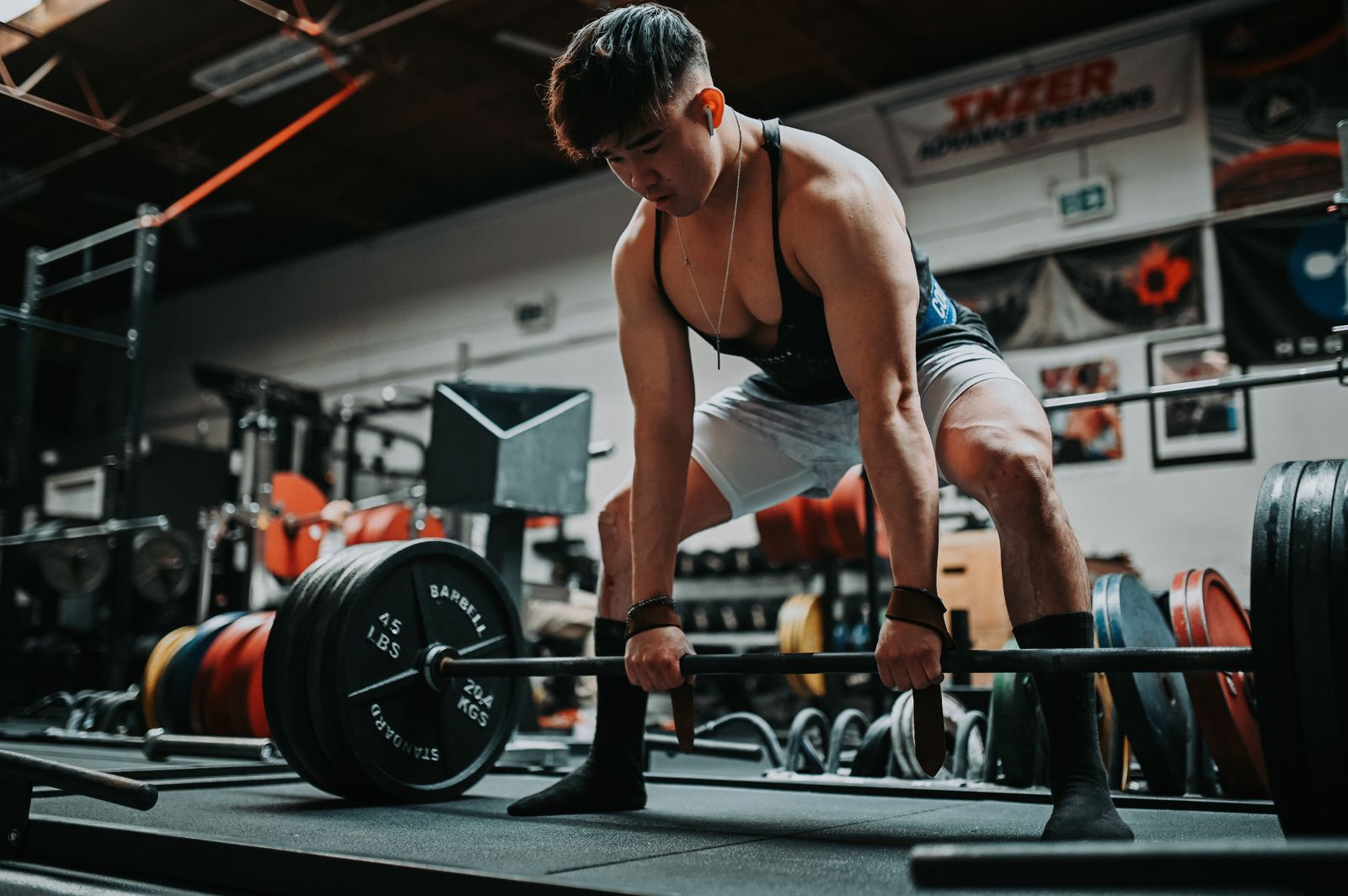
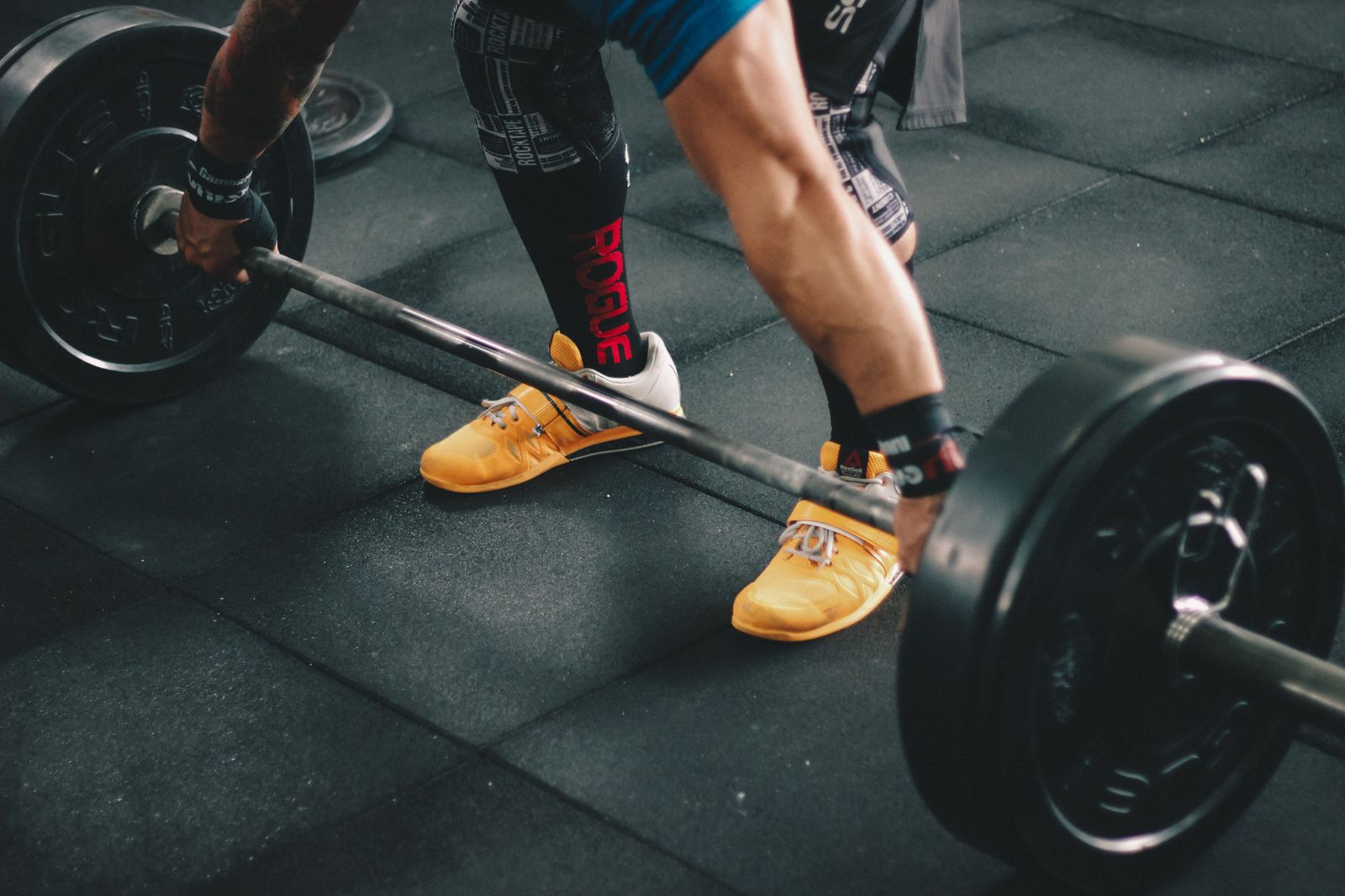
This is the real ceiling of home training for an experienced lifter. Your upper body can still be worked hard with push-ups and dips, but your legs are strong enough that they need heavy external load, a loaded barbell, the kind of weight you realistically only have at a gym. No amount of bodyweight squats or lunges replaces that once you’re past a certain level of strength.
For a beginner, bodyweight legs work fine, they’re a genuine challenge early on. But that window closes as you get stronger. That’s not a knock on home training. It’s just being honest about what bodyweight can and can’t load.
How I Split Home and Gym
So the way it actually works for me: the gym is where the heavy work happens, especially legs and anything that needs serious load. Home is where I keep my upper body sharp with push-ups, dips, and dumbbell work, and where I train more often in winter when getting to the gym is less appealing.
It’s not home versus gym. It’s using each for what it does best. Home keeps me consistent and covers a lot of upper-body work. The gym handles the heavy loading that home simply can’t provide anymore.
Conditioning Happens Outside Entirely
My conditioning isn’t really a “home or gym” question at all, because most of it happens outdoors.
For about two weeks out of every four, I run outdoor sprints twice a week and take a long forest walk twice a week. The sprints keep me explosive and hit my conditioning hard, and the forest walks are easy, restorative movement that’s good for recovery and clears my head. I’ll occasionally jump rope at the gym too.
None of that needs equipment or a gym membership. It just needs getting outside, which is its own benefit.
The Takeaway
Home training isn’t something you outgrow. It’s something whose role shifts as you get stronger.
Early on, it can build your whole body. Later, it becomes a genuinely useful tool for part of your training, your upper body, your consistency, your winter sessions, while the heavy work, especially legs, moves to the gym where the load is available.
So if you’re strong and wondering whether home workouts are still worth it, the answer is yes, with realistic expectations. Push-ups and dips still build your upper body. Dumbbells extend what you can do. Sprints and walks handle conditioning. Just don’t expect bodyweight to load your legs once you’re strong, that’s the one job it can’t do anymore.
Use each tool for what it’s good at, and you’ll keep progressing for years.
FAQs
Can you still build muscle at home once you’re experienced?
For the upper body, yes. High-volume push-ups, dips, and dumbbell work still build and maintain real strength. The limit is heavy leg training, which needs more load than bodyweight can provide.
Why don’t bodyweight squats work for strong lifters?
Because your legs are already used to far heavier loads than your bodyweight. Once you can squat heavy in the gym, air squats don’t come close to the stimulus your legs need, so they don’t build or maintain that strength.
Do you need a gym to build big legs?
Past a certain strength level, effectively yes. Legs respond to heavy load, and that means a loaded barbell, which most people only have access to at a gym. Bodyweight leg work is great for beginners but runs out fast.
Is home training worth it if you also go to the gym?
Definitely. It keeps you consistent, covers a lot of upper-body work, and is ideal for winter or busy stretches. I use both, each for what it does best.
What about conditioning at home?
Conditioning barely needs a gym at all. Outdoor sprints, long walks, and jump rope cover it well. Most of my conditioning happens outdoors, not in any gym.
