


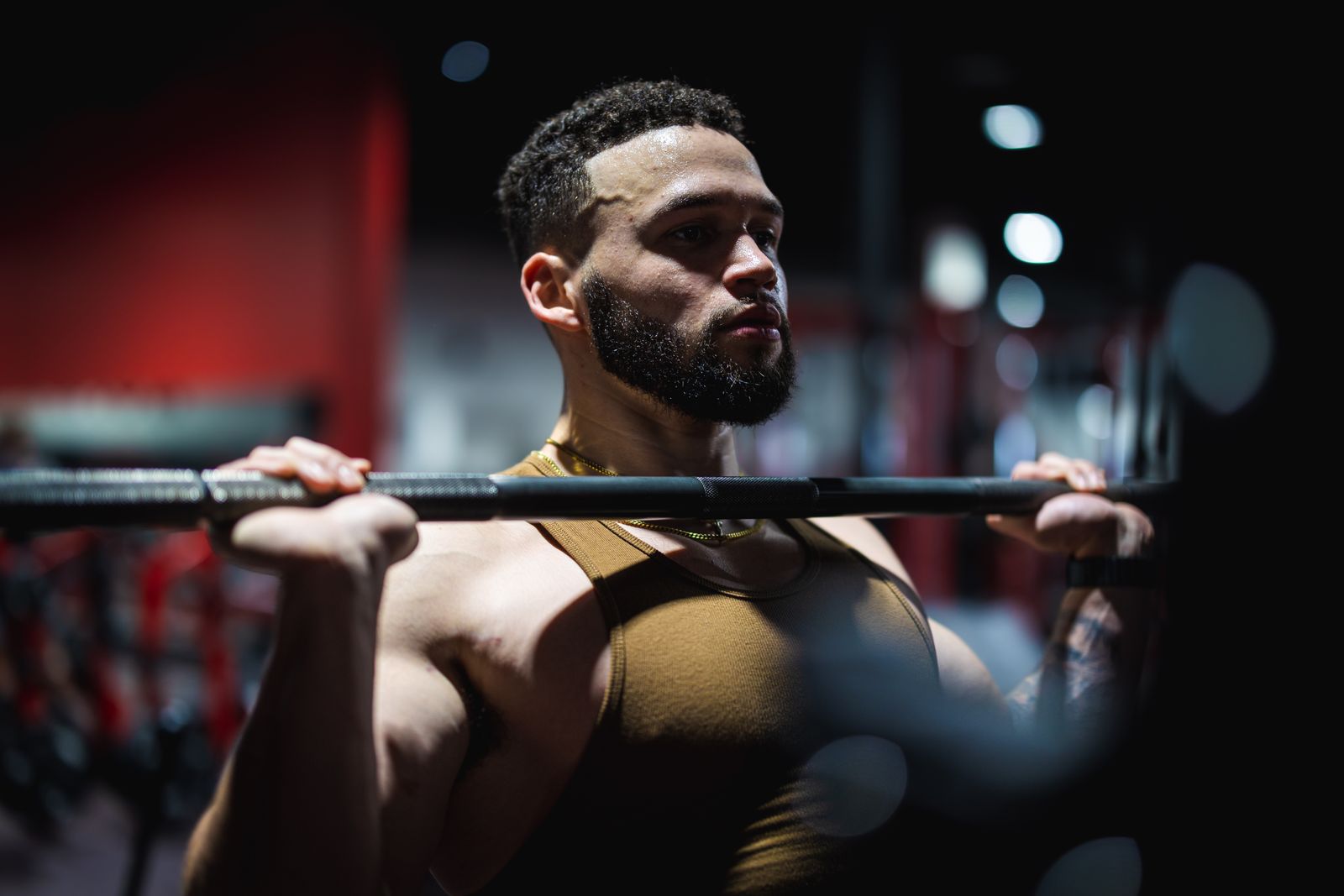


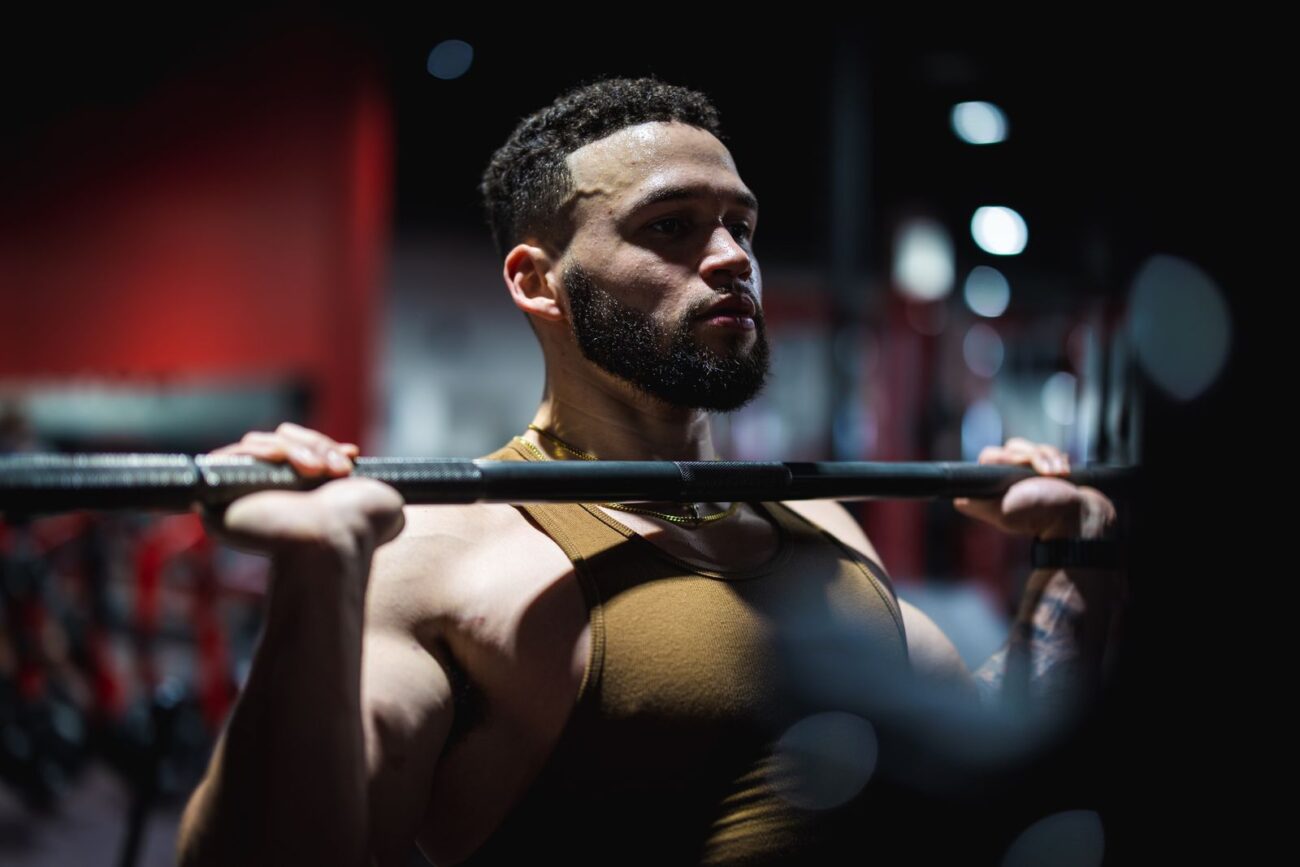
This guide was written and reviewed by Serge, MSc . As a martial artist and natural lifter with over 10 years of training experience, what I share comes from my own training and from digging into the research behind it.
Affiliate disclosure: This site has affiliate links, including Amazon. As an Amazon Associate I earn from qualifying purchases, at no extra cost to you.
People want a number. How many weeks until I see something, how many months until I look different. I understand the question, because I asked it too when I started.
The truthful answer is that it depends heavily on where you are starting from, and the rest depends on what you do when the fast part ends. Here is how it went for me, mistakes and all, over more than ten years of training as a natural.
Why My First Few Weeks Were Fast
I did not start lifting from zero. Before I ever touched a barbell I had years of martial arts behind me, and that meant a lot of push-ups and bodyweight training. So when I walked into lifting, my body was already conditioned. I had some base strength, control, and a foundation most beginners do not have on day one.
But the biggest thing martial arts gave me was not physical. It was mental. Years of training had built a kind of mental strength that meant I walked up to a heavy bar with no fear and no hesitation.
While a lot of beginners are nervous under load, holding back, I could commit fully to a lift. That mindset, more than my arms or legs, is what let me train hard from early on. I wrote more about how starting with a demanding sport builds that kind of foundation in my post on why starting with a challenging sport builds a foundation.

Because of that base, I saw visible changes within a few weeks of starting to lift. It felt fast, and it was. But here is the part worth being clear about: that speed was not some lifting secret. It was the foundation I had already built without realising it. The reader who has been active, played a sport, or trained their body in some other way will often see the same quick early response. The one starting completely cold will take longer at first, and that is normal, not a sign anything is wrong.
So the real version of “how long does it take” begins with a question back to you: how much of a base are you bringing in? The more you already have, the faster those first weeks tend to move.
The Catch: I Was Training Wrong the Whole Time
Those fast early results hid a problem. I was making plenty of mistakes, but because the newbie progress kept coming, I did not notice them.
My biggest training mistake was reps. Early on, some of the guys at the gym told me the way to build muscle was high reps, so I was doing twenty to thirty reps on every set, chasing the burn and the pump. I believed them, because they looked big. It took me a while to work out that they were wrong, at least for the result I wanted.
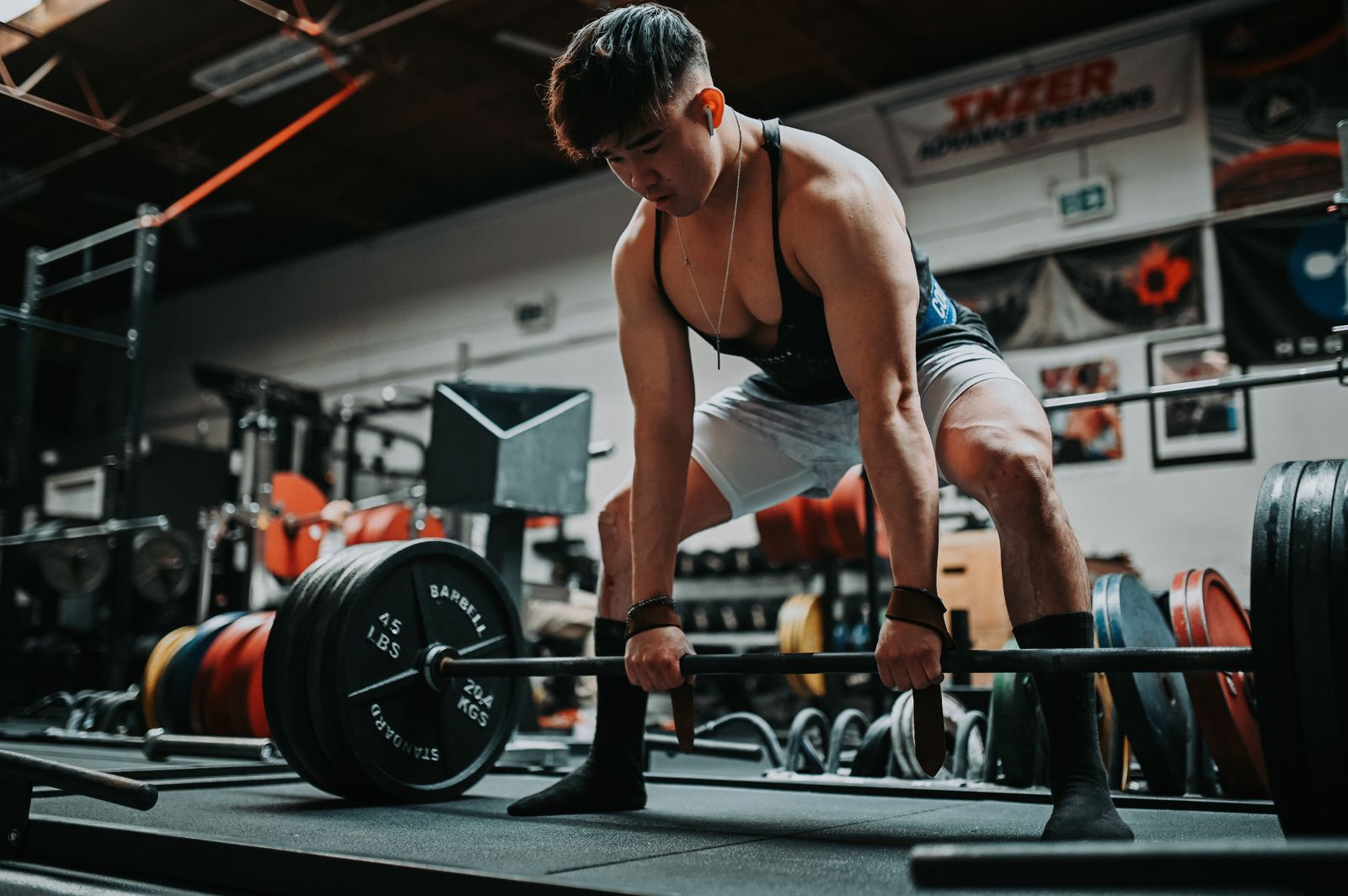
Over time I switched to heavier weight, controlled tempo, and lower reps, and the difference showed. I ended up with a more solid, dense look. The high-rep guys often looked bigger, but in a soft, puffy way. I built less size but more density, and I came to prefer that, and to get better results than they did from the same years of work. I go deeper into why load matters more than endless reps in my post on what really builds muscle.
Then the easy progress stopped. I hit a plateau, the point where the newbie gains dry up and the body has adapted to what you are doing. This is where most people get stuck, and where I made my worst mistake of all.
The Mistake That Cost Me: Eating Big
When the progress stalled, I did what a lot of naturals do. I took the “eat big, eat everything, you need a surplus to grow” advice and ran with it. So I ate, a lot, of more or less anything. The result was not slabs of new muscle. It was fat.
I have written about this in detail in my post on why “eat big” advice made me fat as a natural lifter, and the short version is this: that advice comes from a world where lifters can handle huge amounts of food and turn it into muscle. A natural just stores the excess as fat.
That stalled stretch, chasing growth by overeating, was wasted time. If I could give my younger self one message, it would be that more food is not the same as more muscle.
What Finally Got Me Moving Again
The fix was not complicated, it was just smarter. I stopped eating everything and started eating with a bit of thought, more protein, moderate carbs rather than piling them on, and more carbs on the heavy days when I really needed the fuel. Real food, not a free-for-all.
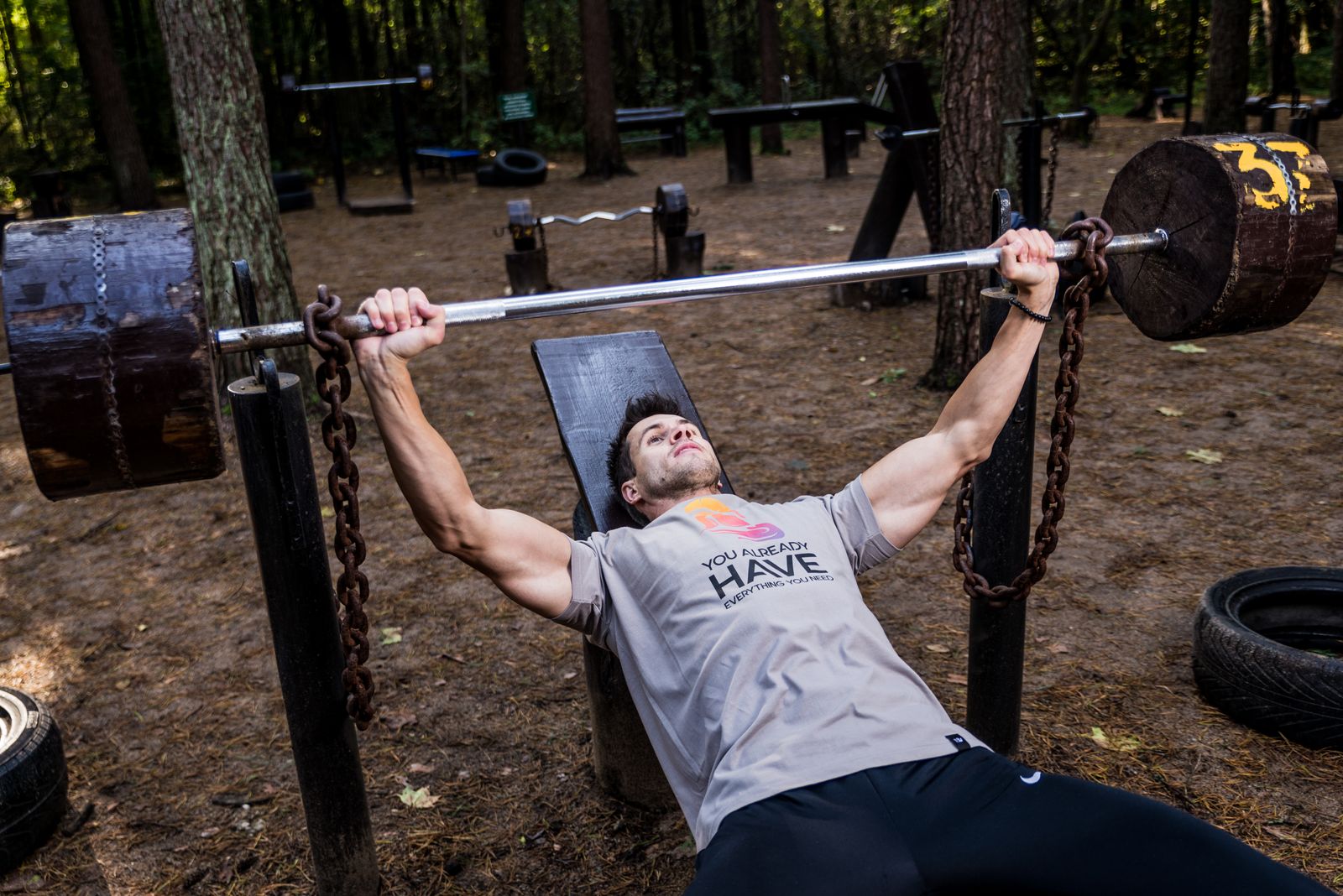
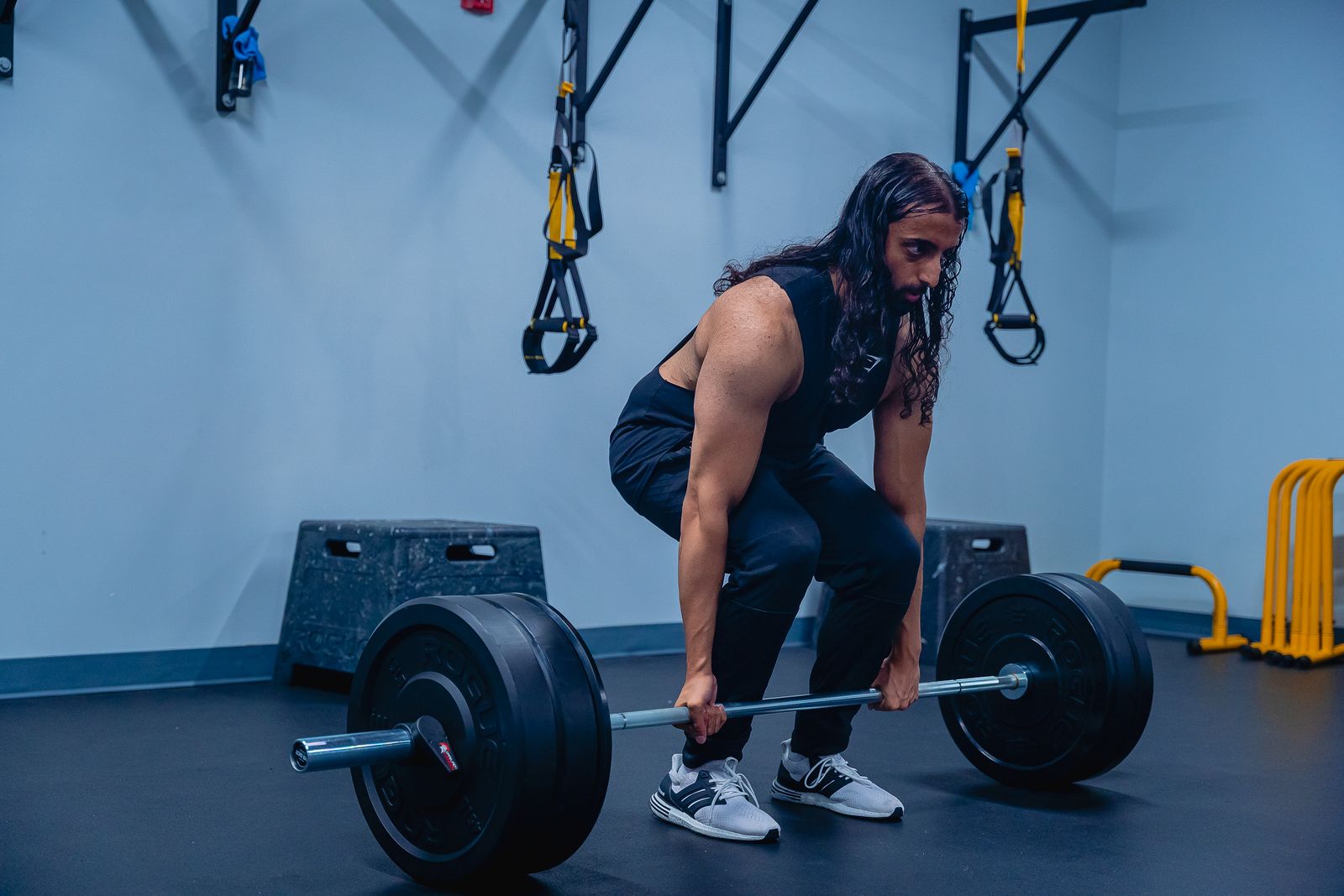
And I started lifting heavier with intent, applying real progressive overload instead of repeating the same comfortable sessions. That combination, eat smart rather than just more, and keep challenging the muscle, is what broke the plateau and got me growing again. It is also what has kept me progressing slowly and steadily for years since.
A Light Word on How Muscle Grows
You do not need a biology lecture to train well, so I will keep this short. Muscle grows when you give it enough tension through training, then feed and rest it so it can rebuild a little stronger than before. That is the whole loop: challenge, fuel, recover, repeat. If you want the deeper version of what does and does not build muscle, I broke it down separately in what really builds muscle, the science and the myths.
The one thing worth knowing about the timeline is that recovery is not instant. After a hard session your body is repairing for a day or more, which is why rest and sleep are part of the work, not time off from it.
Eating to Support It, Without Overthinking
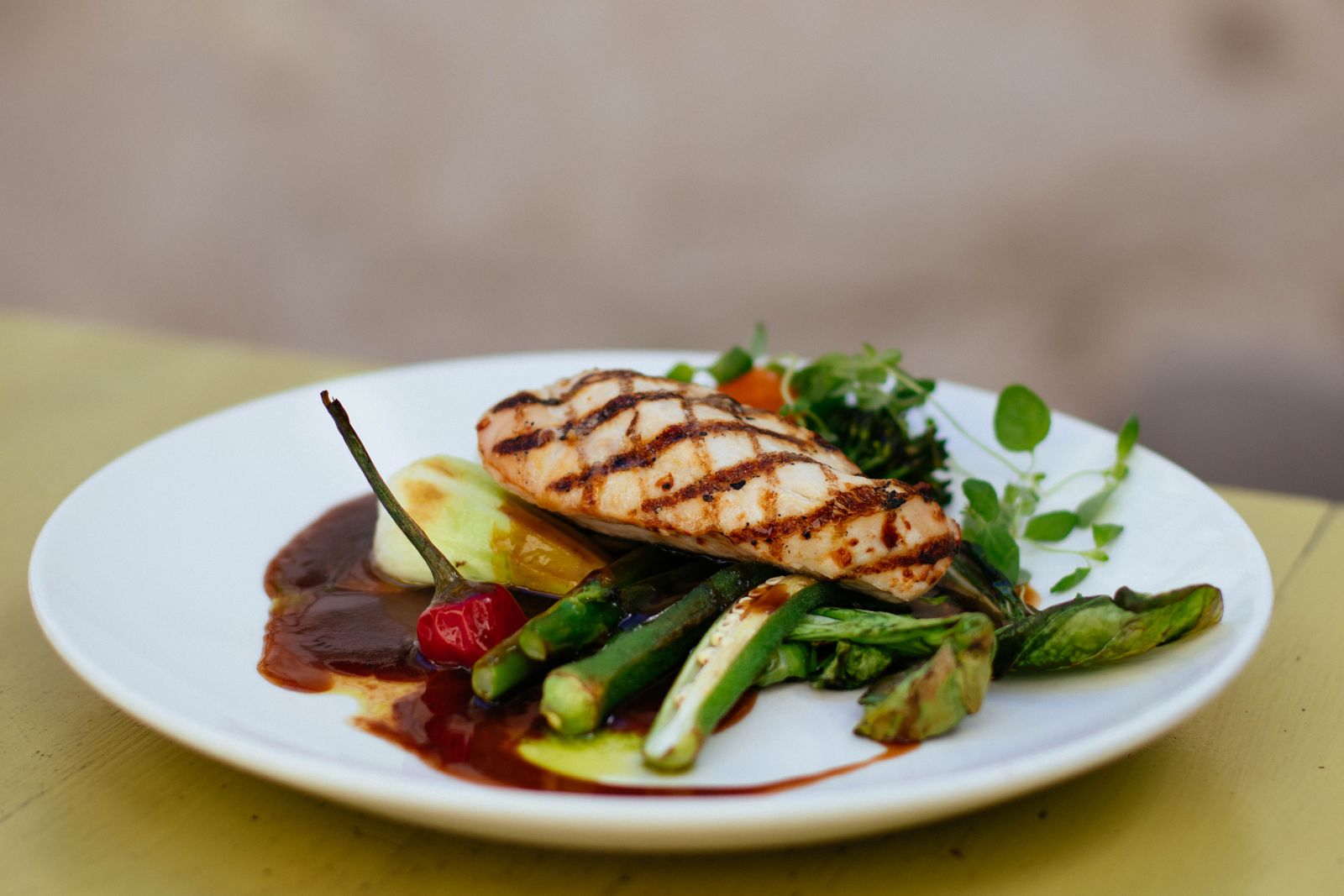
Food matters, but it does not need to be complicated or extreme. Protein is the part that truly supports repair and growth, so I prioritise it and try to get most of it from real food. Carbs are your fuel, they power your training and protect your muscle from being burned for energy, so I do not cut them out, I just keep them sensible and lean on them more around my heavy and leg sessions. Fats have their place too. The point is balance you can hold for months, not a crash plan you abandon in three weeks.
That is the same approach that got me past my own plateau, and it has served me far better than the eat-everything phase ever did.
So, How Long?
Here is the real timeline. If you bring a base of fitness, expect visible changes in the first few weeks. If you are starting cold, give it longer and do not panic, it is coming. Either way, the fast early phase slows down within a few months as your body adapts, and from there muscle comes slowly, measured in months and years, not days.
There are no shortcuts, and the people selling you a six-week transformation are selling you the early phase as if it lasts forever. It does not. What lasts is the boring part: train with intent, eat smart, recover, and keep showing up long after the fast results stop. That is the whole answer, and it is the one that truly works.
If staying muscular over the long run is on your mind, I also wrote about preserving muscle mass as you age, which picks up where this leaves off.
