



This guide was written and reviewed by Serge, MSc . As a martial artist and natural lifter with over 10 years of training experience, what I share comes from my own training and from digging into the research behind it.
Affiliate disclosure: This site has affiliate links, including Amazon. As an Amazon Associate I earn from qualifying purchases, at no extra cost to you.
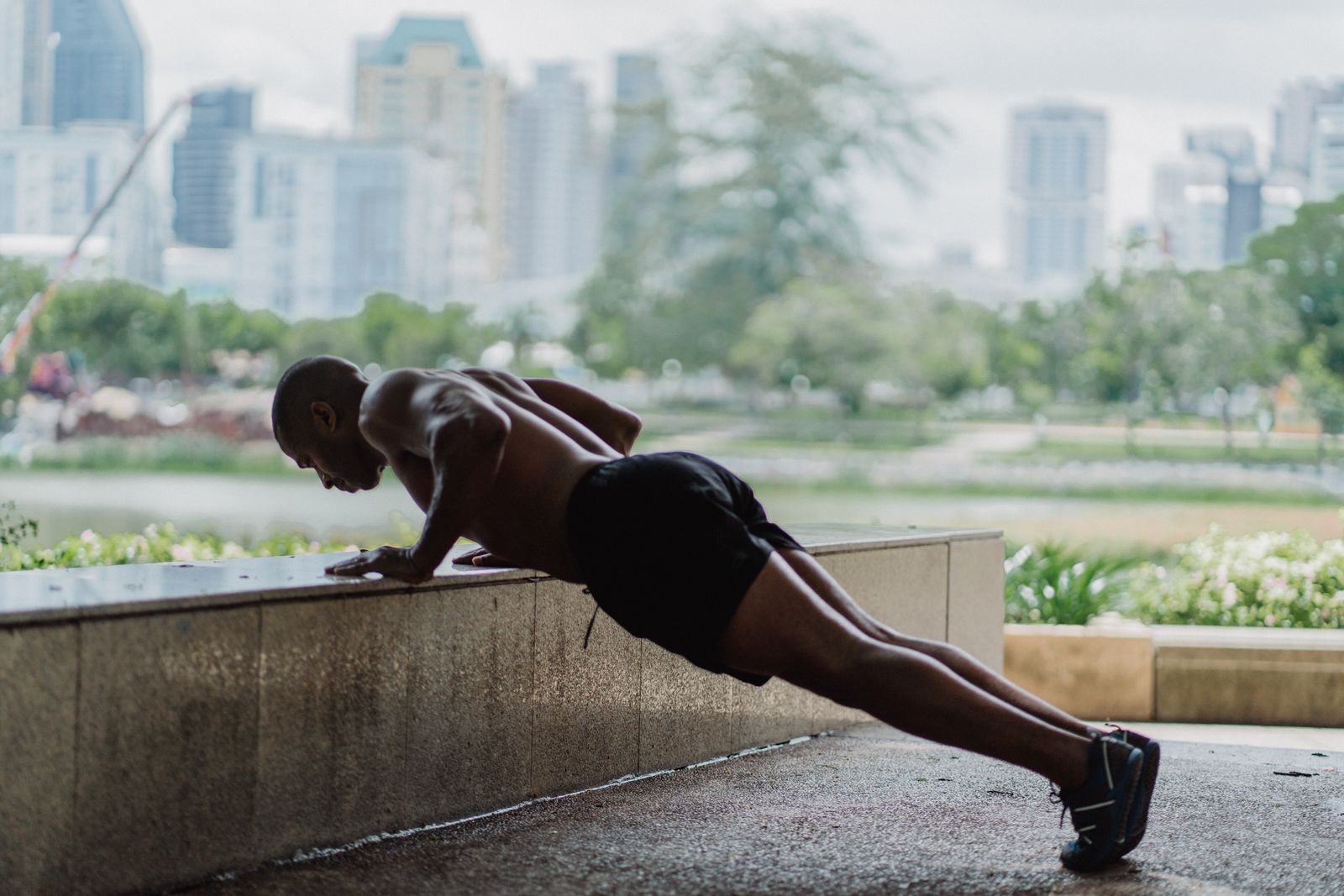
For a long stretch of my training, I had no gym at all. I had a pull-up bar fixed to a frame by a basketball court, a friend’s backyard kit made from cement filled car parts, and my own bodyweight. That was it. And here is the thing that surprised me: some of the sharpest, leanest, most athletic I have ever looked came out of those phases, not the ones where I had a full gym at my disposal.
That experience shaped how I think about training to this day. You do not need a rack of machines or a cabinet of supplements to build a strong, defined body. With a smart plan and consistency, your own bodyweight is one of the best tools there is.
This article is about why bodyweight training works, drawn from my own years doing it, and about a structured program built on the same idea for anyone who wants a plan to follow.
What Bodyweight Training Gave Me
When I trained at home with just a bar, a mat, and my own weight, a few things stood out that I did not expect.
My joints felt better. Heavy gym phases sometimes left my elbows and shoulders nagging at me. Bodyweight work, with its more natural movement paths, was kinder on them while still building real strength.
My endurance climbed. Bodyweight training tends to keep you moving, and my work capacity and conditioning improved in a way that pure heavy lifting never quite delivered.
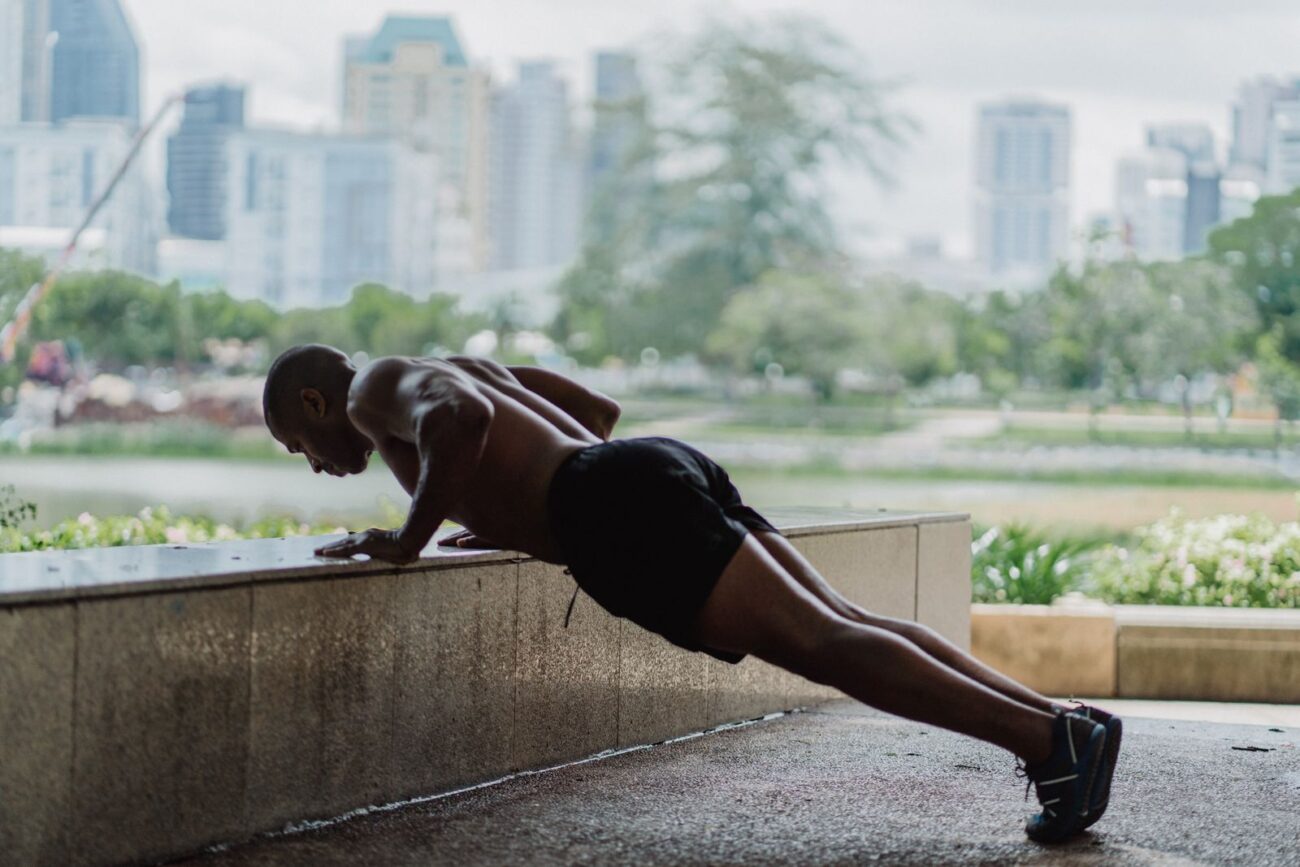
And the definition came. Push-ups, pull-ups, dips, bodyweight squats, the simple compound movements, hit the whole body hard enough that, paired with eating sensibly, the leanness followed.
None of this is magic, and I want to be straight about that. Bodyweight training is not a shortcut to a dream body in record time. It is a sustainable, joint-friendly, no-excuses way to train that delivers real results when you stay consistent. That is the real pitch, and it is enough.
Why Minimal Equipment Works
There is a belief that you need to lift heavy iron to build anything worthwhile. My own experience says otherwise. The basics, pull-ups, push-ups, dips, squats, and their progressions, train your whole body as a unit and let you keep getting stronger by changing leverage, reps, and tempo rather than adding plates.
The real advantages are practical. You can train anywhere, at home, in a park, in a hotel room, so the workout fits your life instead of the other way around. There is nothing to buy beyond a simple pull-up bar. And the sessions are short and focused, which matters when work and family eat your time. Train a few times a week with intent and you will see and feel the difference.
Bodyweight training also scales with you. You start with movements you can manage and progress to harder variations as you get stronger, which means it works whether you are a complete beginner or someone returning after years away.
A Word on Results and Nutrition
Here is where I part ways with a lot of the bodyweight marketing out there. You will see programs promising huge muscle gain and massive fat loss in a fixed number of weeks.
As a natural lifter, I will not repeat those numbers, because real, drug-free progress does not work on a guaranteed timetable, and how fast you change depends on your starting point, your effort, and your consistency.
What I will tell you is true: train your whole body with bodyweight basics, stay consistent, and eat sensibly, and you will get leaner and stronger over time. Whether your abs show comes down to how lean you get, and that is mostly about nutrition.
I am not going to hand you a meal plan or calorie targets, that is personal, but the simple truth holds, the cleaner and more consistent your eating, the more your training shows.
If You Want a Structured Bodyweight Program
Piecing your own bodyweight plan together works, it is roughly how I learned, but it takes time and trial and error. If you would rather follow a ready-made plan, Ripped with Bodyweight is one that lines up closely with how I train.
It is a twelve-week bodyweight program built around a handful of simple compound exercises, push-ups, pull-ups, bodyweight squats, and the like, with progressions for each, a structured routine, and sensible eating guidance. No gym, no supplements, just your body and a pull-up bar.
I am pointing you to it as a program that matches my philosophy. The principles behind it are exactly the ones that worked for me, minimal equipment, simple movements, consistency, so if you want structure instead of figuring it out alone, it is a sound place to start.
I may earn a commission if you buy through this link, at no extra cost to you.
Bodyweight Training FAQ
Can you really build muscle with just bodyweight?
Yes. Compound bodyweight movements like pull-ups, push-ups, dips, and squats train the whole body and build real strength, especially when you progress them over time by changing leverage, reps, and tempo. I built some of my best condition this way with no gym at all.
What equipment do I need?
Very little. A simple pull-up bar covers the pulling movements, and the rest needs only the floor and your body. You can train at home, in a park, or anywhere with something to hang from.
How long until I see results?
That depends on your starting point, your effort, and your consistency, so I will not promise a number. With regular training and sensible eating, most people start to look and feel different over a span of weeks to a few months. Steady work is what gets you there.
Is bodyweight training good for beginners?
Yes, because it scales. You start with easier versions of each movement and progress to harder ones as you get stronger, so a complete beginner can start safely and build up.
What if I cannot do a single pull-up?
That is a normal starting point. Slow negatives, dead hangs, and band assistance build the strength for your first rep over time. I could not do one when I started either, and they became a cornerstone of my training.
Will bodyweight training give me a six-pack?
It builds and strengthens the muscle, but whether the abs show depends on how lean you are, which comes down mostly to nutrition. Train hard, eat well, and stay consistent, and the definition follows as the body fat drops.
