







This guide was written and reviewed by Serge, MSc . As a martial artist and natural lifter with over 10 years of training experience, what I share comes from my own training and from digging into the research behind it.
Affiliate disclosure: This site has affiliate links, including Amazon. As an Amazon Associate I earn from qualifying purchases, at no extra cost to you.

Nobody starts strong. I didn’t, and neither did anyone you admire in the gym. Whatever you’re picturing when you imagine being good at this, set it aside for now, because at the start, the only thing that matters is that you begin at all.
After more than ten years of lifting, the advice I’d give a complete beginner isn’t complicated. Most of it isn’t even about the exercises. It’s about how you approach the whole thing. So here’s what I’d actually tell you if you were starting from zero.
There’s No Rush
The first thing, and the one most people get wrong, is the hurry. You don’t need to transform in a month. You’re not behind. Strength is built slowly, over months and years, and trying to rush it just leads to burnout, injury, or quitting.
Take the pressure off. You’re starting something you’ll hopefully do for life, so there’s no deadline. Slow and steady genuinely wins this one.
Focus on Form, But Don’t Expect to Be Perfect

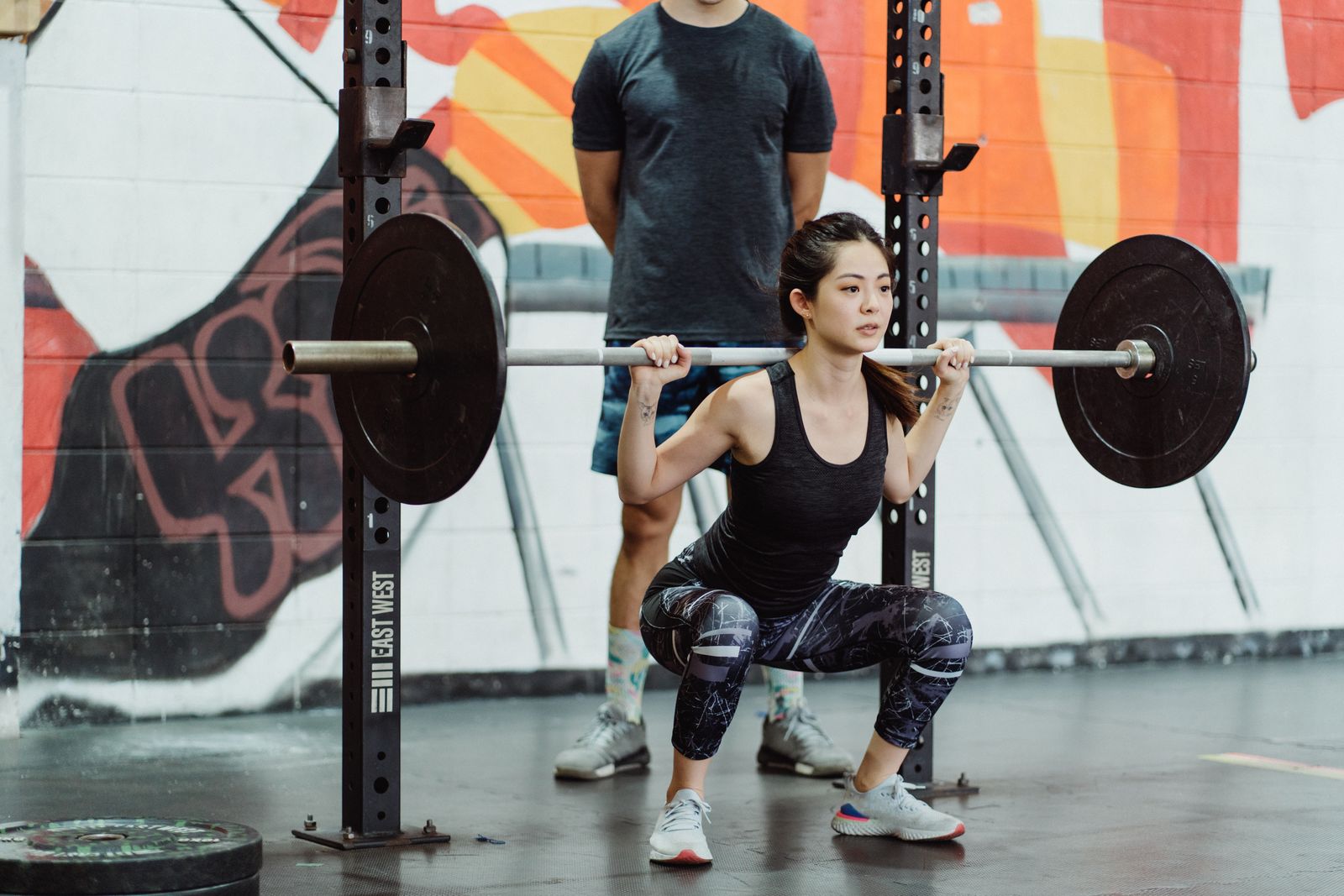
Form matters. Learning to do the movements properly protects you from injury and makes the training actually work. So yes, pay attention to technique from the start.
But here’s the part nobody tells beginners: you’re going to do things wrong at first, and that’s completely normal. Don’t let the fear of imperfect form stop you from starting. Nobody’s technique is clean on day one. You learn it by doing it, gradually cleaning it up as you go. Aim to improve your form, not to have it perfect immediately. Trying to be flawless from the first session is its own kind of trap.
Progress Gradually
Once you’re moving and have the basic shape of the exercises, progress is just about doing a little more over time. A bit more weight, an extra rep, slightly harder variations, week by week. That gradual increase is what actually builds strength.
You don’t need to add a lot. Small, steady steps add up far more than big jumps that leave you sore or hurt. Just aim to do a little more than last time, over time.
Leave Your Ego Out of It
This is a big one, and it’s where a lot of beginners go wrong. Don’t let your ego pick your weights. Lifting more than you can handle with good form doesn’t impress anyone and just gets you hurt.
The strongest, most consistent people I know train without ego. They use weights they can actually control, they’re not trying to prove anything, and they progress steadily because of it. Check your ego at the door and you’ll get further, faster.
Don’t Compare Yourself to Others
When you start, it’s tempting to look around and measure yourself against everyone else. Try not to. Everyone’s on their own timeline, with their own history, genetics, and starting point.
And here’s something worth knowing: someone who looks bigger than you isn’t necessarily doing things right. Size doesn’t always mean good training, good health, or anything you should copy. Plenty of impressive-looking physiques were built in ways you can’t see and wouldn’t want to imitate. So don’t use other people as your measuring stick. The only useful comparison is you against your past self.
Where to Actually Start

On the practical side, keep it simple. If you have access to a gym, starting there early is a good idea, you’ve got the equipment to learn the main movements and progress easily. (If you’re new to the machines and weights, I’ve put together a guide on using gym equipment properly that’ll help you get comfortable.)
If you don’t have a gym, don’t let that stop you. Home workouts are perfectly fine to start with. Bodyweight movements and a bit of basic equipment can build a real foundation, which is exactly how I started myself. (I’ve written in detail about building muscle at home and training with little or no equipment if that’s your situation.)
The point is, there’s no single “right” place to begin. Gym or home, what matters is that you start and stay consistent.
On Food, Keep It Simple Too

You don’t need to overhaul your diet or obsess over numbers to begin. The one thing worth focusing on early is getting enough protein from real food, things like eggs, chicken, fish, dairy, beans, and lentils, since that’s what helps your muscles recover and grow. Beyond that, eat sensibly and don’t overcomplicate it at the start.
You Will Get There
The last thing I’d tell you is the most important: you will get there. If you start, keep your ego out of it, focus on gradually improving, and don’t quit when progress feels slow, you’ll look back in a year genuinely surprised at how far you’ve come.
It won’t happen fast, and it isn’t supposed to. But it happens, for anyone who keeps showing up. The people who succeed aren’t the ones who started strong. They’re the ones who didn’t stop.
So start simple, be patient with yourself, and trust that the work adds up. Because it does.
